Zakar Rida, El Khoury John-Victor, Prince Gilles, Boutros Marc, Yaghi Céline, Matar Marianne, Abou Khaled Karine, Moussa Ronald
Medicine, Université Saint-Joseph, Beirut, LBN.
Neurology, Hôtel-Dieu de France, Beirut, LBN.
Cureus. 2024 Sep 12;16(9):e69284. doi: 10.7759/cureus.69284. eCollection 2024 Sep.
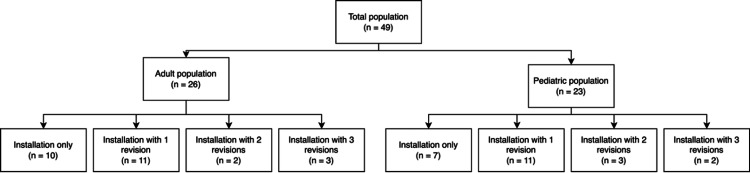
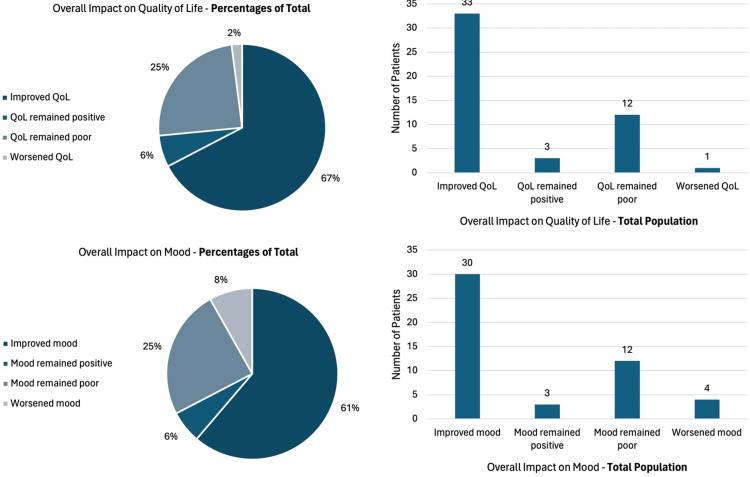
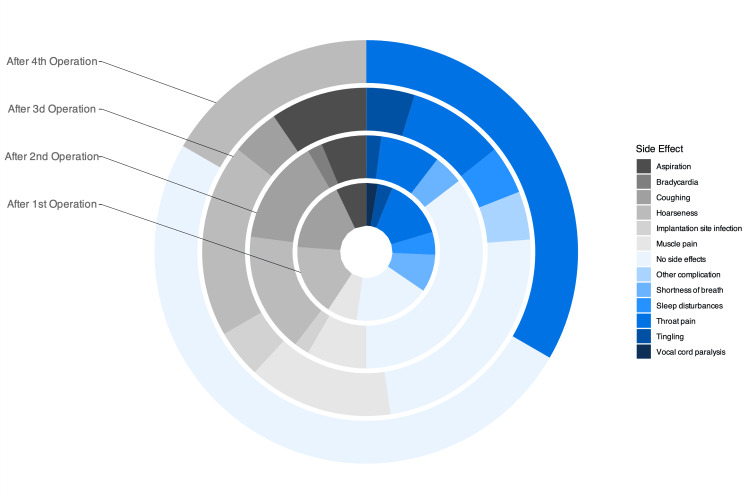
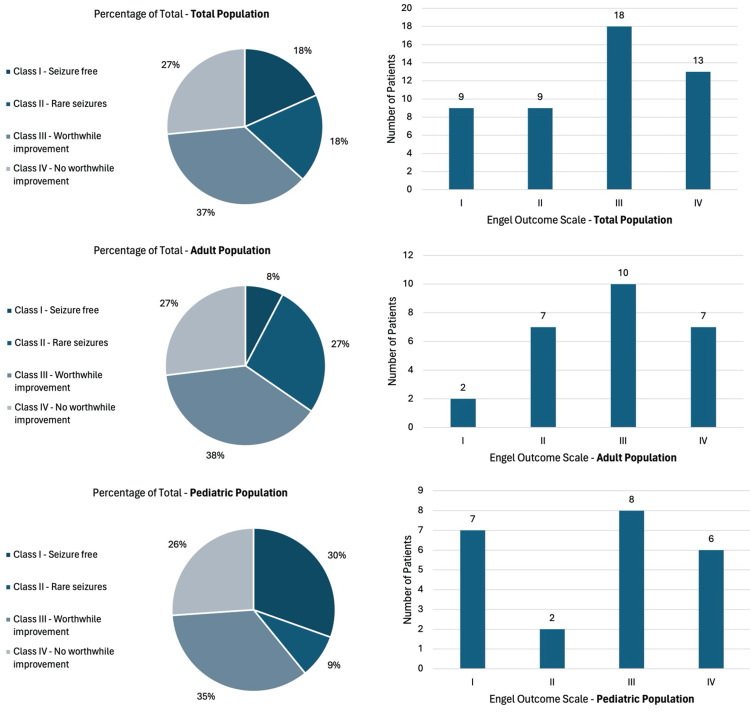
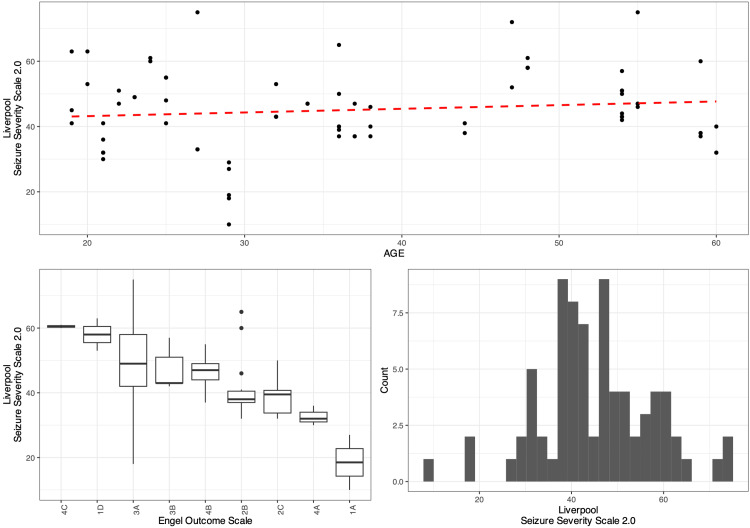
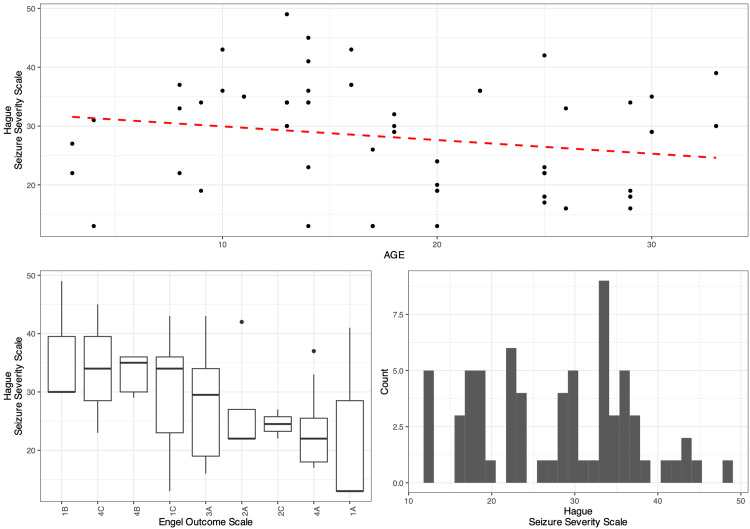
Objective This study aims to develop a quantifiable model for evaluating the outcomes of vagus nerve stimulation (VNS) in patients with multifocal refractory epilepsy, particularly focusing on those who have undergone multiple surgeries. By adopting a patient-centered approach, the study seeks to provide a robust framework for assessing VNS efficacy across various patient demographics, including both adult and pediatric patients, and those with impaired cognitive and communicative abilities. Methods We conducted a retrospective analysis of 49 patients with multifocal refractory epilepsy who underwent at least one VNS surgery. The cohort was divided into two groups: adults (≥16 years) and a combined pediatric group that included patients under 16 years of age and patients with impaired cognitive and communicative skills. The Liverpool Seizure Severity Scale (LSSS) was used for adults, while the Hague Seizure Severity Scale (HASS) was employed for the pediatric group. Key outcome measures, including changes in seizure frequency, quality of life (QoL), number of hospitalizations, and other clinical metrics, were quantified using our proposed model. The iterative use of the mentioned scales was also assessed for validity by comparison with the Engel Outcome Scale (EOS). A total of 96 procedures were assessed. Results The results indicated a significant reduction in seizure severity post-surgery across both groups, as quantified by the LSSS for adults and HASS for pediatric and cognitively impaired patients. The model also demonstrated a consistent decrease in seizure frequency and an improvement in QoL metrics over successive surgeries. Minimal major side effects were reported, supporting the effectiveness of our quantification approach in capturing VNS outcomes. Conclusions This study introduces a novel, quantifiable model for evaluating VNS outcomes, providing a comprehensive tool for clinicians to assess the effectiveness of VNS in managing multifocal refractory epilepsy. By integrating multiple outcome measures into a cohesive framework, our model can aid in better understanding VNS therapy's impact and contribute to more informed clinical practice.
目的 本研究旨在开发一种可量化模型,用于评估多灶性难治性癫痫患者接受迷走神经刺激(VNS)治疗的效果,尤其关注那些接受过多次手术的患者。通过采用以患者为中心的方法,该研究旨在提供一个强大的框架,以评估不同患者群体(包括成人和儿童患者,以及认知和沟通能力受损的患者)中VNS的疗效。方法 我们对49例接受至少一次VNS手术的多灶性难治性癫痫患者进行了回顾性分析。该队列分为两组:成人(≥16岁)和一个综合儿童组,其中包括16岁以下的患者以及认知和沟通技能受损的患者。成人使用利物浦癫痫发作严重程度量表(LSSS),而儿童组使用海牙癫痫发作严重程度量表(HASS)。使用我们提出的模型对包括癫痫发作频率变化、生活质量(QoL)、住院次数和其他临床指标在内的关键结局指标进行量化。还通过与恩格尔结局量表(EOS)比较,评估了上述量表的反复使用的有效性。共评估了96次手术。结果 结果表明,两组术后癫痫发作严重程度均显著降低,成人用LSSS量化,儿童和认知受损患者用HASS量化。该模型还显示,在连续手术中癫痫发作频率持续下降,QoL指标有所改善。报告的主要副作用极少,支持了我们的量化方法在捕捉VNS治疗效果方面的有效性。结论 本研究引入了一种新颖的、可量化的模型来评估VNS治疗效果,为临床医生提供了一个全面的工具,以评估VNS在治疗多灶性难治性癫痫中的有效性。通过将多个结局指标整合到一个连贯的框架中,我们的模型有助于更好地理解VNS治疗的影响,并有助于更明智的临床实践。