Keikha Reza, Hashemi-Shahri Seyed Mohammad, Jebali Ali
Infectious Diseases and Tropical Medicine Research Center, Resistant Tuberculosis Institute, Zahedan University of Medical Sciences, Zahedan, Iran.
Department of Pathology, Faculty of Medicine, Zahedan University of Medical Sciences, Zahedan, Iran.
Basic Clin Neurosci. 2024 Jan-Feb;15(1):73-80. doi: 10.32598/bcn.2022.3342.1. Epub 2024 Jan 1.
Our aim was to investigate the expression of miRNAs, C-reactive protein as a blood inflammation marker, and alanine aminotransferase as a tissue inflammation marker, in recovered and not-recovered COVID-19 patients.
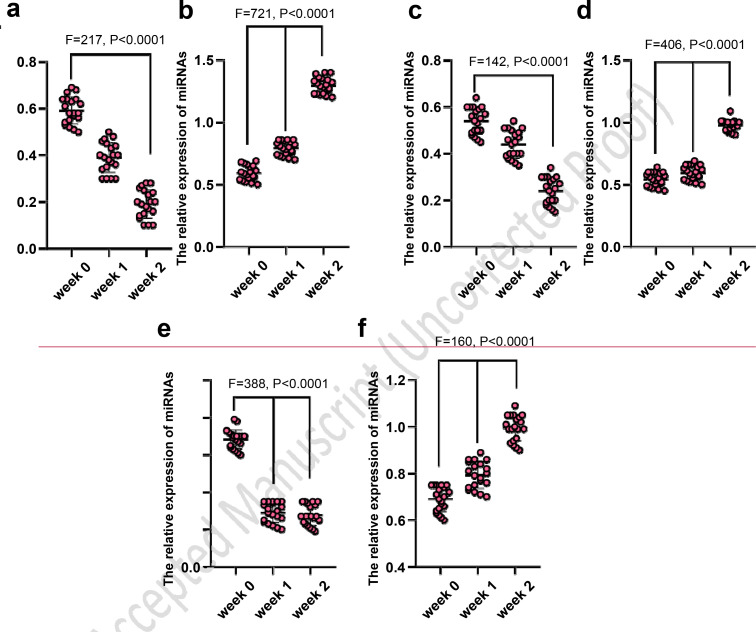
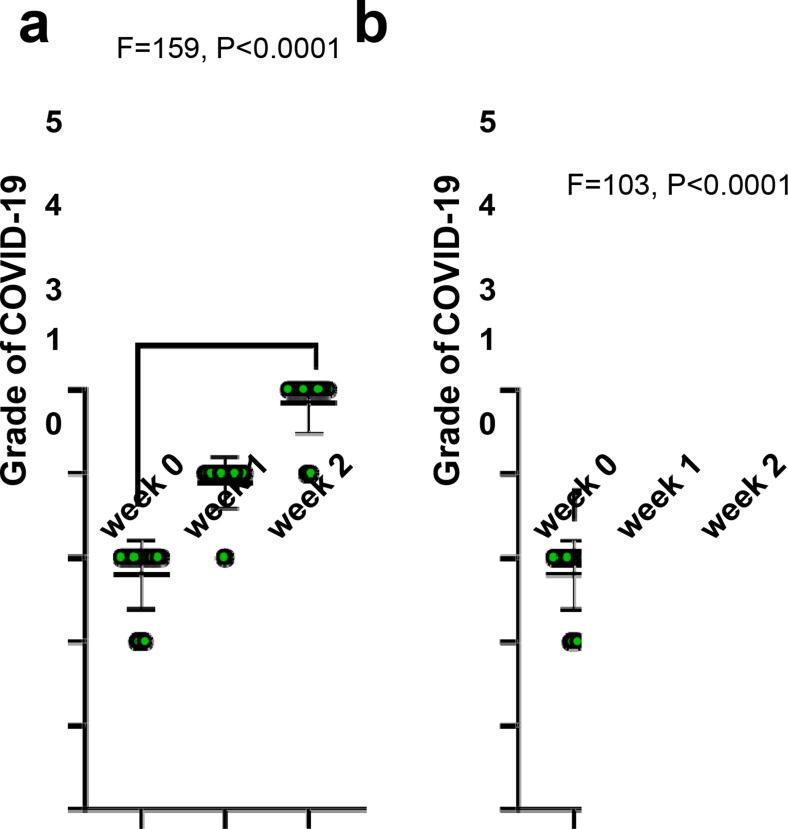
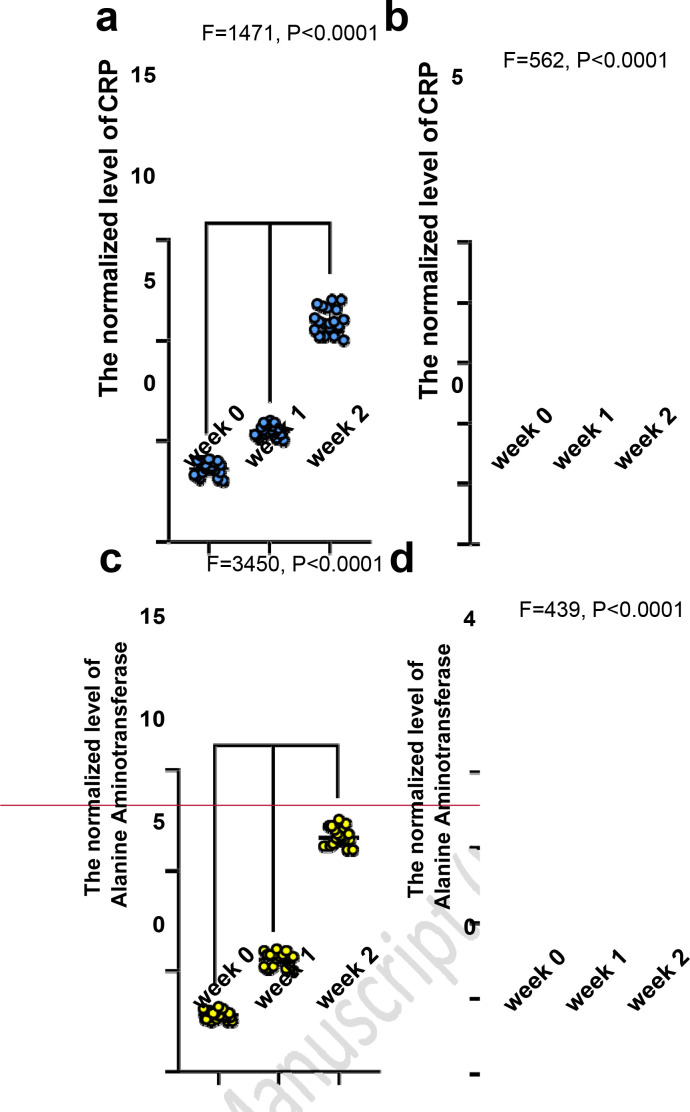
This cross-sectional project was conducted at three medical centers in Iran from December to March 2021. In total, 20 confirmed cases of COVID-19 with grade III severity and 20 healthy subjects were enrolled in the study. Subsequently, the neuroinflammatory expression of miRNAs (miR-199, miR-203, and miR-181), C-reactive protein, and alanine aminotransferase was investigated during hospitalization from week 0 to week 2.
Among COVID-19 subjects who did not recover, the expression levels of miR-199, miR-203, and miR-181 were decreased, while the levels of C-reactive protein and alanine aminotransferase increased during hospitalization. Conversely, in recovered COVID-19 subjects, the relative expression of miR-199, miR-203, and miR-181 increased and the levels of C-reactive protein and alanine aminotransferase decreased during hospitalization.
The expression pattern of neuroinflammatory miRNAs depends on whether the COVID-19 patient is recovering or deteriorating. Their expression is downregulated in COVID-19 patients who do not recover and upregulated in those who do recover.
我们的目的是研究康复和未康复的新冠肺炎患者中微小RNA(miRNA)、作为血液炎症标志物的C反应蛋白以及作为组织炎症标志物的丙氨酸转氨酶的表达情况。
本横断面研究于2021年12月至2021年3月在伊朗的三个医疗中心开展。总共20例确诊为III级严重程度的新冠肺炎病例和20名健康受试者纳入研究。随后,在住院第0周和第2周期间研究了miRNA(miR-199、miR-203和miR-181)、C反应蛋白和丙氨酸转氨酶的神经炎症表达情况。
在未康复的新冠肺炎受试者中,miR-199、miR-203和miR-181的表达水平降低,而C反应蛋白和丙氨酸转氨酶水平在住院期间升高。相反,在康复的新冠肺炎受试者中,miR-199、miR-203和miR-181的相对表达增加,C反应蛋白和丙氨酸转氨酶水平在住院期间降低。
神经炎症性miRNA的表达模式取决于新冠肺炎患者是正在康复还是病情恶化。在未康复的新冠肺炎患者中其表达下调,而在康复患者中表达上调。