Infectious Diseases and Tropical Medicine Research Center, Resistant Tuberculosis Institute, Zahedan University of Medical Sciences, Zahedan, Iran; Department of Pathology, Faculty of Medicine, Zahedan University of Medical Sciences, Zahedan, Iran.
Infectious Diseases and Tropical Medicine Research Center, Resistant Tuberculosis Institute, Zahedan University of Medical Sciences, Zahedan, Iran.
Neurologia (Engl Ed). 2023 Jul-Aug;38(6):e41-e51. doi: 10.1016/j.nrleng.2023.05.002.
The expression of specific miRNAs and their mRNA targets are changed in infectious disease. The aim of this study was to analyze the expression of pro-neuroinflammatory miRNAs, anti-neuroinflammatory miRNAs, and their mRNA targets in the serum of COVID-19 patients with different grades.
COVID-19 patients with different grades were enrolled in this study and the expression of pro-neuroinflammatory miRNAs, anti-neuroinflammatory miRNAs, and their target mRNAs was analyzed by q-PCR.
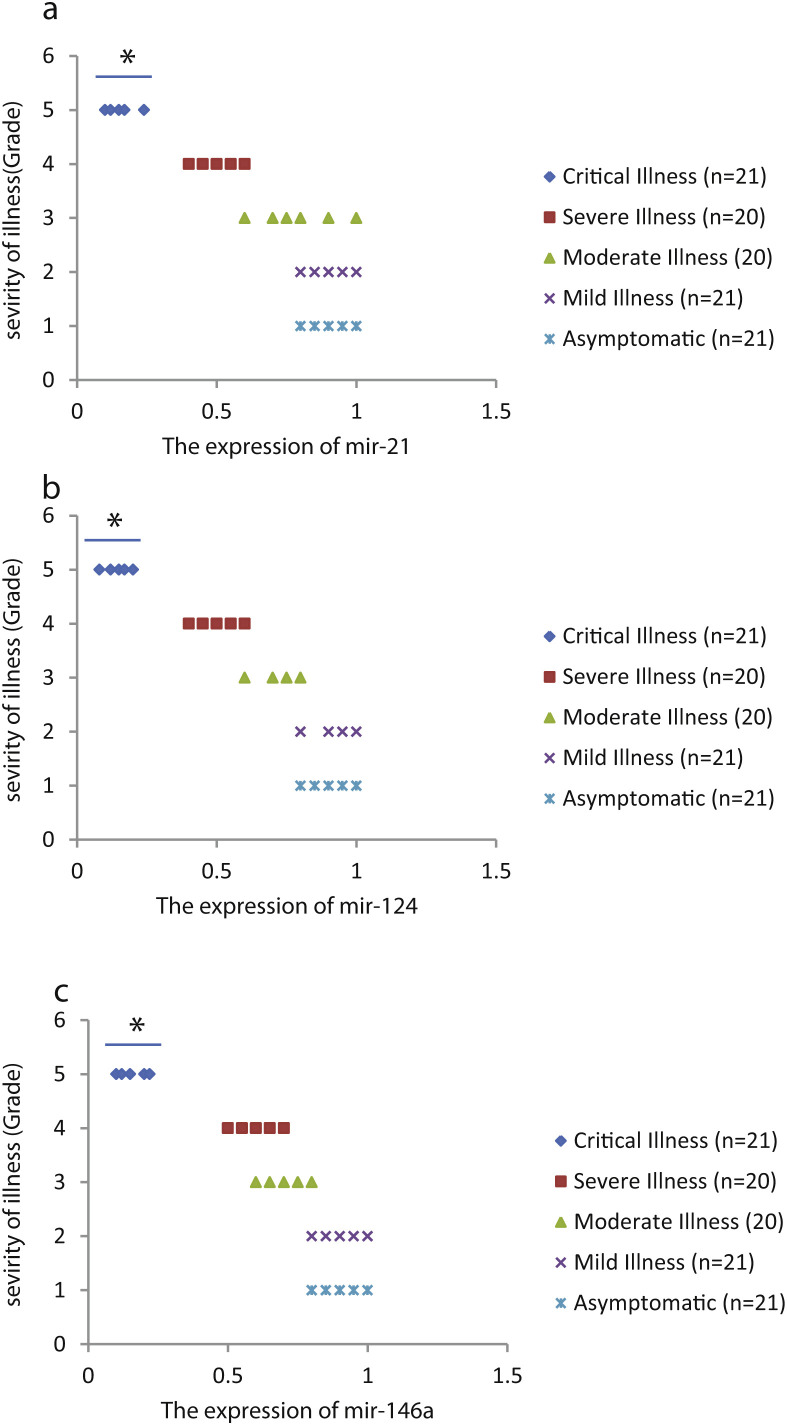
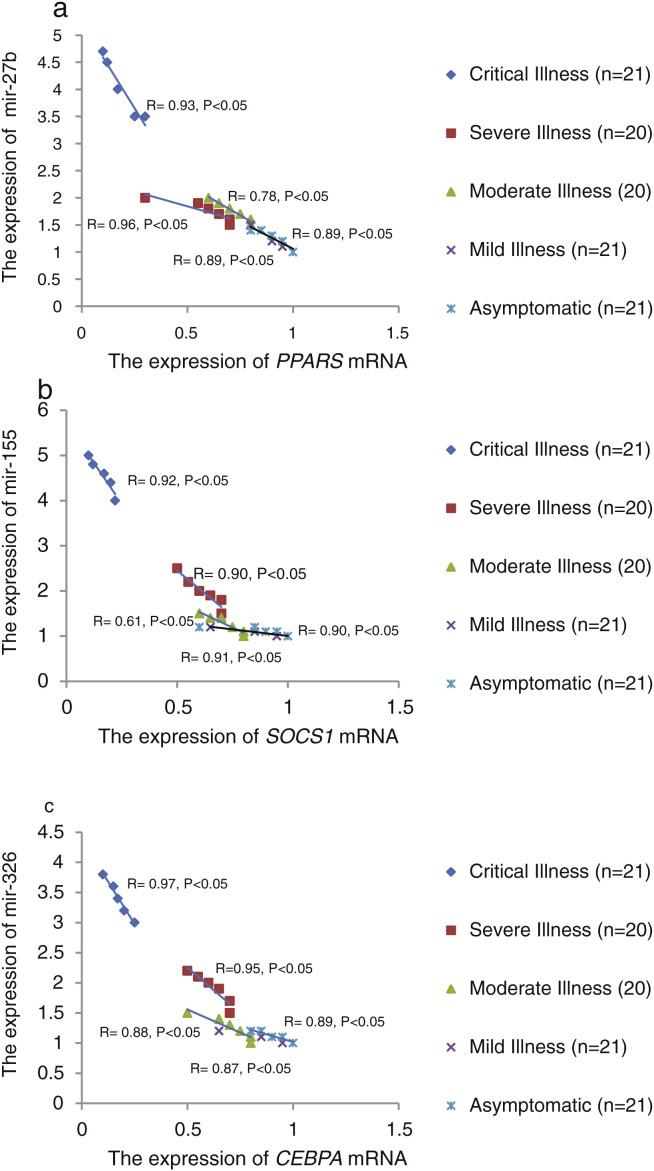
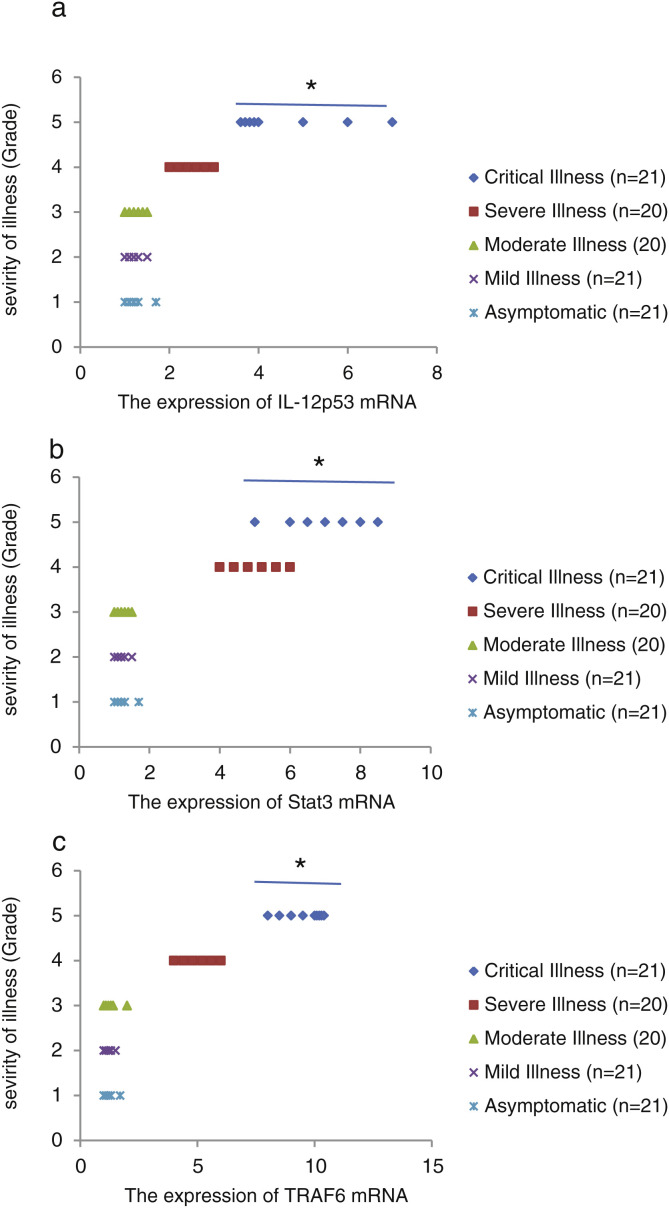
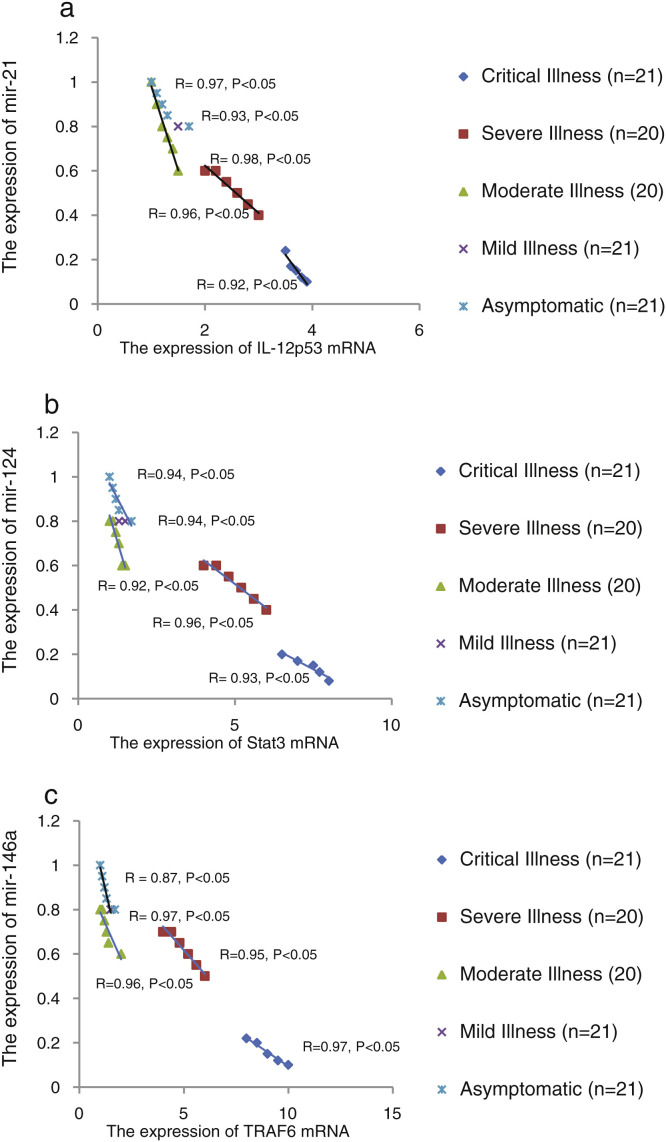
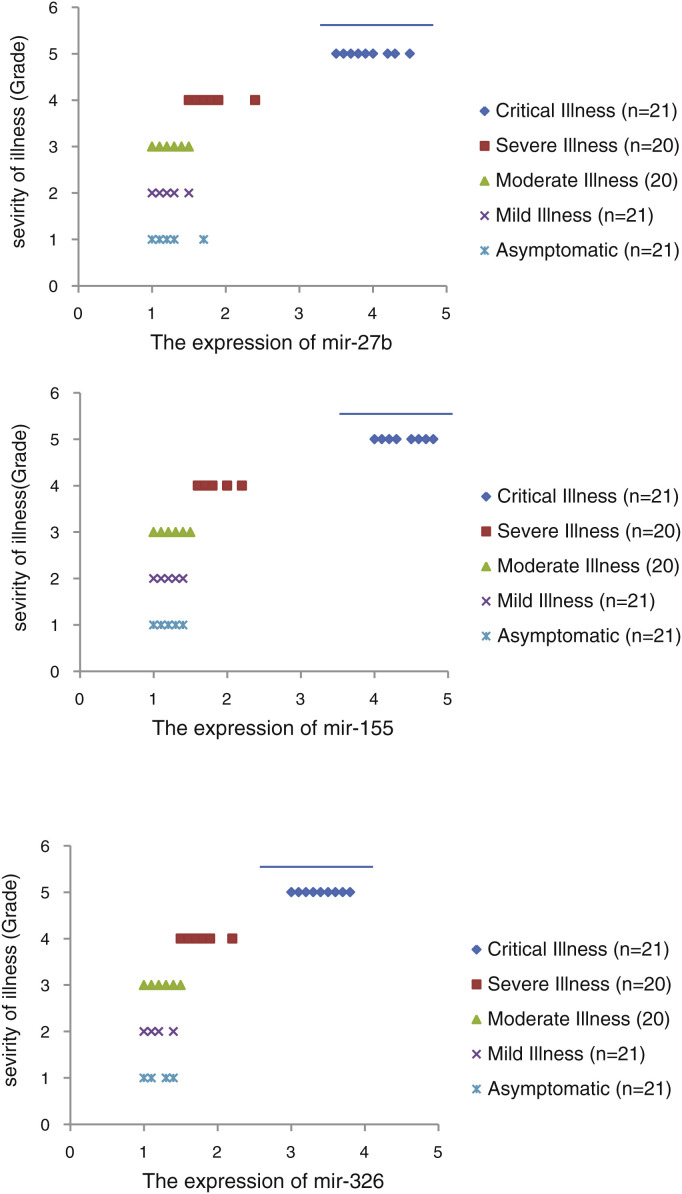
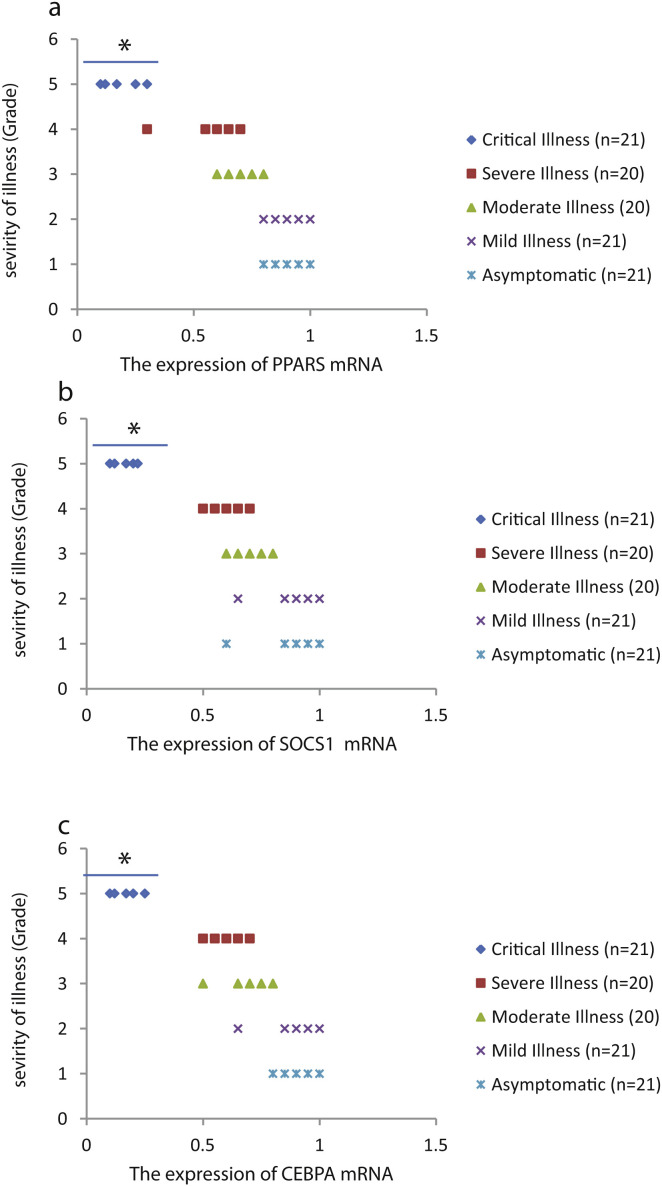
The relative expression of anti- neuroinflammatory miRNAs (mir-21, mir-124, and mir-146a) was decreased and the relative expression of their target mRNAs (IL-12p53, Stat3, and TRAF6) was increased. Also, the relative expression of pro-neuroinflammatory miRNAs (mir-326, mir-155, and mir-27b) was increased and the relative expression of their target mRNA (PPARS, SOCS1, and CEBPA) was decreased in COVID-19 patients with increase of disease grade. A negative significant correlation was seen between mir-21 and IL-12p53 mRNA, mir-124 and Stat3 mRNA, mir-146a and TRAF6 mRNA, mir-27b and PPARS mRNA, mir-155 and SOCS1 mRNA, and between mir-326 and CEBPA mRNA in COVID-19 patients (P<0.05).
This study showed that the relative expression of anti- neuroinflammatory miRNAs was decreased and the relative expression of their targeted mRNAs was increased in COVID-19 patients from asymptomatic to critical illness. Also, this study showed that the relative expression of pro-neuroinflammatory miRNAs was increased and the relative expression of their targeted mRNA was decreased in COVID-19 patients from asymptomatic to critical illness.
特定 miRNA 的表达及其 mRNA 靶标在传染病中发生改变。本研究旨在分析不同严重程度 COVID-19 患者血清中促神经炎症 miRNA、抗神经炎症 miRNA 及其 mRNA 靶标的表达。
本研究纳入了不同严重程度的 COVID-19 患者,并通过 q-PCR 分析了促神经炎症 miRNA、抗神经炎症 miRNA 及其靶 mRNA 的表达。
抗神经炎症 miRNA(mir-21、mir-124 和 mir-146a)的相对表达降低,其靶 mRNA(IL-12p53、Stat3 和 TRAF6)的相对表达增加。此外,随着疾病严重程度的增加,COVID-19 患者中促神经炎症 miRNA(mir-326、mir-155 和 mir-27b)的相对表达增加,其靶 mRNA(PPARS、SOCS1 和 CEBPA)的相对表达减少。在 COVID-19 患者中,mir-21 与 IL-12p53 mRNA、mir-124 与 Stat3 mRNA、mir-146a 与 TRAF6 mRNA、mir-27b 与 PPARS mRNA、mir-155 与 SOCS1 mRNA 以及 mir-326 与 CEBPA mRNA 之间存在显著负相关(P<0.05)。
本研究表明,从无症状到危重症 COVID-19 患者中,抗神经炎症 miRNA 的相对表达降低,其靶 mRNA 的相对表达增加。此外,本研究还表明,从无症状到危重症 COVID-19 患者中,促神经炎症 miRNA 的相对表达增加,其靶 mRNA 的相对表达减少。