Vaccine and Gene Therapy Institute, Oregon Health and Science University, Beaverton, OR, USA.
Department of Molecular Microbiology and Immunology, Oregon Health and Science University, Portland, OR, USA.
BioDrugs. 2024 Nov;38(6):727-742. doi: 10.1007/s40259-024-00677-y. Epub 2024 Sep 18.
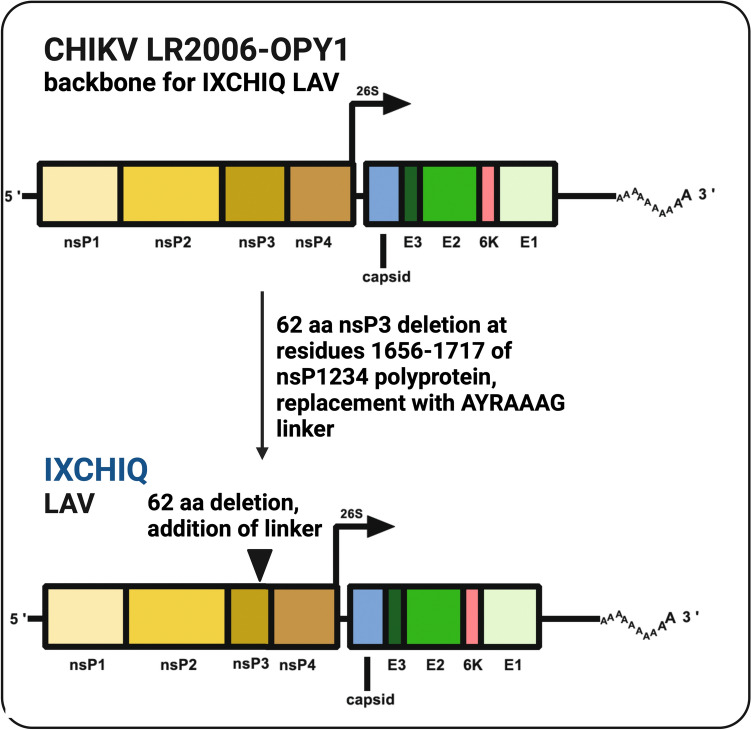
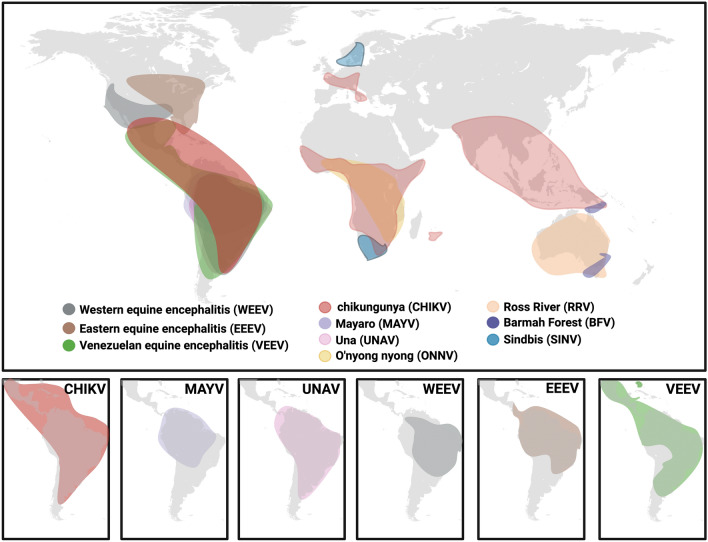
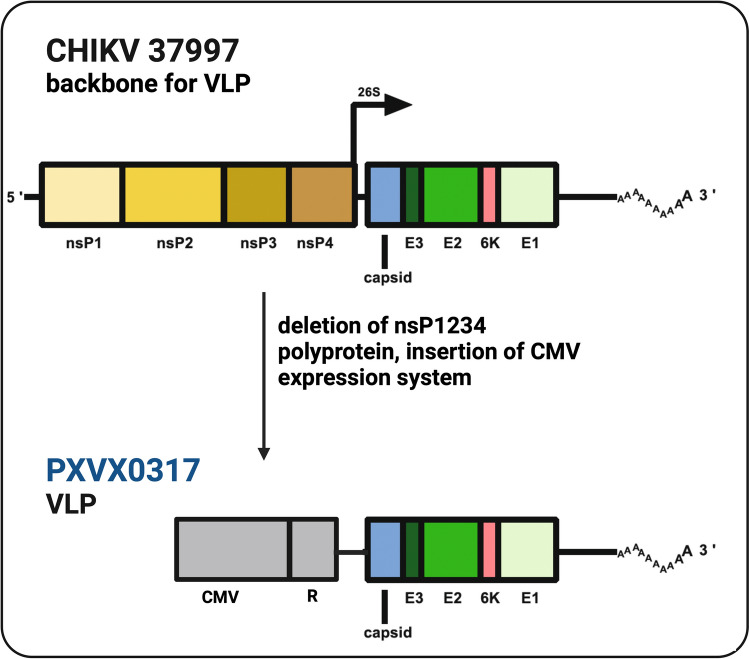
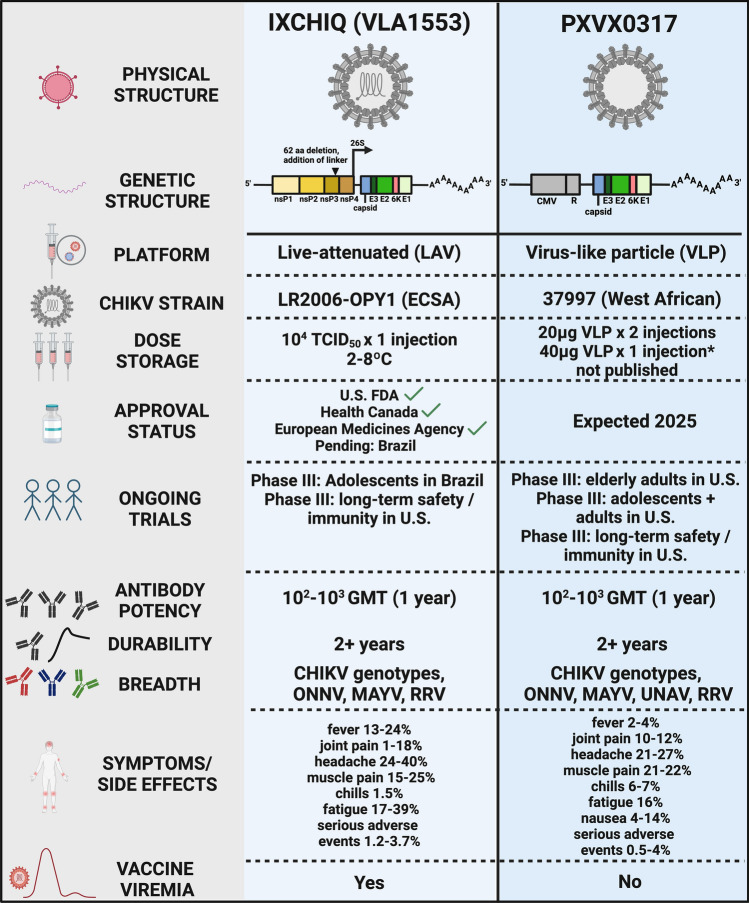
Chikungunya virus is an emerging mosquito-borne alphavirus that causes febrile illness and arthritic disease. Chikungunya virus is endemic in 110 countries and the World Health Organization estimates that it has caused more than 2 million cases of crippling acute and chronic arthritis globally since it re-emerged in 2005. Chikungunya virus outbreaks have occurred in Africa, Asia, Indian Ocean islands, South Pacific islands, Europe, and the Americas. Until recently, no specific countermeasures to prevent or treat chikungunya disease were available. To address this need, multiple vaccines are in human trials. These vaccines use messenger RNA-lipid nanoparticles, inactivated virus, and viral vector approaches, with a live-attenuated vaccine VLA1553 and a virus-like particle PXVX0317 in phase III testing. In November 2023, the US Food and Drug Administration (FDA) approved the VLA1553 live-attenuated vaccine, which is marketed as IXCHIQ. In June 2024, Health Canada approved IXCHIQ, and in July 2024, IXCHIQ was approved by the European Commission. On August 13, 2024, the US FDA granted priority review for PXVX0317. The European Medicine Agency is considering accelerated assessment review of PXVX0317, with potential for approval by both agencies in 2025. In this review, we summarize published data from pre-clinical and clinical trials for the IXCHIQ and PXVX0317 vaccines. We also discuss unanswered questions including potential impacts of pre-existing chikungunya virus immunity on vaccine safety and immunogenicity, whether long-term immunity can be achieved, safety in children, pregnant, and immunocompromised individuals, and vaccine efficacy in people with previous exposure to other emerging alphaviruses in addition to chikungunya virus.
基孔肯雅热病毒是一种新兴的蚊媒甲型病毒,可引起发热疾病和关节炎疾病。基孔肯雅热病毒在 110 个国家流行,世界卫生组织估计,自 2005 年重新出现以来,它已在全球造成超过 200 万例致残性急性和慢性关节炎病例。基孔肯雅热病毒疫情发生在非洲、亚洲、印度洋岛屿、南太平洋岛屿、欧洲和美洲。直到最近,还没有专门的对策来预防或治疗基孔肯雅热疾病。为了满足这一需求,正在进行多种疫苗的人体试验。这些疫苗使用信使 RNA-脂质纳米颗粒、灭活病毒和病毒载体方法,其中包括一种减毒活疫苗 VLA1553 和一种病毒样颗粒 PXVX0317 正在进行 III 期试验。2023 年 11 月,美国食品和药物管理局(FDA)批准了减毒活疫苗 VLA1553,商品名为 IXCHIQ。2024 年 6 月,加拿大卫生部批准了 IXCHIQ,2024 年 7 月,IXCHIQ 获得了欧洲委员会的批准。2024 年 8 月 13 日,美国 FDA 授予 PXVX0317 优先审查。欧洲药品管理局正在考虑对 PXVX0317 进行加速评估审查,这两种机构都有可能在 2025 年批准。在本综述中,我们总结了 IXCHIQ 和 PXVX0317 疫苗的临床前和临床试验的已发表数据。我们还讨论了未解决的问题,包括先前存在的基孔肯雅热病毒免疫对疫苗安全性和免疫原性的潜在影响、是否可以实现长期免疫、儿童、孕妇和免疫功能低下者的安全性,以及除基孔肯雅热病毒之外,以前接触过其他新兴甲病毒的人对疫苗的疗效。