Macura Biljana, Metson Geneviève S, McConville Jennifer R, Harder Robin
Stockholm Environment Institute, HQ, P.O. Box 24218, Stockholm, SE-104 51, Sweden.
Ecological and Environmental Modelling, Department of Physics, Chemistry and Biology, Linköping University, Linköping, SE-581 83, Sweden.
Environ Evid. 2024 Aug 20;13(1):21. doi: 10.1186/s13750-024-00342-5.
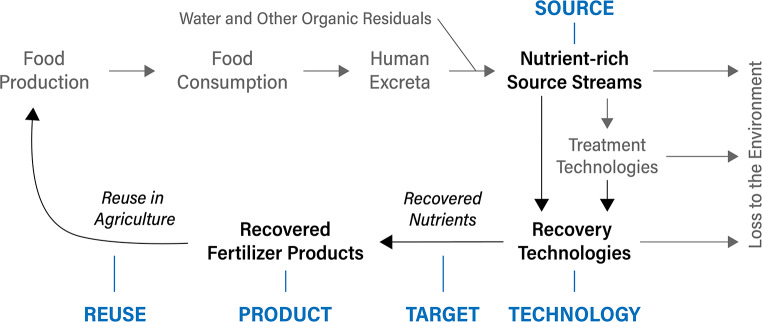
Achieving a more circular and efficient use of nutrients found in human excreta and domestic (municipal) wastewater is an integral part of mitigating aquatic nutrient pollution and nutrient insecurity. A synthesis of research trends readily available to various stakeholders is much needed. This systematic map collates and summarizes scientific research on technologies that facilitate the recovery and reuse of plant nutrients and organic matter found in human excreta and domestic wastewater. We present evidence in a way that can be navigated easily. We hope this work will help with the uptake and upscaling of new and innovative circular solutions for the recovery and reuse of nutrients.
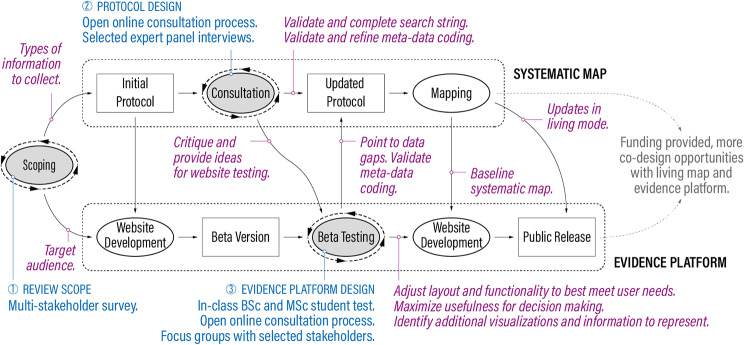
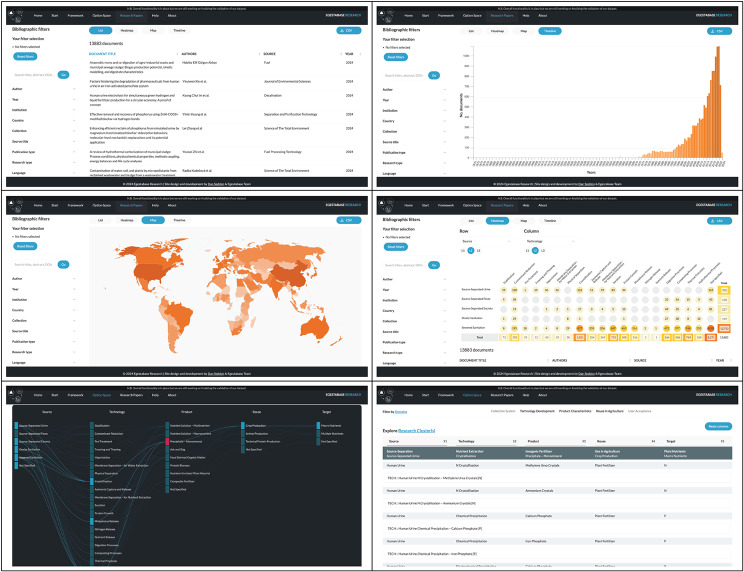
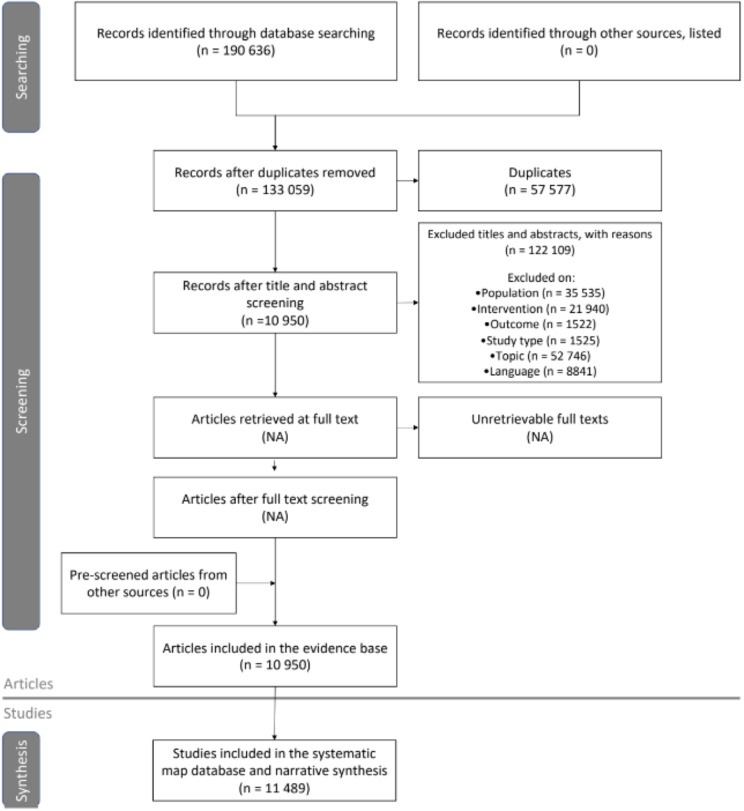
The systematic map consists of an extension of two previous related syntheses. Searches were performed in Scopus and Web of Science in English. Records were screened on title and abstract, including consistency checking. Coding and meta-data extraction included bibliographic information, as well as recovery pathways. The evidence from the systematic map is embedded in an online evidence platform that, in an interactive manner, allows stakeholders to visualize and explore the systematic map findings, including knowledge gaps and clusters.
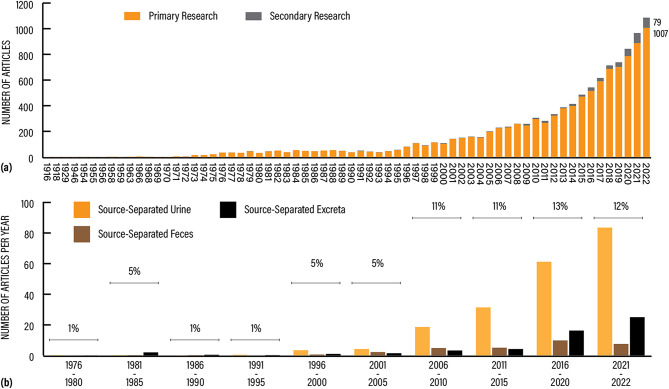
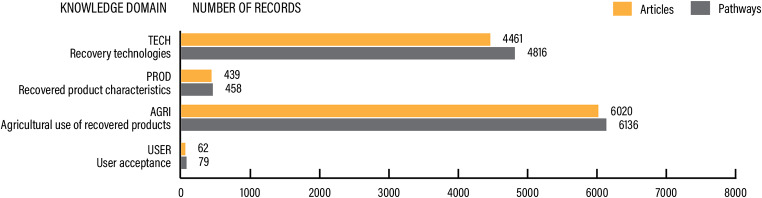
The evidence base includes a total of 10 950 articles describing 11 489 recovery pathways. Most of the evidence base is about recovery technologies (41.9%) and the reuse of recovered products in agriculture (53.4%). A small proportion of the evidence base focuses on the characteristics of recovered products (4.0%) and user acceptance and perceptions of nutrient recovery and reuse (0.7%).
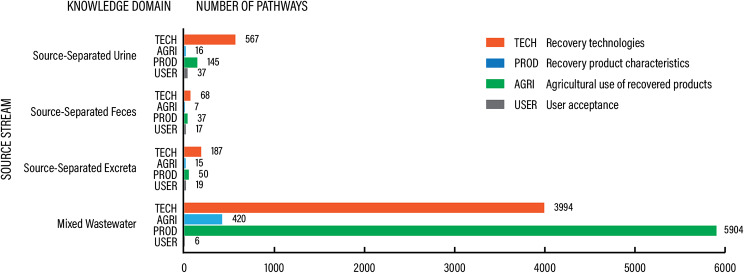
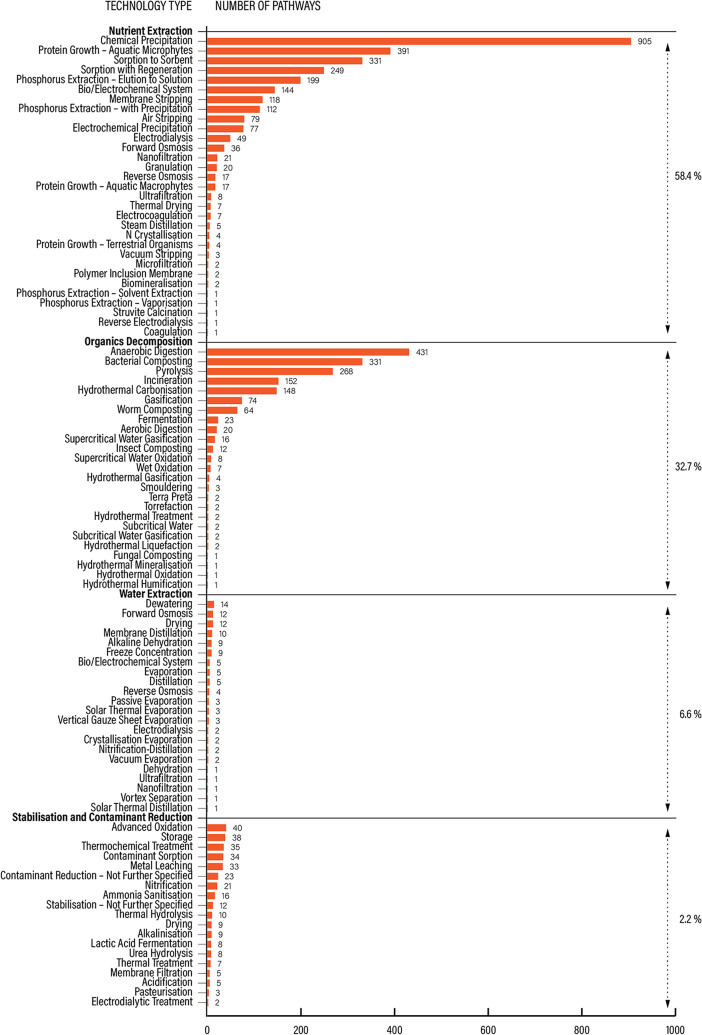
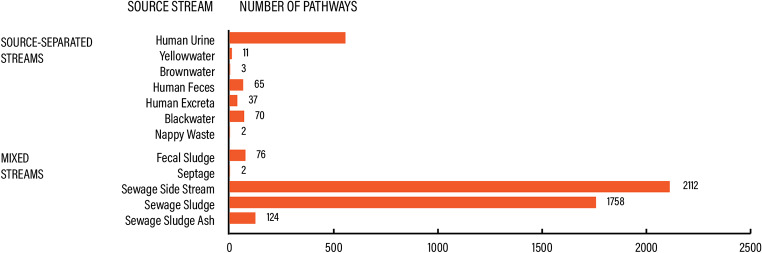
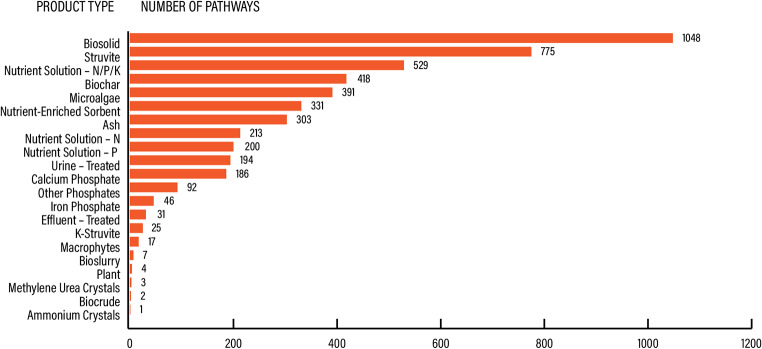
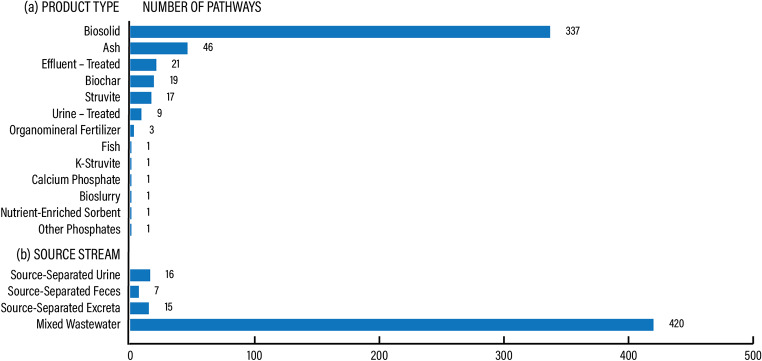
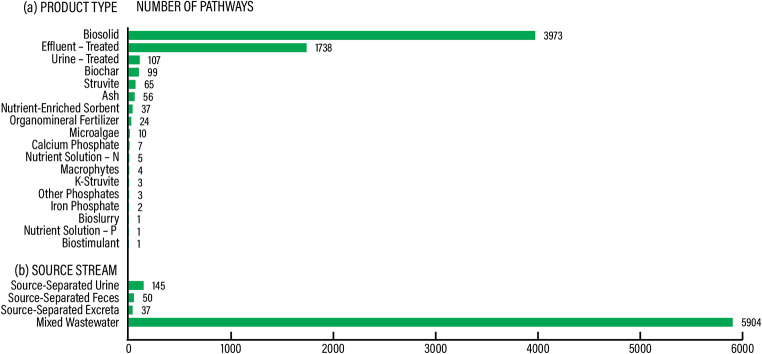
Most studies we mapped focused on nutrient recovery from 'conventional' systems, that is, from centralized sewer and wastewater treatment systems that produce biosolids and a treated effluent. While we also found substantial research on nutrient recovery from source-separated urine, and to some extent also on nutrient recovery from source-separated excreta (notably blackwater), the body of research on nutrient recovery from source-separated feces was relatively small. Another knowledge gap is the relative lack of research on the recovery of potassium. More research is also needed on user acceptance of different recovery technologies and recovered products.
实现人类排泄物和生活(城市)废水中养分的更循环和高效利用是减轻水体养分污染和养分不安全的一个组成部分。非常需要对各利益相关方易于获取的研究趋势进行综合分析。本系统综述整理并总结了关于促进人类排泄物和生活污水中植物养分及有机物质回收和再利用技术的科学研究。我们以易于浏览的方式呈现证据。我们希望这项工作将有助于采用和扩大用于养分回收和再利用的新型创新循环解决方案。
本系统综述由之前两项相关综合分析的扩展组成。在Scopus和Web of Science中用英文进行检索。根据标题和摘要对记录进行筛选,包括一致性检查。编码和元数据提取包括文献信息以及回收途径。系统综述的证据嵌入到一个在线证据平台中,该平台以交互式方式使利益相关方能够可视化和探索系统综述的结果,包括知识空白和聚类。
证据库总共包括10950篇描述11489条回收途径的文章。大部分证据库是关于回收技术(41.9%)以及回收产品在农业中的再利用(53.4%)。一小部分证据库关注回收产品的特性(4.)和用户对养分回收和再利用的接受度及看法(0.7%)。
我们绘制的大多数研究集中于从“传统”系统中回收养分,即从产生生物固体和处理后废水的集中下水道和废水处理系统中回收。虽然我们也发现了大量关于从源分离尿液中回收养分的研究,并且在一定程度上也有关于从源分离排泄物(特别是黑水)中回收养分的研究,但关于从源分离粪便中回收养分的研究相对较少。另一个知识空白是相对缺乏关于钾回收的研究。还需要更多关于用户对不同回收技术和回收产品接受度的研究。