York University, Toronto, ON, Canada.
Kennesaw State University, Kennesaw, GA, United States.
J Med Internet Res. 2024 Sep 19;26:e58198. doi: 10.2196/58198.
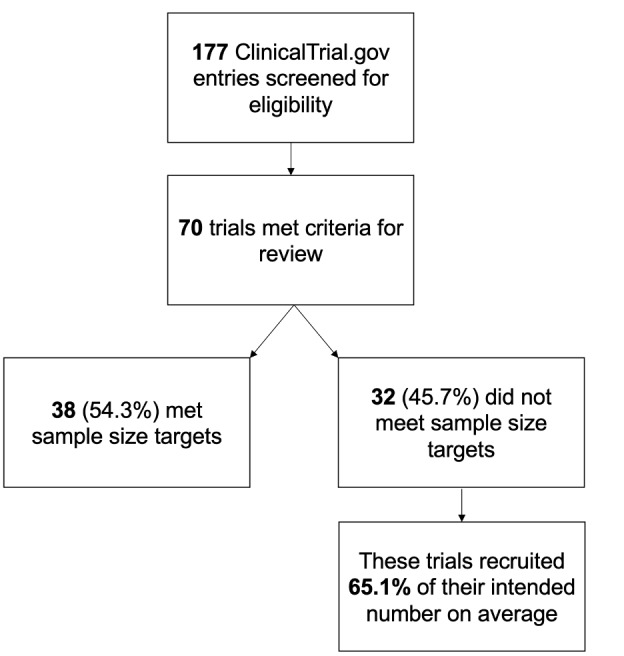
Although efficacious psychotherapies exist, a limited number of mental health care providers and significant demand make their accessibility a fundamental problem. Clinical researchers, funders, and investors alike have converged on self-help digital mental health interventions (self-help DMHIs) as a low-cost, low-burden, and broadly scalable solution to the global mental health burden. Consequently, exorbitant financial and time-based resources have been invested in developing, testing, and disseminating these interventions. However, the public's assumed desirability for self-help DMHIs by experts has largely proceeded without question. This commentary critically evaluates whether self-help DMHIs can, and will, reach their purported potential as a solution to the public burden of mental illness, with an emphasis on evaluating their real-world desirability. Our review finds that self-help DMHIs are often perceived as less desirable and credible than in-person treatments, with lower usage rates and, perhaps accordingly, clinical trials testing self-help DMHIs suffering from widespread recruitment challenges. We highlight two fundamental challenges that may be interfering with the desirability of, and engagement in, self-help DMHIs: (1) difficulty competing with technology companies that have advantages in resources, marketing, and user experience design (but may not be delivering evidence-based interventions) and (2) difficulty retaining (vs initially attracting) users. We discuss a range of potential solutions, including highlighting self-help DMHIs in public mental health awareness campaigns; public education about evidence-based interventions that can guide consumers to appropriate self-help DMHI selection; increased financial and expert support to clinical researchers for marketing, design, and user experience in self-help DMHI development; increased involvement of stakeholders in the design of self-help DMHIs; and investing in more research on ways to improve retention (versus initial engagement). We suggest that, through these efforts, self-help DMHIs may fully realize their promise for reducing the global burden of mental illness.
虽然有效的心理治疗方法已经存在,但心理健康服务提供者数量有限,而需求巨大,这使得这些治疗方法的可及性成为一个基本问题。临床研究人员、资助者和投资者都将自助式数字心理健康干预措施(自助式 DMHI)视为解决全球心理健康负担的低成本、低负担和广泛可扩展的解决方案。因此,大量的资金和时间资源被投入到这些干预措施的开发、测试和传播中。然而,专家们认为公众对自助式 DMHI 的需求,在很大程度上没有受到质疑。本评论批判性地评估了自助式 DMHI 是否能够、以及将如何实现其作为解决公众精神疾病负担的解决方案的预期潜力,重点评估其在现实世界中的可取性。我们的综述发现,自助式 DMHI 通常被认为不如面对面治疗更可取和可信,使用率较低,因此,测试自助式 DMHI 的临床试验普遍面临招募挑战。我们强调了两个可能干扰自助式 DMHI 的可取性和参与度的基本挑战:(1)与在资源、营销和用户体验设计方面具有优势的科技公司竞争的困难(但这些公司可能没有提供基于证据的干预措施),以及(2)留住(而非最初吸引)用户的困难。我们讨论了一系列潜在的解决方案,包括在公共心理健康意识宣传活动中突出自助式 DMHI;对基于证据的干预措施进行公共教育,以指导消费者选择适当的自助式 DMHI;增加对临床研究人员在自助式 DMHI 开发中的营销、设计和用户体验方面的资金和专业支持;增加利益相关者在自助式 DMHI 设计中的参与度;以及投资更多研究如何提高保留率(而非初始参与度)。我们建议,通过这些努力,自助式 DMHI 可能会充分实现其减轻全球精神疾病负担的承诺。