Gomez-Gutierrrez Sandra V, Sic-Hernandez Wily R, Haridas Sajeet, LaButti Kurt, Eichenberger Joanne, Kaur Navneet, Lipzen Anna, Barry Kerrie, Goodwin Stephen B, Gribskov Michael, Grigoriev Igor V
Department of Botany and Plant Pathology, Purdue University, West Lafayette, IN, United States.
U.S. Department of Energy Joint Genome Institute (JGI), Lawrence Berkeley National Laboratory, Berkeley, CA, United States.
Front Fungal Biol. 2024 Sep 6;5:1418145. doi: 10.3389/ffunb.2024.1418145. eCollection 2024.
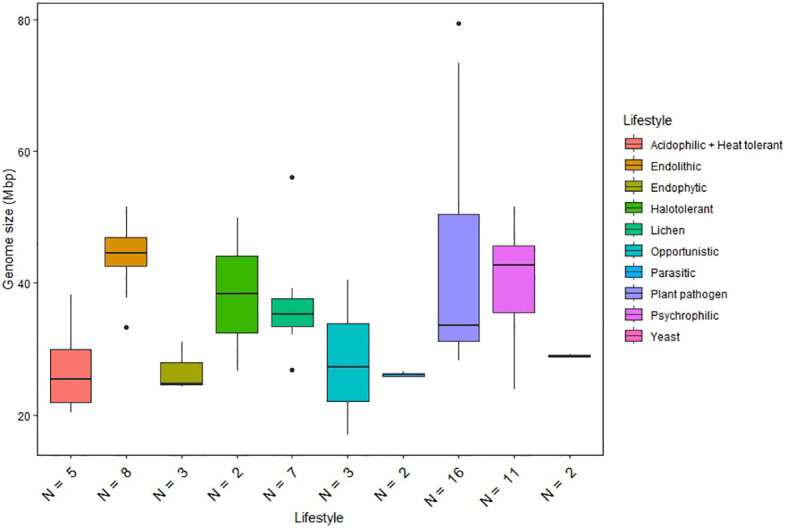
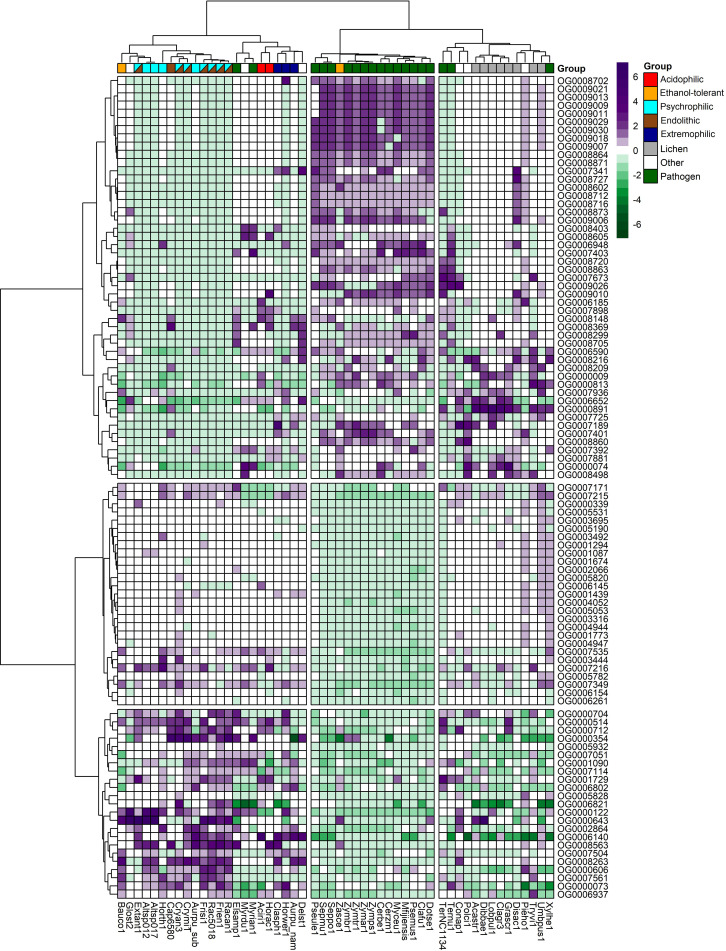
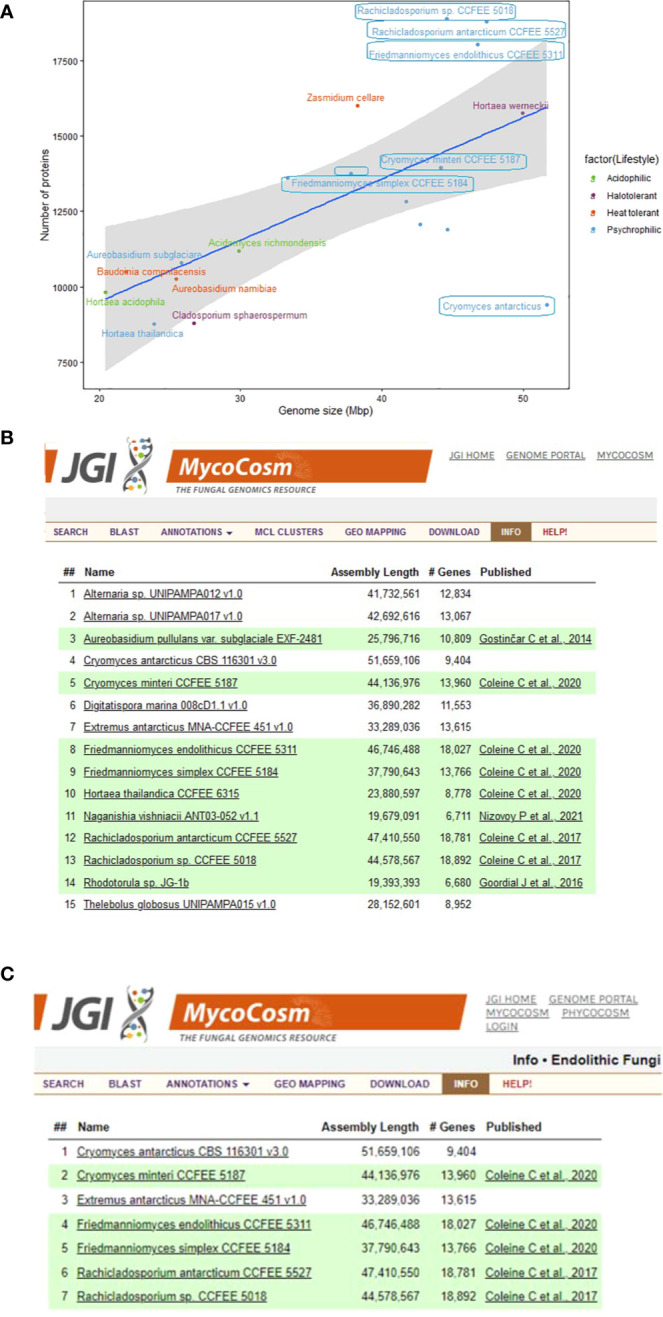
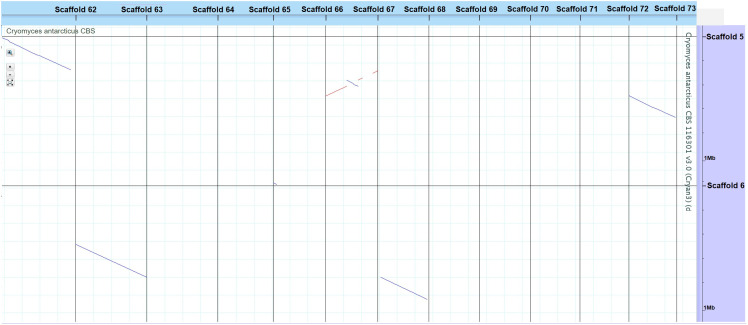
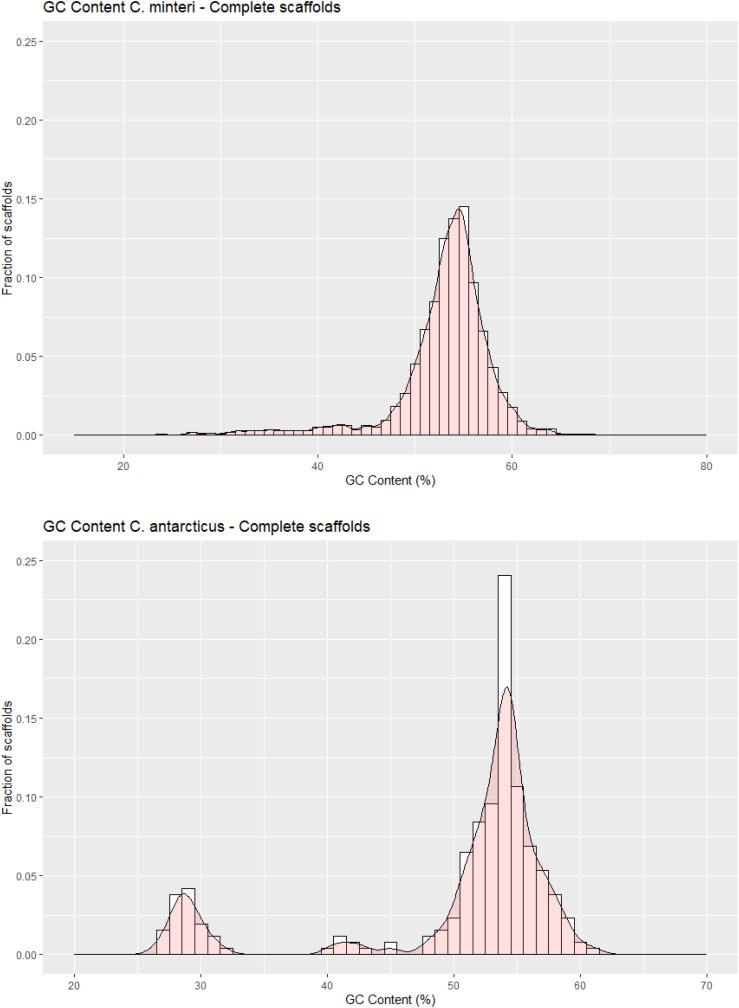
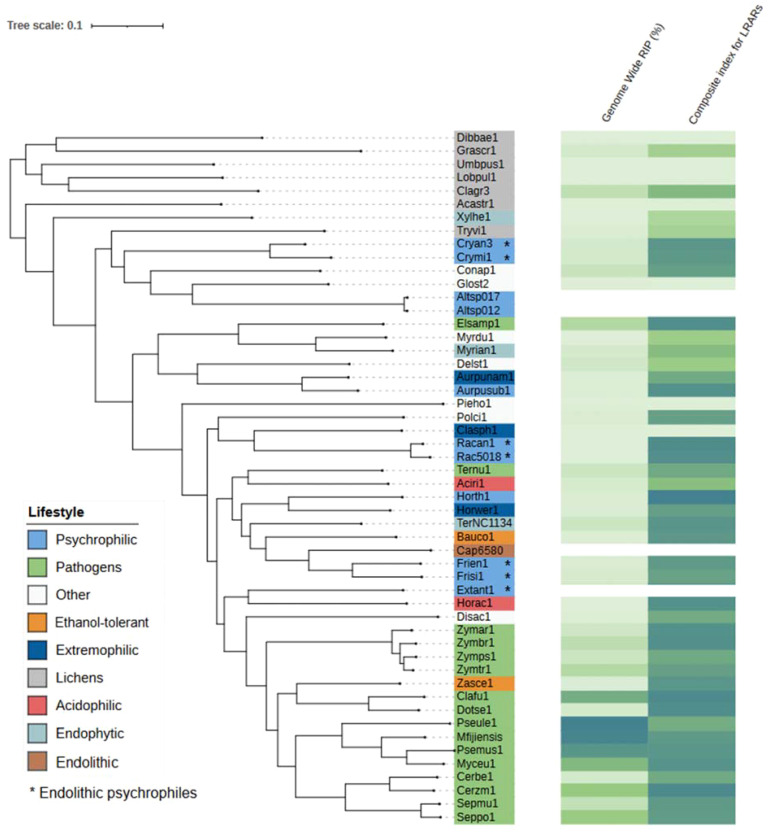
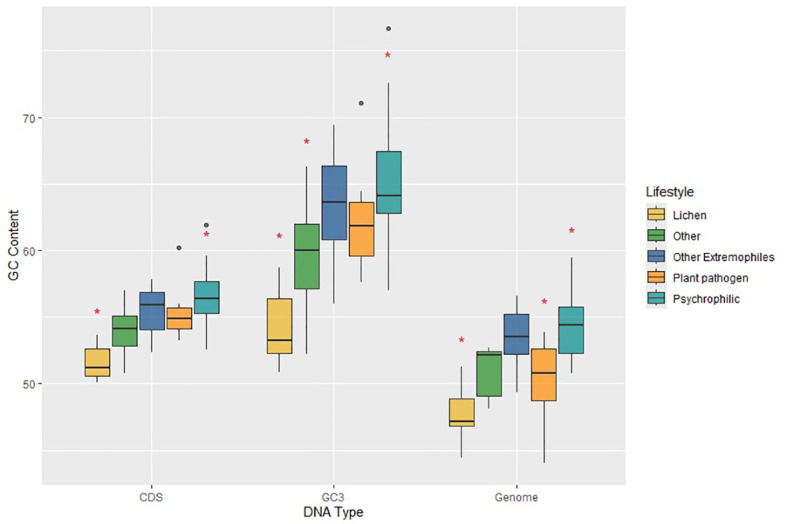
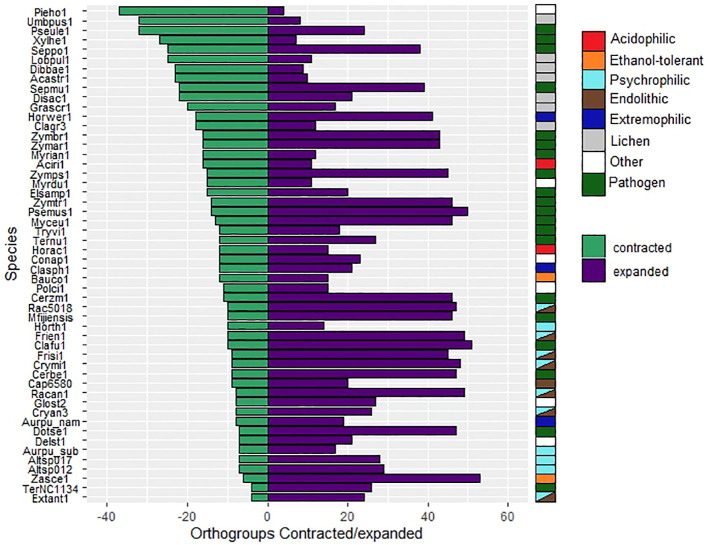
Over a billion years of fungal evolution has enabled representatives of this kingdom to populate almost all parts of planet Earth and to adapt to some of its most uninhabitable environments including extremes of temperature, salinity, pH, water, light, or other sources of radiation. is an endolithic fungus that inhabits rock outcrops in Antarctica. It survives extremes of cold, humidity and solar radiation in one of the least habitable environments on Earth. This fungus is unusual because it produces heavily melanized, meristematic growth and is thought to be haploid and asexual. Due to its growth in the most extreme environment, it has been suggested as an organism that could survive on Mars. However, the mechanisms it uses to achieve its extremophilic nature are not known. Comparative genomics can provide clues to the processes underlying biological diversity, evolution, and adaptation. This effort has been greatly facilitated by the 1000 Fungal Genomes project and the JGI MycoCosm portal where sequenced genomes have been assembled into phylogenetic and ecological groups representing different projects, lifestyles, ecologies, and evolutionary histories. Comparative genomics within and between these groups provides insights into fungal adaptations, for example to extreme environmental conditions. Here, we analyze two genomes in the context of additional psychrophilic fungi, as well as non-psychrophilic fungi with diverse lifestyles selected from the MycoCosm database. This analysis identifies families of genes that are expanded and contracted in and other psychrophiles and may explain their extremophilic lifestyle. Higher GC contents of genes and of bases in the third positions of codons may help to stabilize DNA under extreme conditions. Numerous smaller contigs in suggest the presence of an alternative haplotype that could indicate the sequenced isolate is diploid or dikaryotic. These analyses provide a first step to unraveling the secrets of the extreme lifestyle of .
超过十亿年的真菌进化使这个王国的代表能够遍布地球的几乎所有区域,并适应一些最不适宜居住的环境,包括极端的温度、盐度、酸碱度、水分、光照或其他辐射源。是一种内生真菌,栖息在南极洲的岩石露头中。它在地球上最不适宜居住的环境之一中经受住了极端寒冷、湿度和太阳辐射的考验。这种真菌不同寻常,因为它产生高度黑化的分生组织生长,被认为是单倍体且无性繁殖。由于它在最极端的环境中生长,有人认为它可能是一种能够在火星上生存的生物。然而,它实现极端嗜性的机制尚不清楚。比较基因组学可以为生物多样性、进化和适应背后的过程提供线索。1000个真菌基因组计划和JGI MycoCosm门户极大地推动了这项工作,在这些平台上,已测序的基因组被组装成代表不同项目、生活方式、生态和进化历史的系统发育和生态群体。这些群体内部和之间的比较基因组学为真菌的适应性提供了见解,例如对极端环境条件的适应。在这里,我们在其他嗜冷真菌以及从MycoCosm数据库中选择的具有不同生活方式的非嗜冷真菌的背景下分析了两个基因组。该分析确定了在和其他嗜冷菌中扩增和收缩的基因家族,并可能解释它们的极端嗜性生活方式。基因以及密码子第三位碱基的较高GC含量可能有助于在极端条件下稳定DNA。中的许多较小的重叠群表明存在另一种单倍型,这可能表明测序的分离株是二倍体或双核体。这些分析为揭开极端生活方式的秘密迈出了第一步。