Kao Wei-Chun, Fan Yi-Ling, Hsu Fang-Rong, Shen Chien-Yu, Liao Lun-De
Institute of Biomedical Engineering and Nanomedicine, National Health Research Institutes, 35 Keyan Road, Zhunan Town, Miaoli 350, Taiwan.
Department of Information Engineering and Computer Science, Feng Chia University, Taichung 407, Taiwan.
Heliyon. 2024 Jul 31;10(18):e35484. doi: 10.1016/j.heliyon.2024.e35484. eCollection 2024 Sep 30.
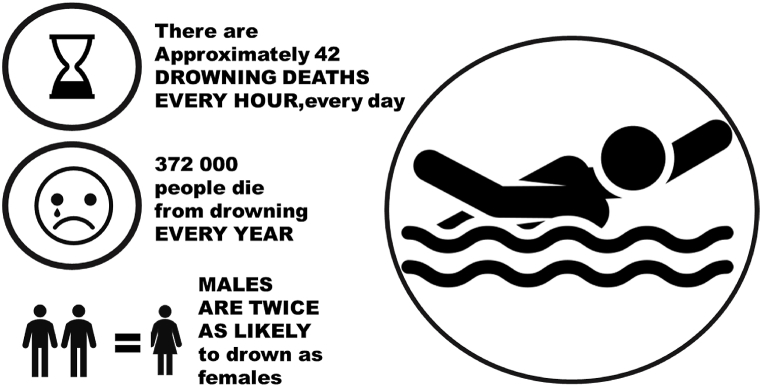
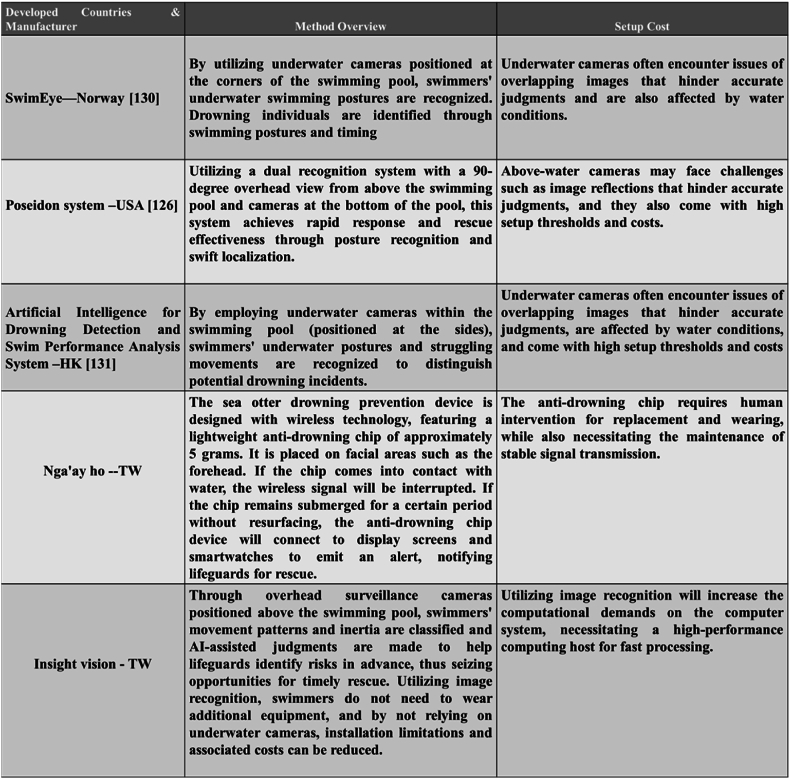
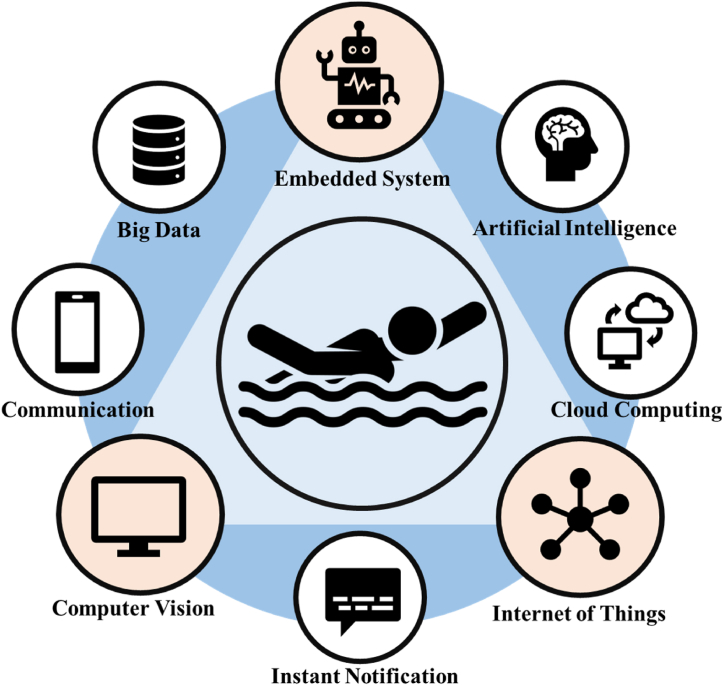
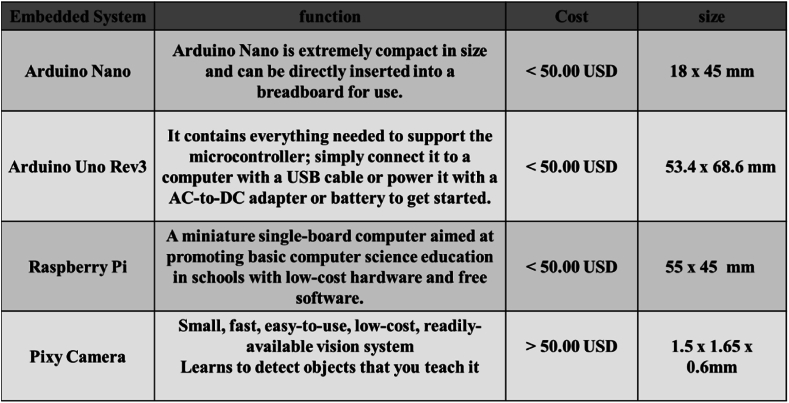
Drowning, as a leading cause of unintentional injury-related deaths worldwide, is a major public health concern. Swimming pool drowning is the main cause of most drowning incidents, and even with preventive measures such as surveillance cameras and lifeguards, tens of thousands of lives are lost to drowning every year. To address this issue, technology is being utilized to prevent drowning accidents and provide timely alerts for rescue. This paper explores the use of drowning prevention technology in embedded systems within enclosed environments, artificial intelligence (AI), and the Internet of Things (IoT) to decrease the likelihood of drowning incidents. Embedded systems play a critical role in such technology, enabling real-time monitoring, identification of dangerous situations, and prompt alerting. Due to their ease of installation and technical implementation, embedded devices are especially effective as drowning prevention devices. The image recognition capabilities of drowning prevention systems are enhanced through computer vision. Swimming pool drowning situations can be identified with the help of cameras and deep learning technologies, thereby increasing rescue efficiency. Finally, the IoT endows drowning prevention systems with comprehensive intelligence by connecting various devices and communication tools. Real-time alert transmission and analysis have become possible, enabling the early prediction of dangerous situations and the implementation of preventive measures, significantly reducing drowning incidents. In summary, the integration of these three types of drowning prevention technologies represents significant progress. The flexibility, accuracy, and intelligence of drowning prevention systems are enhanced through the incorporation of these technologies, providing robust support for safeguarding human lives and thus potentially saving tens of thousands of lives each year.
溺水作为全球意外伤害相关死亡的主要原因,是一个重大的公共卫生问题。游泳池溺水是大多数溺水事件的主要原因,即使有监控摄像头和救生员等预防措施,每年仍有成千上万人死于溺水。为了解决这个问题,人们正在利用技术来预防溺水事故并提供及时的救援警报。本文探讨了在封闭环境中的嵌入式系统、人工智能(AI)和物联网(IoT)中使用溺水预防技术,以降低溺水事件的发生可能性。嵌入式系统在这类技术中起着关键作用,能够进行实时监测、识别危险情况并及时发出警报。由于其易于安装和技术实施,嵌入式设备作为溺水预防设备特别有效。通过计算机视觉增强了溺水预防系统的图像识别能力。借助摄像头和深度学习技术可以识别游泳池溺水情况,从而提高救援效率。最后,物联网通过连接各种设备和通信工具赋予溺水预防系统全面的智能。实时警报传输和分析成为可能,能够对危险情况进行早期预测并实施预防措施,显著减少溺水事件。总之,这三种溺水预防技术的整合代表了重大进展。通过纳入这些技术,溺水预防系统的灵活性、准确性和智能性得到增强,为保护人类生命提供了有力支持,从而每年有可能挽救成千上万人的生命。