Chien Chun, He Kaikai, Perry Sarah, Tchitchkan Elizabeth, Han Yifu, Li Xiling, Dickman Dion
University of Southern California, Department of Neurobiology, Los Angeles, CA USA.
USC Neuroscience Graduate Program.
bioRxiv. 2024 Sep 12:2024.09.10.612361. doi: 10.1101/2024.09.10.612361.
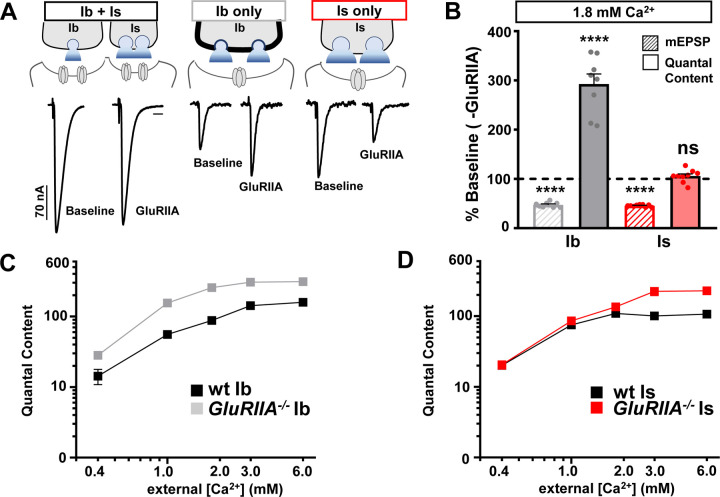
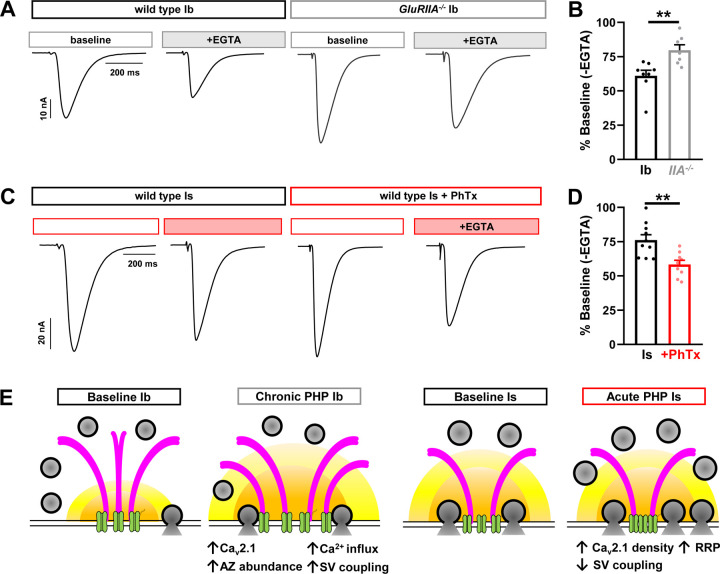
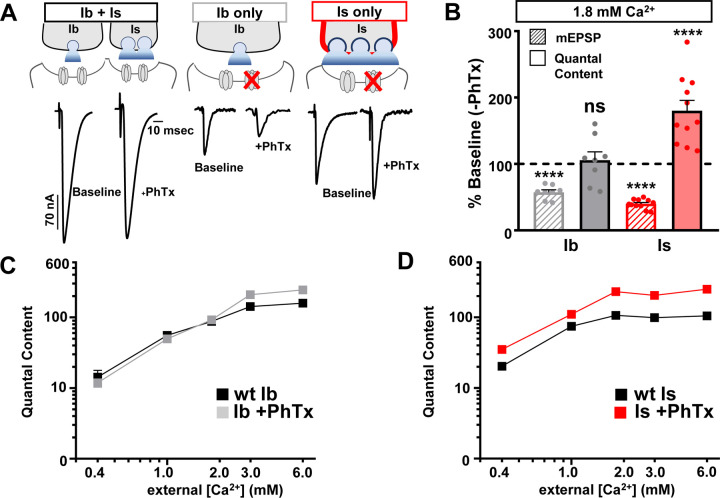
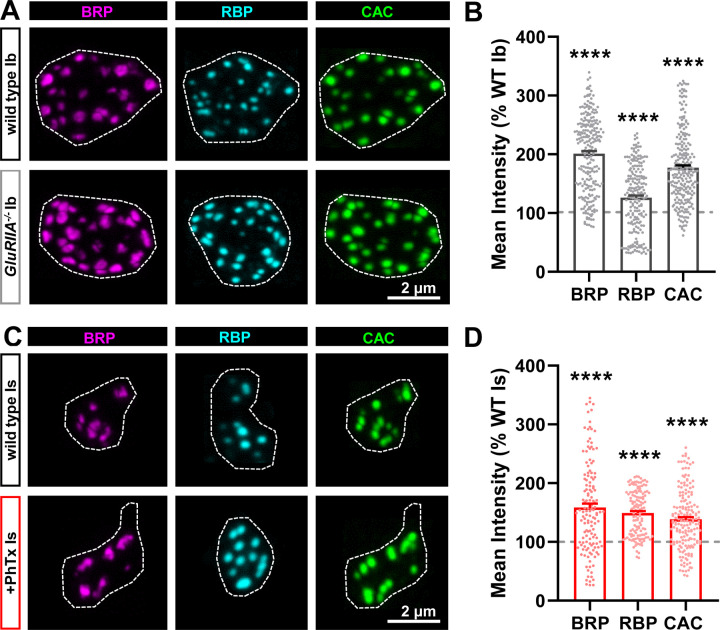
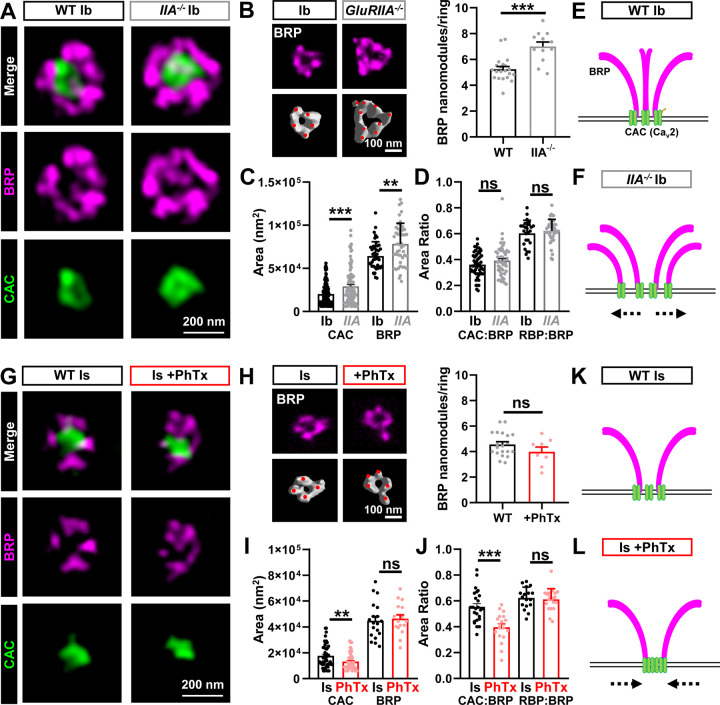
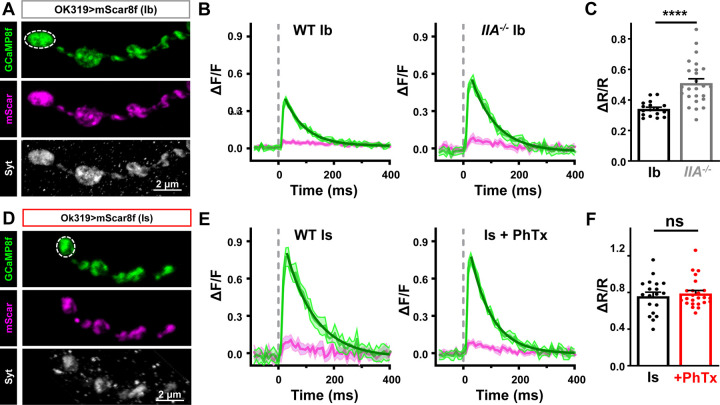
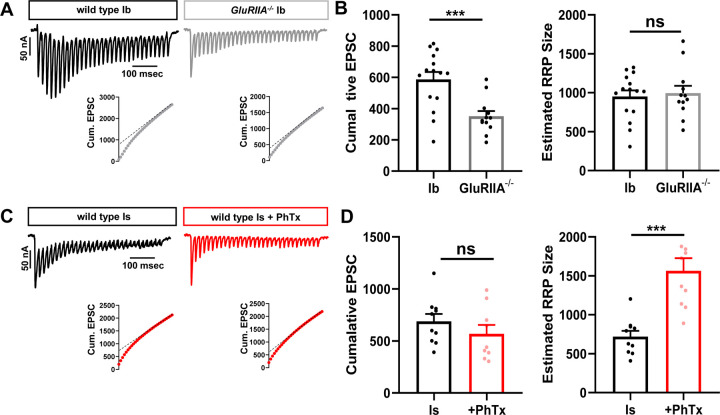
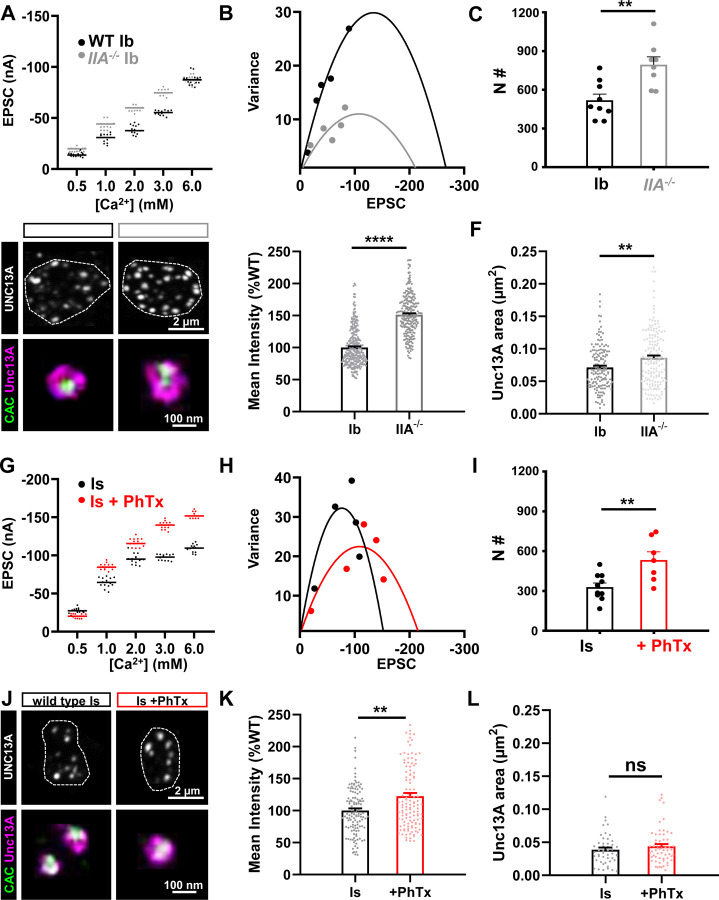
Synapses are endowed with the flexibility to change through experience, but must be sufficiently stable to last a lifetime. This tension is illustrated at the neuromuscular junction (NMJ), where two motor inputs that differ in structural and functional properties co-innervate most muscles to coordinate locomotion. To stabilize NMJ activity, motor neurons augment neurotransmitter release following diminished postsynaptic glutamate receptor functionality, termed presynaptic homeostatic potentiation (PHP). How these distinct inputs contribute to PHP plasticity remains enigmatic. We have used a botulinum neurotoxin to selectively silence each input and resolve their roles in PHP, demonstrating that PHP is input-specific: Chronic (genetic) PHP selectively targets the tonic MN-Ib, where active zone remodeling enhances Ca influx to promote increased glutamate release. In contrast, acute (pharmacological) PHP selectively increases vesicle pools to potentiate phasic MN-Is. Thus, distinct homeostatic modulations in active zone nanoarchitecture, vesicle pools, and Ca influx collaborate to enable input-specific PHP expression.
突触具有通过经验改变的灵活性,但必须足够稳定以维持一生。这种矛盾在神经肌肉接头(NMJ)中得到体现,在那里,两个结构和功能特性不同的运动输入共同支配大多数肌肉以协调运动。为了稳定神经肌肉接头的活动,运动神经元在突触后谷氨酸受体功能减弱后增加神经递质释放,这被称为突触前稳态增强(PHP)。这些不同的输入如何促成PHP可塑性仍然是个谜。我们使用肉毒杆菌神经毒素选择性地使每个输入沉默,并解析它们在PHP中的作用,证明PHP是输入特异性的:慢性(遗传性)PHP选择性地靶向紧张性MN-Ib,其中活性区重塑增强钙内流以促进谷氨酸释放增加。相比之下,急性(药理学)PHP选择性地增加囊泡池以增强相位性MN-Is。因此,活性区纳米结构、囊泡池和钙内流中不同的稳态调节共同作用,以实现输入特异性的PHP表达。