GlycoProteomics Laboratory, Department of Parasitology, Institute of Biomedical Sciences, University of São Paulo, São Paulo, Brazil.
Department of Genetics and Evolutionary Biology, Institute of Biosciences, University of São Paulo, São Paulo, Brazil.
PLoS Negl Trop Dis. 2024 Sep 25;18(9):e0012454. doi: 10.1371/journal.pntd.0012454. eCollection 2024 Sep.
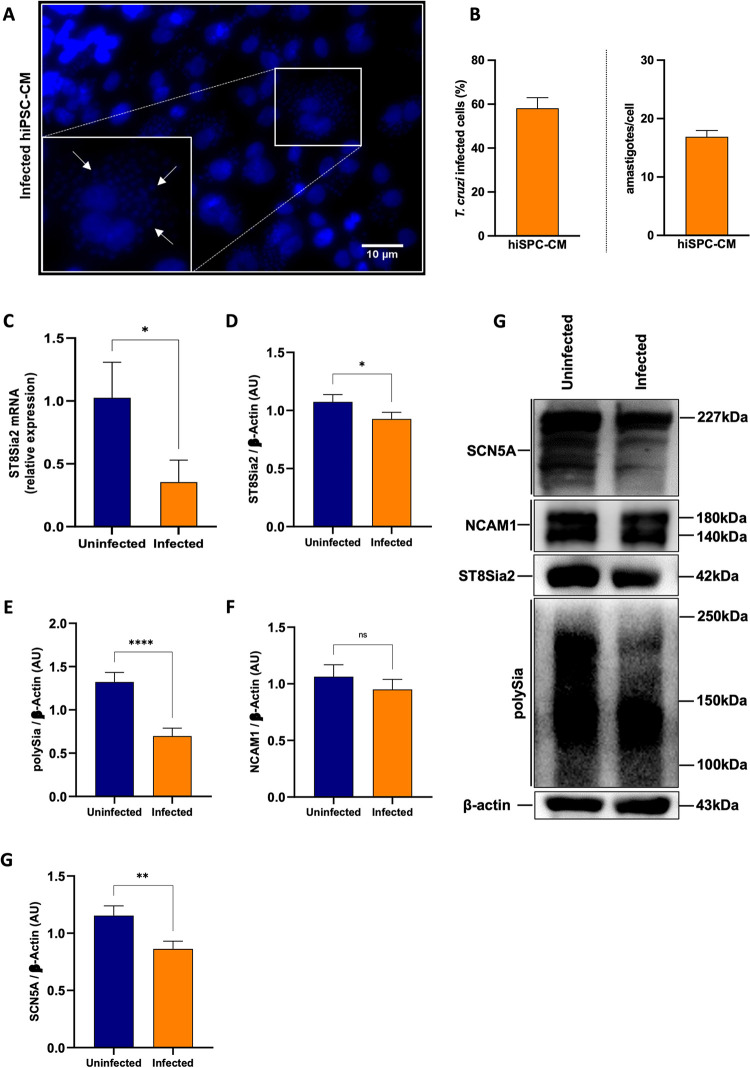
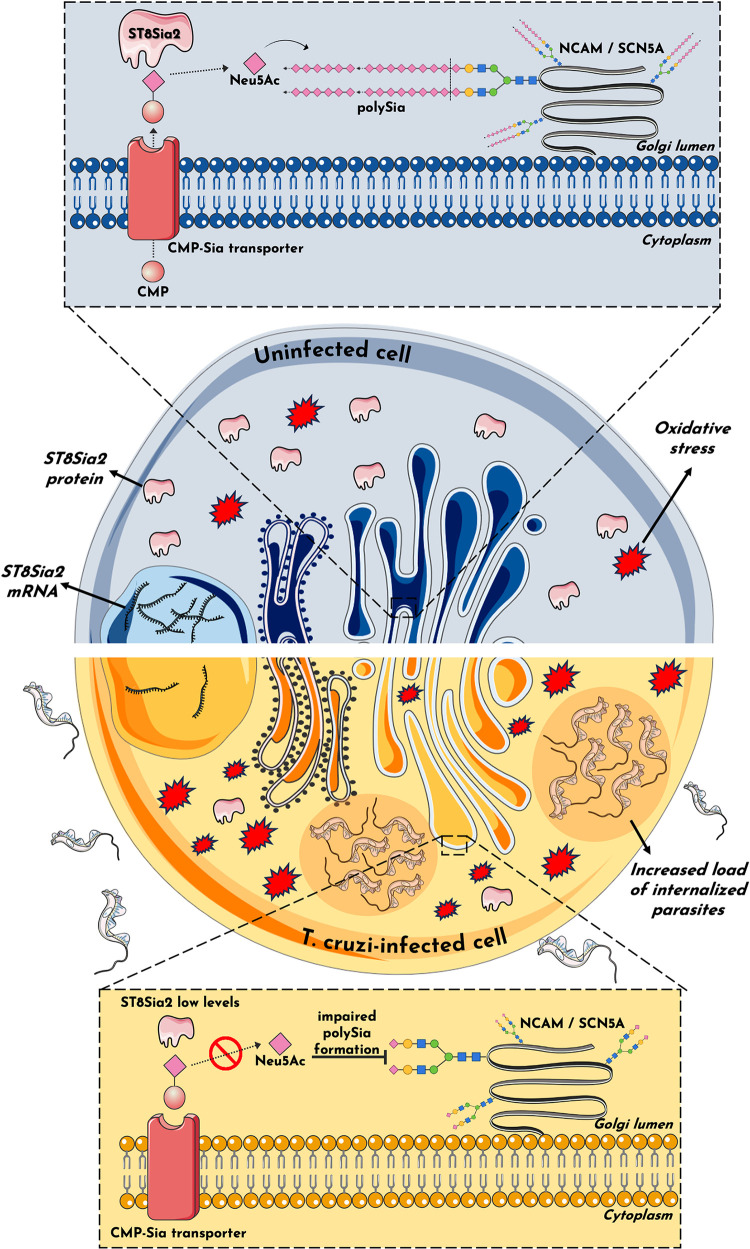
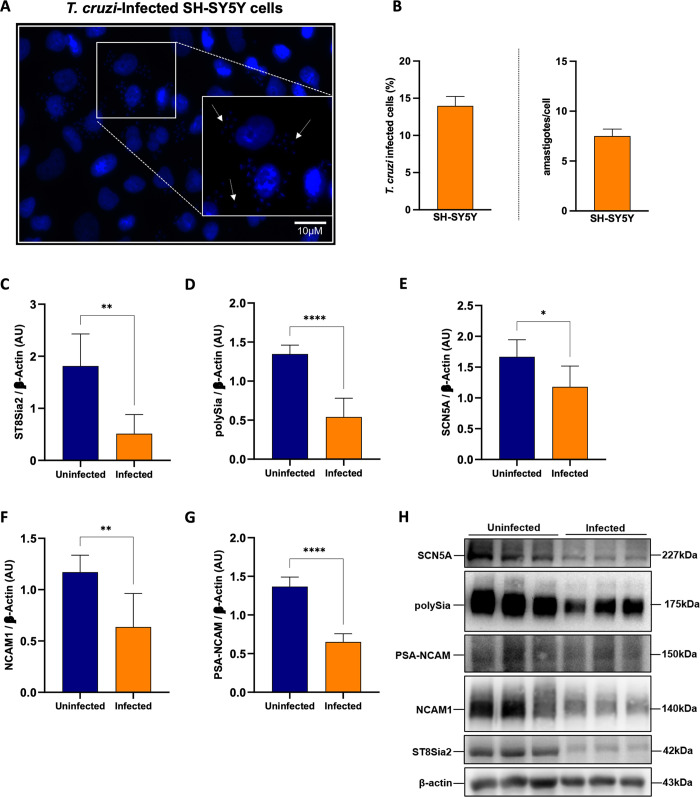
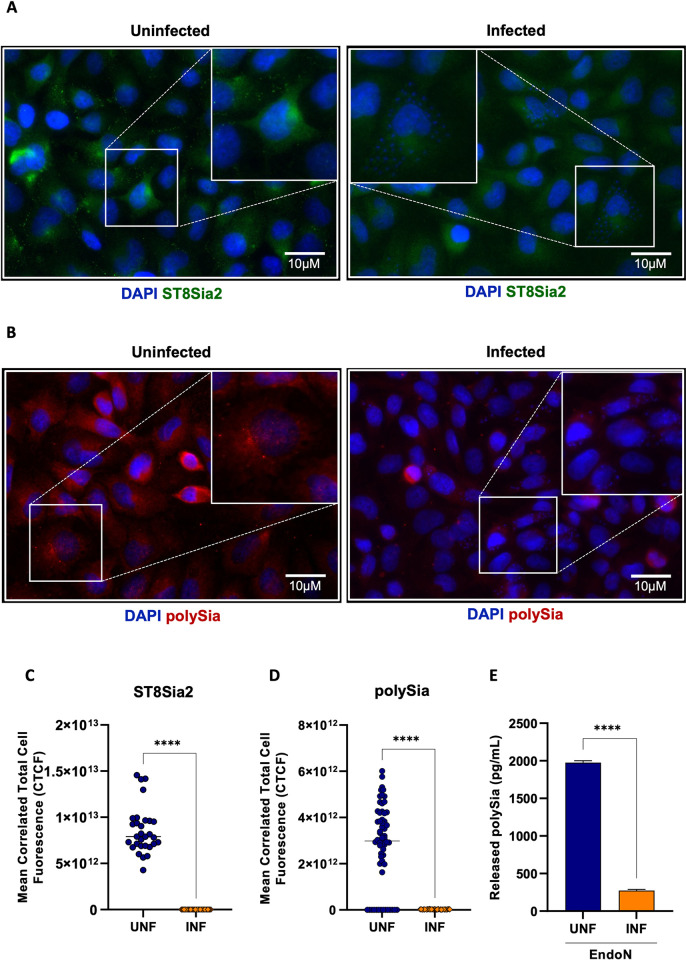
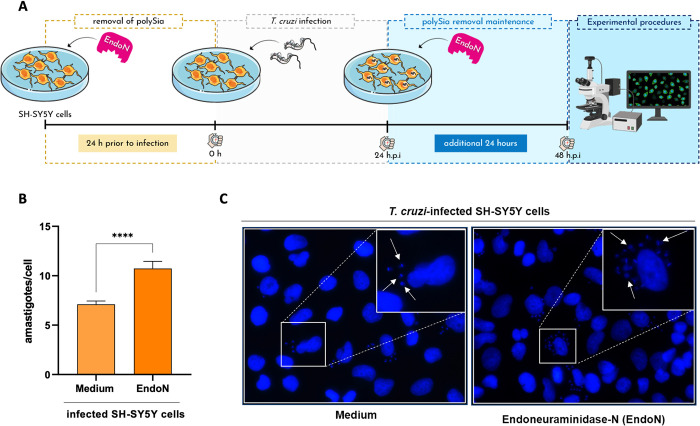
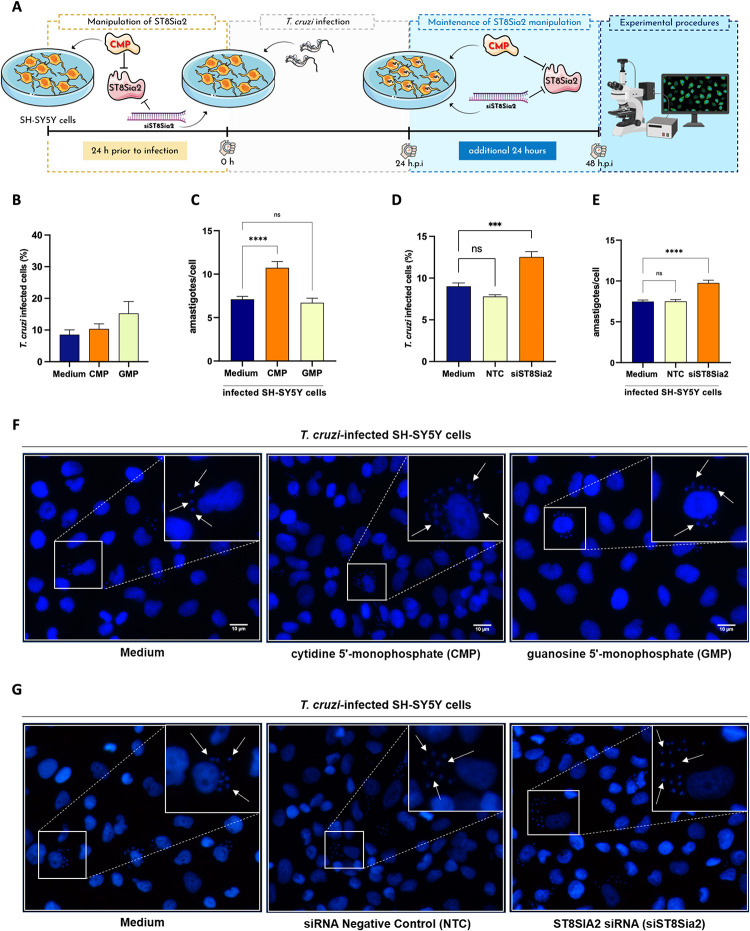
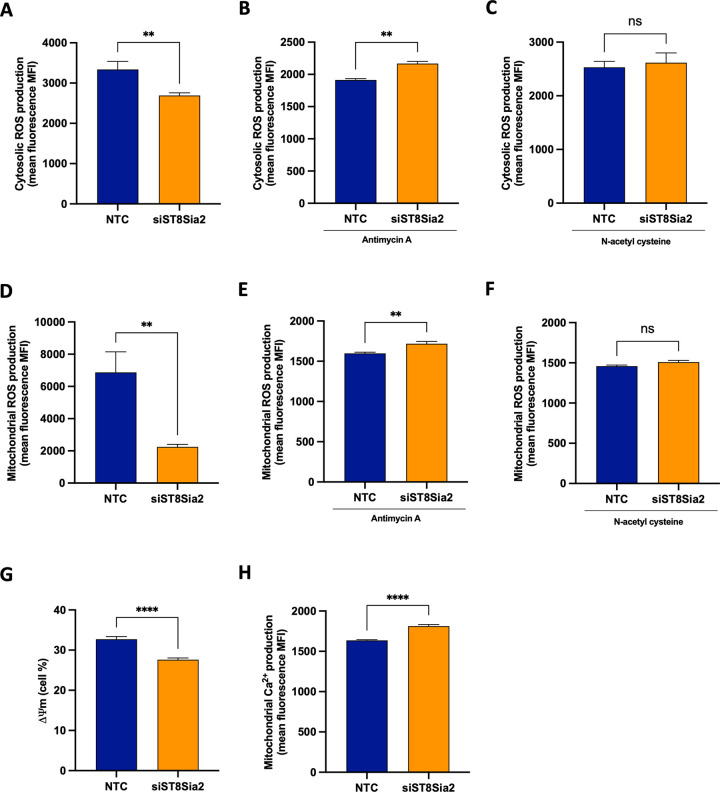
Glycosylation is one of the most structurally and functionally diverse co- and post-translational modifications in a cell. Addition and removal of glycans, especially to proteins and lipids, characterize this process which has important implications in several biological processes. In mammals, the repeated enzymatic addition of a sialic acid unit to underlying sialic acids (Sia) by polysialyltransferases, including ST8Sia2, leads to the formation of a sugar polymer called polysialic acid (polySia). The functional relevance of polySia has been extensively demonstrated in the nervous system. However, the role of polysialylation in infection is still poorly explored. Previous reports have shown that Trypanosoma cruzi (T. cruzi), a flagellated parasite that causes Chagas disease (CD), changes host sialylation of glycoproteins. To understand the role of host polySia during T. cruzi infection, we used a combination of in silico and experimental tools. We observed that T. cruzi reduces both the expression of the ST8Sia2 and the polysialylation of target substrates. We also found that chemical and genetic inhibition of host ST8Sia2 increased the parasite load in mammalian cells. We found that modulating host polysialylation may induce oxidative stress, creating a microenvironment that favors T. cruzi survival and infection. These findings suggest a novel approach to interfere with parasite infections through modulation of host polysialylation.
糖基化是细胞中最具结构和功能多样性的翻译后修饰之一。糖链的添加和去除,特别是蛋白质和脂质上的糖基化,是这个过程的特征,它对许多生物过程有重要影响。在哺乳动物中,通过多涎酰转移酶(包括 ST8Sia2)将唾液酸单元重复添加到基础唾液酸(Sia)上,导致形成一种称为多唾液酸(polySia)的糖聚合物。polySia 在神经系统中的功能相关性已得到广泛证实。然而,多糖基化在感染中的作用仍未得到充分探索。先前的报告表明,引起恰加斯病(CD)的鞭毛寄生虫克氏锥虫(T. cruzi)会改变宿主糖蛋白的唾液酸化。为了了解宿主 polySia 在 T. cruzi 感染过程中的作用,我们结合使用了计算机模拟和实验工具。我们观察到 T. cruzi 降低了 ST8Sia2 的表达和靶底物的多糖基化。我们还发现,宿主 ST8Sia2 的化学和遗传抑制增加了哺乳动物细胞中的寄生虫载量。我们发现,调节宿主多糖基化可能会诱导氧化应激,创造有利于 T. cruzi 存活和感染的微环境。这些发现表明,通过调节宿主多糖基化来干扰寄生虫感染是一种新的方法。