Institute of Bioengineering, École Polytechnique Fédérale de Lausanne (EPFL), Lausanne, Switzerland.
Institute of Materials Science and Engineering, EPFL, Lausanne, Switzerland.
Nature. 2024 Oct;634(8034):712-720. doi: 10.1038/s41586-024-07962-4. Epub 2024 Sep 25.
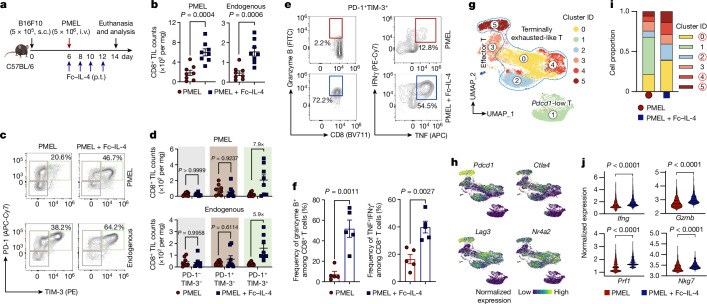
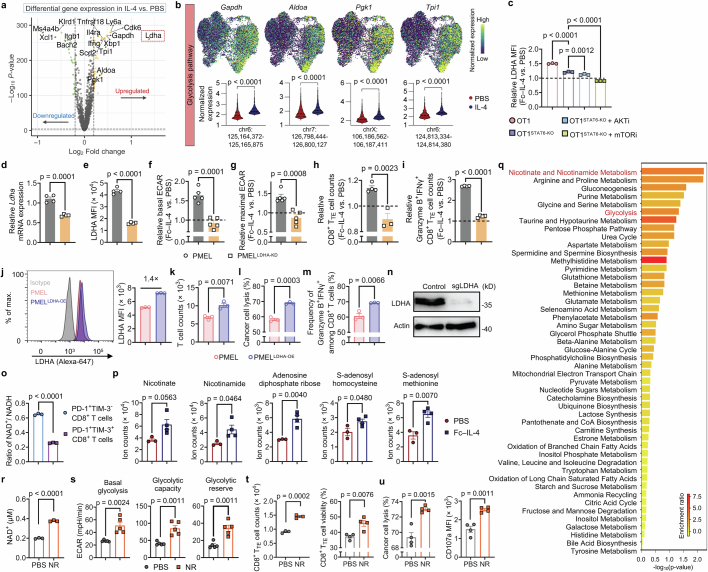
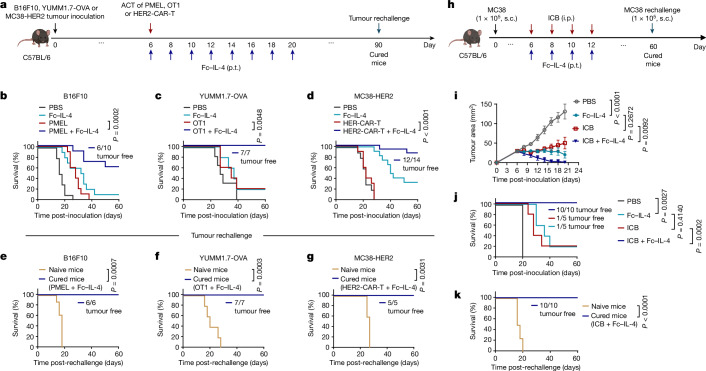
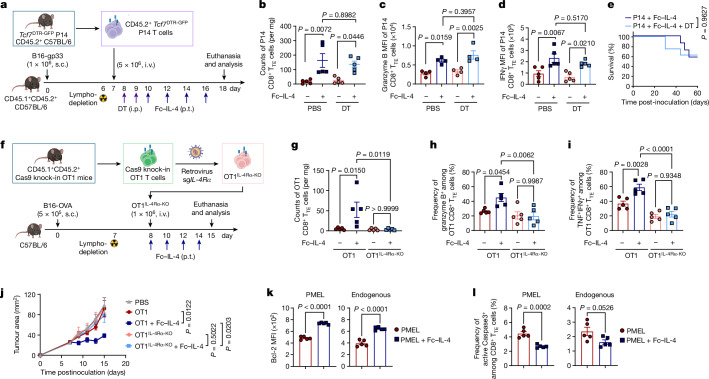
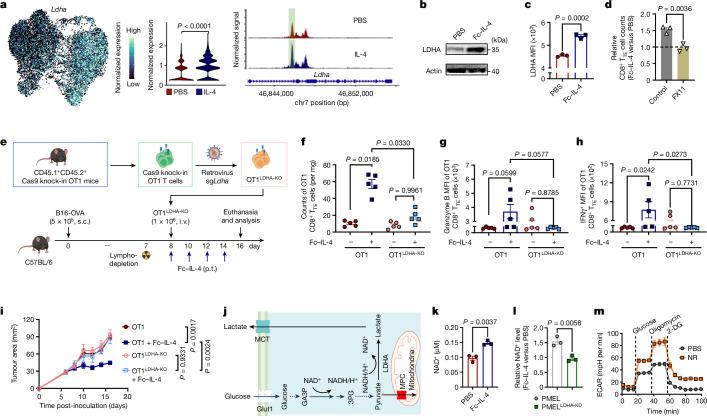
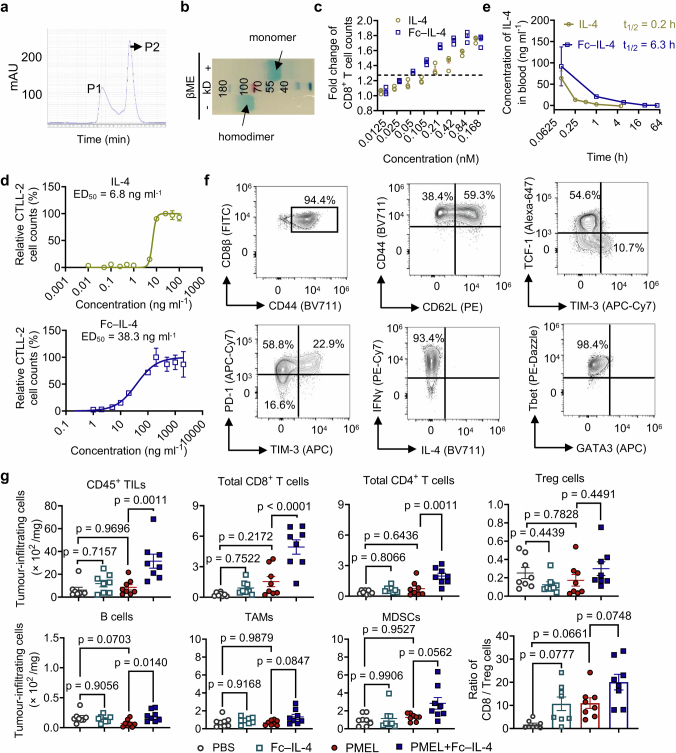
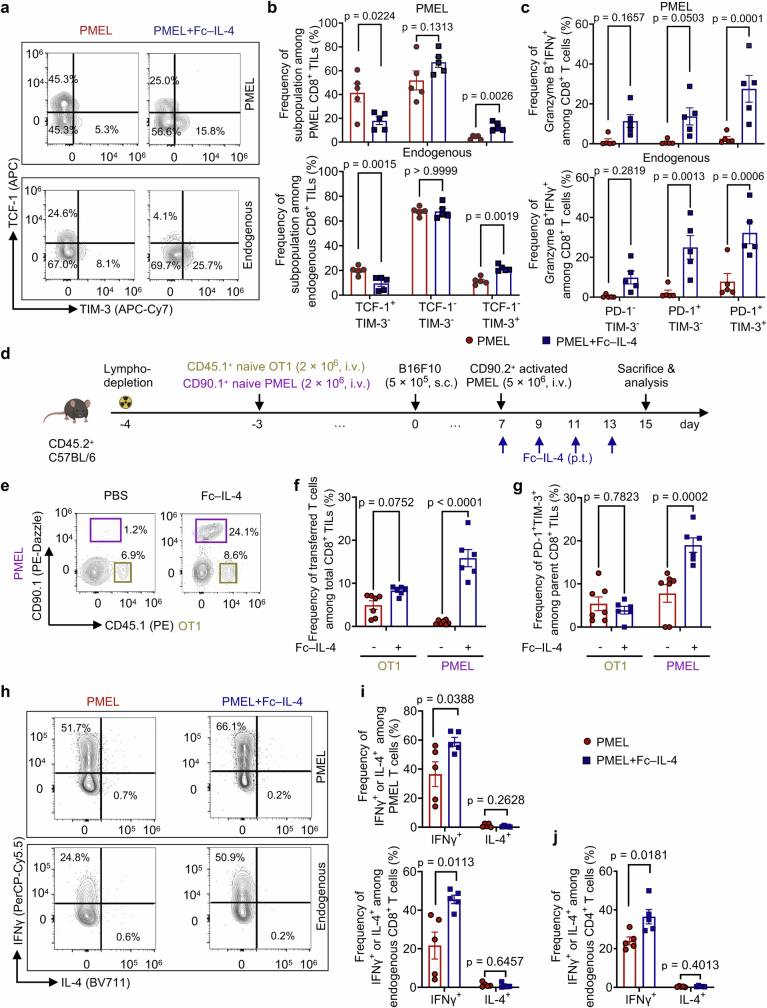
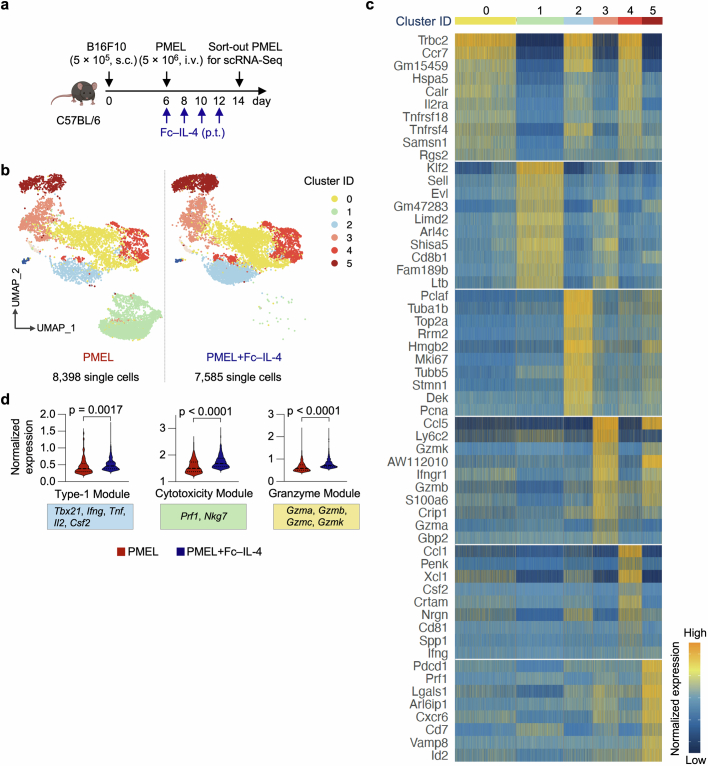
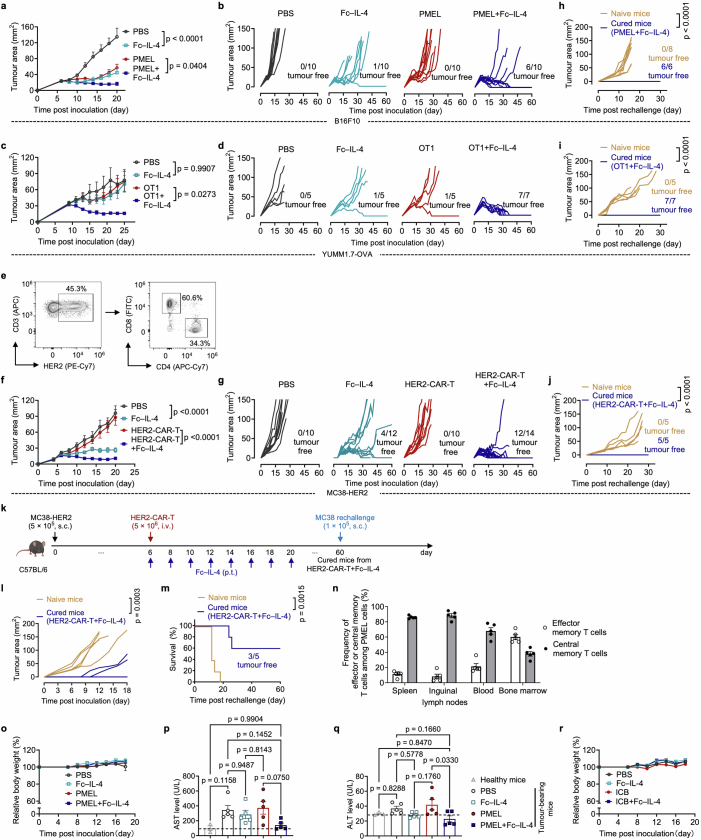
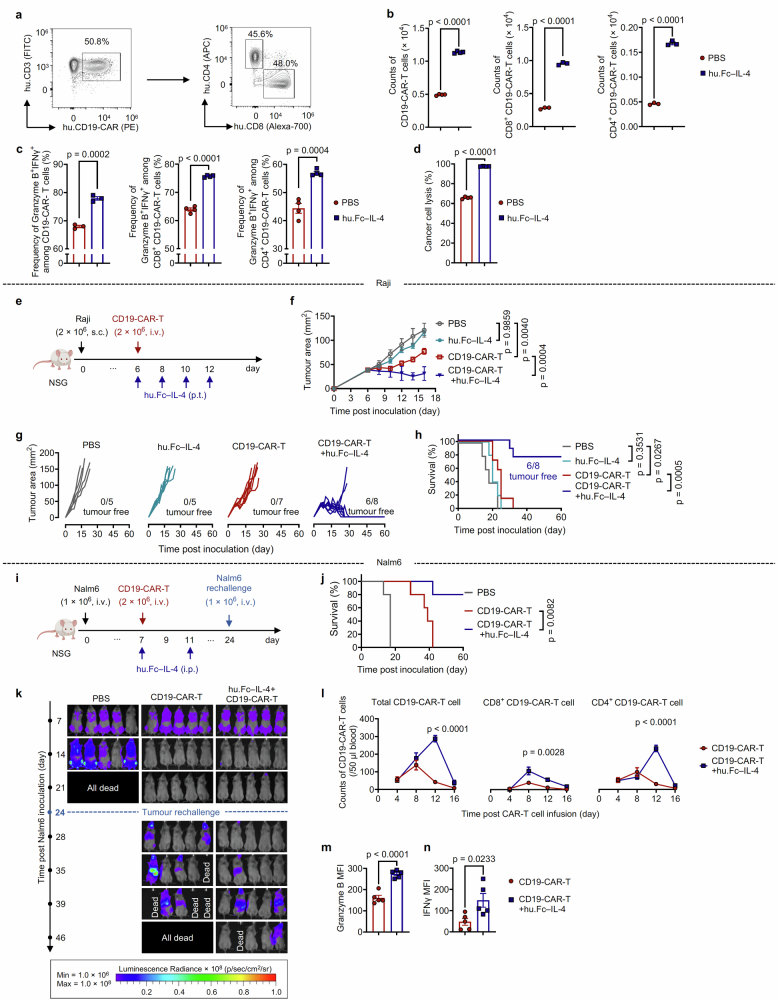
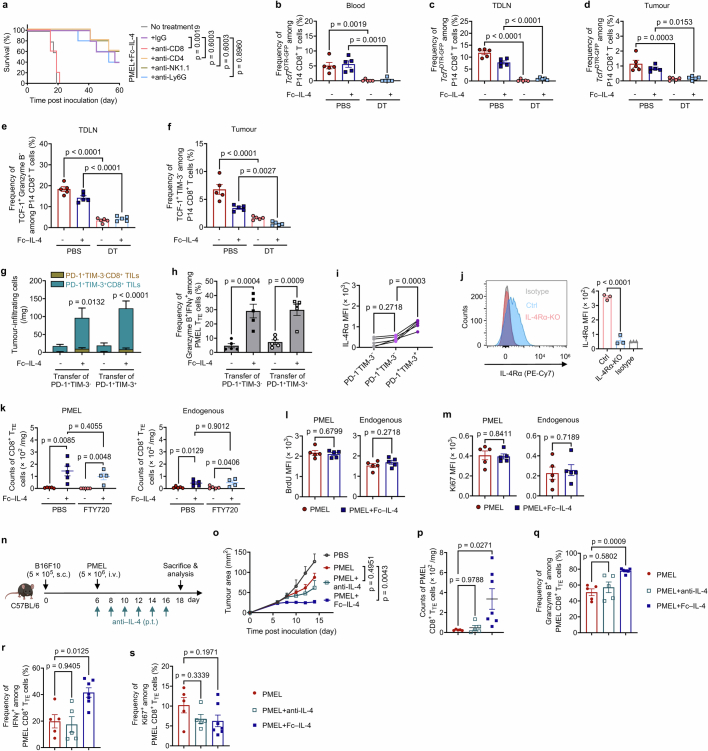
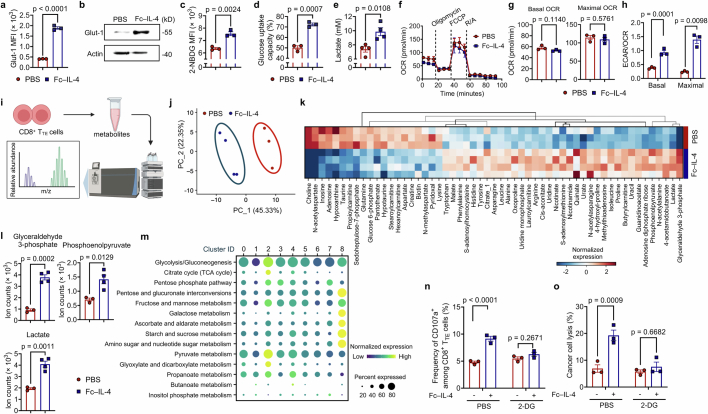
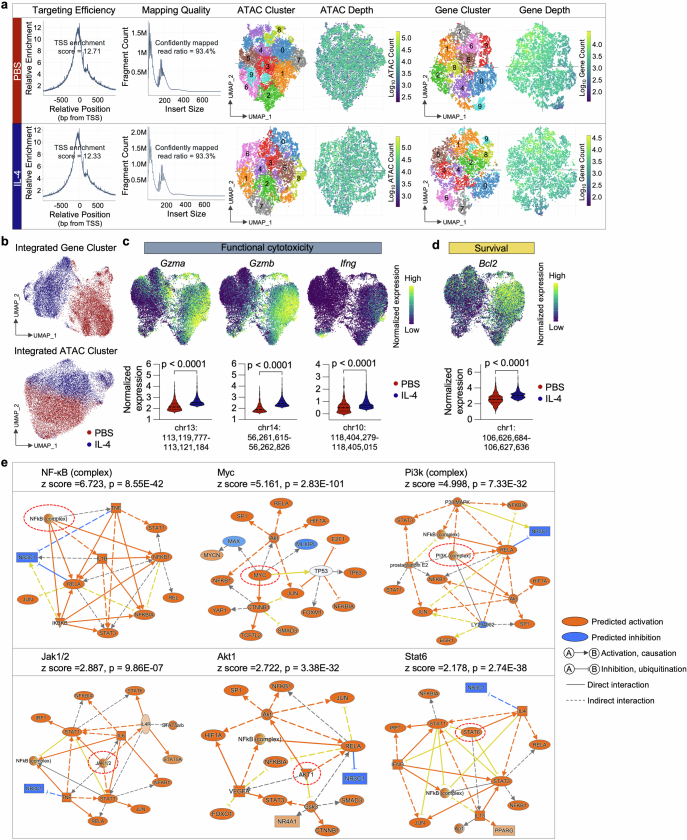
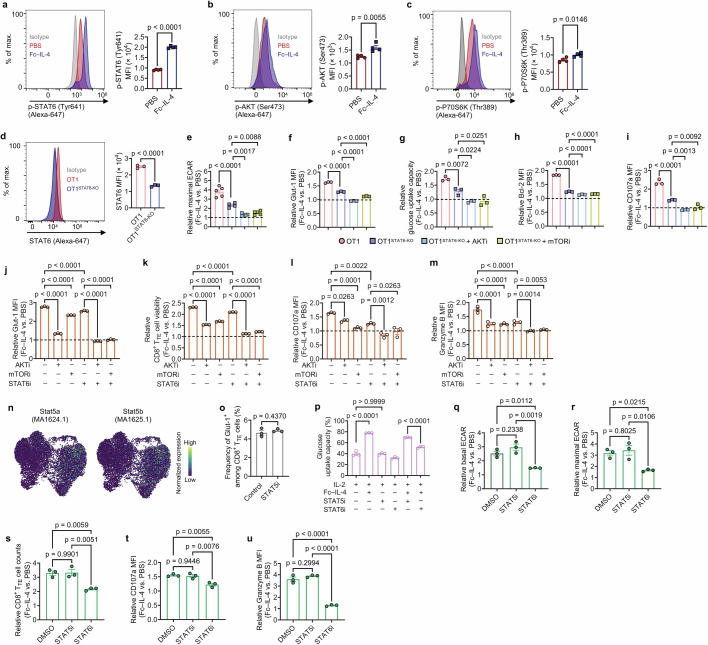
Current cancer immunotherapy predominately focuses on eliciting type 1 immune responses fighting cancer; however, long-term complete remission remains uncommon. A pivotal question arises as to whether type 2 immunity can be orchestrated alongside type 1-centric immunotherapy to achieve enduring response against cancer. Here we show that an interleukin-4 fusion protein (Fc-IL-4), a typical type 2 cytokine, directly acts on CD8 T cells and enriches functional terminally exhausted CD8 T (CD8 T) cells in the tumour. Consequently, Fc-IL-4 enhances antitumour efficacy of type 1 immunity-centric adoptive T cell transfer or immune checkpoint blockade therapies and induces durable remission across several syngeneic and xenograft tumour models. Mechanistically, we discovered that Fc-IL-4 signals through both signal transducer and activator of transcription 6 (STAT6) and mammalian target of rapamycin (mTOR) pathways, augmenting the glycolytic metabolism and the nicotinamide adenine dinucleotide (NAD) concentration of CD8 T cells in a lactate dehydrogenase A-dependent manner. The metabolic modulation mediated by Fc-IL-4 is indispensable for reinvigorating intratumoural CD8 T cells. These findings underscore Fc-IL-4 as a potent type 2 cytokine-based immunotherapy that synergizes effectively with type 1 immunity to elicit long-lasting responses against cancer. Our study not only sheds light on the synergy between these two types of immune responses, but also unveils an innovative strategy for advancing next-generation cancer immunotherapy by integrating type 2 immune factors.
当前的癌症免疫疗法主要侧重于引发对抗癌症的 1 型免疫反应;然而,长期完全缓解仍然不常见。一个关键问题是,是否可以在以 1 型为中心的免疫疗法的基础上协调 2 型免疫,以实现对癌症的持久反应。在这里,我们表明白细胞介素 4 融合蛋白(Fc-IL-4),一种典型的 2 型细胞因子,直接作用于 CD8 T 细胞,并在肿瘤中富集功能性终末耗竭的 CD8 T(CD8 T)细胞。因此,Fc-IL-4 增强了以 1 型免疫为中心的过继性 T 细胞转移或免疫检查点阻断疗法的抗肿瘤疗效,并在几种同种异体和异种移植肿瘤模型中诱导持久缓解。在机制上,我们发现 Fc-IL-4 通过信号转导和转录激活因子 6(STAT6)和哺乳动物雷帕霉素靶蛋白(mTOR)途径发出信号,以依赖于乳酸脱氢酶 A 的方式增强 CD8 T 细胞的糖酵解代谢和烟酰胺腺嘌呤二核苷酸(NAD)浓度。Fc-IL-4 介导的代谢调节对于重新激活肿瘤内 CD8 T 细胞是必不可少的。这些发现强调了 Fc-IL-4 作为一种有效的 2 型细胞因子免疫疗法,与 1 型免疫协同作用,引发对癌症的持久反应。我们的研究不仅阐明了这两种免疫反应之间的协同作用,而且还揭示了一种通过整合 2 型免疫因子来推进下一代癌症免疫疗法的创新策略。