Department of Food Processing and Preservation, Institute of Food Research and Product Development, Kasetsart University, Chatuchak, Bangkok, 10900, Thailand.
Department of Food Chemistry and Physics, Institute of Food Research and Product Development, Kasetsart University, Chatuchak, Bangkok, 10900, Thailand.
Sci Rep. 2024 Sep 27;14(1):22193. doi: 10.1038/s41598-024-73819-5.
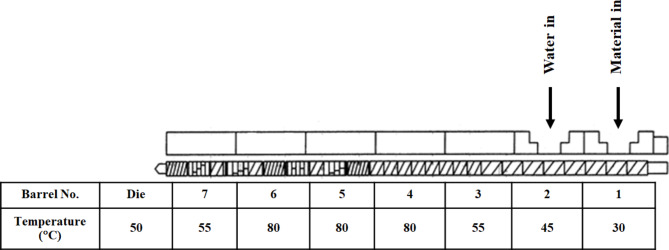
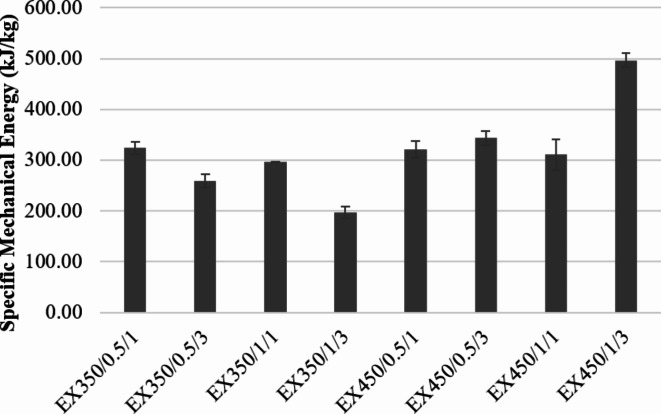
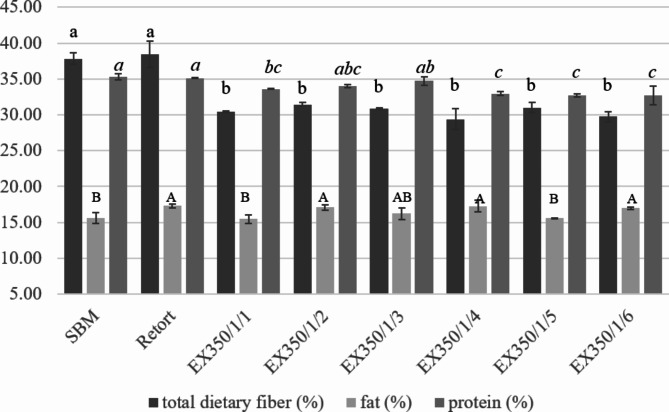
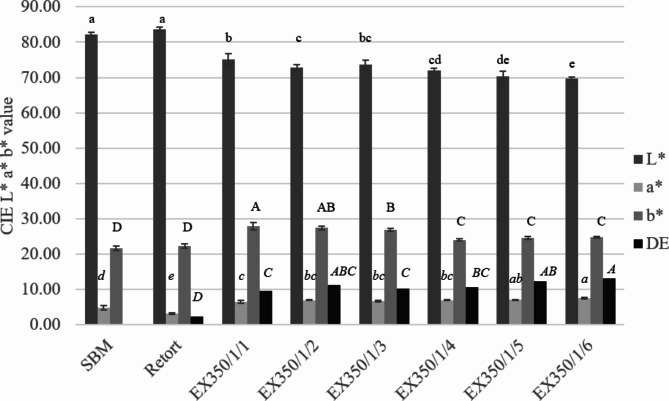
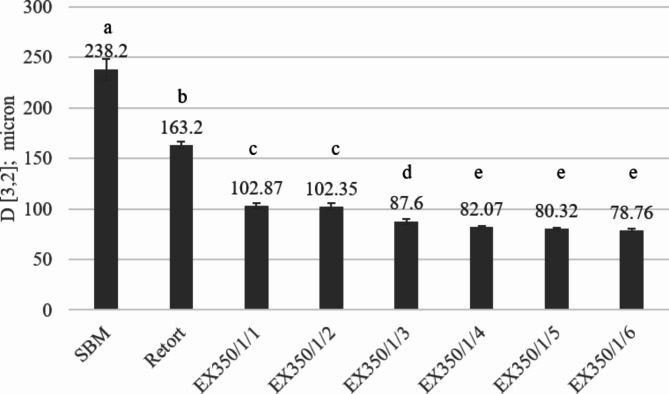
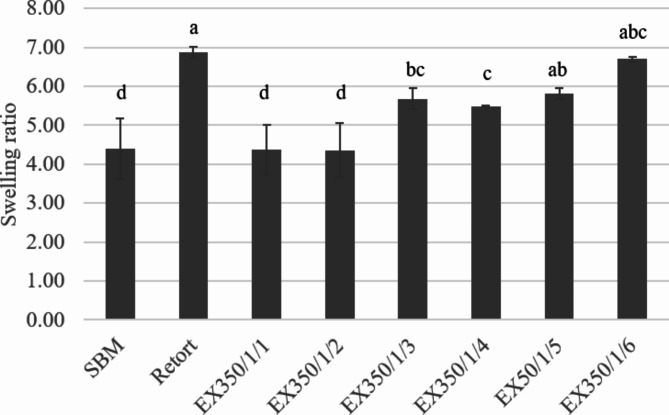
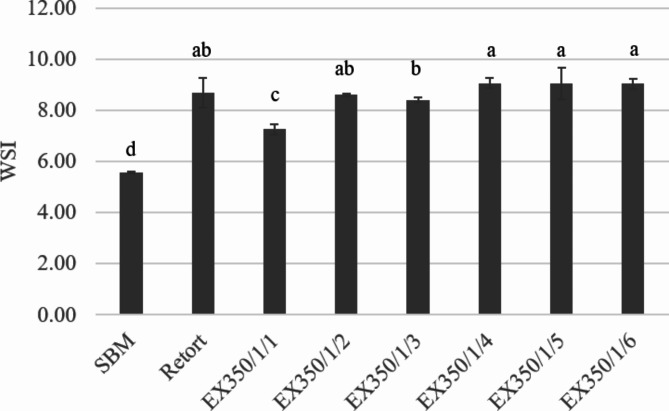
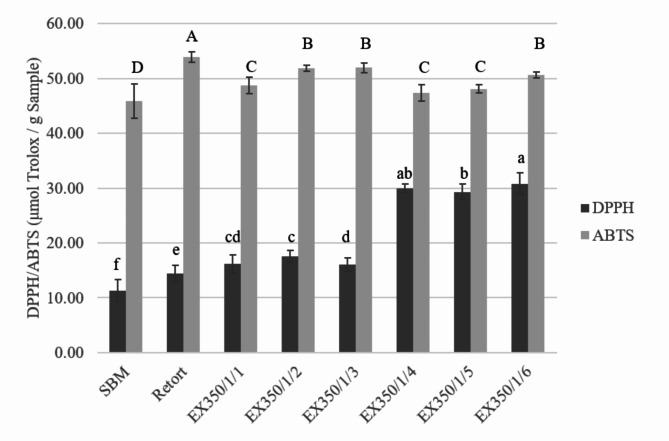
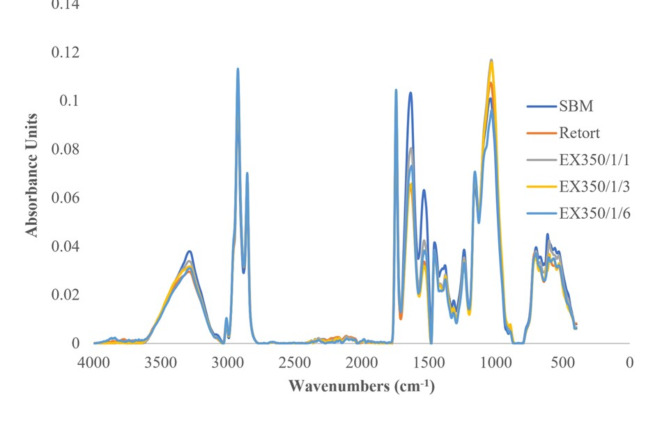
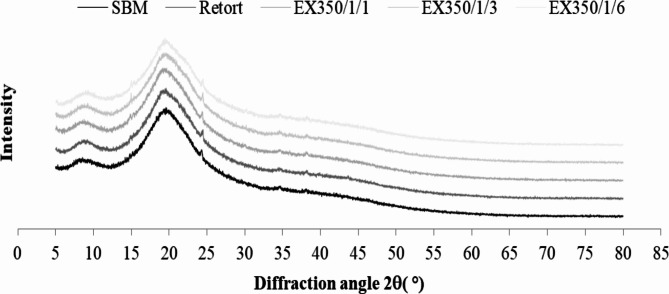
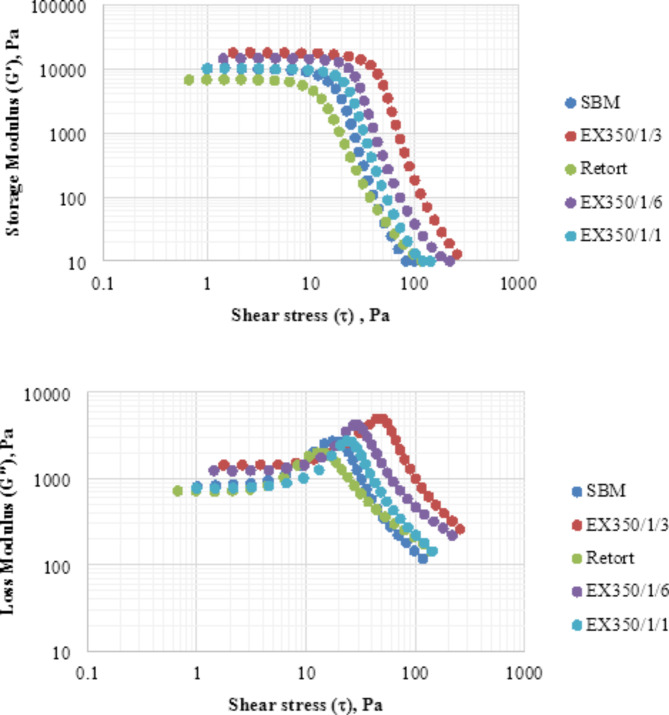
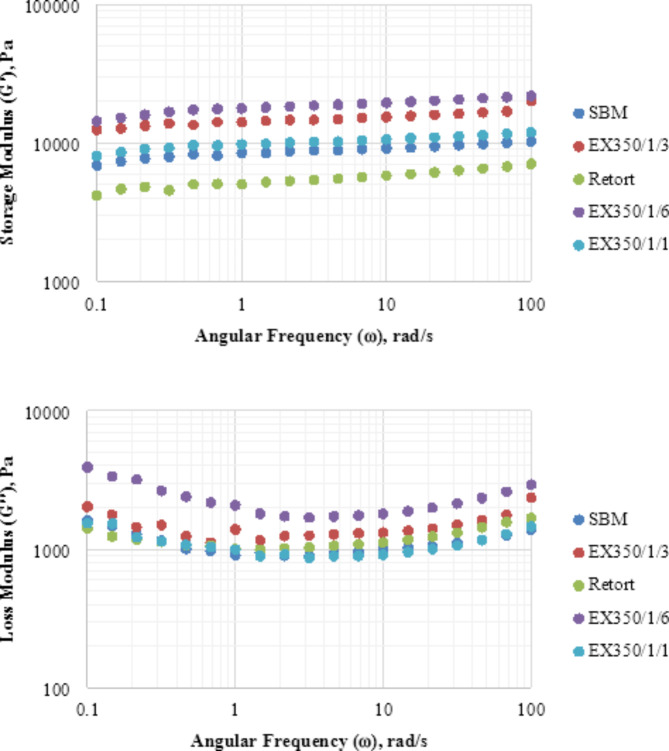
Okara is a by-product obtained from soybean milk containing high dietary fiber. This study focused on how to add value to okara by converting it into okara cellulose powder. The feasibility of using mechanical energy from the extrusion process to produce cellulose powder from okara was compared with the traditional mechanical method, hydrothermal and untreated okara powder (SBM). The extrusion process was carried out at different screw speeds (350-450 rpm), amount of water (0.5-1 L per hour), and number of treatment cycles. The physicochemical and functional properties of the okara cellulose powder and specific mechanical energy were analyzed. Results showed that the particle size of samples treated by 6 cycles of extrusion reduced to three times lower than SBM. The sample subjected to hydrothermal and extrusion showed significantly increased swelling ratio, water solubility index (WSI), and antioxidant capacity. However, only the extrusion treatment could improve the rheological properties. Increasing the cycles of extrusion treatment increased the swelling ratio and WSI values. Extrusion altered the color and chemical composition by decreasing the lightness and total dietary fiber. Extrusion treatment was proved to be an effective mechanical method for improving okara properties and converting the by-product into a potentially value-added ingredient for use in future food applications.
豆渣是豆浆的副产品,含有丰富的膳食纤维。本研究旨在探讨如何通过将豆渣转化为豆渣纤维素粉来提高其附加值。本研究比较了利用挤压过程中的机械能将豆渣转化为纤维素粉的可行性,与传统的机械方法、湿热处理和未经处理的豆渣粉(SBM)进行了比较。挤压过程在不同的螺杆转速(350-450 rpm)、加水量(每小时 0.5-1 升)和处理循环次数下进行。分析了豆渣纤维素粉的物理化学和功能特性以及比机械能。结果表明,经过 6 次挤压处理的样品的粒径减小到 SBM 的三分之一。经过湿热和挤压处理的样品的溶胀比、水溶性指数(WSI)和抗氧化能力显著增加。然而,只有挤压处理才能改善流变性能。增加挤压处理的循环次数会增加溶胀比和 WSI 值。挤压处理通过降低亮度和总膳食纤维来改变颜色和化学成分。挤压处理被证明是一种有效的机械方法,可以改善豆渣的性能,并将副产品转化为具有潜在附加值的成分,用于未来的食品应用。