Li Diantong, Liu Zhenjiang, Fan Xueni, Zhao Tingting, Wen Dongxu, Huang Xiaodan, Li Bin
Institute of Animal Husbandry and Veterinary, Xizang Academy of Agricultural and Animal Husbandry Sciences, Key Laboratory of Animal Genetics and Breeding on Tibetan Plateau, Ministry of Agriculture and Rural Affairs, Lhasa 850000, China.
School of Public Health, Lanzhou University, Lanzhou 730000, China.
Microorganisms. 2024 Sep 9;12(9):1864. doi: 10.3390/microorganisms12091864.
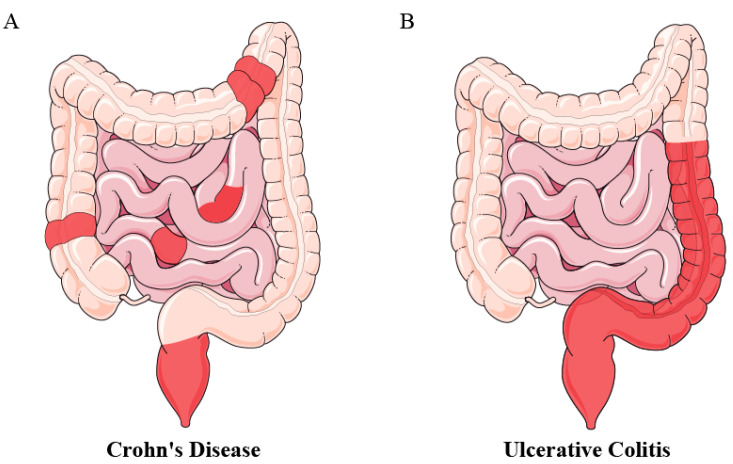
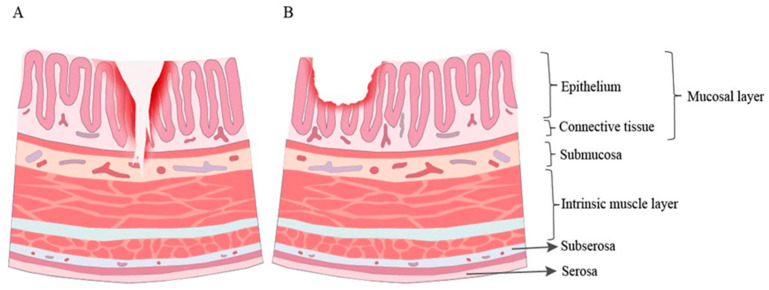
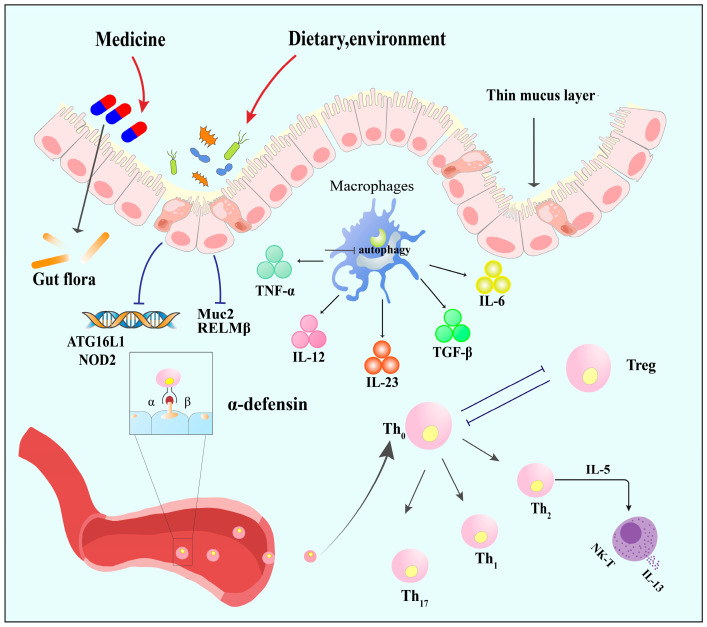
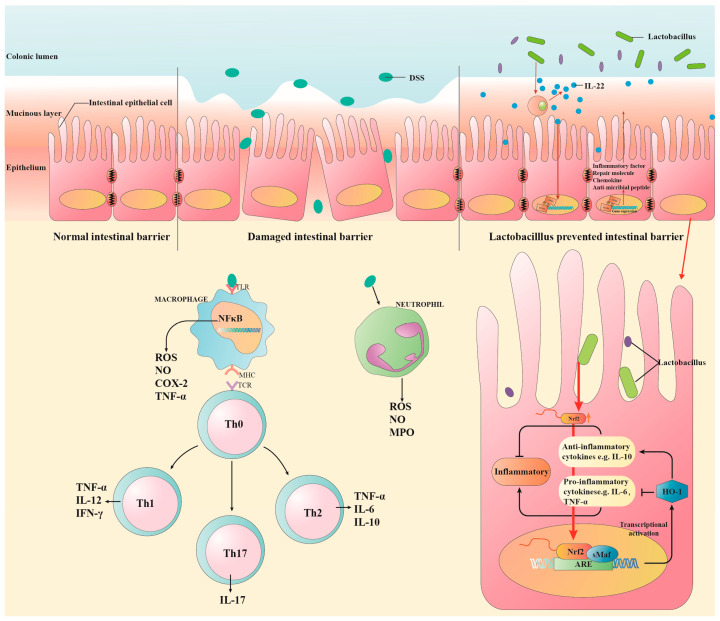
Inflammatory bowel disease (IBD), encompassing ulcerative colitis (UC) and Crohn's disease (CD), arises from intricate interactions involving genetics, environment, and pharmaceuticals with an ambiguous pathogenic mechanism. Recently, there has been an increasing utilization of lactic acid bacteria (LAB) in managing IBD, attributed to their ability to enhance intestinal barrier function, mitigate inflammatory responses, and modulate gut microbiota. This review initiates by elucidating the pathogenesis of IBD and its determinants, followed by an exploration of the mechanisms underlying LAB therapy in UC and CD. Special attention is directed towards their influence on intestinal barrier function and homeostasis regulated by gut microbiota. Furthermore, the review investigates the complex interplay among pivotal gut microbiota, metabolites, and pathways associated with inflammation. Moreover, it underscores the limitations of LAB in treating IBD, particularly in light of their varying roles in UC and CD. This comprehensive analysis endeavors to offer insights for the optimized application of LAB in IBD therapy.
炎症性肠病(IBD)包括溃疡性结肠炎(UC)和克罗恩病(CD),其发病源于遗传、环境和药物之间复杂的相互作用,致病机制尚不明确。近年来,乳酸菌(LAB)在IBD治疗中的应用日益增多,这归因于它们能够增强肠道屏障功能、减轻炎症反应并调节肠道微生物群。本综述首先阐述IBD的发病机制及其决定因素,接着探讨LAB治疗UC和CD的潜在机制。特别关注它们对由肠道微生物群调节的肠道屏障功能和稳态的影响。此外,本综述还研究了关键肠道微生物群、代谢产物和与炎症相关的途径之间的复杂相互作用。此外,它强调了LAB在治疗IBD方面的局限性,特别是考虑到它们在UC和CD中作用的差异。这一全面分析旨在为LAB在IBD治疗中的优化应用提供见解。