Salles Tiago Souza, Martins-Duarte Erica Santos, Meneses Marcelo Damião Ferreira de, Moreira Monica Ferreira, Ferreira Davis Fernandes, Azevedo Renata Campos, De Souza Wanderley, Caldas Lucio Ayres
Department of Biochemistry, Institute of Chemistry, Federal University of Rio de Janeiro, Rio de Janeiro 21941-909, Brazil.
Fiocruz Biodiversity and Health Biobank, Oswaldo Cruz Foundation, Rio de Janeiro 21040-361, Brazil.
Pathogens. 2024 Sep 21;13(9):814. doi: 10.3390/pathogens13090814.
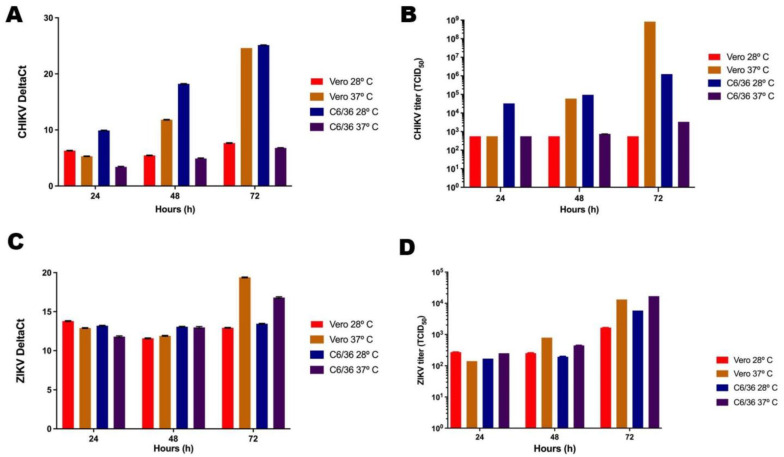
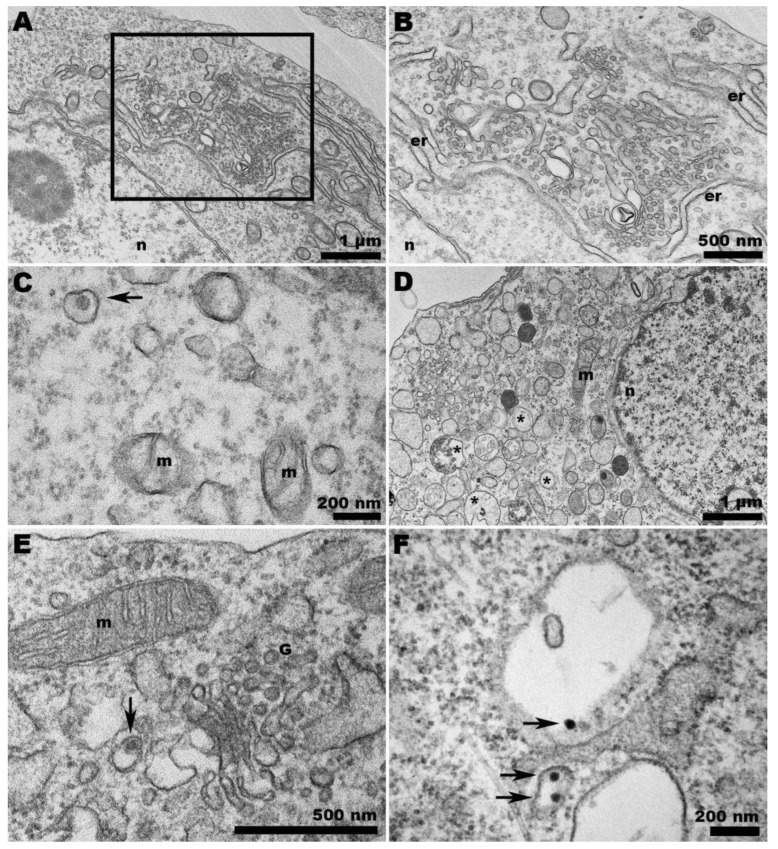
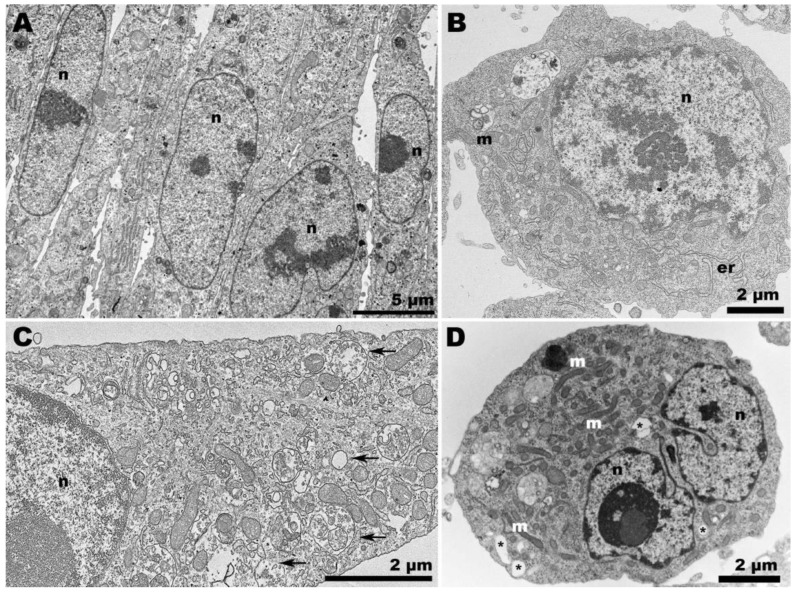
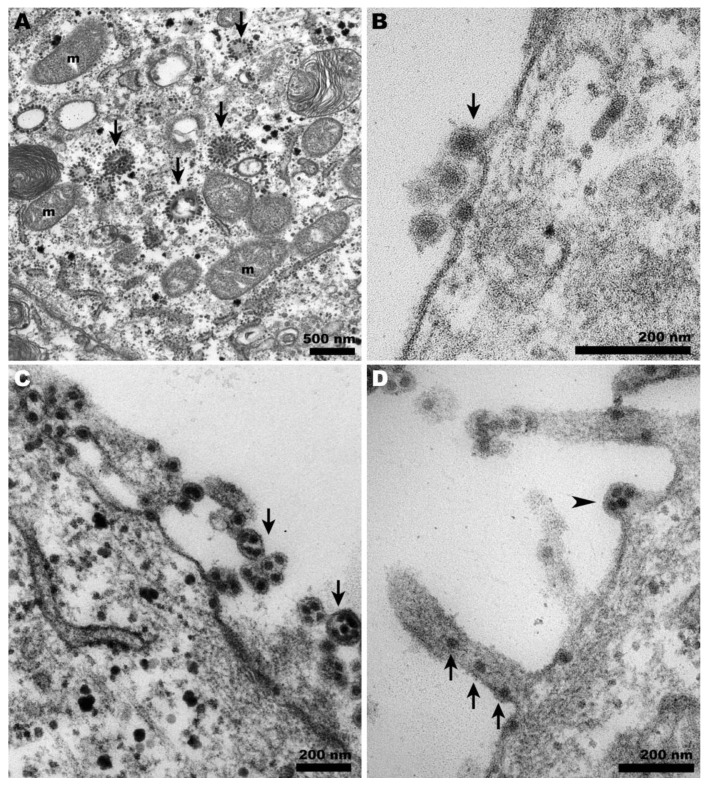
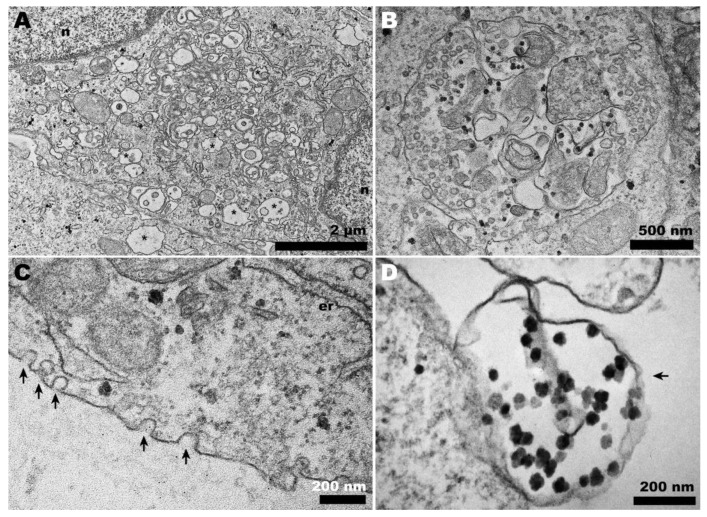
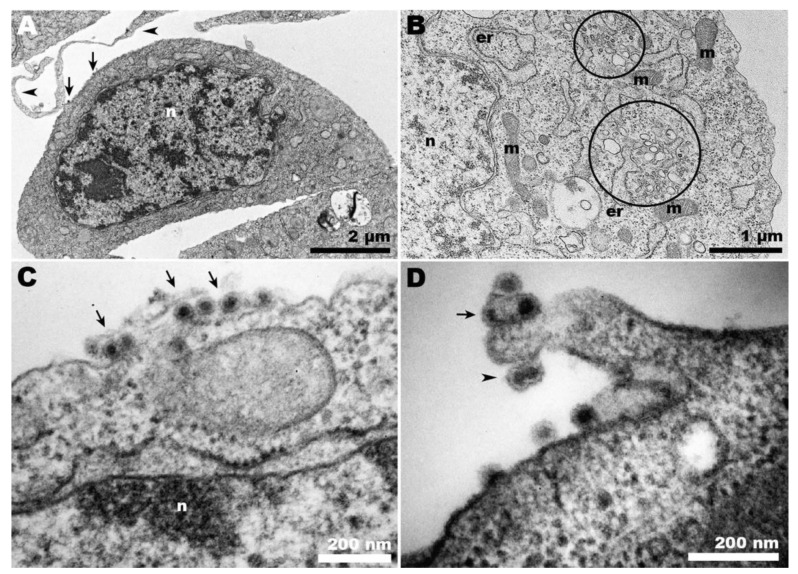
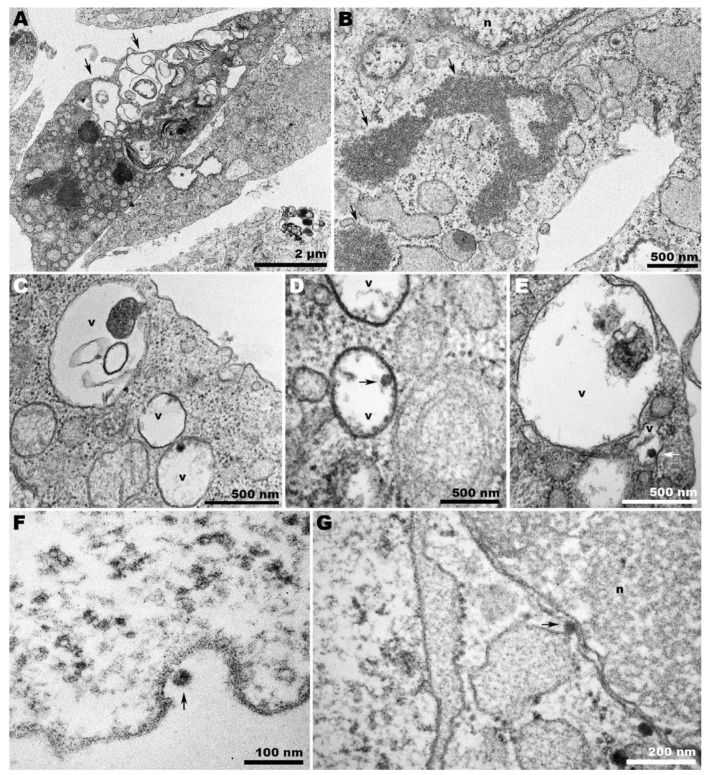
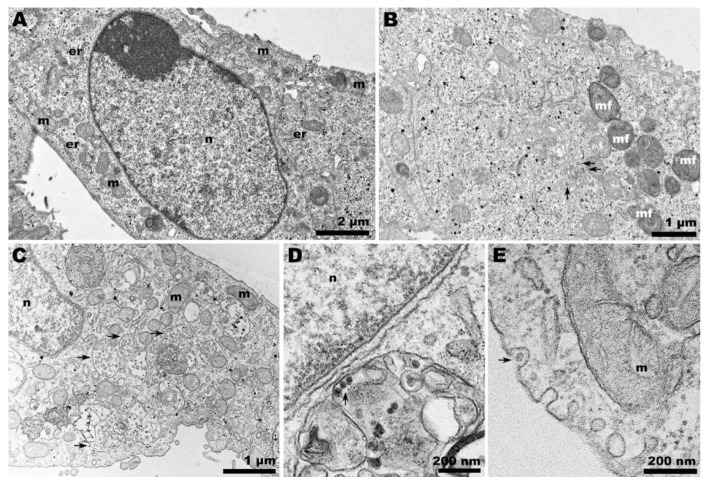
Temperature is a determining factor for the viral cycle. In this study, we investigate the effect of different temperatures on the cycles of two important arboviruses-Zika (ZIKV) and Chikungunya (CHIKV)-in Vero (mammalian) and C6/36 (mosquito) cells. We compare genome quantification to infectivity at 28 °C and 37 °C in both cell types. Virus-cell interaction was also examined by transmission electron microscopy, allowing the observation of phenomena such as virus-surfing and giant forms for CHIKV, as well as the the scarcity of ZIKV in C6/36 cells compared to its cycle in mammalian cells.
温度是病毒循环的一个决定性因素。在本研究中,我们调查了不同温度对两种重要虫媒病毒——寨卡病毒(ZIKV)和基孔肯雅病毒(CHIKV)——在非洲绿猴肾(哺乳动物)细胞和C6/36(蚊子)细胞中循环的影响。我们比较了两种细胞类型在28℃和37℃时的基因组定量与感染性。还通过透射电子显微镜检查了病毒与细胞的相互作用,从而能够观察到诸如病毒冲浪和基孔肯雅病毒的巨型形态等现象,以及与寨卡病毒在哺乳动物细胞中的循环相比,其在C6/36细胞中的稀缺情况。