Shaikh Mohd Sayeed, Faiyazuddin Md, Khan Mubasshera Sabir, Pathan Shahbaz K, Syed Imran J, Gholap Amol D, Akhtar Mohammad Shabib, Sah Ranjit, Mehta Rachana, Sah Sanjit, Bonilla-Aldana D Katterine, Luna Camila, Rodriguez-Morales Alfonso J
Y. B. Chavan College of Pharmacy, Aurangabad, Maharashtra, India.
School of Pharmacy, Al - Karim University, Katihar, India.
Front Microbiol. 2024 Jul 22;15:1413250. doi: 10.3389/fmicb.2024.1413250. eCollection 2024.
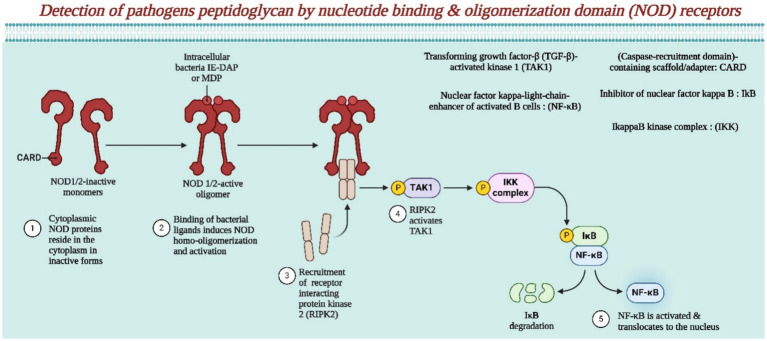
Chikungunya virus (CHIKV), a single-stranded RNA virus transmitted by Aedes mosquitoes, poses a significant global health threat, with severe complications observed in vulnerable populations. The only licensed vaccine, IXCHIQ, approved by the US FDA, is insufficient to address the growing disease burden, particularly in endemic regions lacking herd immunity. Monoclonal antibodies (mAbs), explicitly targeting structural proteins E1/E2, demonstrate promise in passive transfer studies, with mouse and human-derived mAbs showing protective efficacy. This article explores various vaccine candidates, including live attenuated, killed, nucleic acid-based (DNA/RNA), virus-like particle, chimeric, subunit, and adenovirus vectored vaccines. RNA vaccines have emerged as promising candidates due to their rapid response capabilities and enhanced safety profile. This review underscores the importance of the E1 and E2 proteins as immunogens, emphasizing their antigenic potential. Several vaccine candidates, such as CHIKV/IRES, measles vector (MV-CHIK), synthetic DNA-encoded antibodies, and mRNA-lipid nanoparticle vaccines, demonstrate encouraging preclinical and clinical results. In addition to identifying potential molecular targets for antiviral therapy, the study looks into the roles played by Toll-like receptors, RIG-I, and NOD-like receptors in the immune response to CHIKV. It also offers insights into novel tactics and promising vaccine candidates. This article discusses potential antiviral targets, the significance of E1 and E2 proteins, monoclonal antibodies, and RNA vaccines as prospective Chikungunya virus vaccine candidates.
基孔肯雅病毒(CHIKV)是一种由伊蚊传播的单链RNA病毒,对全球健康构成重大威胁,在脆弱人群中可观察到严重并发症。美国食品药品监督管理局(FDA)批准的唯一许可疫苗IXCHIQ不足以应对日益增长的疾病负担,特别是在缺乏群体免疫的流行地区。明确靶向结构蛋白E1/E2的单克隆抗体(mAb)在被动转移研究中显示出前景,小鼠和人源单克隆抗体均显示出保护效力。本文探讨了各种候选疫苗,包括减毒活疫苗、灭活疫苗、核酸(DNA/RNA)疫苗、病毒样颗粒疫苗、嵌合疫苗、亚单位疫苗和腺病毒载体疫苗。RNA疫苗因其快速反应能力和更高的安全性而成为有前景的候选疫苗。本综述强调了E1和E2蛋白作为免疫原的重要性,强调了它们的抗原潜力。几种候选疫苗,如CHIKV/IRES、麻疹载体(MV-CHIK)、合成DNA编码抗体和mRNA-脂质纳米颗粒疫苗,显示出令人鼓舞的临床前和临床结果。除了确定抗病毒治疗的潜在分子靶点外,该研究还探讨了Toll样受体、RIG-I和NOD样受体在对CHIKV免疫反应中所起的作用。它还提供了对新策略和有前景的候选疫苗的见解。本文讨论了潜在的抗病毒靶点、E1和E2蛋白的重要性、单克隆抗体以及作为基孔肯雅病毒候选疫苗的RNA疫苗。