Anhui Province Key Laboratory of Clinical and Preclinical Research in Respiratory Disease, MolecularDiagnosis Center, Joint Research Center for Regional Diseases of Institute of Health and Medicine (IHM), First Affiliated Hospital of Bengbu Medical University, Bengbu, China.
Department of Clinical Medicine, Bengbu Medical University, Bengbu, China.
Front Immunol. 2024 Sep 13;15:1460547. doi: 10.3389/fimmu.2024.1460547. eCollection 2024.
The programmed cell death (PCD) plays a key role in the development and progression of lung adenocarcinoma. In addition, immune-related genes also play a crucial role in cancer progression and patient prognosis. However, further studies are needed to investigate the prognostic significance of the interaction between immune-related genes and cell death in LUAD.
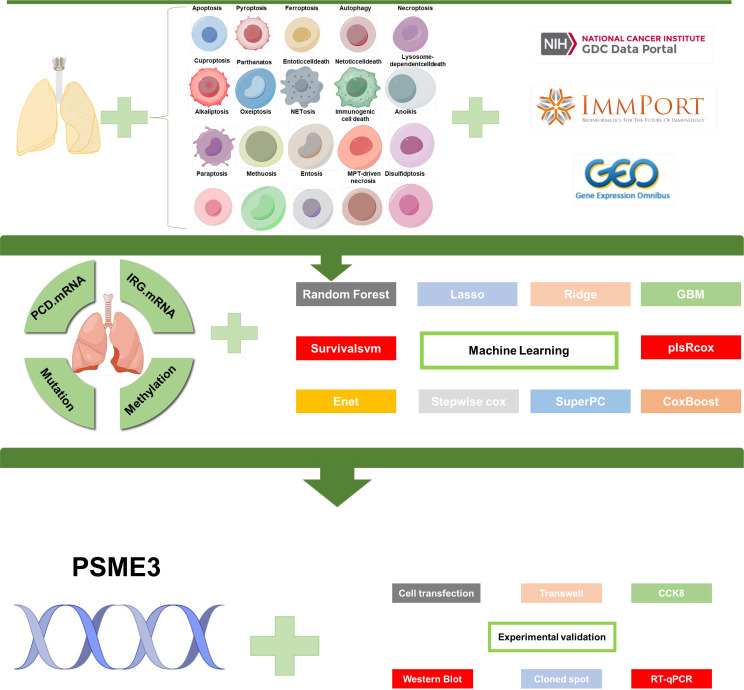
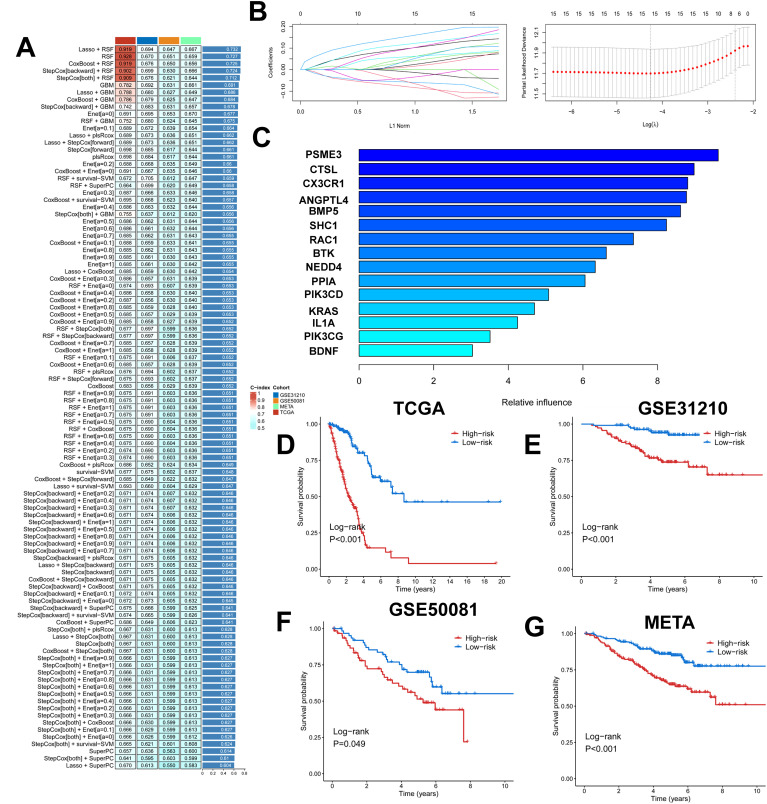
In this study, 10 clustering algorithms were applied to perform molecular typing based on cell death-related genes, immune-related genes, methylation data and somatic mutation data. And a powerful computational framework was used to investigate the relationship between immune genes and cell death patterns in LUAD patients. A total of 10 commonly used machine learning algorithms were collected and subsequently combined into 101 unique combinations, and we constructed an immune-associated programmed cell death model (PIGRS) using the machine learning model that exhibited the best performance. Finally, based on a series of in vitro experiments used to explore the role of PSME3 in LUAD.
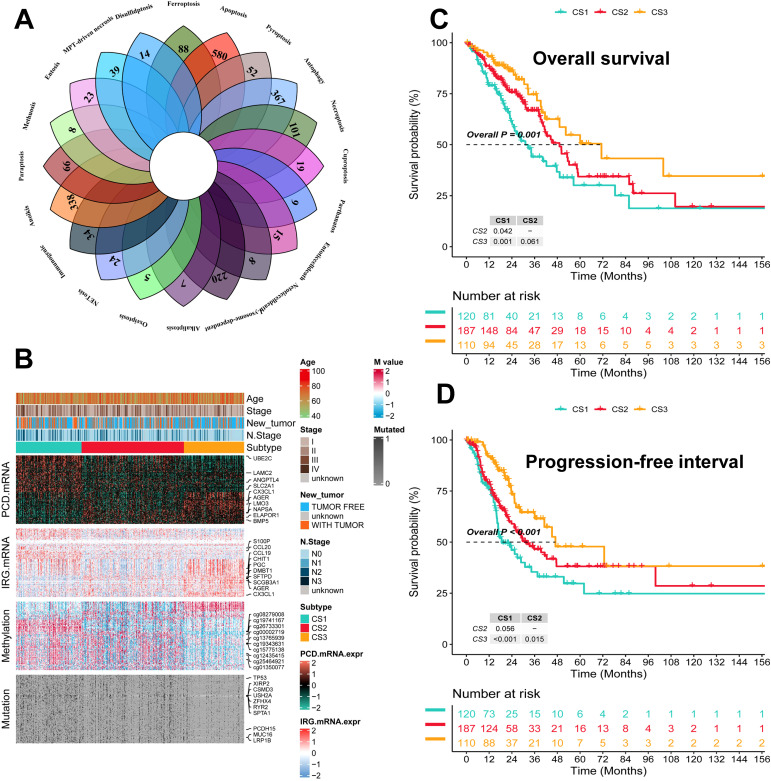
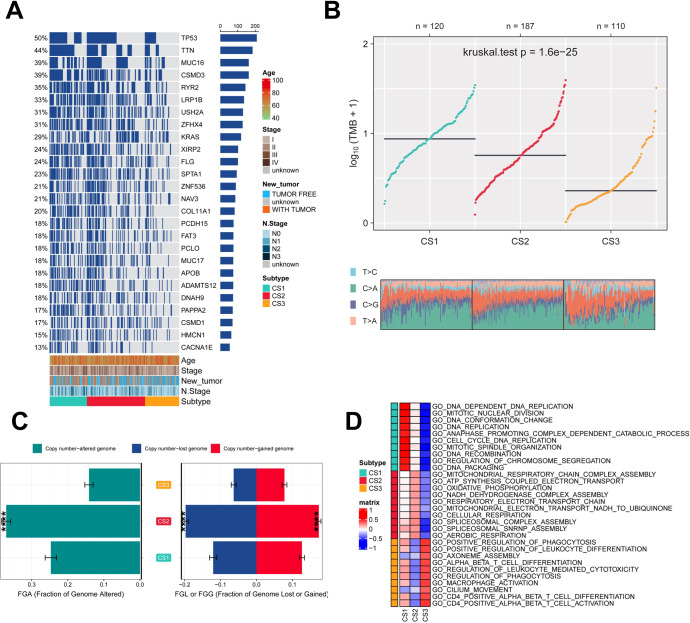
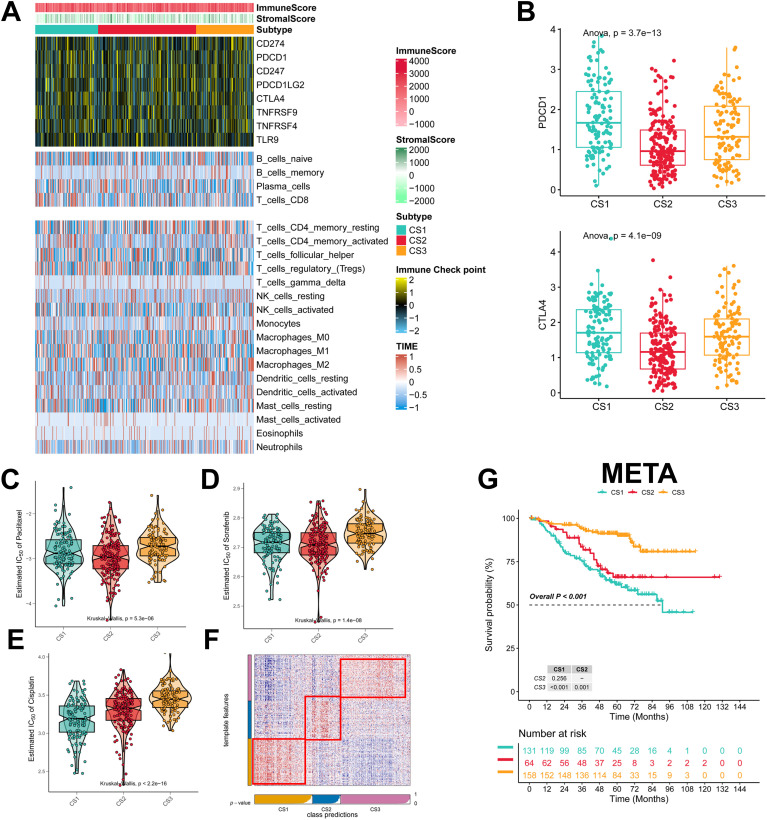
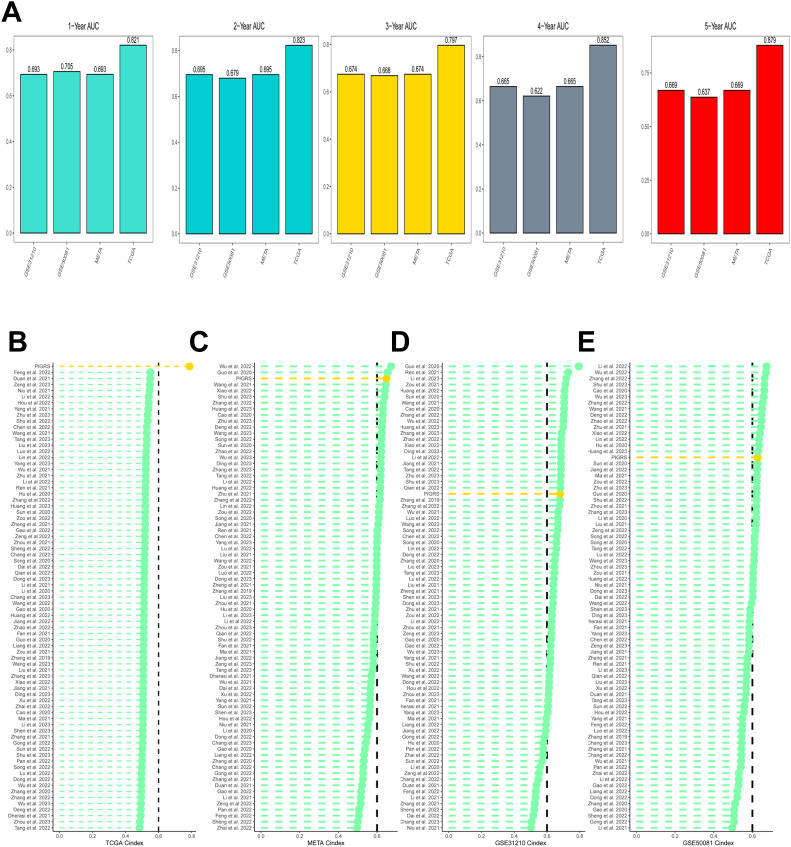
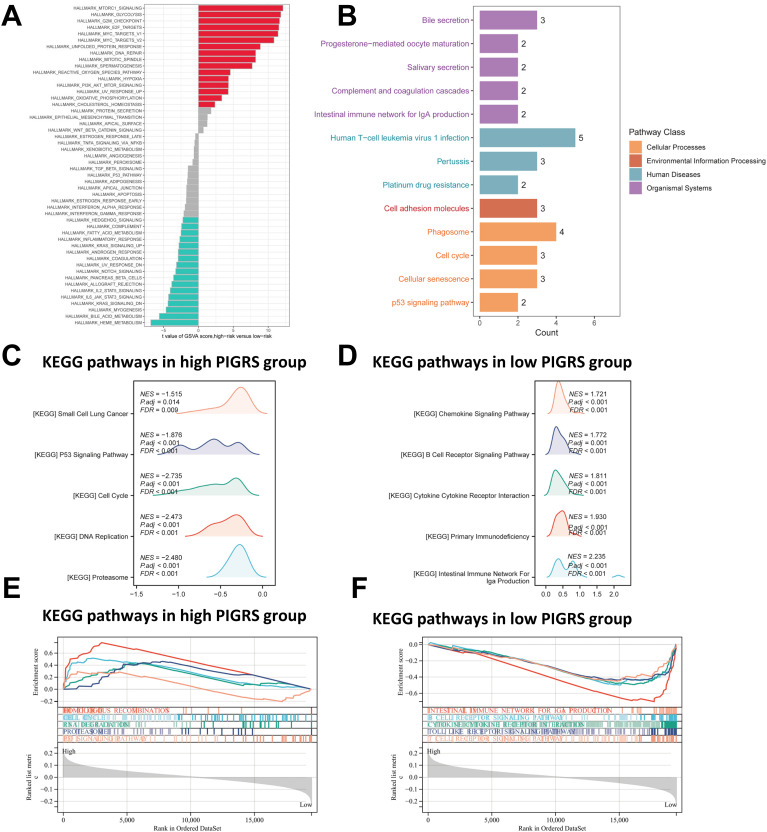
We used 10 clustering algorithms and multi-omics data to categorize TCGA-LUAD patients into three subtypes. patients with the CS3 subtype had the best prognosis, whereas patients with the CS1 and CS2 subtypes had a poorer prognosis. PIGRS, a combination of 15 high-impact genes, showed strong prognostic performance for LUAD patients. PIGRS has a very strong prognostic efficacy compared to our collection. In conclusion, we found that PSME3 has been little studied in lung adenocarcinoma and may be a novel prognostic factor in lung adenocarcinoma.
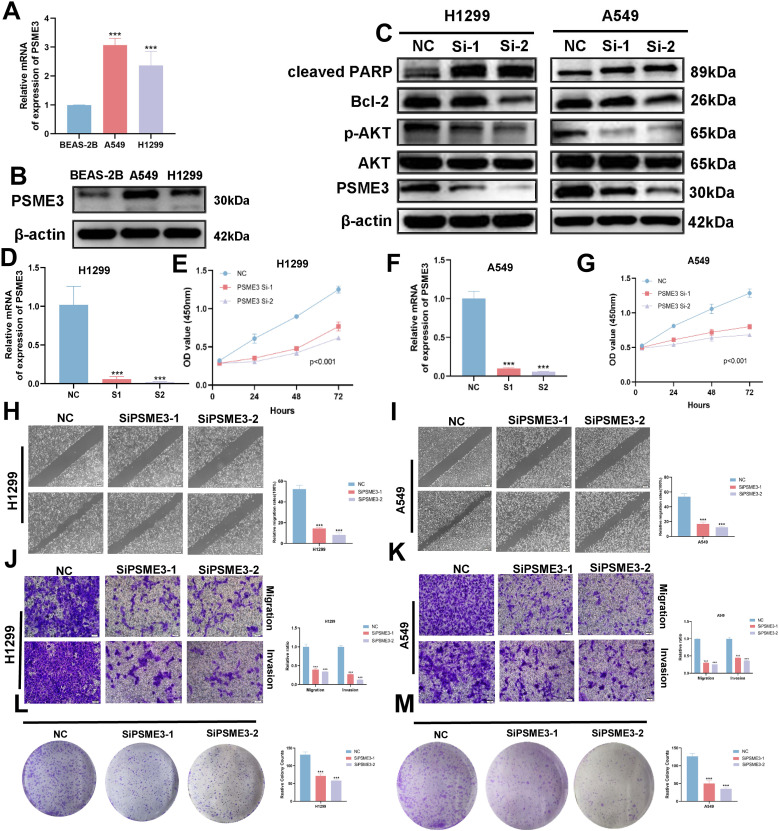
Three LUAD subtypes with different molecular features and clinical significance were successfully identified by bioinformatic analysis, and PIGRS was constructed using a powerful machine learning framework. and investigated PSME3, which may affect apoptosis in lung adenocarcinoma cells through the PI3K/AKT/Bcl-2 signaling pathway.
程序性细胞死亡(PCD)在肺腺癌的发生和发展中起着关键作用。此外,免疫相关基因在癌症进展和患者预后中也起着至关重要的作用。然而,需要进一步的研究来探讨免疫相关基因与 LUAD 中细胞死亡之间相互作用的预后意义。
本研究应用 10 种聚类算法,基于细胞死亡相关基因、免疫相关基因、甲基化数据和体细胞突变数据进行分子分型。并采用强大的计算框架研究 LUAD 患者中免疫基因与细胞死亡模式之间的关系。共收集了 10 种常用的机器学习算法,并将其组合成 101 种独特的组合,使用表现最佳的机器学习模型构建了免疫相关程序性细胞死亡模型(PIGRS)。最后,通过一系列体外实验探索 PSME3 在 LUAD 中的作用。
我们使用 10 种聚类算法和多组学数据将 TCGA-LUAD 患者分为三个亚型。CS3 亚型的患者预后最佳,而 CS1 和 CS2 亚型的患者预后较差。PIGRS 是由 15 个高影响力基因组成的组合,对 LUAD 患者具有很强的预后性能。与我们的研究相比,PIGRS 具有非常强的预后效果。总之,我们发现 PSME3 在肺腺癌中研究较少,可能是肺腺癌的一个新的预后因素。
通过生物信息学分析成功鉴定出具有不同分子特征和临床意义的三种 LUAD 亚型,并使用强大的机器学习框架构建了 PIGRS,并研究了 PSME3,它可能通过 PI3K/AKT/Bcl-2 信号通路影响肺腺癌细胞的凋亡。