Clinical Trials Research Unit, Leeds Institute of Clinical Trials Research, University of Leeds, Leeds, UK.
Public Contributor, Leeds, UK.
Trials. 2024 Sep 30;25(1):636. doi: 10.1186/s13063-024-08465-3.
Giving information to trial participants who stop taking part could support them through what can be a difficult process. We previously developed guidance around the ethical acceptability of such information provision, and about how trialists can develop suitable communication materials. There is limited evidence about what research ethics committees think of this issue, and limited guidance about what level of oversight they should have over the proposed communications, or post-consent participant communications generally. We conducted a survey of UK ethics committee members to address these points.
The survey was co-developed by public contributors and trialists who had previously worked together on the communications guidance. We asked respondents if they agreed with the general idea of informing participants who stop taking part, if they had ever been requested to review similar communications, and what level of ethics committee review they might recommend. The survey was primarily conducted online. It was reviewed by three ethics committee members before finalisation and shared directly with all UK ethics committee members. We analysed quantitative questions descriptively and used inductive analysis for open questions to identify common themes.
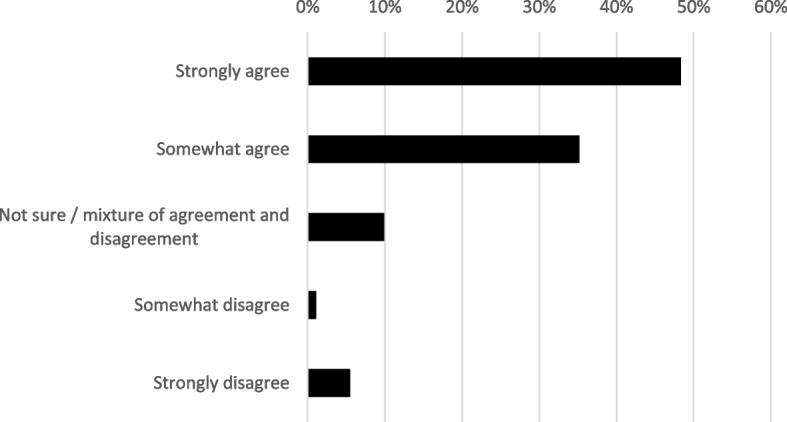
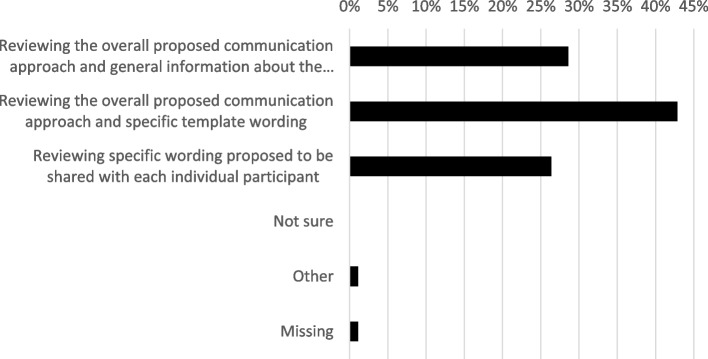
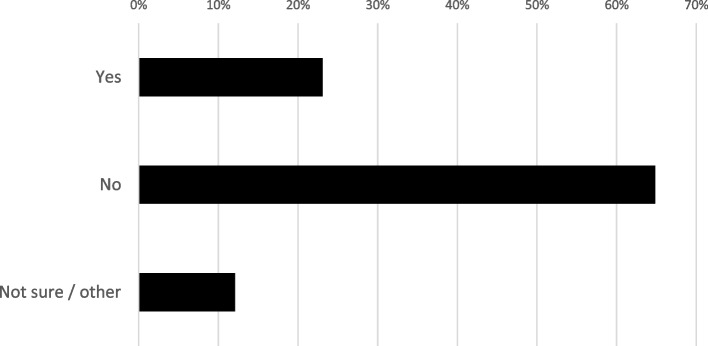
Ninety-one ethics committee members participated (nearly 10% of all UK members). The sample was similar to reported data about all members in terms of several personal characteristics. Most respondents (83%) agreed with our project's rationale. Only 23% of respondents reported having been asked to review an end-of-participation information sheet before. Respondents gave various answers about the level of ethics committee review required, but most supported a relatively proportionate review process. Common concerns were about the risk of coercion or making participants feel pressured.
Our survey suggests that ethics committee members generally support providing information to trial participants who stop taking part, if risks to participants are mitigated. We believe our guidance already addresses the main concerns raised. Our respondents' lack of prior experience with end-of-participation information sheets suggests that participants are not getting information they want or need when they stop participating. Our results help clarify how ethics committee should oversee post-consent participant communications, but further guidance from research regulators could be helpful.
向退出试验的参与者提供信息,可以在他们经历困难的过程中给予支持。我们之前已经制定了有关提供此类信息的伦理可接受性的指南,以及试验人员如何制定合适的沟通材料。关于研究伦理委员会对这一问题的看法,以及他们应该对拟议的沟通内容或一般的同意后参与者沟通进行何种程度的监督,证据有限。我们对英国伦理委员会成员进行了一项调查,以解决这些问题。
该调查由公众贡献者和之前共同参与沟通指南制定的试验人员共同开发。我们询问受访者是否同意告知退出试验的参与者的总体想法,如果他们曾经被要求审查类似的沟通内容,以及他们可能会推荐何种程度的伦理委员会审查。该调查主要在线进行。在最终确定之前,由三名伦理委员会成员进行了审查,并直接与所有英国伦理委员会成员共享。我们对定量问题进行了描述性分析,并对开放式问题进行了归纳分析,以确定共同主题。
91 名伦理委员会成员参与了调查(占英国所有成员的近 10%)。该样本在个人特征方面与报告的所有成员数据相似。大多数受访者(83%)同意我们项目的基本原理。只有 23%的受访者报告说之前曾被要求审查过参与结束信息表。受访者对所需伦理委员会审查的程度给出了各种答案,但大多数人支持相对相称的审查过程。共同关注的问题是潜在的胁迫风险或给参与者造成压力。
我们的调查表明,如果参与者的风险得到缓解,伦理委员会成员通常会支持向退出试验的参与者提供信息。我们相信我们的指南已经解决了主要的顾虑。我们受访者缺乏参与结束信息表方面的经验表明,当参与者退出时,他们没有获得所需的信息。我们的结果有助于阐明伦理委员会应如何监督同意后参与者的沟通,但研究监管机构的进一步指导可能会有所帮助。