Mercer Mary P, Day Lukejohn, Ansari Maria, Kwan Elizabeth, Kotis Desi, Caplan Valerie, Nguyen Trang Quyen, Lee Christopher, Smith Matthew, Tenner Andrea G, Sangha Baljeet, Rivera Tiffany, Saelee Kenpou, Horton Claire, Green Adrienne, Giang Vernon, Ovbiagele Bruce, Quock Justin, LeVine Todd, Sears Jonathan, Chow Amabel, Schafer Ellie, Morse Eleanor, Brown John, Connelly Elizabeth, Marks Jim, Enanoria Wayne, Ehrlich Susan, Philip Susan, Bobba Naveena, Colfax Grant
Chief of Medical Staff, Zuckerberg San Francisco General Hospital, San Francisco, California, USA.
Former Covid-19 Vaccine Section Chief and Covid-19 Health Systems Deputy Director, San Francisco Department of Public Health, San Francisco, California, USA.
NEJM Catal Innov Care Deliv. 2024 Aug;5(8). doi: 10.1056/CAT.23.0330. Epub 2024 Jul 17.
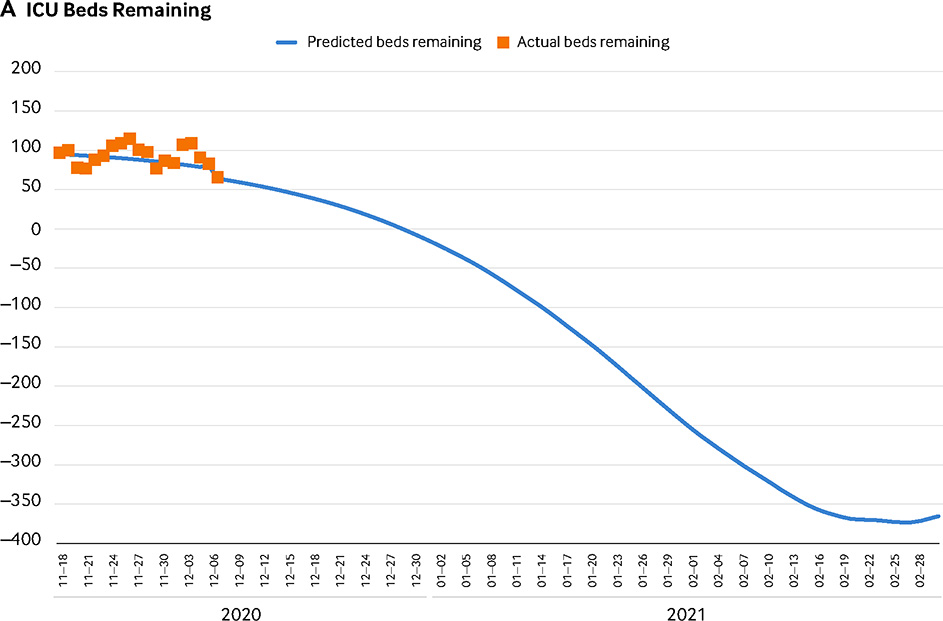
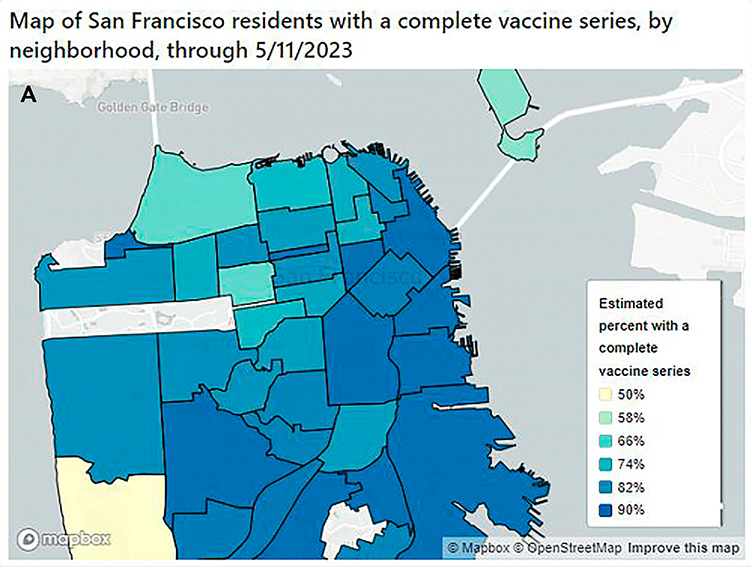
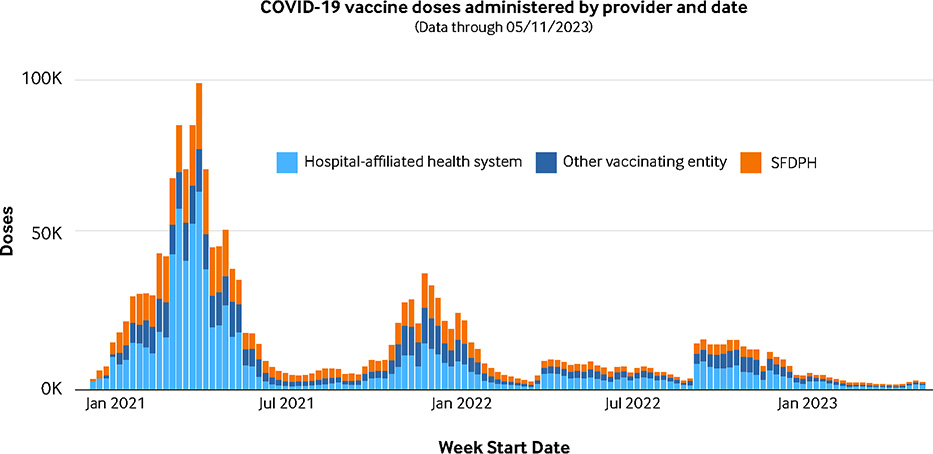
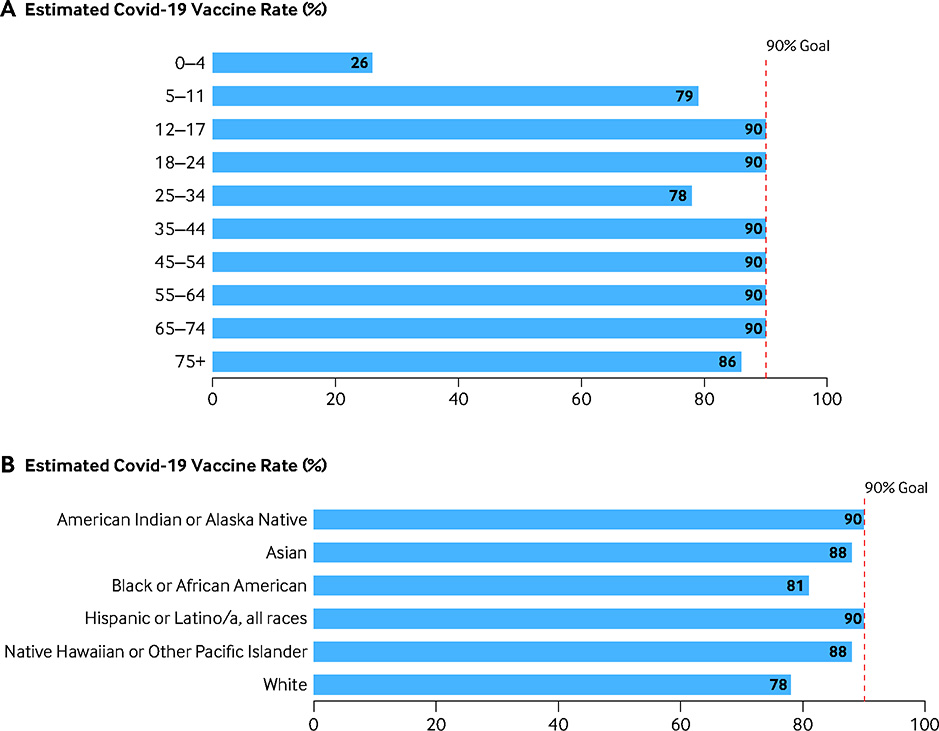
The Covid-19 pandemic challenged health care delivery systems worldwide. Many acute care hospitals in communities that experienced surges in cases and hospitalizations had to make decisions such as rationing scarce resources. Hospitals serving low-income communities, communities of color, and those in other historically marginalized or vulnerable groups reported the greatest operational impacts of surges. However, cross-institutional collaborations within jurisdictions offer unique opportunities to prevent or mitigate health disparities in resource utilization and access to care. In January 2020, in response to the emerging coronavirus epidemic, the San Francisco Department of Public Health (SFDPH) and local hospital and health systems partners convened to align and coordinate medical surge planning and response. Adopting a governance structure of mutual accountability and transparency, the San Francisco Health Systems Collaborative guided local medical and public health response in the areas of medical surge, vaccination administration, testing, and therapeutics. Four principles guided the collaborative response: (1) shared priorities, (2) clear governance and accountability, (3) data transparency, and (4) operational coordination. High-level priorities established included protecting vulnerable people, protecting health care workers, and maintaining health system capacity. The governance structure consisted of three layers: local hospital and health systems' CEOs coordinating with SFDPH executives; hospital chief medical and nursing officers coordinating high-level surge capacity assessments and mitigation plans; and local clinical operational managers working with public health response operational leaders to coordinate scarce resource utilization. Fluctuating with the tempo of the disease indicators and medical surge, governance and coordination were maintained through a tiered meeting and reporting system. Data visibility and transparency were key principles facilitating operational decision-making and executive-level coordination of resources, including identifying additional surge bed capacity for use systemwide, as well as ensuring efficient and equitable vaccine distribution through implementation of five mass-vaccination sites with prioritized access for vulnerable communities. Applying these four principles of shared priorities, accountability, transparency, and operational coordination and pragmatism helped the public health and individual hospital systems make contributions to the overall response that were aligned with their unique strengths and resources. Publication here represents the first official public use of the name (which had served as the term used internally to refer to the group) and the first time codifying this structure. Through this coordination, San Francisco achieved one of the lowest Covid-19 death rates and had one of the highest vaccination and booster rates, compared with rates across California or the United States. Similar principles and implementation methods can be adopted by other health jurisdictions for future emergency outbreak response.
新冠疫情给全球医疗服务体系带来了挑战。在病例和住院人数激增的社区,许多急症医院不得不做出诸如分配稀缺资源等决策。为低收入社区、有色人种社区以及其他历史上处于边缘地位或弱势群体提供服务的医院报告称,激增对其运营产生了最大影响。然而,辖区内的跨机构合作提供了独特的机会,可预防或减轻资源利用和医疗服务获取方面的健康差距。2020年1月,为应对新出现的冠状病毒疫情,旧金山市公共卫生部(SFDPH)与当地医院及医疗系统合作伙伴召开会议,以协调医疗资源激增规划及应对措施。旧金山医疗系统协作组织采用了相互问责和透明的治理结构,在医疗资源激增、疫苗接种管理、检测和治疗等领域指导当地医疗和公共卫生应对工作。四项原则指导了协作应对工作:(1)共享优先事项,(2)明确治理和问责制,(3)数据透明,(4)运营协调。确定的高层优先事项包括保护弱势群体、保护医护人员以及维持医疗系统能力。治理结构由三层组成:当地医院和医疗系统的首席执行官与SFDPH管理人员进行协调;医院首席医疗官和护士长协调高层医疗资源激增能力评估和缓解计划;当地临床运营经理与公共卫生应对运营负责人合作,协调稀缺资源的利用。随着疾病指标和医疗资源激增节奏的变化,通过分层会议和报告系统维持治理和协调。数据可见性和透明度是促进运营决策和资源的行政层面协调的关键原则,包括确定全系统可使用的额外激增床位容量,以及通过设立五个大规模疫苗接种点并优先为弱势群体提供接种机会,确保高效且公平的疫苗分配。应用共享优先事项、问责制、透明度、运营协调和务实精神这四项原则,有助于公共卫生系统和各医院系统根据自身独特优势和资源为整体应对做出贡献。在此发表是该名称(此前一直作为内部指代该团体的术语使用)首次正式用于公开场合,也是首次将此结构进行整理编纂。通过这种协调,与加利福尼亚州或美国的比率相比,旧金山实现了极低的新冠死亡率以及极高的疫苗接种率和加强针接种率。其他卫生辖区在未来应对紧急疫情时可采用类似原则和实施方法。