Amsterdam UMC Location Vrije Universiteit Amsterdam, Ophthalmology, Amsterdam, the Netherlands.
Amsterdam Public Health, Quality of Care, Aging and Later Life, Amsterdam, the Netherlands.
Transl Vis Sci Technol. 2024 Oct 1;13(10):2. doi: 10.1167/tvst.13.10.2.
Depression is common in people with visual impairment, and the onset may be influenced by aspects related to light. The aim was to explore the associations of season, sunlight, and light sensitivity with depressive symptoms in this population.
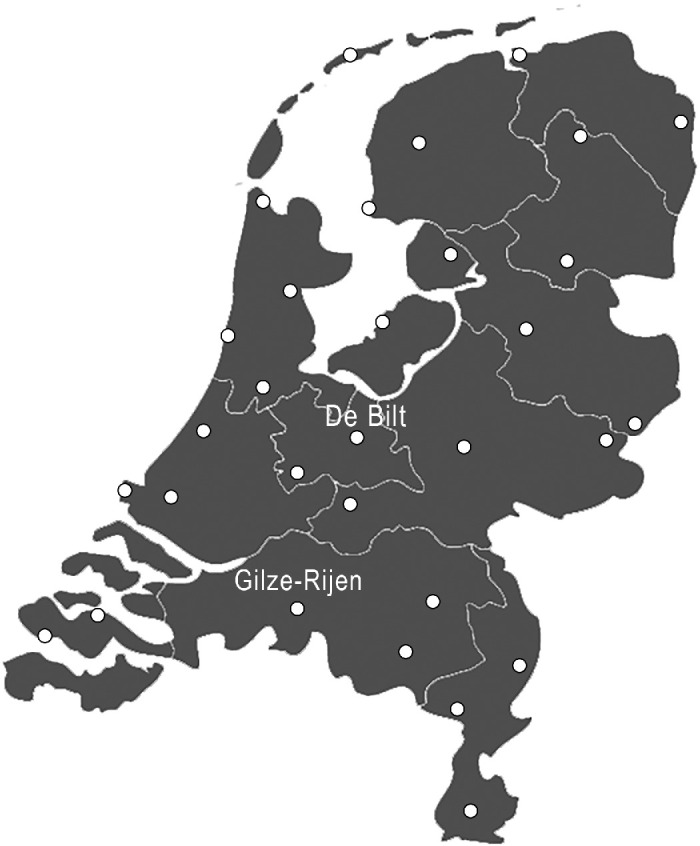
Data regarding self-reported depressive symptoms from seven cross-sectional studies conducted between 2009 and 2018 were combined with information concerning sensitivity to light, season on the date of self-report, and potential sunlight exposure in the 2 weeks prior to self-report. The latter was calculated by summing up the daily sunlight hours detected by the weather station nearest to the residence of each participant. Logistic regression analyses were performed to investigate the associations.
Participants (N = 1925) experienced clinically significant depressive symptoms most often in winter (32.8%), followed by summer (27.4%), spring (26.2%), and fall (24.2%). The odds of experiencing depression in fall were significantly lower compared with winter (odds ratio [OR] = 0.67, P = 0.007). An increase in the hours of sunlight in the participant's environment was associated with lower odds to experience depressive symptoms (OR = 0.995, P = 0.011). People who were sensitive to bright light had higher odds of experiencing depressive symptoms (OR = 1.80, P < 0.001). Other differences found between subgroups were not consistent.
It seems likely that season, sunlight, and light sensitivity play a role in depression among people with visual impairment. Further research is needed, exploring the experiences in this population, the actual sunlight exposure using objective measures, and treatment options.
Clinicians should consider these factors when treating visually impaired patients with depressive symptoms.
视力障碍人群中常见抑郁,其发病可能受与光线相关的各方面因素影响。本研究旨在探讨该人群中季节、阳光和光敏感性与抑郁症状的相关性。
汇总了 2009 年至 2018 年间进行的 7 项横断面研究中关于自评抑郁症状的数据,并结合了与光敏感性、自评日期的季节以及自评前 2 周潜在阳光暴露相关的信息。通过累加天气站记录的参与者居住地附近的每日阳光时长来计算潜在阳光暴露。采用 logistic 回归分析来调查相关性。
参与者(N=1925)自评时最常出现抑郁症状的季节为冬季(32.8%),其次为夏季(27.4%)、春季(26.2%)和秋季(24.2%)。与冬季相比,秋季出现抑郁的可能性显著降低(比值比 [OR] = 0.67,P=0.007)。参与者所处环境中阳光时长的增加与抑郁症状可能性降低相关(OR=0.995,P=0.011)。对亮光敏感的人出现抑郁症状的可能性更高(OR=1.80,P<0.001)。其他亚组之间的差异并不一致。
季节、阳光和光敏感性似乎在视力障碍人群的抑郁中起作用。需要进一步研究,探索该人群中的体验、使用客观测量方法的实际阳光暴露以及治疗选择。
翻译后的内容是对原文的忠实呈现,并未添加任何个人观点或解释。