Institute of Ecological Restoration, College of Industrial Sciences, Kongju National University, Yesan-gun, Chungcheongnam-do, Republic of Korea.
Department of Forest Science, College of Industrial Sciences, Kongju National University, Yesan-gun, Chungcheongnam-do, Republic of Korea.
PLoS One. 2024 Oct 3;19(10):e0309804. doi: 10.1371/journal.pone.0309804. eCollection 2024.
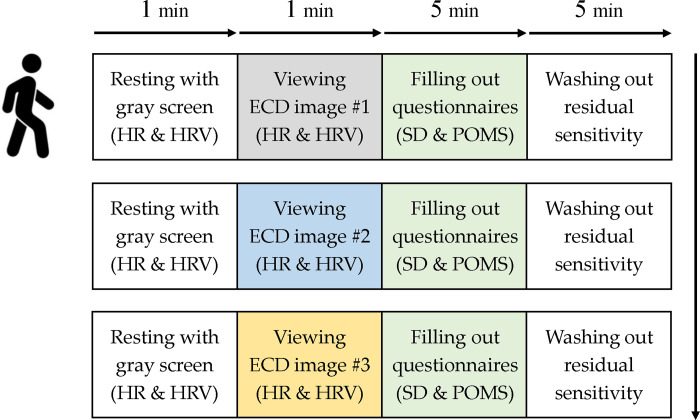
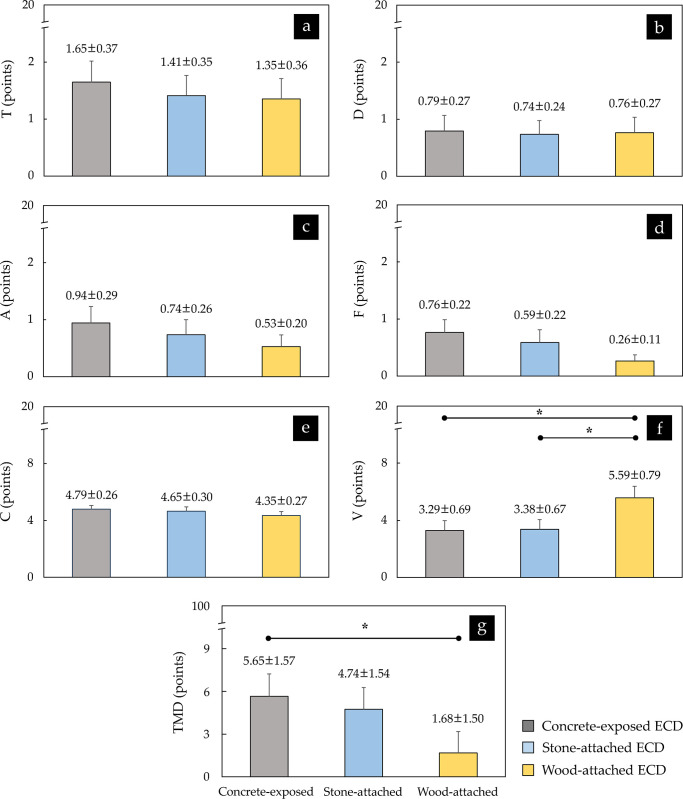
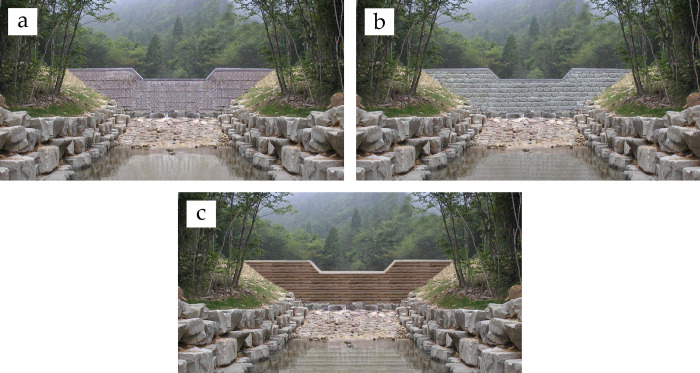
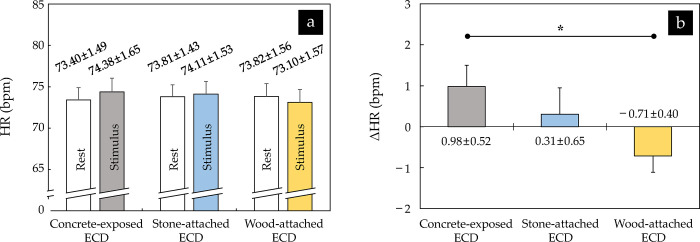
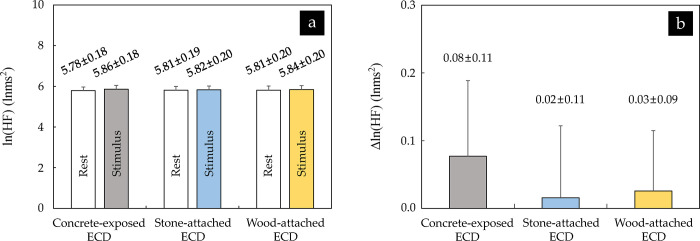
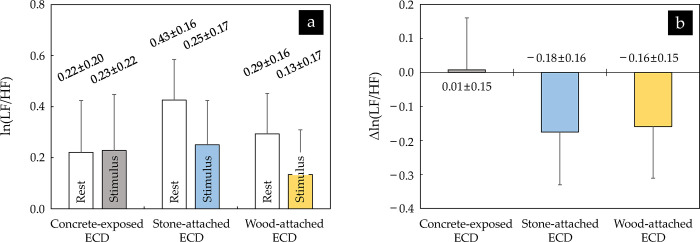
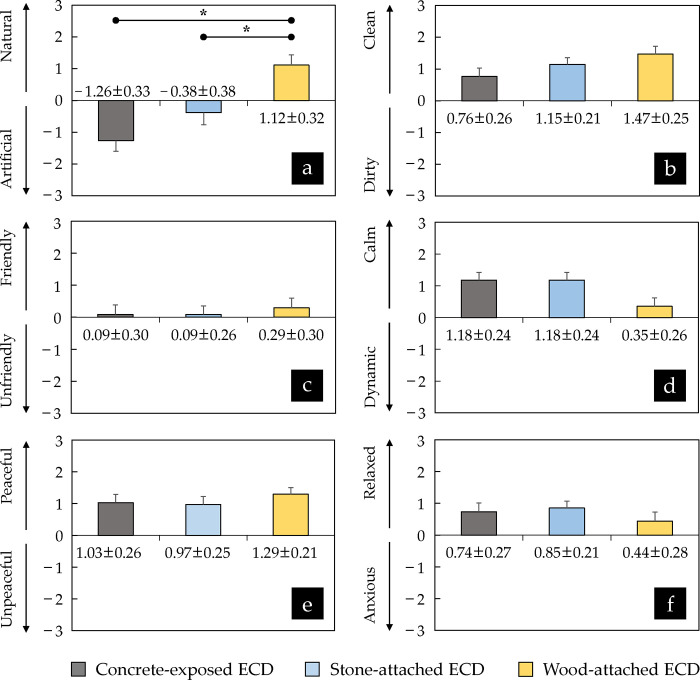
This study demonstrated the effect of differences in the exterior of erosion control dams (ECDs) on humans. We recruited 34 university students. Participants sat 1.4 m away from the display while wearing a device for measuring heart rate (HR) and heart rate variability. They (i) took a rest while viewing a gray screen for one minute; (ii) viewed a randomly displayed image of one of the three ECDs' images for one minute; (iii) filled out questionnaires (using the semantic differential method and a profile of mood states) for five minutes; and (iv) took a rest to wash out residual sensitivity for five minutes. The process was repeated three times with three different ECD images. No significant difference was found between the participants' HRs measured before and while viewing the images of the three ECDs with different exterior materials, although the HRs were significantly reduced when viewing the wood-attached ECD compared with the concrete-exposed ECD. Participants perceived the concrete-exposed and stone-attached ECDs artificially, while they felt the wood-attached ECD naturally. In addition, the vigor score was significantly increased while total mood disturbance was significantly decreased when viewing the wood-attached ECD. However, there were no significant differences in other indicators, and participants' responses to the exteriors of the ECDs were positive overall. Our findings show that people do not physiologically and psychologically perceive ECDs negatively. Therefore, securing stability against sedimentary disasters should be a priority before using the landscape elements of an ECD.
本研究旨在探讨侵蚀控制坝(ECD)外观差异对人类的影响。我们招募了 34 名大学生。参与者坐在离显示器 1.4 米的地方,同时佩戴测量心率(HR)和心率变异性的设备。他们(i)在观看一分钟灰色屏幕时休息;(ii)观看一分钟随机显示的三个 ECD 图像之一的图像;(iii)使用语义差异法和心境状态剖面图填写五分钟的问卷;(iv)休息五分钟以冲洗残留的敏感性。这个过程重复了三次,使用了三个不同的 ECD 图像。尽管与暴露在混凝土中的 ECD 相比,附着在木材上的 ECD 时 HR 显著降低,但参与者在观看不同外部材料的三个 ECD 图像前后的 HR 没有显著差异。参与者认为暴露在混凝土和附着在石头上的 ECD 是人为的,而附着在木材上的 ECD 则感觉自然。此外,当观看附着在木材上的 ECD 时,活力得分显著增加,而总心境干扰显著降低。然而,其他指标没有显著差异,参与者对 ECD 外部的总体反应是积极的。我们的研究结果表明,人们不会在生理和心理上对 ECD 产生负面的感知。因此,在使用 ECD 的景观元素之前,应优先确保其对泥沙灾害的稳定性。