Gómez Silvia González, Ginebra Maria-Pau, Gil Francisco Javier, Barraquer Rafael I, Manero José María
Biomaterials, Biomechanics and Tissue Engineering Group, Department of Materials Science and Engineering, Universitat Politècnica de Catalunya. Barcelona Tech (UPC), Barcelona East School of Engineering (EEBE), Barcelona, Spain.
Barcelona Research Center in Multiscale Science and Engineering, UPC, EEBE, Barcelona, Spain.
Front Bioeng Biotechnol. 2024 Sep 19;12:1421706. doi: 10.3389/fbioe.2024.1421706. eCollection 2024.
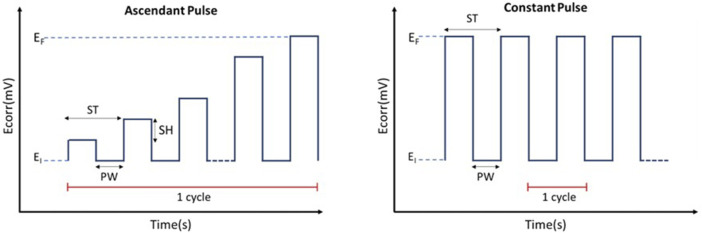
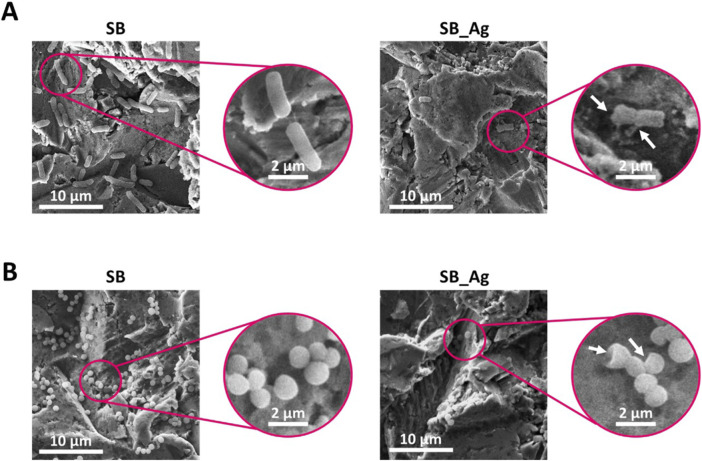
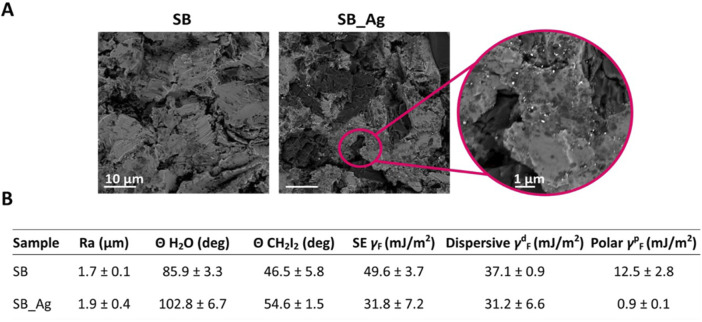
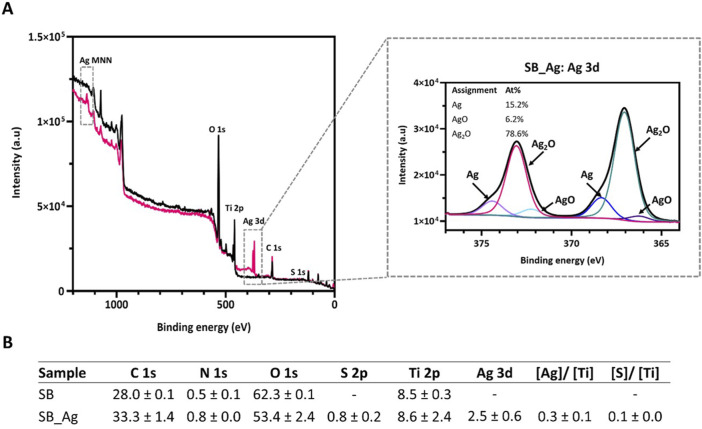
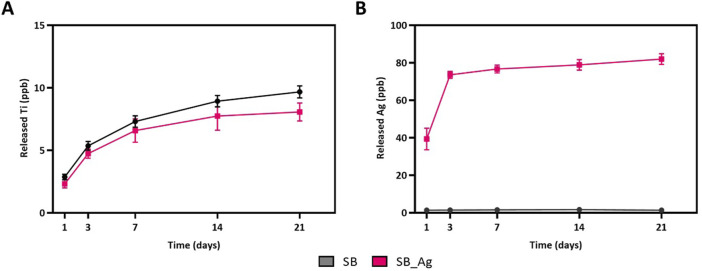
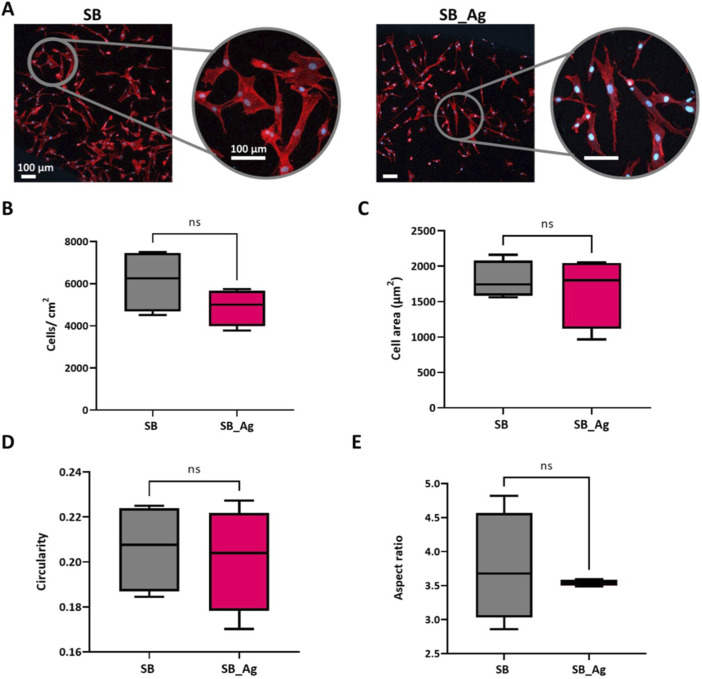
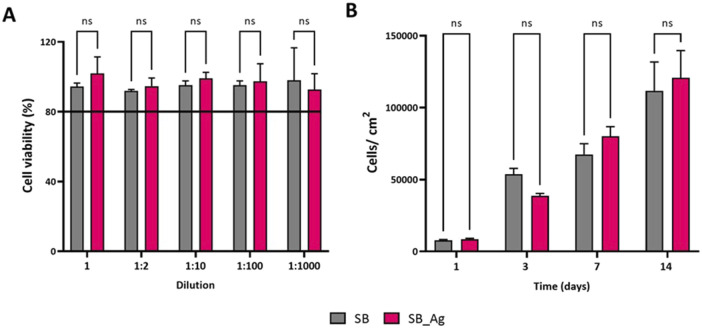
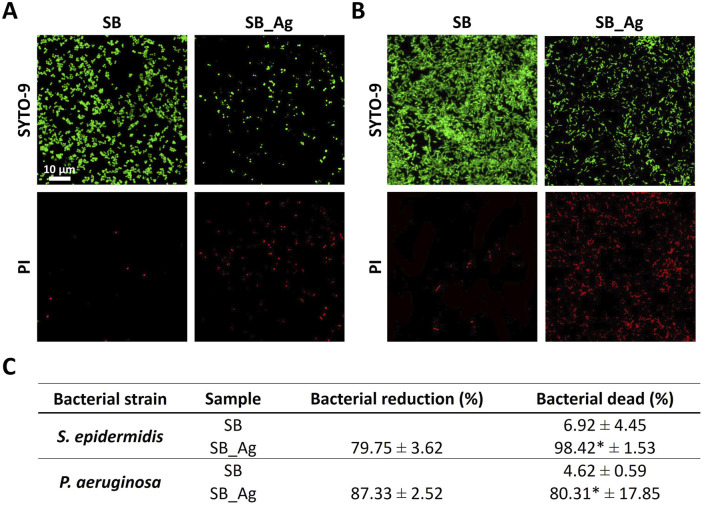
The Boston Keratoprosthesis (BKPro) serves as a medical solution for restoring vision in complex cases of corneal blindness. Comprising a front plate made of polymethylmethacrylate (PMMA) and a back plate of titanium (Ti), this device utilizes the beneficial biomaterial properties of Ti. While BKPro demonstrates promising retention rates, infection emerges as a significant concern that impacts its long-term efficacy. However, limited research exists on enhancement of BKPros through intrinsic infection-preventing mechanisms. In this regard, metal ions, especially the well-known Ag ions, are a promising alternative to obtain implants with innate antibacterial properties. However, little information is available about the effects of Ag in corneal tissue, especially within human corneal keratocytes (HCKs). In this work, an electrodeposition treatment using a constant pulse is proposed to attach Ag complexes onto rough Ti surfaces, thus providing antibacterial properties without inducing cytotoxicity. Complete physicochemical characterization and ion release studies were carried out with both control and Ag-treated samples. The possible cytotoxic effects in the short and long term were evaluated with HCKs. Moreover, the antibacterial properties of the silver-treated surfaces were tested against the gram-negative bacterial strain and the gram-positive strain , that are common contributors to infections in BKPros. Physicochemical characterization confirmed the presence of silver, predominantly in oxide form, with low release of Ag ions. Ag-treated surfaces demonstrated no cytotoxicity and promoted long-term proliferation of HCKs. Furthermore, the silver-treated surfaces exhibited a potent antibacterial effect, causing a reduction in bacterial adhesion and evident damage to the bacterial cell walls of and . The low release of Ag ions suggested reactive oxygen species (ROS)-mediated oxidative stress imbalance as the bactericidal mechanism of the silver deposits. In conclusion, the proposed electrodeposition technique confers antibacterial protection to the Ti backplate of BKPro, mitigating implant-threatening infections while ensuring non-cytotoxicity within the corneal tissue.
波士顿人工角膜(BKPro)是一种用于恢复复杂角膜盲病例视力的医疗解决方案。该装置由聚甲基丙烯酸甲酯(PMMA)制成的前板和钛(Ti)制成的后板组成,利用了Ti有益的生物材料特性。虽然BKPro显示出有前景的留存率,但感染成为影响其长期疗效的一个重大问题。然而,关于通过内在感染预防机制增强BKPro的研究有限。在这方面,金属离子,尤其是著名的银离子,是获得具有固有抗菌特性植入物的有前途的替代品。然而,关于银在角膜组织中的作用,特别是在人角膜角质形成细胞(HCKs)中的作用,几乎没有可用信息。在这项工作中,提出了一种使用恒定脉冲的电沉积处理方法,将银络合物附着在粗糙的Ti表面上,从而提供抗菌性能而不诱导细胞毒性。对对照样品和银处理样品都进行了完整的物理化学表征和离子释放研究。用HCKs评估了短期和长期可能的细胞毒性作用。此外,测试了银处理表面对革兰氏阴性菌菌株和革兰氏阳性菌菌株的抗菌性能,这两种菌株是BKPro感染的常见原因。物理化学表征证实了银的存在,主要以氧化物形式存在,银离子释放量低。银处理表面没有显示出细胞毒性,并促进了HCKs的长期增殖。此外,银处理表面表现出强大的抗菌作用,导致细菌粘附减少,并对 和 的细菌细胞壁造成明显损伤。银离子的低释放表明活性氧(ROS)介导的氧化应激失衡是银沉积物的杀菌机制。总之,所提出的电沉积技术为BKPro的Ti背板提供了抗菌保护,减轻了威胁植入物的感染,同时确保了角膜组织内的无细胞毒性。