Heart Research Institute, The University of Sydney, Sydney, Australia.
Centre for Peripheral Artery Disease, Heart Research Institute, Sydney, Australia.
Sci Adv. 2024 Oct 4;10(40):eadn8760. doi: 10.1126/sciadv.adn8760.
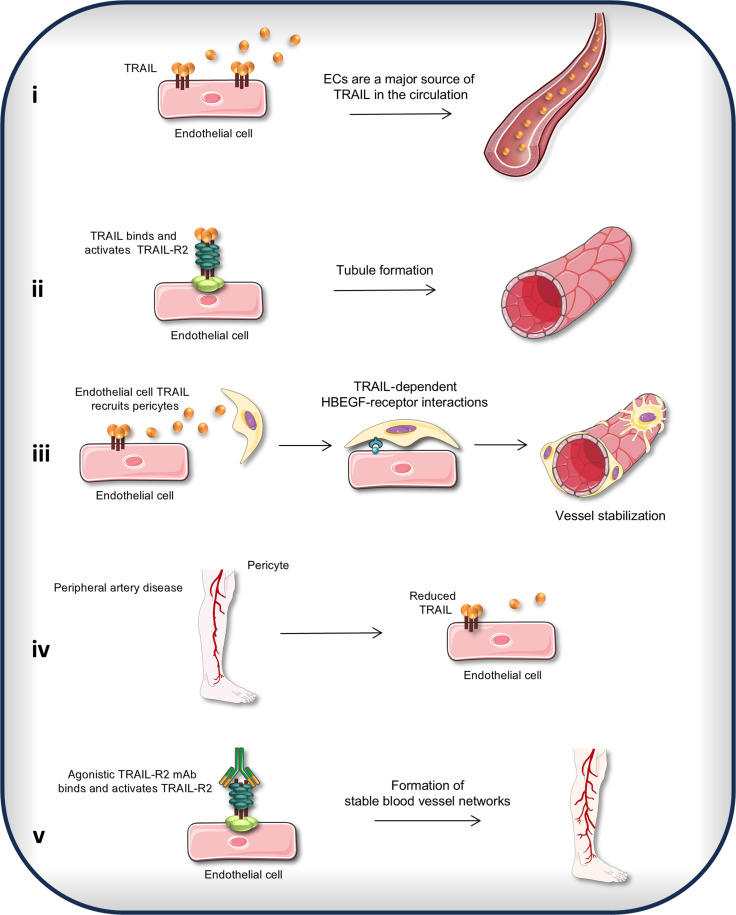
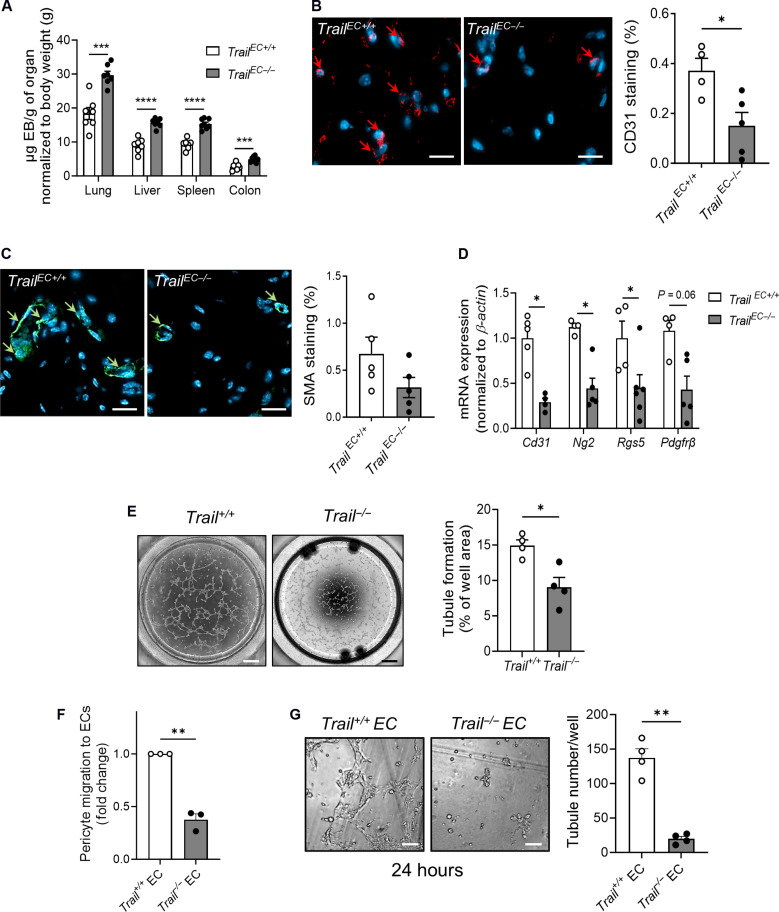
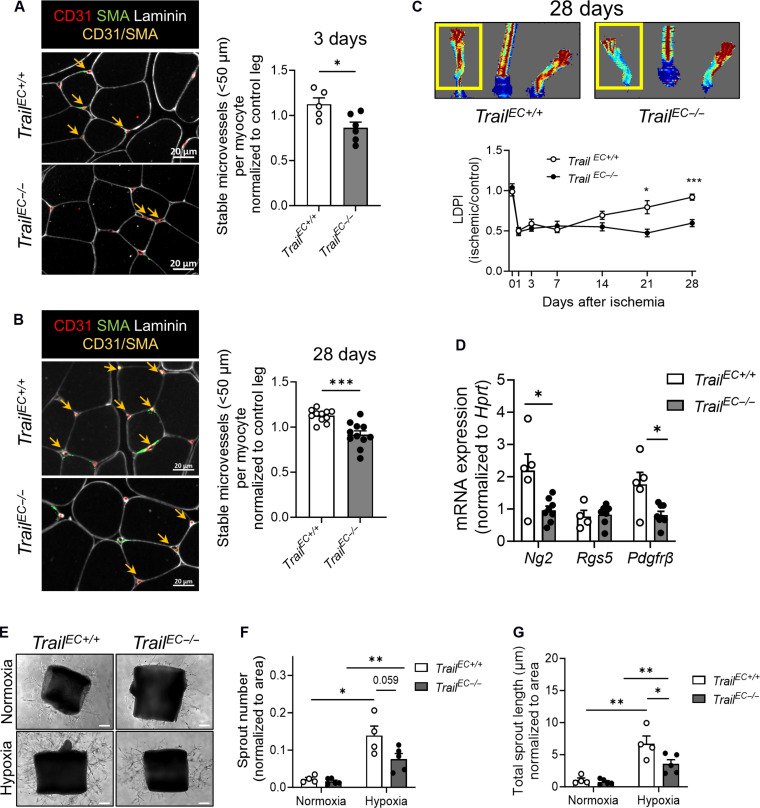
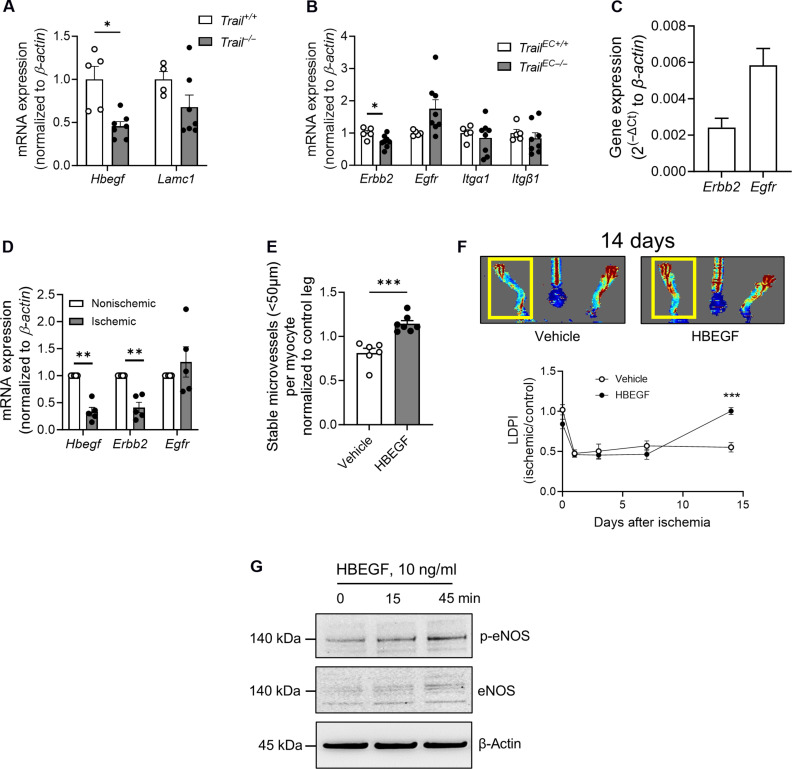
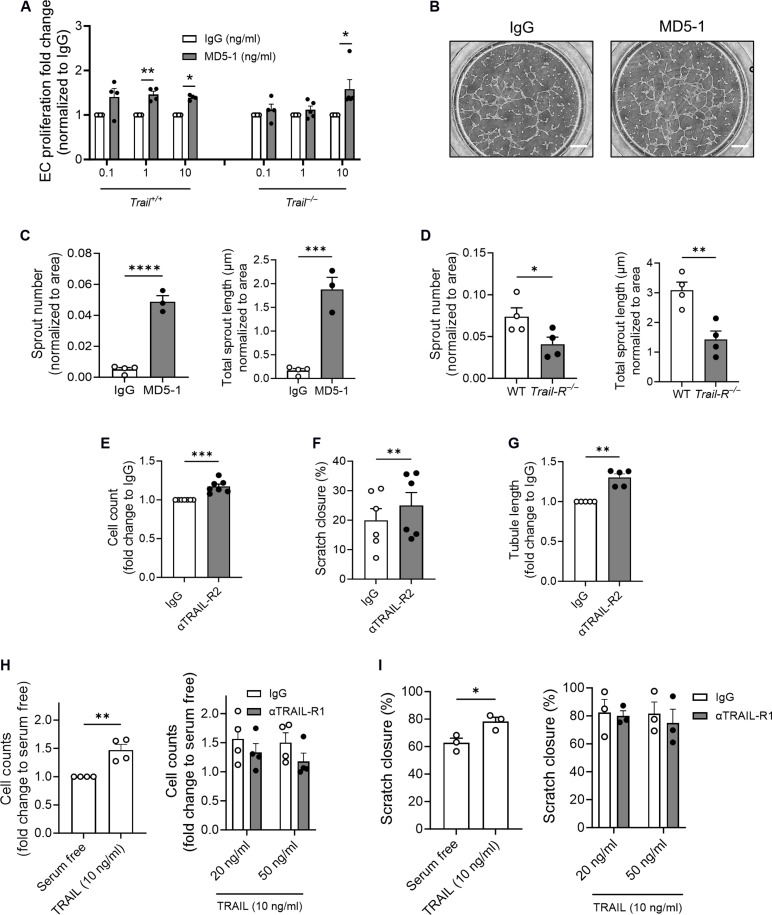
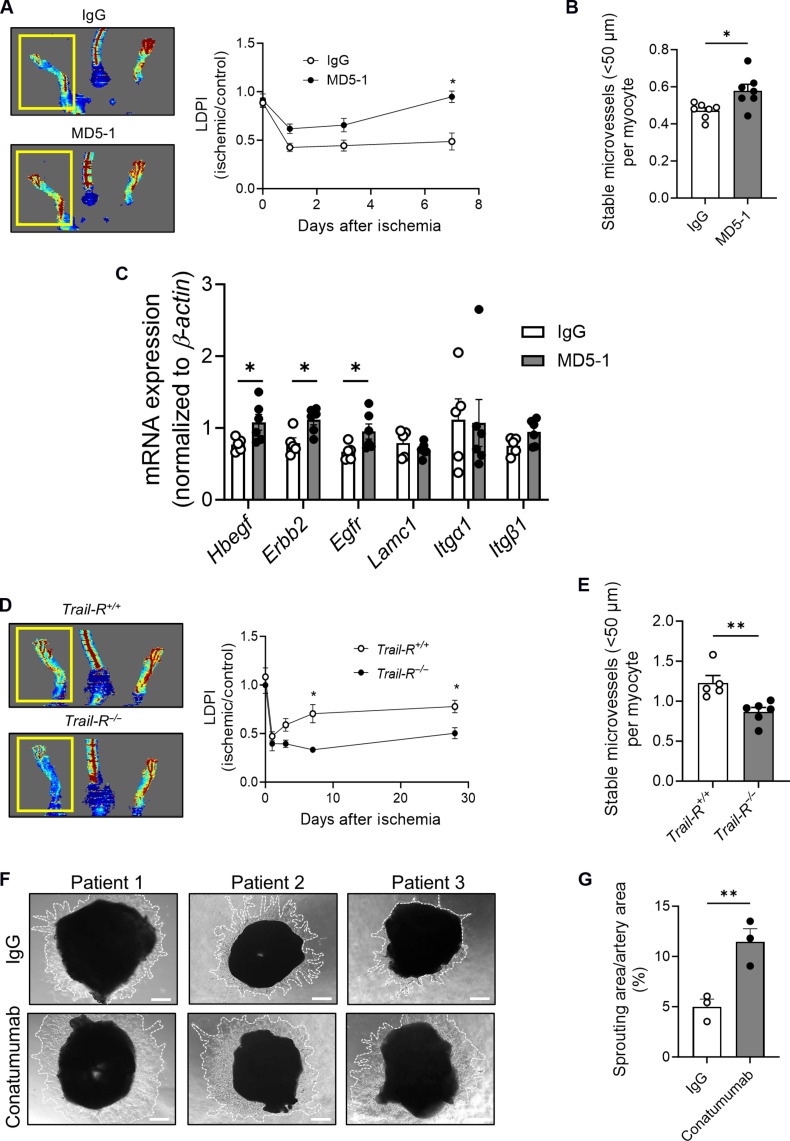
Reversal of ischemia is mediated by neo-angiogenesis requiring endothelial cell (EC) and pericyte interactions to form stable microvascular networks. We describe an unrecognized role for tumor necrosis factor-related apoptosis-inducing ligand (TRAIL) in potentiating neo-angiogenesis and vessel stabilization. We show that the endothelium is a major source of TRAIL in the healthy circulation compromised in peripheral artery disease (PAD). EC deletion of TRAIL in vivo or in vitro inhibited neo-angiogenesis, pericyte recruitment, and vessel stabilization, resulting in reduced lower-limb blood perfusion with ischemia. Activation of the TRAIL receptor (TRAIL-R) restored blood perfusion and stable blood vessel networks in mice. Proof-of-concept studies showed that Conatumumab, an agonistic TRAIL-R2 antibody, promoted vascular sprouts from explanted patient arteries. Single-cell RNA sequencing revealed heparin-binding EGF-like growth factor in mediating EC-pericyte communications dependent on TRAIL. These studies highlight unique TRAIL-dependent mechanisms mediating neo-angiogenesis and vessel stabilization and the potential of repurposing TRAIL-R2 agonists to stimulate stable and functional microvessel networks to treat ischemia in PAD.
缺血的逆转是由新血管生成介导的,需要内皮细胞 (EC) 和周细胞的相互作用来形成稳定的微血管网络。我们描述了肿瘤坏死因子相关凋亡诱导配体 (TRAIL) 在促进新血管生成和血管稳定中的一个未被认识的作用。我们表明,在健康循环中,内皮细胞是 TRAIL 的主要来源,而在周围动脉疾病 (PAD) 中则受到损害。体内或体外删除 EC 中的 TRAIL 会抑制新血管生成、周细胞募集和血管稳定,导致下肢血液灌注减少和缺血。TRAIL 受体 (TRAIL-R) 的激活恢复了小鼠的血液灌注和稳定的血管网络。概念验证研究表明,Conatumumab,一种激动性 TRAIL-R2 抗体,促进了从离体患者动脉中长出的血管芽。单细胞 RNA 测序显示肝素结合表皮生长因子样生长因子介导了依赖 TRAIL 的 EC-周细胞通讯。这些研究强调了独特的 TRAIL 依赖性机制介导新血管生成和血管稳定,以及重新利用 TRAIL-R2 激动剂刺激稳定和功能性微血管网络来治疗 PAD 中的缺血的潜力。