State Key Laboratory of Experimental Hematology, National Clinical Research Center for Blood Diseases, Haihe Laboratory of Cell Ecosystem, Institute of Hematology & Blood Diseases Hospital, Chinese Academy of Medical Sciences & Peking Union Medical College, Tianjin, China.
Tianjin Institutes of Health Science, Tianjin, China.
Front Immunol. 2024 Sep 24;15:1470328. doi: 10.3389/fimmu.2024.1470328. eCollection 2024.
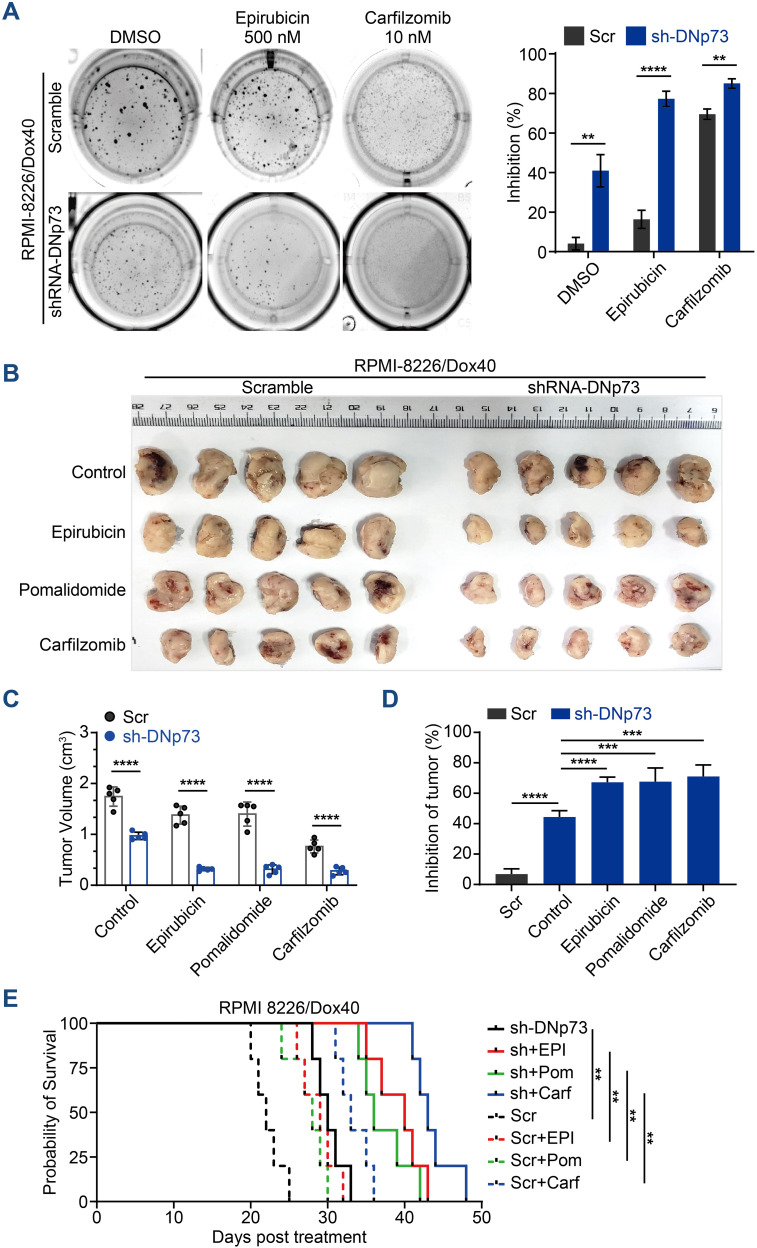
Multiple myeloma (MM) is an incurable hematological malignancy with high chromosome instability and heavy dependence on the immunosuppressive bone marrow microenvironment. P53 mutations are adverse prognostic factors in MM; however, clinically, some patients without P53 mutations also exhibit aggressive disease progression. DNp73, an inhibitor of TP53 tumor suppressor family members, drives drug resistance and cancer progression in several solid malignancies. Nevertheless, the biological functions of DNp73 and the molecular mechanisms in myelomagenesis remain unclear.
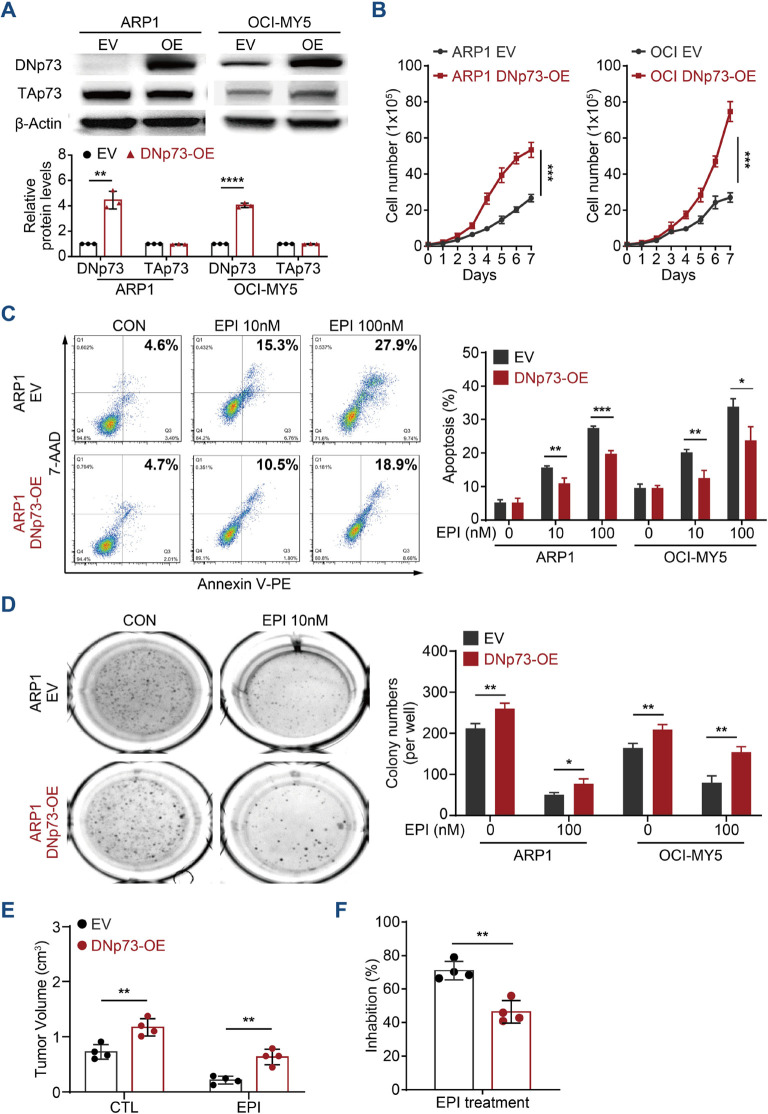
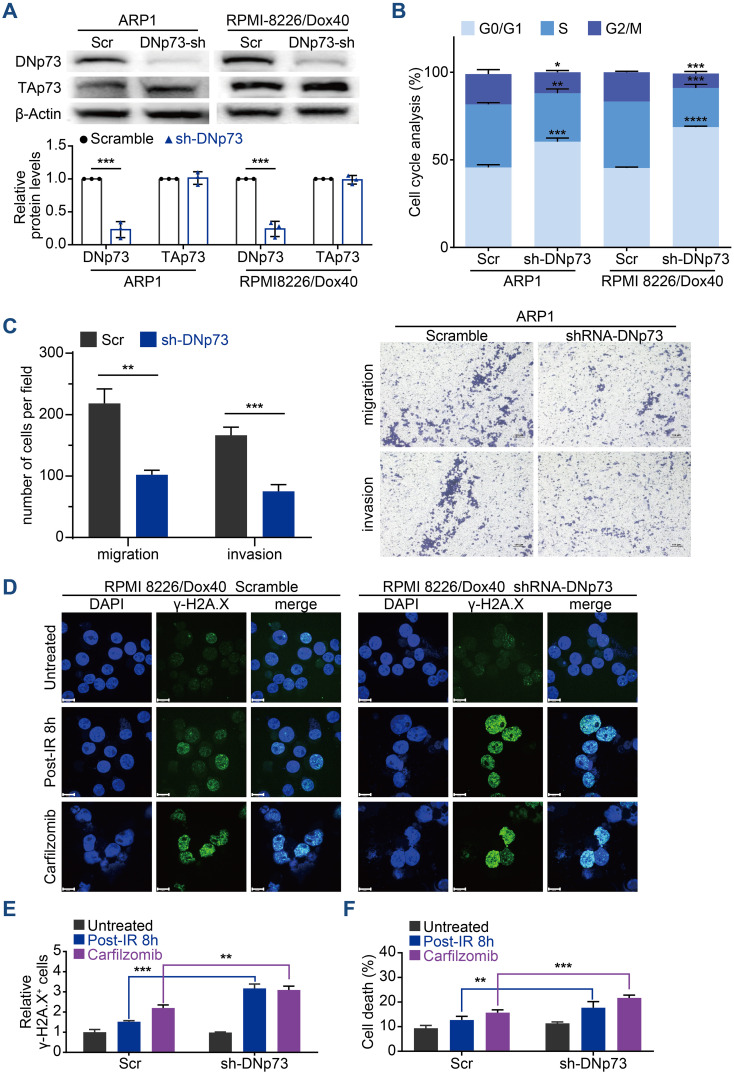
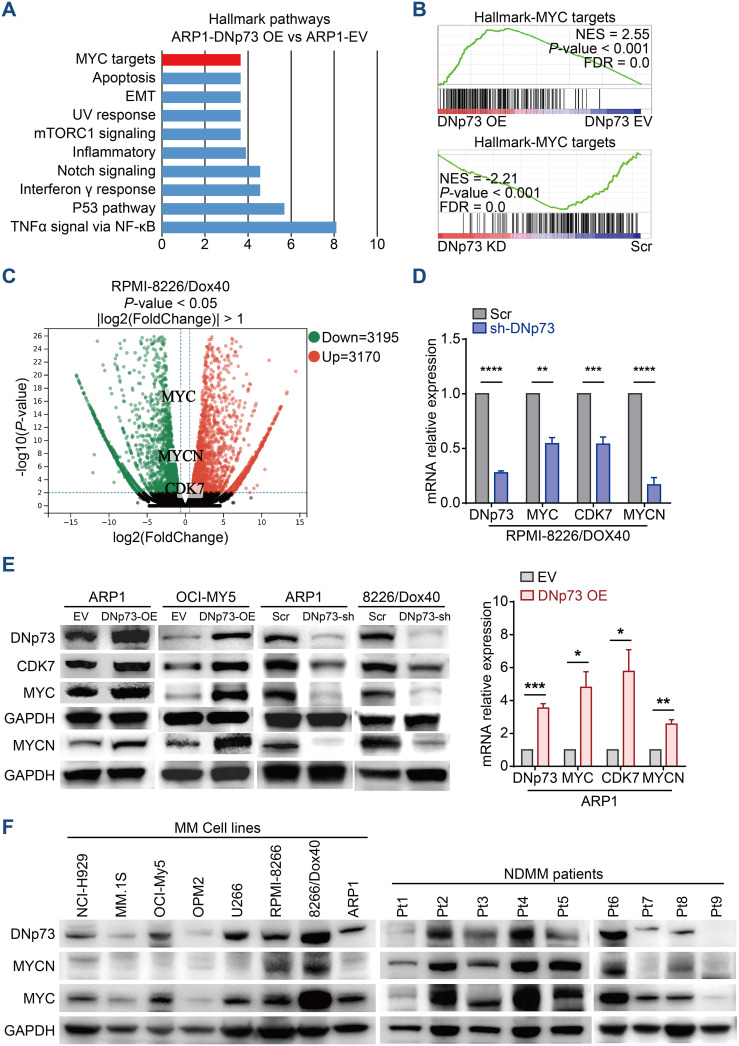
The effects of DNp73 on proliferation and drug sensitivity were assessed using flow cytometry and xenograft models. To investigate the mechanisms of drug resistance, RNA-seq and ChIP-seq analyses were performed in MM cell lines, with validation by Western blot and RT-qPCR. Immunofluorescence and transwell assays were used to assess DNA damage and cell invasion in MM cells. Additionally, in vitro phagocytosis assays were conducted to confirm the role of DNp73 in immune evasion.
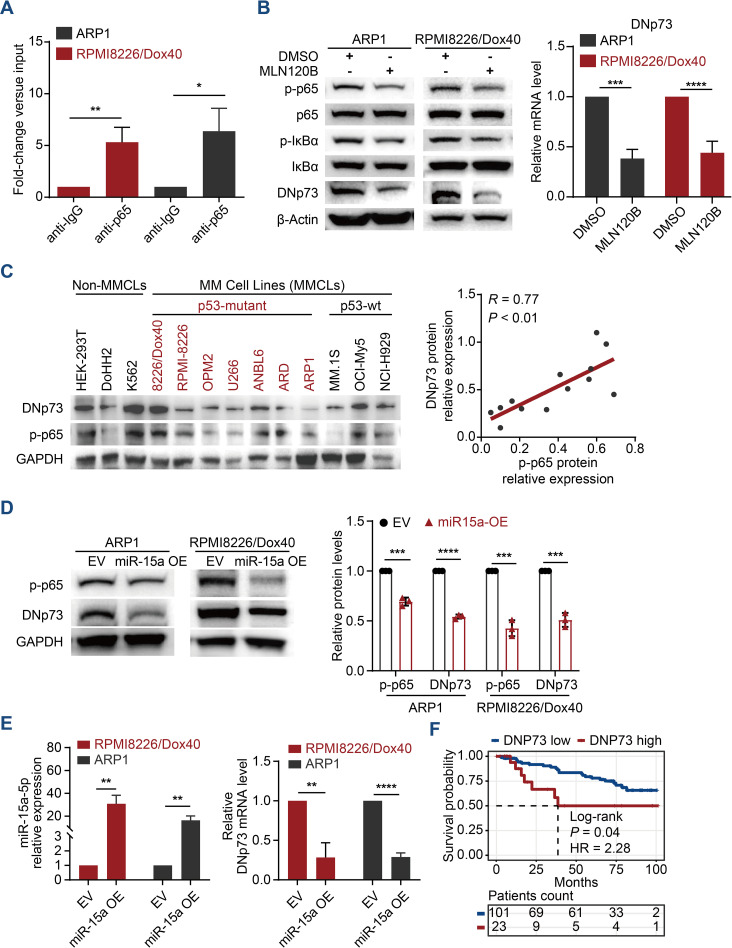
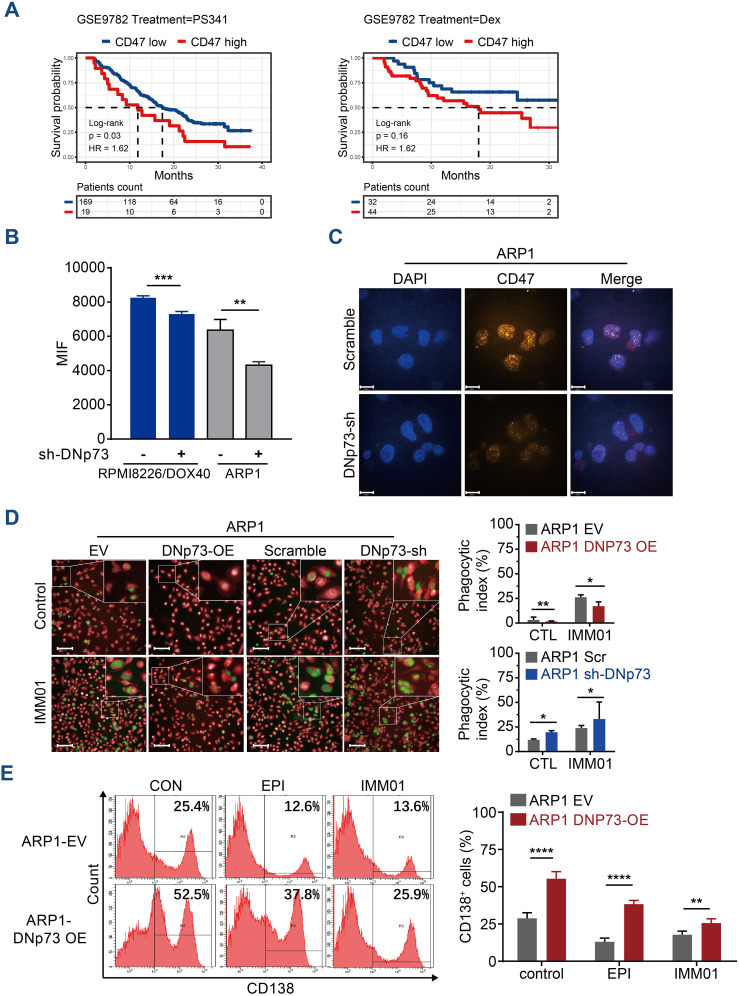
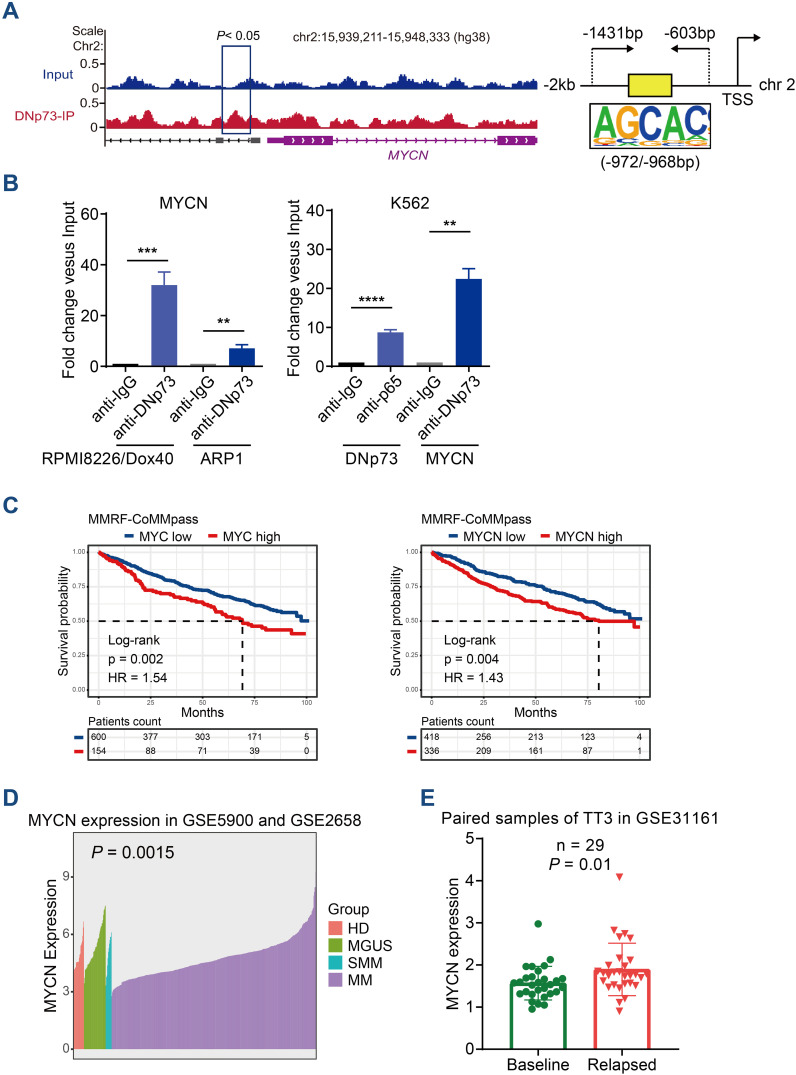
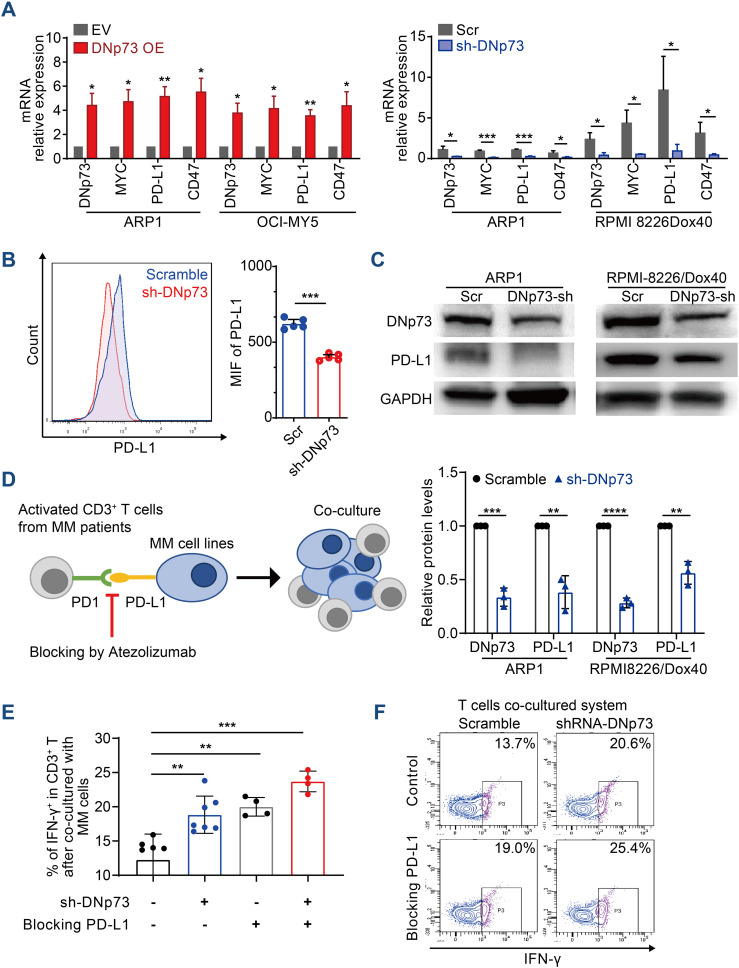
Our study found that activation of NF-κB-p65 in multiple myeloma cells with different p53 mutation statuses upregulates DNp73 expression at the transcriptional level. Forced expression of DNp73 promoted aggressive proliferation and multidrug resistance in MM cells. Bulk RNA-seq analysis was conducted to assess the levels of MYCN, MYC, and CDK7. A ChIP-qPCR assay was used to reveal that DNp73 acts as a transcription factor regulating MYCN gene expression. Bulk RNA-seq analysis demonstrated increased levels of MYCN, MYC, and CDK7 with forced DNp73 expression in MM cells. A ChIP-qPCR assay revealed that DNp73 upregulates MYCN gene expression as a transcription factor. Additionally, DNp73 promoted immune evasion of MM cells by upregulating MYC target genes CD47 and PD-L1. Blockade of the CD47/SIRPα and PD-1/PD-L1 signaling pathways by the SIRPα-Fc fusion protein IMM01 and monoclonal antibody atezolizumab significantly restored the anti-MM activity of macrophages and T cells in the microenvironment, respectively.
In summary, our study demonstrated for the first time that the p53 family member DNp73 remarkably induces proliferation, drug resistance, and immune escape of myeloma cells by directly targeting MYCN and regulating the MYC pathway. The oncogenic function of DNp73 is independent of p53 status in MM cells. These data contribute to a better understanding of the function of TP53 and its family members in tumorigenesis. Moreover, our study clarified that DNp73 overexpression not only promotes aggressive growth of tumor cells but, more importantly, promotes immune escape of MM cells through upregulation of immune checkpoints. DNp73 could serve as a biomarker for immunotherapy targeting PD-L1 and CD47 blockade in MM patients.
多发性骨髓瘤(MM)是一种不可治愈的血液恶性肿瘤,具有高度的染色体不稳定性和对免疫抑制性骨髓微环境的严重依赖。p53 突变是 MM 的不良预后因素;然而,临床上,一些没有 p53 突变的患者也表现出侵袭性疾病进展。DNp73 是 TP53 肿瘤抑制家族成员的抑制剂,可在几种实体恶性肿瘤中引发耐药性和癌症进展。然而,DNp73 的生物学功能和在骨髓瘤发生中的分子机制仍不清楚。
使用流式细胞术和异种移植模型评估 DNp73 对增殖和药物敏感性的影响。为了研究耐药机制,在 MM 细胞系中进行了 RNA-seq 和 ChIP-seq 分析,并通过 Western blot 和 RT-qPCR 进行了验证。免疫荧光和 Transwell 测定用于评估 MM 细胞中的 DNA 损伤和细胞侵袭。此外,进行了体外吞噬测定以确认 DNp73 在免疫逃逸中的作用。
我们的研究发现,不同 p53 突变状态的多发性骨髓瘤细胞中 NF-κB-p65 的激活会在转录水平上上调 DNp73 的表达。强制表达 DNp73 可促进 MM 细胞的侵袭性增殖和多药耐药性。进行了批量 RNA-seq 分析以评估 MYCN、MYC 和 CDK7 的水平。进行了 ChIP-qPCR 测定以揭示 DNp73 作为转录因子调节 MYCN 基因表达。批量 RNA-seq 分析表明,在 MM 细胞中强制表达 DNp73 会增加 MYCN、MYC 和 CDK7 的水平。ChIP-qPCR 测定揭示 DNp73 作为转录因子上调 MYCN 基因表达。此外,DNp73 通过上调 MYC 靶基因 CD47 和 PD-L1 促进 MM 细胞的免疫逃逸。SIRPα-Fc 融合蛋白 IMM01 和单克隆抗体 atezolizumab 阻断 CD47/SIRPα 和 PD-1/PD-L1 信号通路分别显著恢复了微环境中巨噬细胞和 T 细胞对 MM 的抗活性。
总之,我们的研究首次表明,p53 家族成员 DNp73 通过直接靶向 MYCN 并调节 MYC 通路,显著诱导骨髓瘤细胞的增殖、耐药性和免疫逃逸。DNp73 的致癌功能在 MM 细胞中独立于 p53 状态。这些数据有助于更好地理解 TP53 及其家族成员在肿瘤发生中的功能。此外,我们的研究表明,DNp73 的过表达不仅促进肿瘤细胞的侵袭性生长,而且更重要的是通过上调免疫检查点促进 MM 细胞的免疫逃逸。DNp73 可作为 MM 患者针对 PD-L1 的免疫治疗和 CD47 阻断的生物标志物。