Wang Wen-Chuan, Gu Miao, Hong Yang-Hao, Hu Xiao-Xue, Zang Hong-Fei, Chen Xiao-Nan, Jin Yan-Guo
College of Water Resources, North China University of Water Resources and Electric Power, Zhengzhou, 450046, China.
China South-to-North Water Diversion Middle Route Corporation Limited, Beijing, 100038, China.
Sci Rep. 2024 Oct 9;14(1):23550. doi: 10.1038/s41598-024-74329-0.
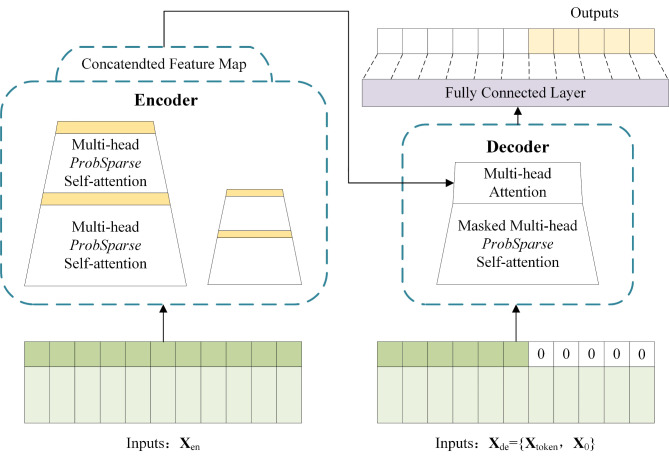
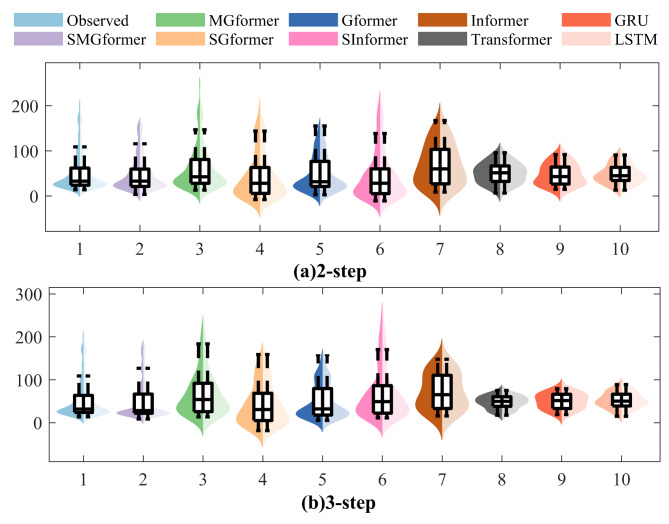
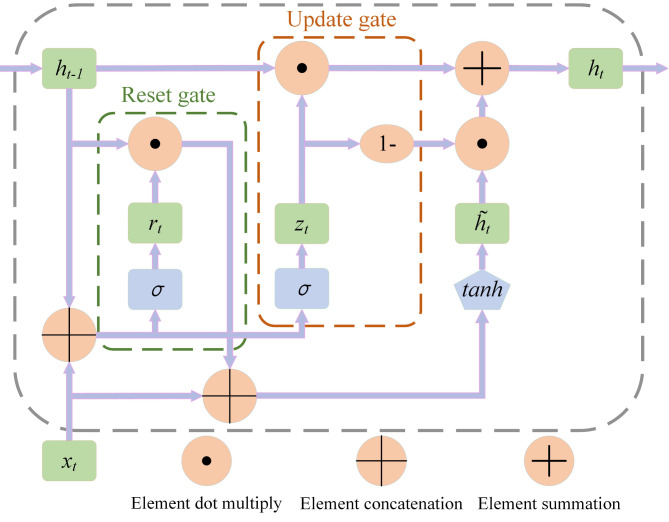
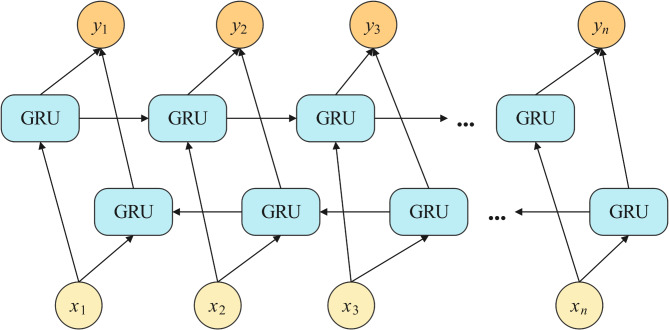
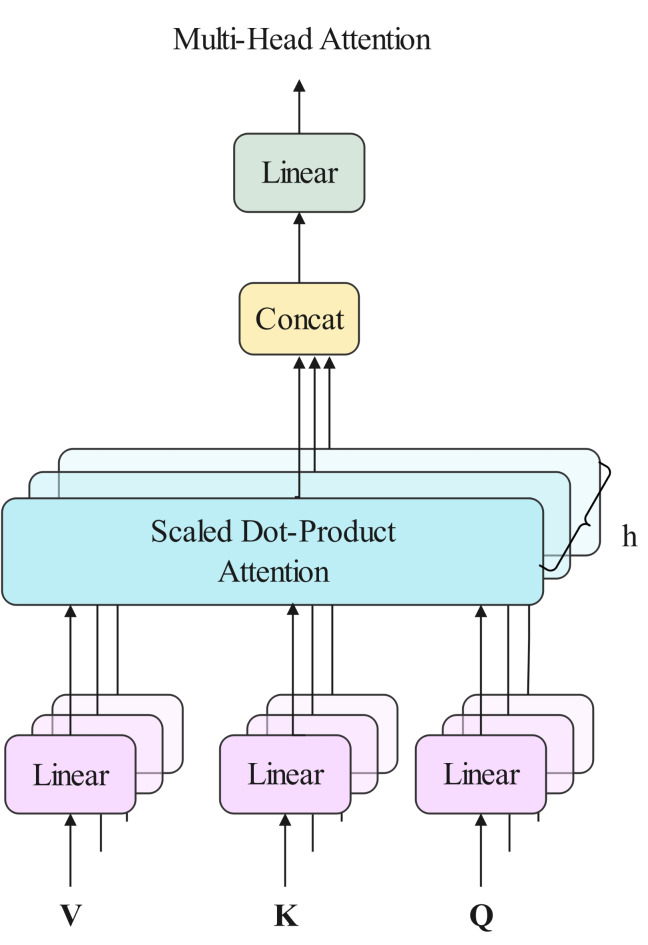
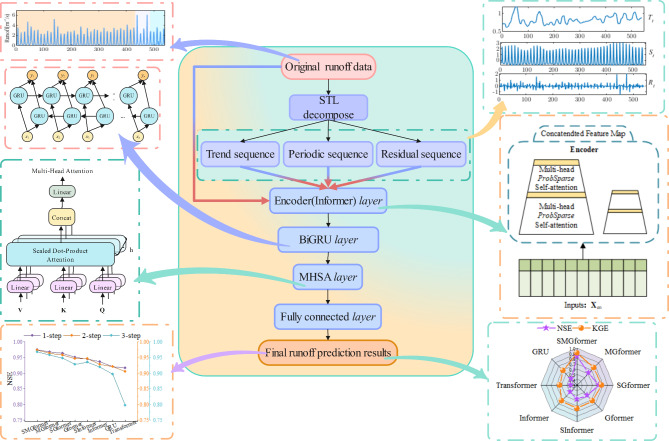
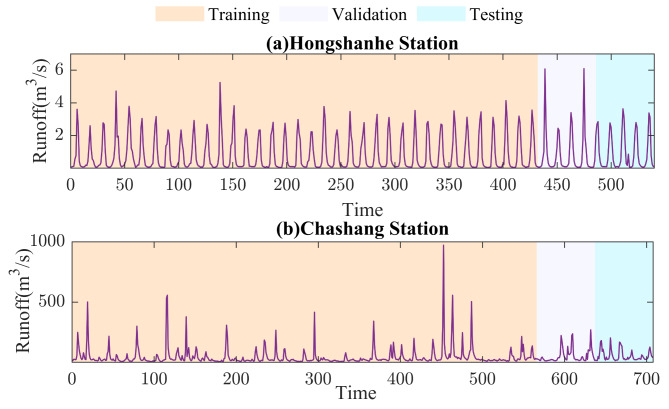
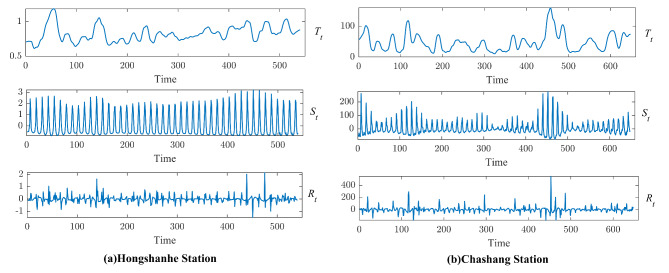
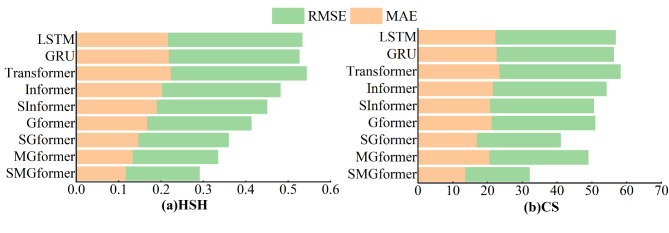
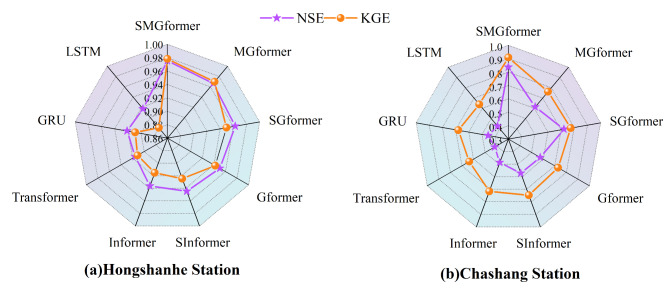
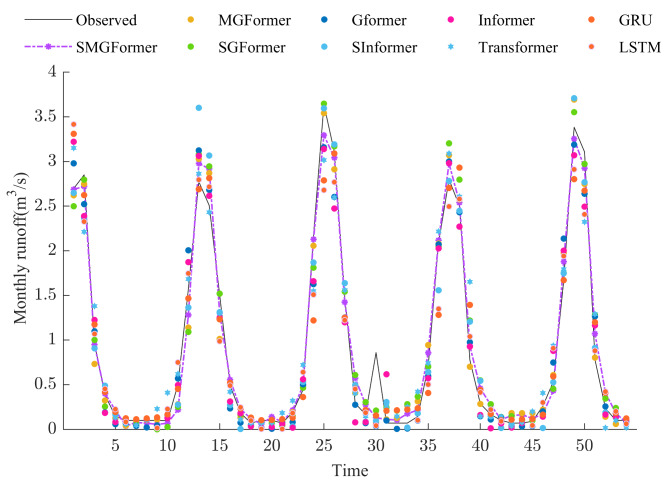
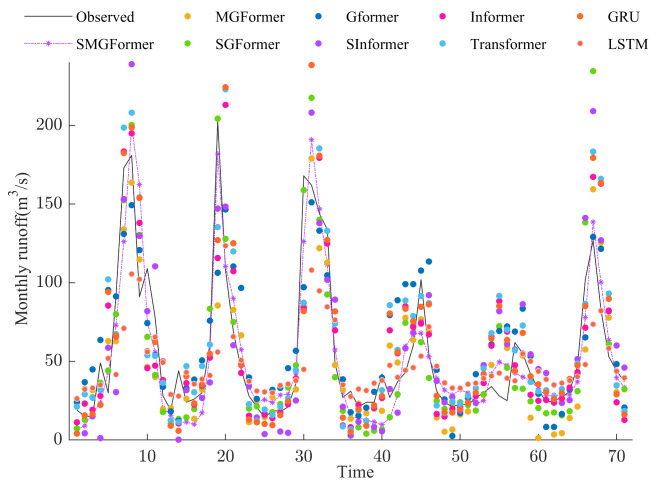
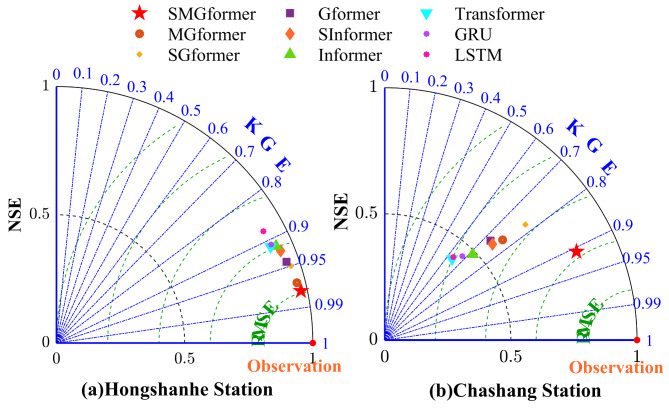
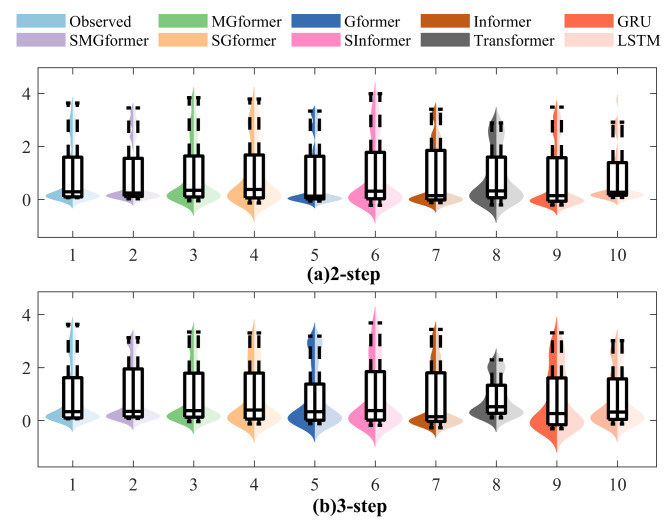
Accurate runoff forecasting is of great significance for water resource allocation flood control and disaster reduction. However, due to the inherent strong randomness of runoff sequences, this task faces significant challenges. To address this challenge, this study proposes a new SMGformer runoff forecast model. The model integrates Seasonal and Trend decomposition using Loess (STL), Informer's Encoder layer, Bidirectional Gated Recurrent Unit (BiGRU), and Multi-head self-attention (MHSA). Firstly, in response to the nonlinear and non-stationary characteristics of the runoff sequence, the STL decomposition is used to extract the runoff sequence's trend, period, and residual terms, and a multi-feature set based on 'sequence-sequence' is constructed as the input of the model, providing a foundation for subsequent models to capture the evolution of runoff. The key features of the input set are then captured using the Informer's Encoder layer. Next, the BiGRU layer is used to learn the temporal information of these features. To further optimize the output of the BiGRU layer, the MHSA mechanism is introduced to emphasize the impact of important information. Finally, accurate runoff forecasting is achieved by transforming the output of the MHSA layer through the Fully connected layer. To verify the effectiveness of the proposed model, monthly runoff data from two hydrological stations in China are selected, and eight models are constructed to compare the performance of the proposed model. The results show that compared with the Informer model, the 1th step MAE of the SMGformer model decreases by 42.2% and 36.6%, respectively; RMSE decreases by 37.9% and 43.6% respectively; NSE increases from 0.936 to 0.975 and from 0.487 to 0.837, respectively. In addition, the KGE of the SMGformer model at the 3th step are 0.960 and 0.805, both of which can maintain above 0.8. Therefore, the model can accurately capture key information in the monthly runoff sequence and extend the effective forecast period of the model.
准确的径流预测对于水资源配置、防洪减灾具有重要意义。然而,由于径流序列固有的强随机性,这项任务面临重大挑战。为应对这一挑战,本研究提出了一种新的SMGformer径流预测模型。该模型集成了使用局部加权回归散点平滑法(STL)的季节性和趋势分解、Informer的编码器层、双向门控循环单元(BiGRU)和多头自注意力机制(MHSA)。首先,针对径流序列的非线性和非平稳特性,采用STL分解提取径流序列的趋势、周期和残差项,并构建基于“序列-序列”的多特征集作为模型的输入,为后续模型捕捉径流演变提供基础。然后使用Informer的编码器层捕捉输入集的关键特征。接下来,BiGRU层用于学习这些特征的时间信息。为进一步优化BiGRU层的输出,引入MHSA机制以强调重要信息的影响。最后,通过全连接层对MHSA层的输出进行变换,实现准确的径流预测。为验证所提模型的有效性,选取了中国两个水文站的月径流数据,并构建了八个模型来比较所提模型的性能。结果表明,与Informer模型相比,SMGformer模型第1步的平均绝对误差(MAE)分别降低了42.2%和36.6%;均方根误差(RMSE)分别降低了37.9%和43.6%;纳什效率系数(NSE)分别从0.936提高到0.975以及从0.487提高到0.837。此外,SMGformer模型在第3步的Kling-Gupta效率系数(KGE)分别为0.960和0.805,两者均能保持在0.8以上。因此,该模型能够准确捕捉月径流序列中的关键信息,并延长模型的有效预测期。