Berg Tobias
Section V4 Road Equipment, Federal Highway Research Institute (BASt), Bruederstraße 53, D-51427, Bergisch Gladbach, Germany.
Heliyon. 2024 Sep 16;10(19):e37989. doi: 10.1016/j.heliyon.2024.e37989. eCollection 2024 Oct 15.
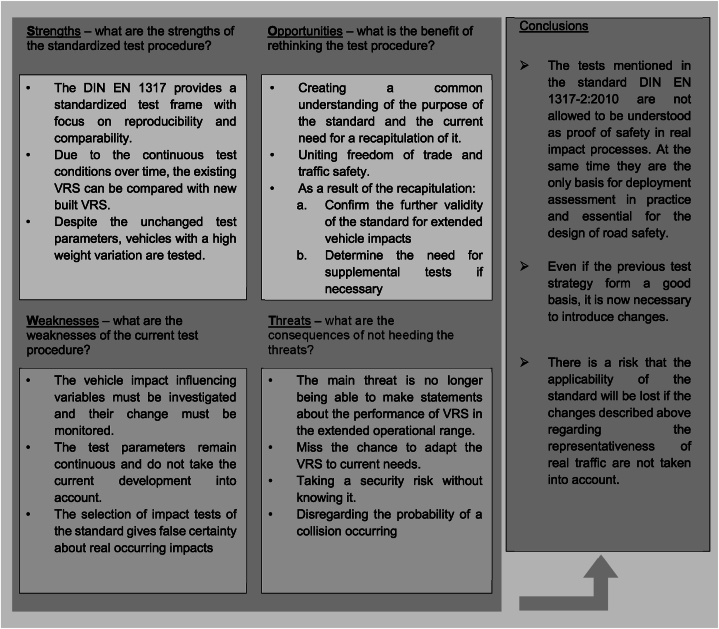
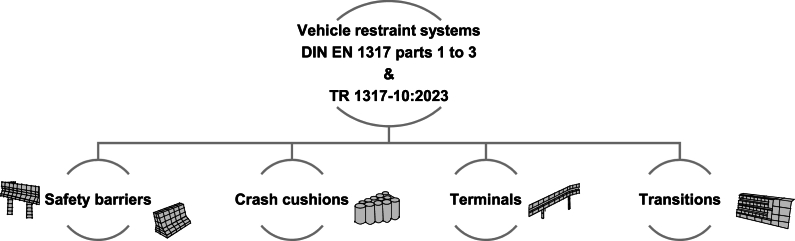
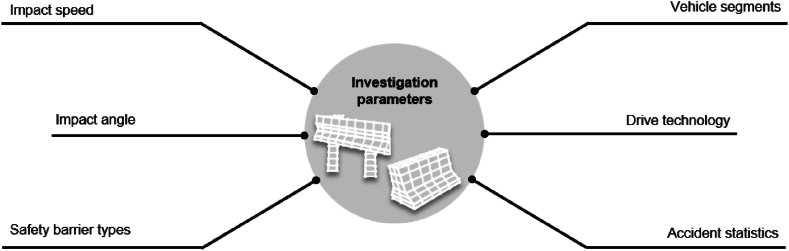
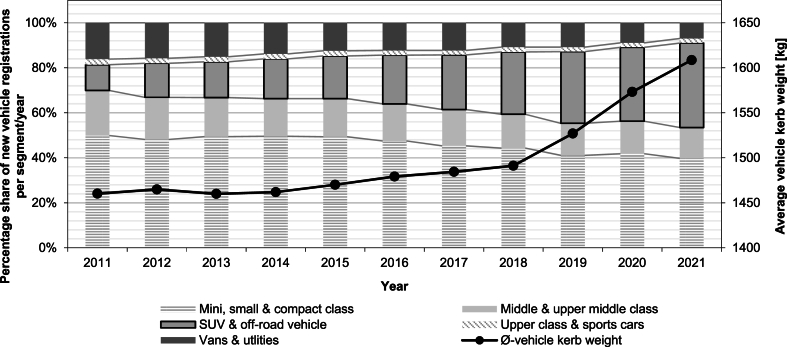
Vehicle restraint systems and especially the impact of a collision on such are subject to various influencing variables. These systems are tested and approved through vehicle impact tests to ensure that safety standards are met as well as to ensure comparability amongst the systems. However, differences in the objectives of the standard DIN EN 1317 and the behaviour in practice have become apparent. There is the standard DIN EN 1317 which defines the impact tests on testing grounds. Nevertheless, there are a number of influencing parameters such as developments in the vehicle fleet over the last years, available safety barriers, including their construction types and the impact itself. Previous research indicates that there could be a gap between these parameters. This research uses an empirical analysis based on chiefly quantitative data sources to evaluate the differences between these parameters. It leads to a partial divergence between static requirements of the standard and the actual road traffic conditions. Additionaly, the differences are developed within a vulnerability analysis and for the purpose of comparison, the advantages as well as the disadvantages of the standardized impact tests are discussed in this paper. As a result, a parameter based suggestion for a reevaluation of impact tests for safety barriers, according to the standard DIN EN 1317, is advisable due to the changing road traffic on the current stock and new barrier systems to be built. This research strives to illuminate the trend for new investigation methods such as the finite element method (FEM) simulation. It gives an outlook to further research needs in safety barriers, principally in the observation of the future development of the impact parameters. At the same time, impulses and potential for improvement can be identified for the future documentation of vehicle impacts on these barriers.
车辆约束系统,尤其是碰撞对其产生的影响,会受到各种影响变量的作用。这些系统通过车辆碰撞测试进行检验和认证,以确保符合安全标准,并保证各系统之间具有可比性。然而,标准DIN EN 1317的目标与实际运行中的表现之间的差异已经显现出来。存在定义试验场碰撞测试的标准DIN EN 1317。然而,存在许多影响参数,例如过去几年车辆保有量的发展、可用的安全屏障,包括其结构类型以及碰撞本身。先前的研究表明,这些参数之间可能存在差距。本研究采用主要基于定量数据源的实证分析来评估这些参数之间的差异。这导致了标准的静态要求与实际道路交通状况之间的部分差异。此外,在脆弱性分析中得出了这些差异,并且为了进行比较,本文讨论了标准化碰撞测试的优点和缺点。结果,鉴于现有存量道路上不断变化的道路交通情况以及即将建造的新屏障系统,根据标准DIN EN 1317,提出基于参数的安全屏障碰撞测试重新评估建议是可取的。本研究致力于阐明诸如有限元法(FEM)模拟等新研究方法的趋势。它展望了安全屏障方面进一步的研究需求,主要是对碰撞参数未来发展的观察。同时,可以为未来记录车辆对这些屏障的碰撞确定改进的动力和潜力。