Nazari Simin, Abdelrasoul Amira
Division of Biomedical Engineering, University of Saskatchewan, 57 Campus Drive, Saskatoon, Saskatchewan, S7N 5A9 Canada.
Department of Chemical and Biological Engineering, University of Saskatchewan, 57 Campus Drive, Saskatoon, Saskatchewan, S7N 5A9 Canada.
Funct Compos Mater. 2024;5(1):12. doi: 10.1186/s42252-024-00062-6. Epub 2024 Sep 11.
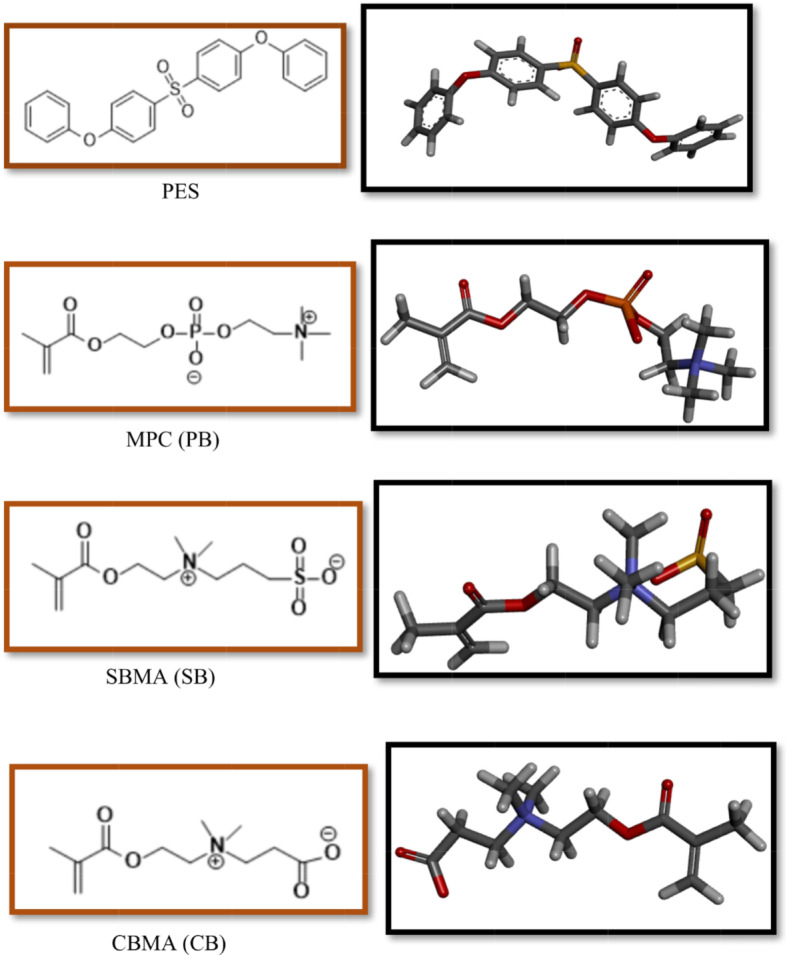
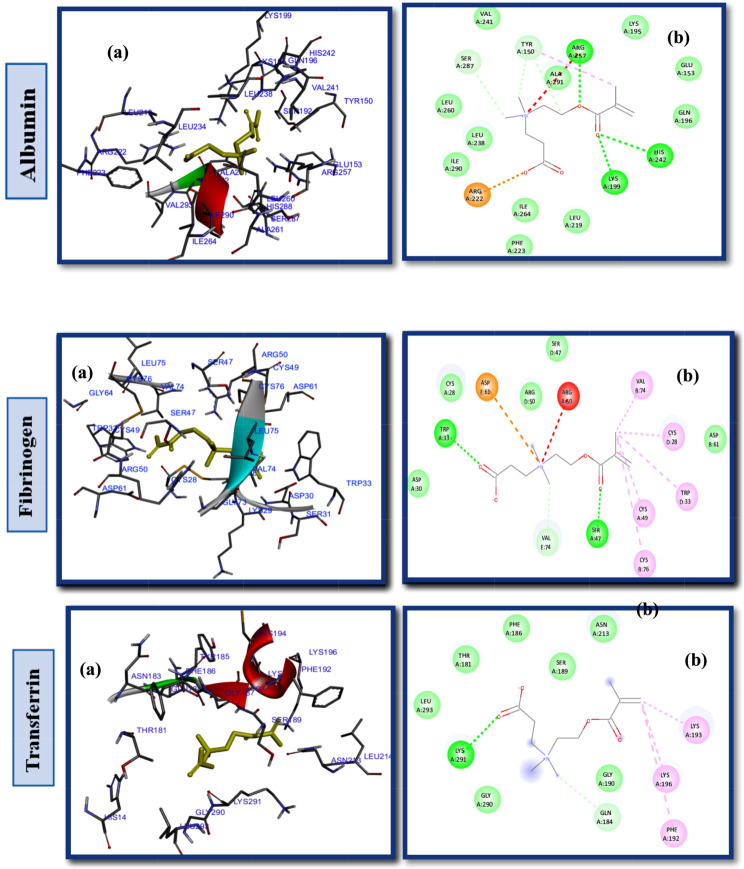
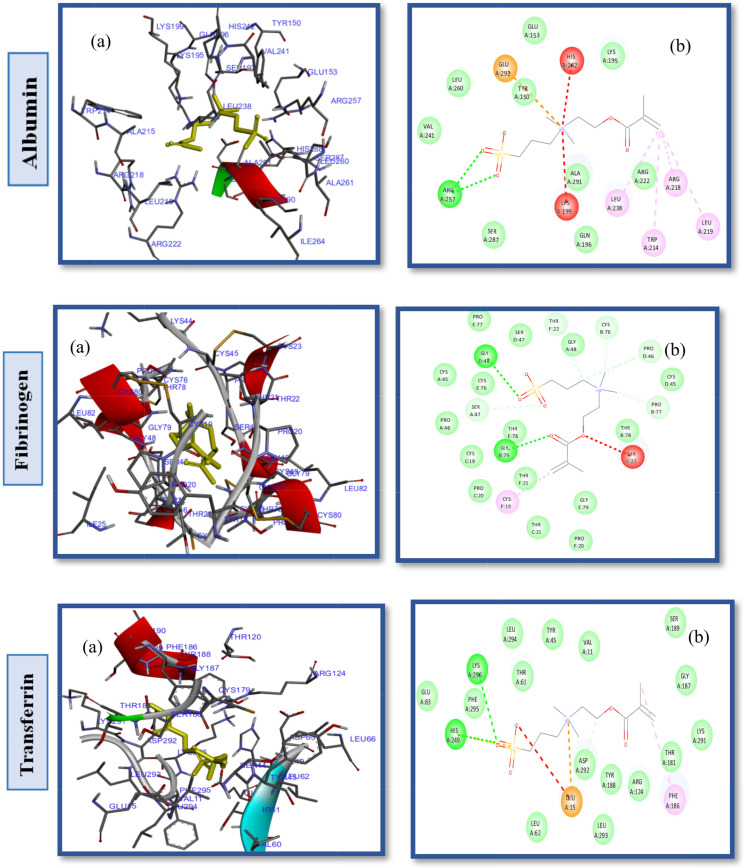
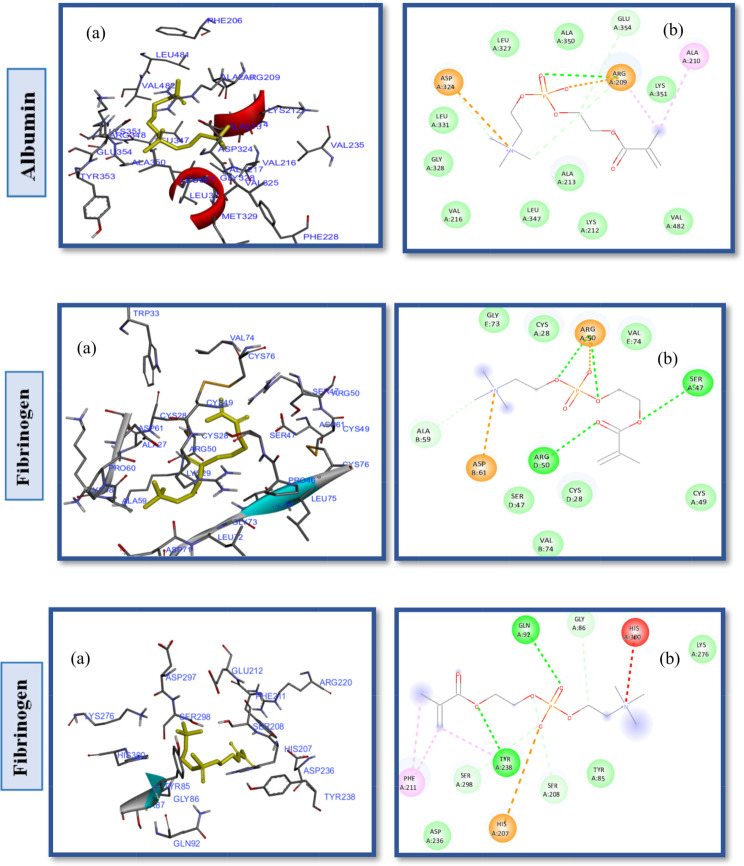
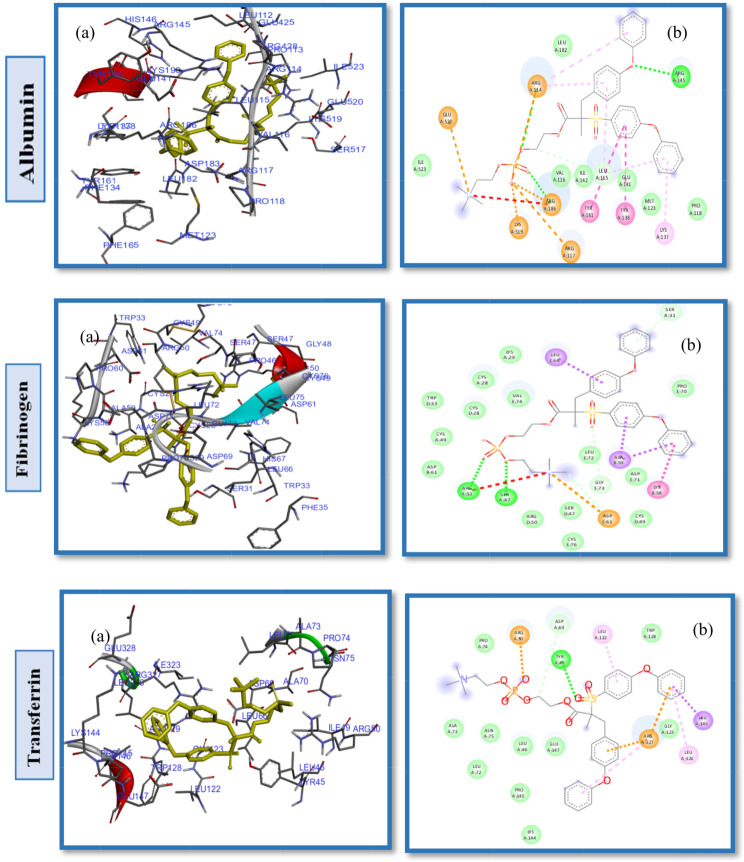
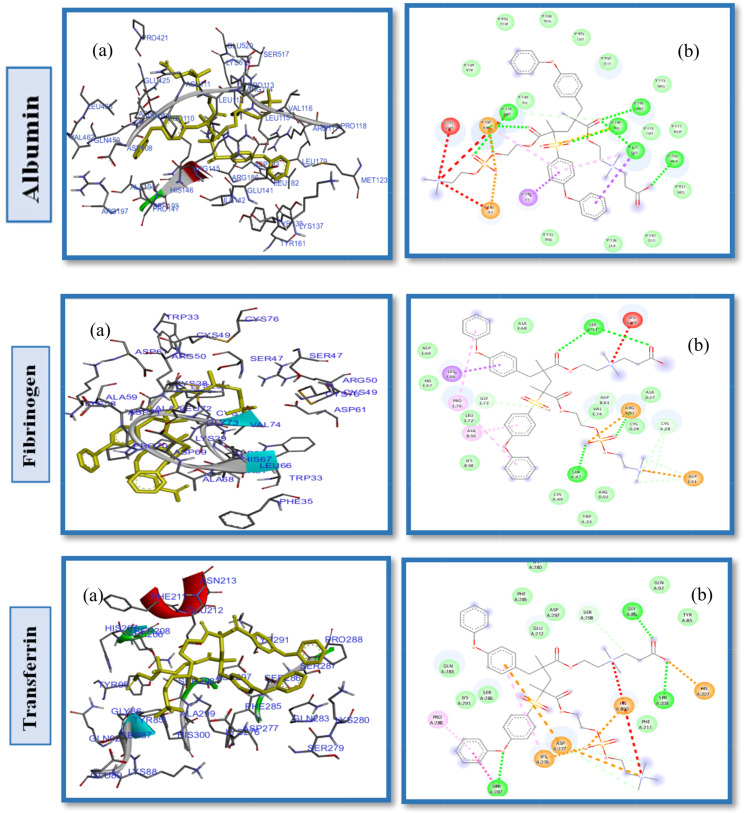
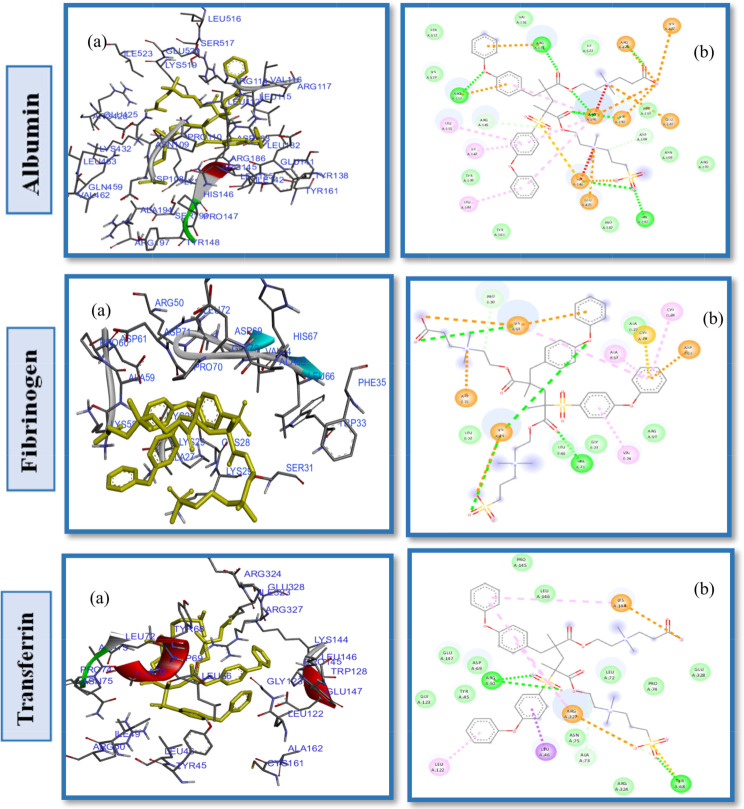
In the realm of hemodialysis, Polyethersulfone (PES) membranes dominate due to their exceptional stability and mechanical properties, capturing 93% of the market. Despite their widespread usage, the hydrophobic nature of PES introduces complications in hemodialysis, potentially leading to severe adverse reactions in patients with end-stage renal disease (ESRD) through protein fouling. Addressing this issue, our study focused on enhancing hemocompatibility by modifying PES surfaces with zwitterionic materials, known for their hydrophilicity and biological membrane compatibility. We investigated the functionalization of PES membranes utilizing various zwitterions in different ratios. Utilizing molecular docking, we examined the interactions of three zwitterionic ligands-carboxybetaine methacrylate (CBMA), sulfobetaine methacrylate (SBMA), and (2-(methacryloyloxy)ethyl) phosphorylcholine (MPC)-with human serum proteins. Our analysis revealed that a 1:1 ratio of phosphobetaine and sulfobetaine exhibits the lowest affinity energy towards serum proteins, denoting an optimal hemocompatibility without the limitations associated with increased zwitterion ratios. This pivotal finding offers a new pathway for developing more efficient and safer hemodialysis membranes, promising improved care for ESRD patients.
The online version contains supplementary material available at 10.1186/s42252-024-00062-6.
在血液透析领域,聚醚砜(PES)膜因其卓越的稳定性和机械性能占据主导地位,占据了93%的市场份额。尽管其应用广泛,但PES的疏水性在血液透析中引发了并发症,可能通过蛋白质污染对终末期肾病(ESRD)患者导致严重不良反应。为解决这一问题,我们的研究聚焦于通过用两性离子材料修饰PES表面来提高血液相容性,两性离子材料以其亲水性和生物膜相容性而闻名。我们研究了以不同比例使用各种两性离子对PES膜进行功能化。利用分子对接,我们研究了三种两性离子配体——甲基丙烯酸羧基甜菜碱(CBMA)、甲基丙烯酸磺基甜菜碱(SBMA)和2-(甲基丙烯酰氧基)乙基磷酰胆碱(MPC)——与人血清蛋白的相互作用。我们的分析表明,磷酸甜菜碱和磺基甜菜碱1:1的比例对血清蛋白表现出最低的亲和能,这表明具有最佳的血液相容性,而不存在与两性离子比例增加相关的局限性。这一关键发现为开发更高效、更安全的血液透析膜提供了一条新途径,有望改善对ESRD患者的护理。
在线版本包含可在10.1186/s42252-024-00062-6获取的补充材料。