Luo Dongmei, Dashti S Ghazaleh, Sawyer Susan M, Vijayakumar Nandita
Department of Paediatrics, University of Melbourne, Parkville, VIC, Australia.
Centre for Adolescent Health, Royal Children's Hospital, and Murdoch Children's Research Institute, Parkville, VIC, Australia.
EClinicalMedicine. 2024 Oct 1;76:102828. doi: 10.1016/j.eclinm.2024.102828. eCollection 2024 Oct.
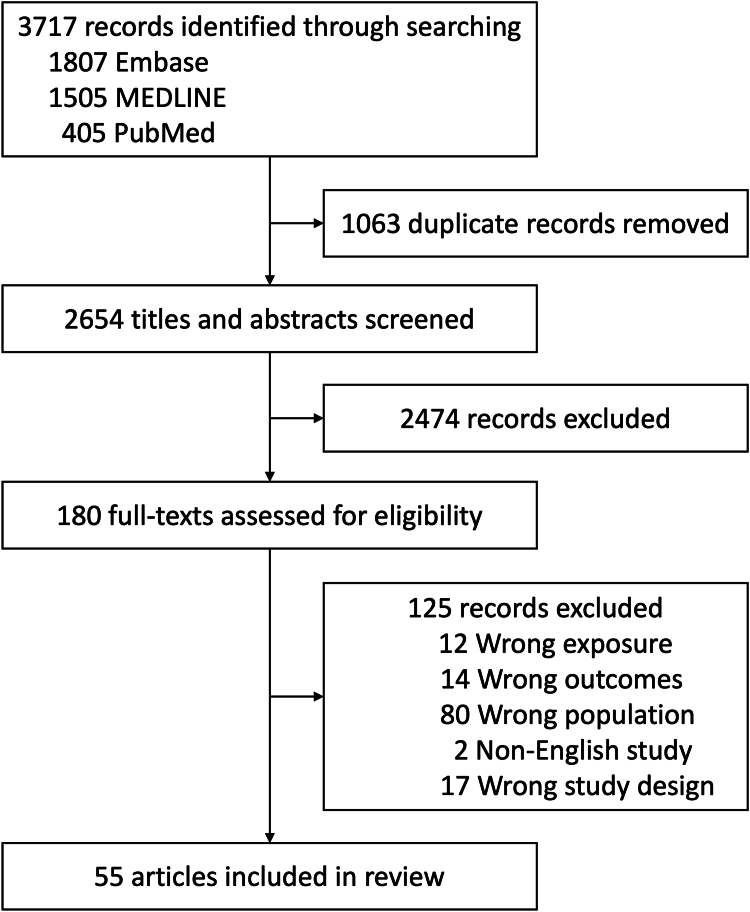
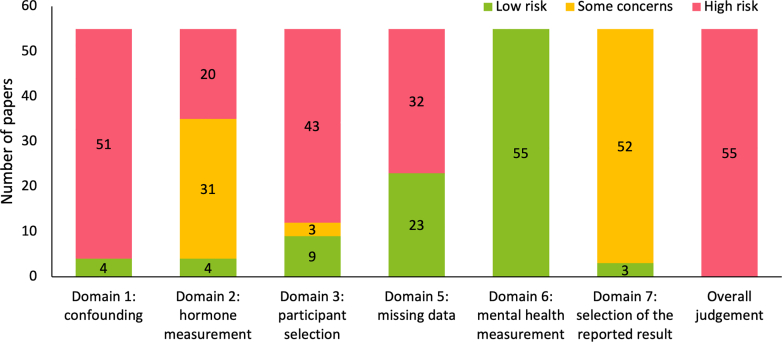
Given the increased prevalence of mental health problems during adolescence, there is considerable interest in understanding potential biological mechanisms including the contribution of pubertal hormones. This systematic review of 55 papers aimed to synthesize the evidence for the effect of pubertal hormones on the risk for mental health problems in children and adolescents. The pattern of findings from included studies suggested associations of testosterone and estradiol with certain types of mental health problems, but with inconsistencies relating to DHEA and DHEA-S. However, the state of evidence for the causal effects of hormones was determined to be weak given assessment of bias from confounding, hormone measurement error, selection bias and missingness. Further investigations with careful consideration of study design and analysis, particularly accounting for short-term variation of hormone levels and appropriate selection of confounders, is necessary to advance our understanding of hormonal effects on mental health. Such efforts will improve knowledge of risk mechanisms, and may support the development of targeted intervention efforts for mental health problems.
鉴于青春期心理健康问题的患病率上升,人们对了解潜在的生物学机制(包括青春期激素的作用)有着浓厚的兴趣。这项对55篇论文的系统综述旨在综合青春期激素对儿童和青少年心理健康问题风险影响的证据。纳入研究的结果模式表明,睾酮和雌二醇与某些类型的心理健康问题有关,但脱氢表雄酮(DHEA)和硫酸脱氢表雄酮(DHEA-S)的相关结果存在不一致。然而,考虑到混杂因素、激素测量误差、选择偏倚和数据缺失导致的偏差评估,激素因果效应的证据状况被判定为薄弱。有必要进行进一步的研究,仔细考虑研究设计和分析,特别是要考虑激素水平的短期变化并适当选择混杂因素,以增进我们对激素对心理健康影响的理解。这些努力将提高对风险机制的认识,并可能支持针对心理健康问题的靶向干预措施的开发。