Alebie Hailemariam Kassaye, Yihun Bisrat Getachew, Birhanu Waltengus Demissie, Aliye Hikma Amin, Aschenkew Alebachew Melkamu
Department of Otolaryngology-Head and Neck Surgery, St. Paul's Hospital Millennium Medical College, Addis Ababa, Ethiopia.
Assistant Professor of Otolaryngology-Head and Neck Surgery, St. Paul's Hospital Millennium Medical College, Addis Ababa, Ethiopia.
Int J Surg Case Rep. 2024 Nov;124:110452. doi: 10.1016/j.ijscr.2024.110452. Epub 2024 Oct 11.
Nasal myiasis refers to the presence of the larvae (maggots) within the nasal cavity. This rare condition occurs when the larval stage of certain dipteran flies invades the nose.
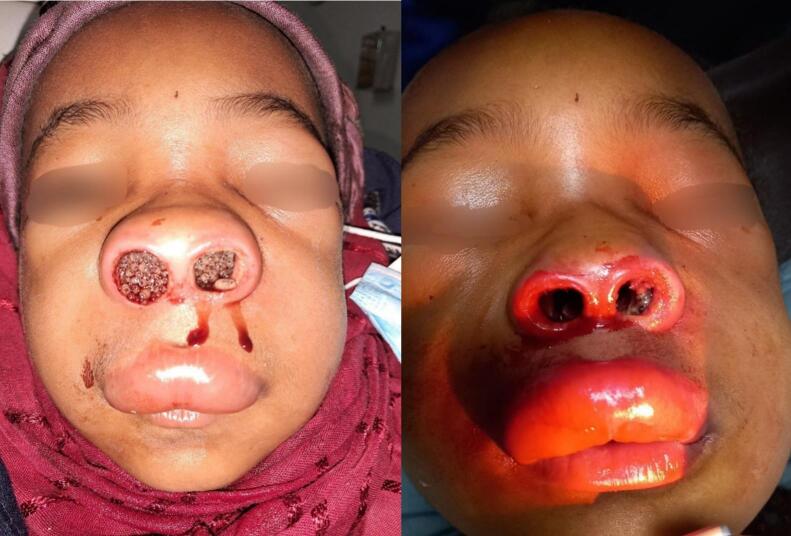
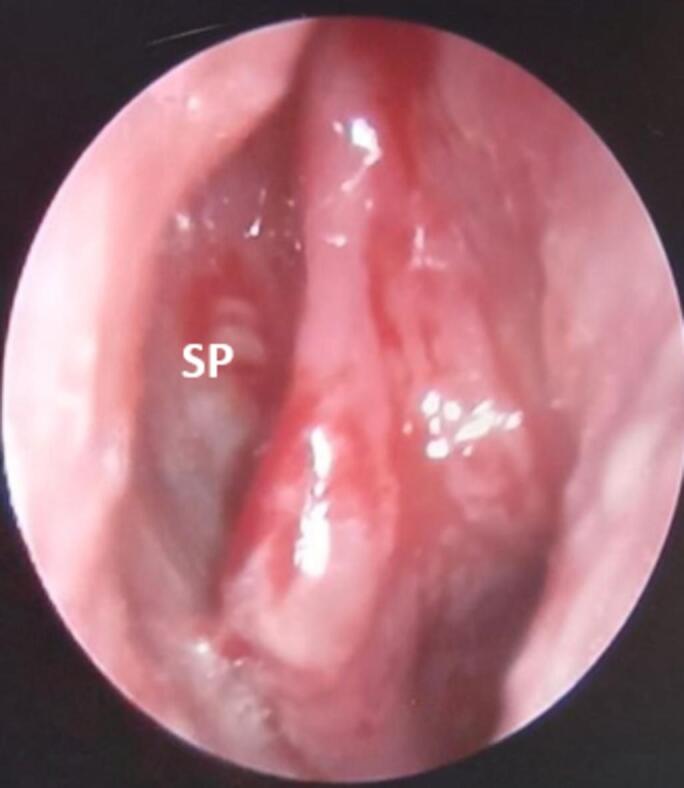
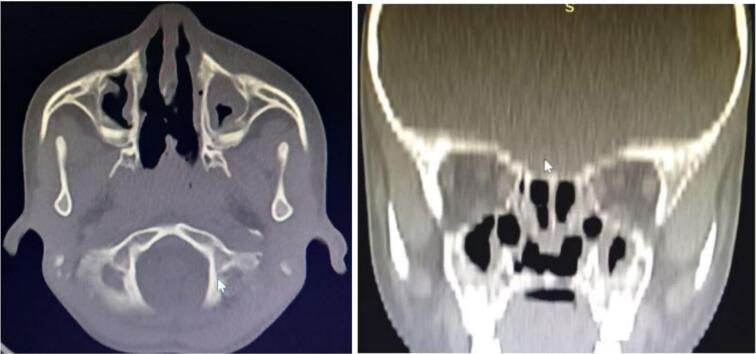
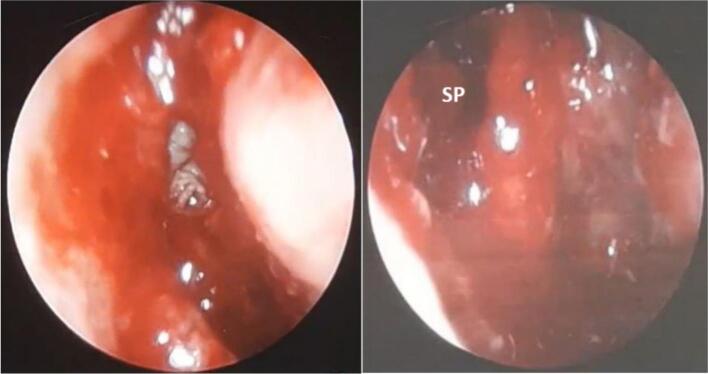
We report a case of Nasal myiasis with Angioedema in a 7-year-old girl from rural Ethiopia. The patient presented with worsening facial swelling and expulsion of worms from both nostrils for three days, preceded by foul-smelling nasal discharge for three years. Examination revealed bilateral periorbital edema, upper lip edema, and bilateral nasal cavities filled with maggots and blood‑tinged discharge. After investigations including blood tests and a head CT scan, the patient was diagnosed with nasal myiasis. She was treated with broad-spectrum antibiotics, dexamethasone, endoscopic maggot removal, and debridement. She was discharged with improvement and scheduled for a follow-up. On follow there was no recurrence, the posterior septal perforation was asymptomatic and did not require surgical intervention. This case report adheres to SCARE criteria.
Nasal myiasis with angioedema is a rare clinical condition. Diagnosis relies on clinical examination to identify the larvae. Endoscopic larvae extraction combined with over-nasal saline irrigation and systemic broad-spectrum antibiotic was considered appropriate and effective management of nasal myiasis.
Nasal myiasis, an infestation of the nasal passages by fly larvae, is a rare clinical condition, particularly in pediatric populations. Prompt and complete eradication of myiasis minimizes damage to intranasal tissues and reduces the risk of complications. Maintaining good hygiene practices is crucial in preventing this condition.
鼻蝇蛆病是指鼻腔内存在幼虫(蛆)。当某些双翅目蝇类的幼虫侵入鼻腔时,就会发生这种罕见的病症。
我们报告了一例来自埃塞俄比亚农村的7岁女孩患鼻蝇蛆病并伴有血管性水肿的病例。患者出现面部肿胀加重且双侧鼻孔排出蠕虫3天,在此之前有3年的恶臭鼻涕。检查发现双侧眶周水肿、上唇水肿,双侧鼻腔充满蛆虫和血性分泌物。经过包括血液检查和头部CT扫描在内的各项检查后,患者被诊断为鼻蝇蛆病。她接受了广谱抗生素、地塞米松治疗,通过内镜取出蛆虫并进行清创。她出院时病情有所好转,并安排了随访。随访时未见复发,鼻中隔后穿孔无症状,无需手术干预。本病例报告符合SCARE标准。
鼻蝇蛆病伴血管性水肿是一种罕见的临床病症。诊断依赖于临床检查以识别幼虫。内镜下取出幼虫并结合鼻腔生理盐水冲洗及全身使用广谱抗生素被认为是治疗鼻蝇蛆病的合适且有效的方法。
鼻蝇蛆病是蝇类幼虫对鼻道的侵袭,是一种罕见的临床病症,尤其是在儿童群体中。及时彻底根除蝇蛆病可将对鼻内组织的损害降至最低,并降低并发症风险。保持良好的卫生习惯对于预防这种病症至关重要。