Laboratory of Pharmaceutics and Biopharmaceutics, Showa Pharmaceutical University, Tokyo 194-8543, Japan.
Division of Cell-Based Therapeutic Products, National Institute of Health Sciences, Kawasaki 210-9501, Japan.
Int J Mol Sci. 2024 Oct 3;25(19):10679. doi: 10.3390/ijms251910679.
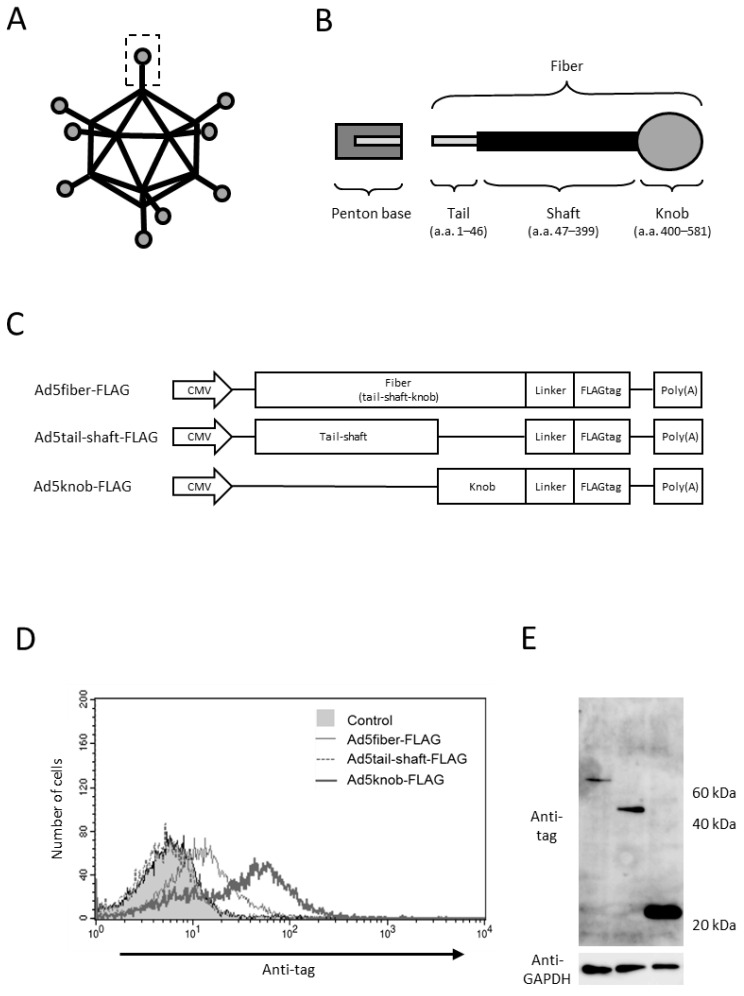
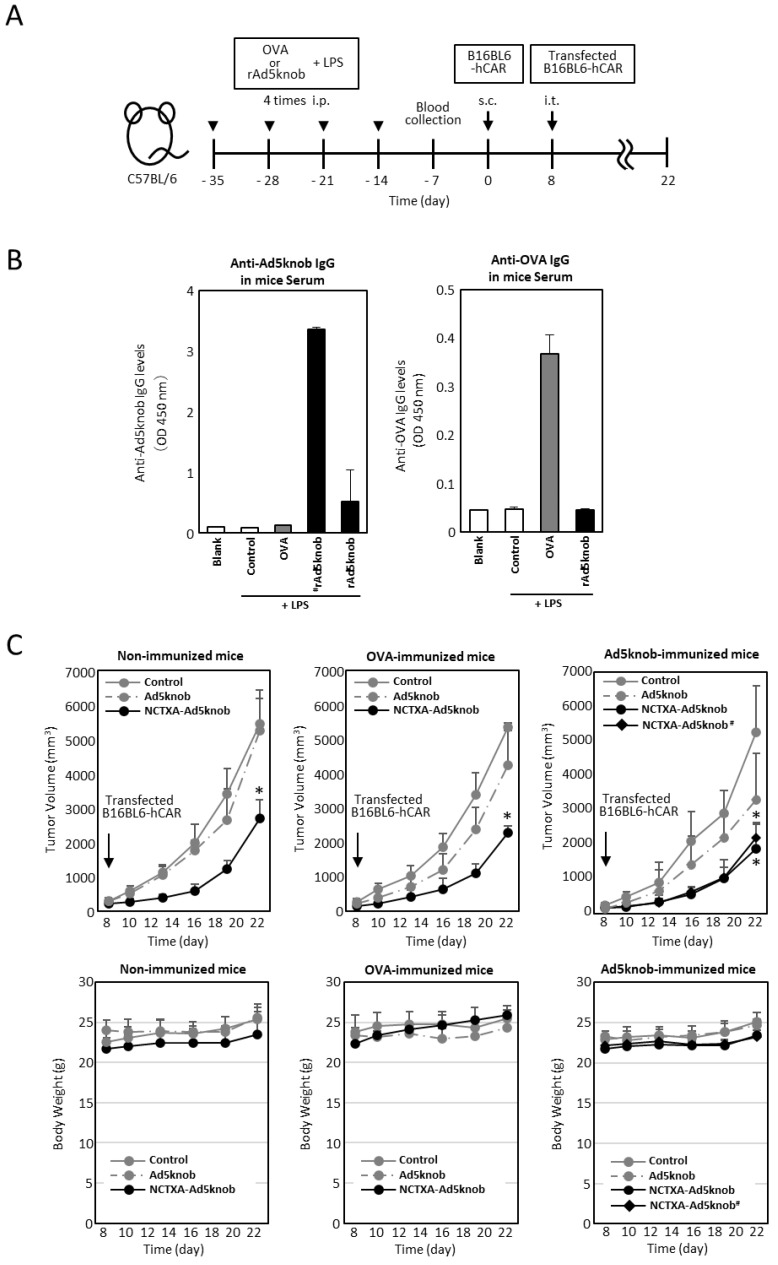
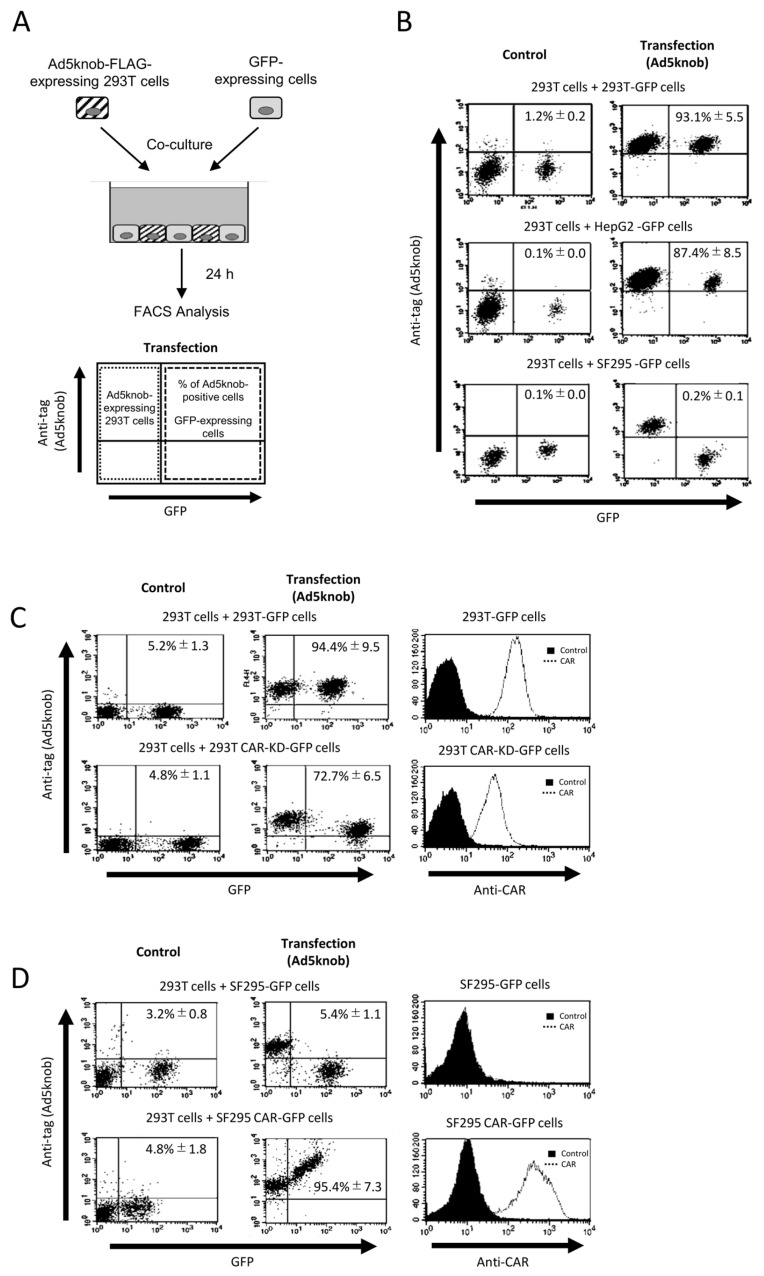
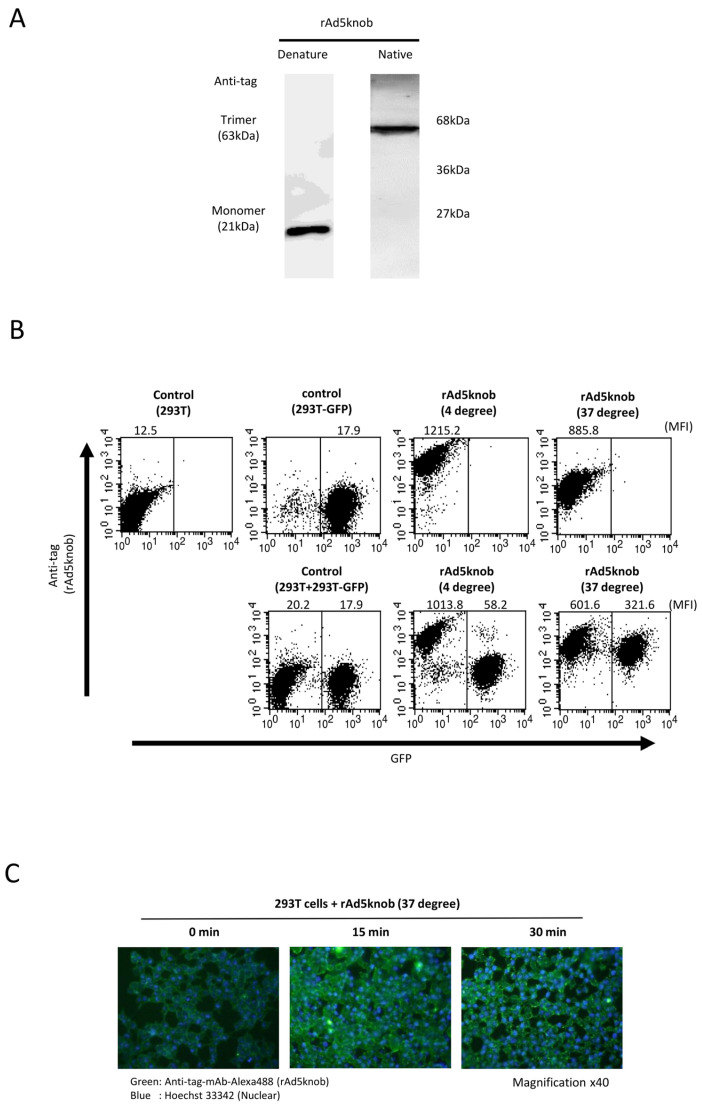
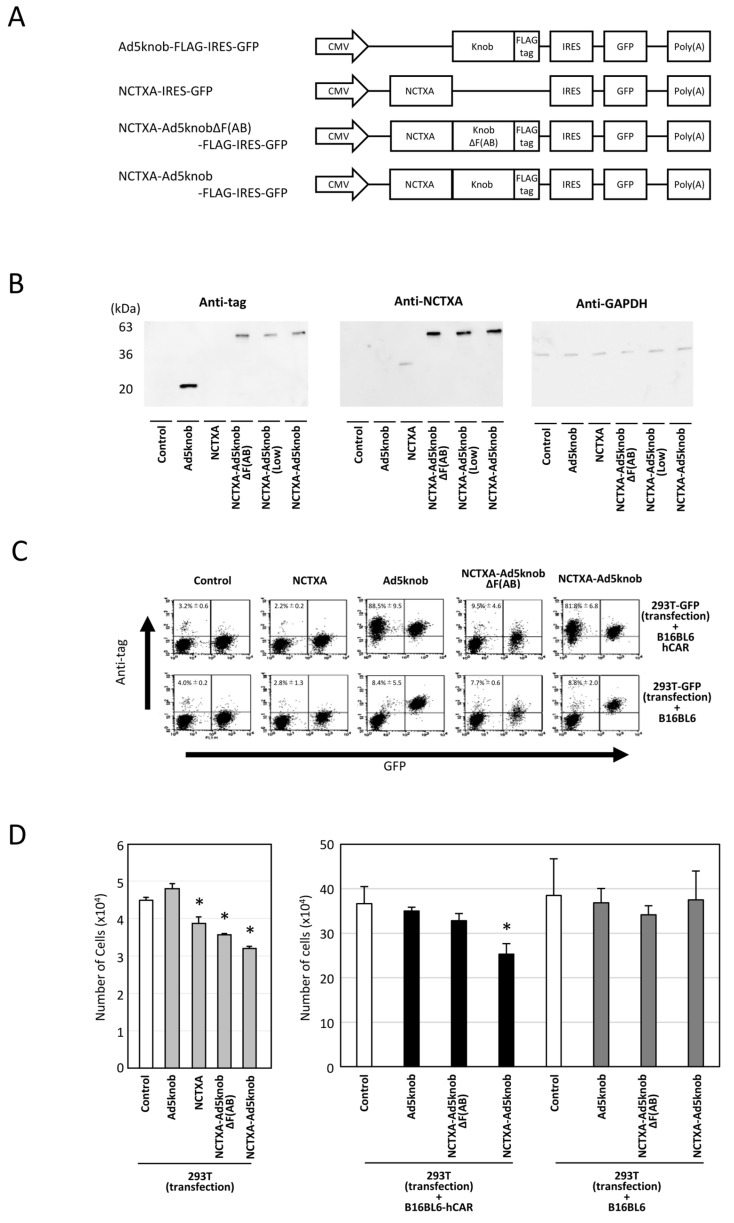
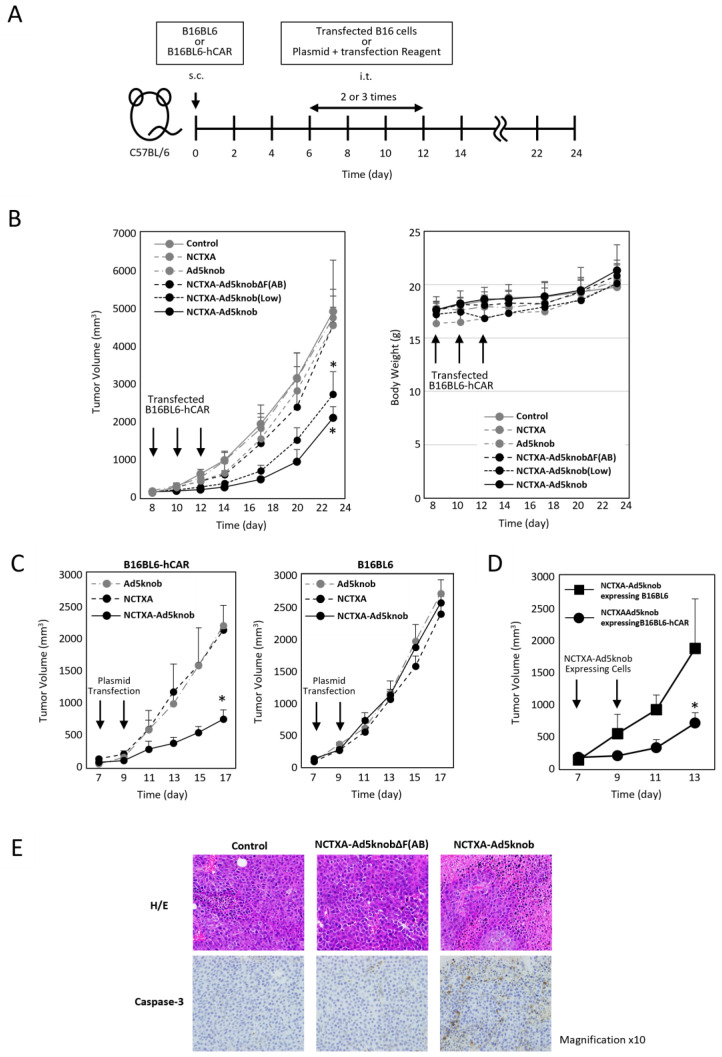
Numerous gene therapy drugs for cancer have received global approval, yet their efficacy against solid tumors remains inadequate. Our previous research indicated that the fiber protein, a component of the adenovirus capsid, can propagate from infected cells to neighboring cells that express the adenovirus receptor. We hypothesize that merging this fiber protein with an anti-cancer protein could enable the anti-cancer protein to disseminate around the transfected cells, presenting a novel approach to cancer gene therapy. In our study, we discovered that the knob region of the adenovirus type 5 fiber protein is the smallest unit capable of spreading to adjacent cells in a receptor-specific manner. We also showed that the recombinant knob protein infiltrates cells after dispersing to surrounding cells. To assess the potential of the knob protein to augment gene therapy for solid tumors in mice, we expressed a fusion gene of the A subunit of cytotoxic cholera toxin and the knob region in mouse tumors. We found that this fusion protein only inhibited tumor growth in receptor-expressing mouse melanomas, and this inhibitory effect persisted even in mice with anti-knob antibodies. Our study's findings propose a novel cancer gene therapy strategy that enhances therapeutic effects by specifically delivering therapeutic proteins, expressed from in vivo administered genes, to target molecules. This outcome offers a fresh perspective on gene therapy for solid cancers, and we anticipate that knob proteins will serve as a platform for this method.
许多癌症的基因治疗药物已经获得全球批准,但它们对实体瘤的疗效仍然不足。我们之前的研究表明,腺病毒衣壳的组成部分纤维蛋白可以从受感染的细胞传播到表达腺病毒受体的邻近细胞。我们假设将这种纤维蛋白与抗癌蛋白融合,可以使抗癌蛋白在转染细胞周围扩散,为癌症的基因治疗提供一种新方法。在我们的研究中,我们发现腺病毒 5 型纤维蛋白的 knob 区域是最小的能够以受体特异性方式扩散到相邻细胞的单位。我们还表明,重组 knob 蛋白在分散到周围细胞后会渗透到细胞中。为了评估 knob 蛋白在增强小鼠实体瘤基因治疗中的潜力,我们在小鼠肿瘤中表达了细胞毒性霍乱毒素 A 亚基和 knob 区域的融合基因。我们发现,这种融合蛋白仅能抑制表达受体的小鼠黑色素瘤的肿瘤生长,而且即使在有抗 knob 抗体的小鼠中,这种抑制作用也持续存在。我们的研究结果提出了一种新的癌症基因治疗策略,通过将体内给予的基因表达的治疗蛋白特异性递送至靶分子,增强治疗效果。这一结果为实体癌的基因治疗提供了新的视角,我们预计 knob 蛋白将成为该方法的平台。