Centre for Discovery Brain Science, Edinburgh Medical School: Biomedical Sciences, University of Edinburgh, Edinburgh EH8 9AG, UK.
Zhejiang University-University of Edinburgh Joint Institute, Zhejiang University School of Medicine, Haining 314400, PR China.
Endocrinology. 2024 Oct 30;165(12). doi: 10.1210/endocr/bqae139.
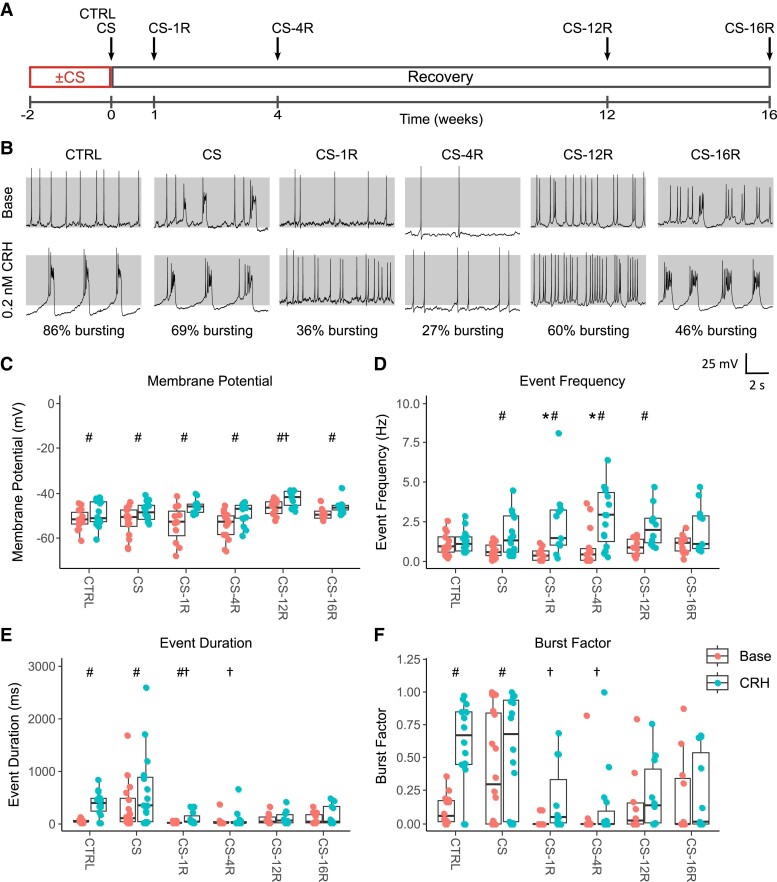
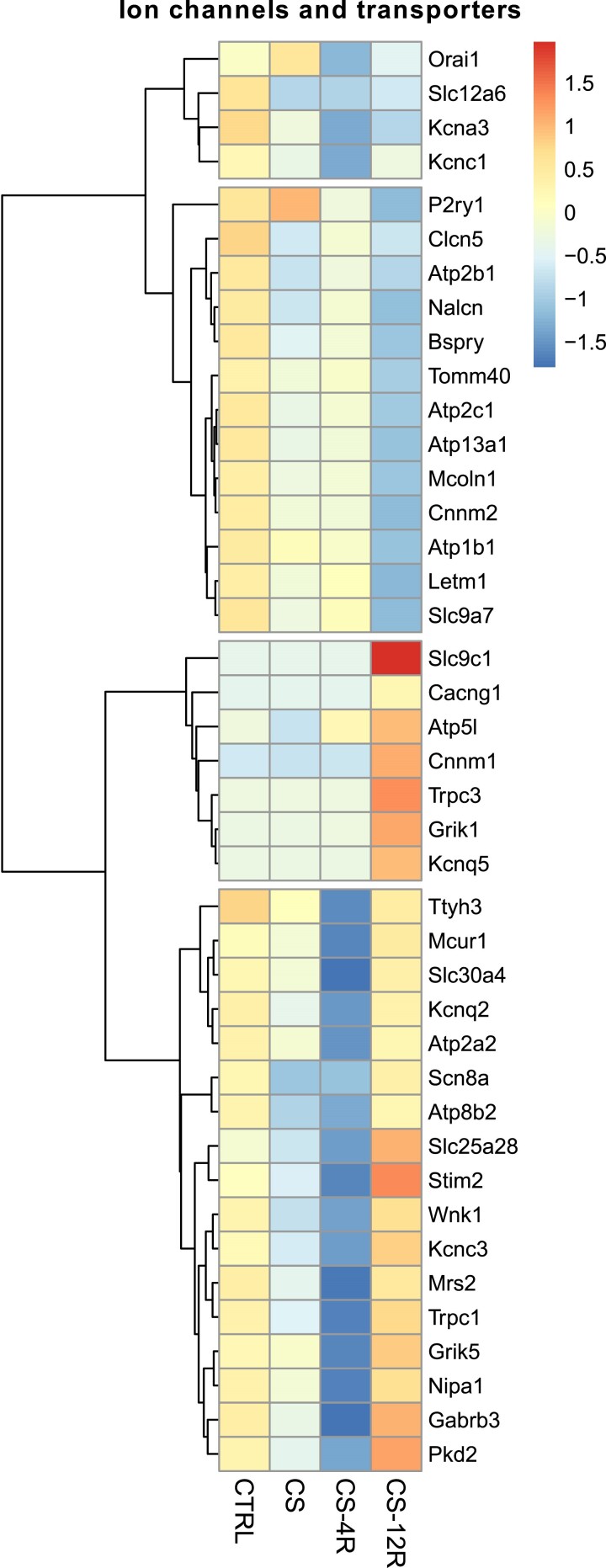
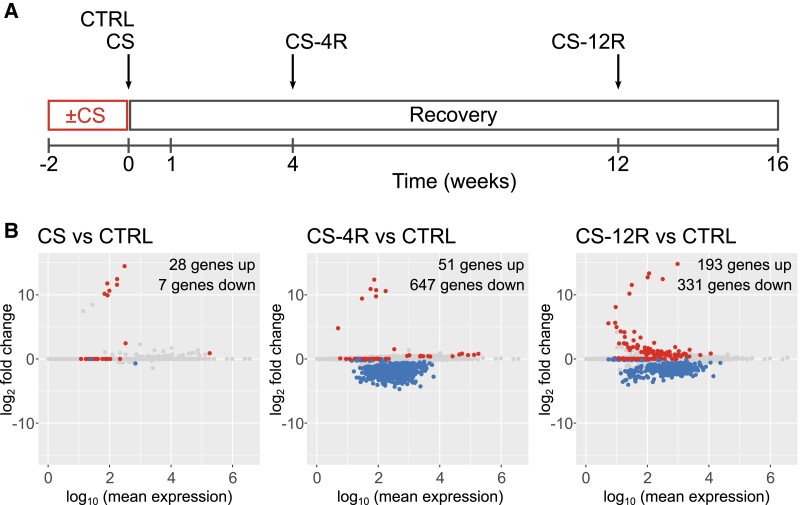
Chronic stress results in long-term dynamic changes at multiple levels of the hypothalamic-pituitary-adrenal (HPA) axis resulting in stress axis dysregulation with long-term impacts on human and animal health. However, the underlying mechanisms and dynamics of altered of HPA axis function, in particular at the level of pituitary corticotrophs, during a period of chronic stress and in the weeks after its cessation (defined as "recovery") are very poorly understood. Here, we address the fundamental question of how a period of chronic stress results in altered anterior pituitary corticotroph function and whether this persists in recovery, as well as the transcriptomic changes underlying this. We demonstrate that, in mice, spontaneous and corticotrophin-releasing hormone-stimulated electrical excitability of corticotrophs, essential for ACTH secretion, is suppressed for weeks to months of recovery following a period of chronic stress. Surprisingly, there are only modest changes in the corticotroph transcriptome during the period of stress, but major alterations occur in recovery. Importantly, although transcriptional changes for a large proportion of mRNAs follow the time course suppression of corticotroph excitability, many other genes display highly dynamic transcriptional changes with distinct time courses throughout recovery. Taken together, this suggests that chronic stress results in complex dynamic transcriptional and functional changes in corticotroph physiology, which are highly dynamic for weeks following cessation of chronic stress. These insights provide a fundamental new framework to further understand underlying molecular mechanisms as well approaches to both diagnosis and treatment of stress-related dysfunction of the HPA axis.
慢性应激导致下丘脑-垂体-肾上腺(HPA)轴的多个水平发生长期动态变化,导致应激轴失调,对人类和动物健康产生长期影响。然而,在慢性应激期间和应激停止后的数周(定义为“恢复”),HPA 轴功能改变的潜在机制和动态,特别是在下丘脑皮质细胞水平,仍知之甚少。在这里,我们研究了一个基本问题,即慢性应激如何导致前垂体皮质细胞功能改变,以及这种改变是否在恢复过程中持续存在,以及这种改变的转录组学基础。我们证明,在小鼠中,ACTH 分泌所必需的皮质细胞的自发性和促肾上腺皮质激素释放激素刺激的电兴奋性在慢性应激后的数周到数月的恢复期间受到抑制。令人惊讶的是,在应激期间皮质细胞的转录组只有适度的变化,但在恢复期间发生了主要的改变。重要的是,尽管大部分 mRNAs 的转录变化与皮质细胞兴奋性的抑制时间过程一致,但许多其他基因在整个恢复过程中表现出具有不同时间过程的高度动态转录变化。总之,这表明慢性应激导致皮质细胞生理学的复杂动态转录和功能变化,在慢性应激停止后的数周内具有高度动态性。这些见解为进一步了解潜在的分子机制以及诊断和治疗 HPA 轴应激相关功能障碍提供了一个基本的新框架。