Center for Cardiometabolic Science, Louisville, KY, USA.
Department of Medicine, Christina Lee Brown Envirome Institute, University of Louisville, 580 South Preston Street, Delia Baxter Building, Room 304A, Louisville, KY, 40202, USA.
Skelet Muscle. 2024 Oct 18;14(1):24. doi: 10.1186/s13395-024-00354-2.
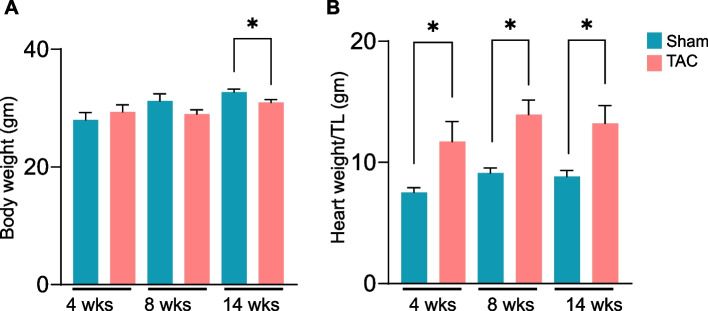
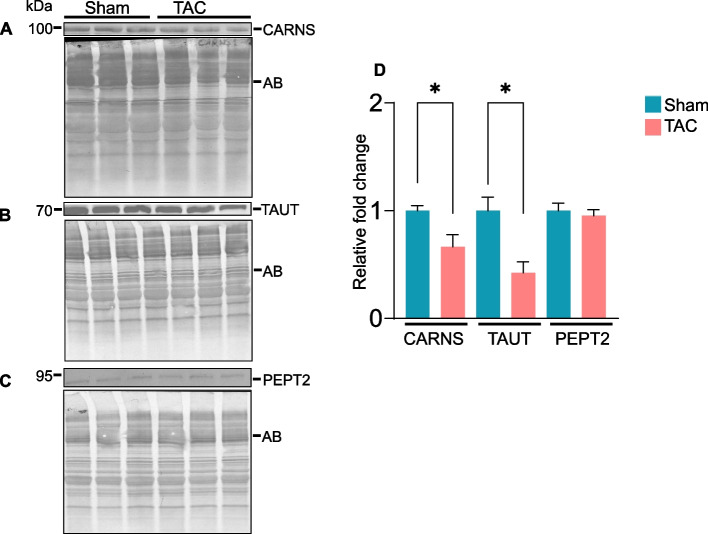
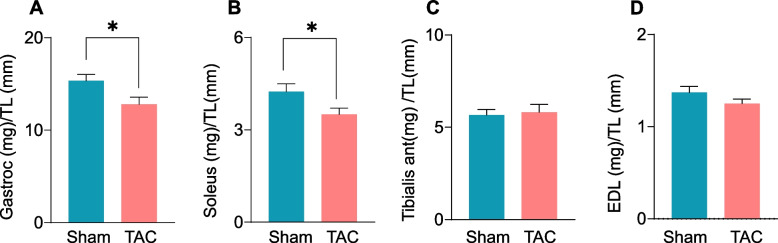
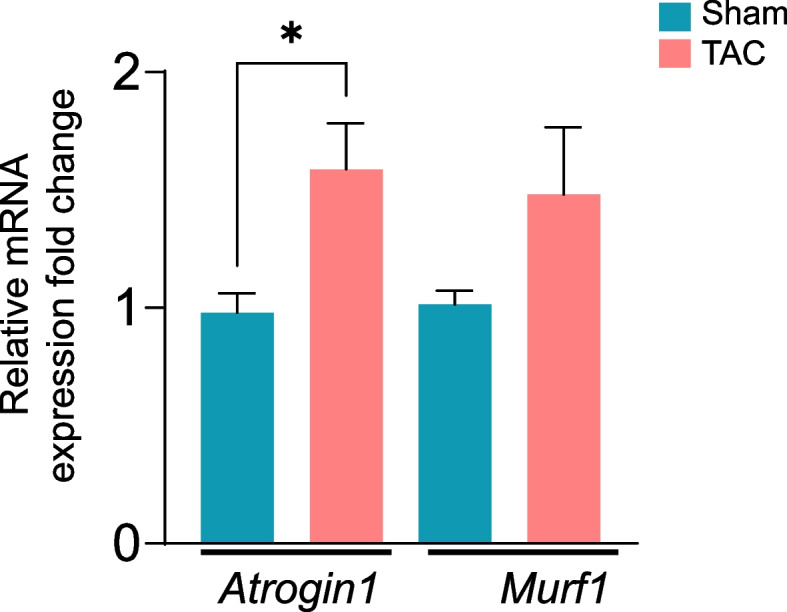
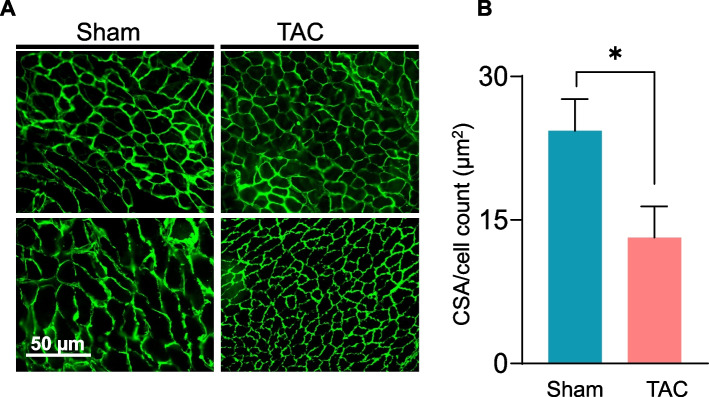
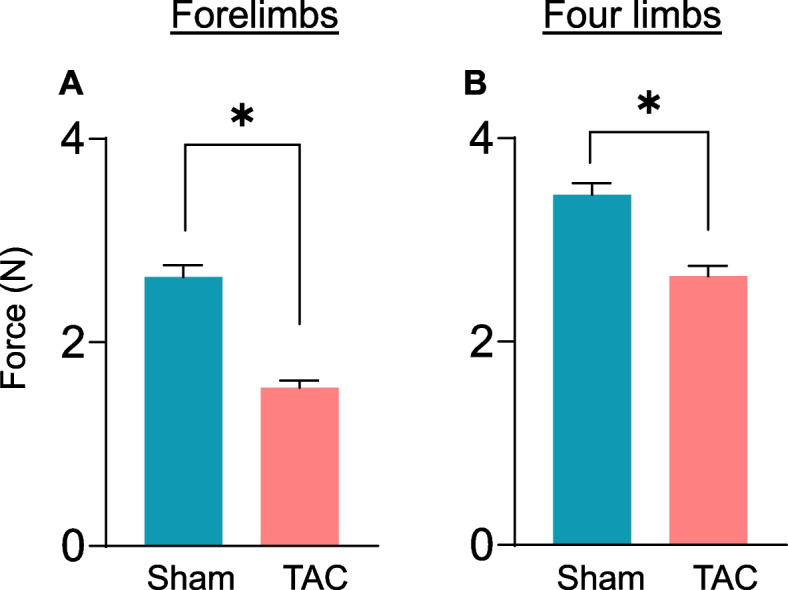
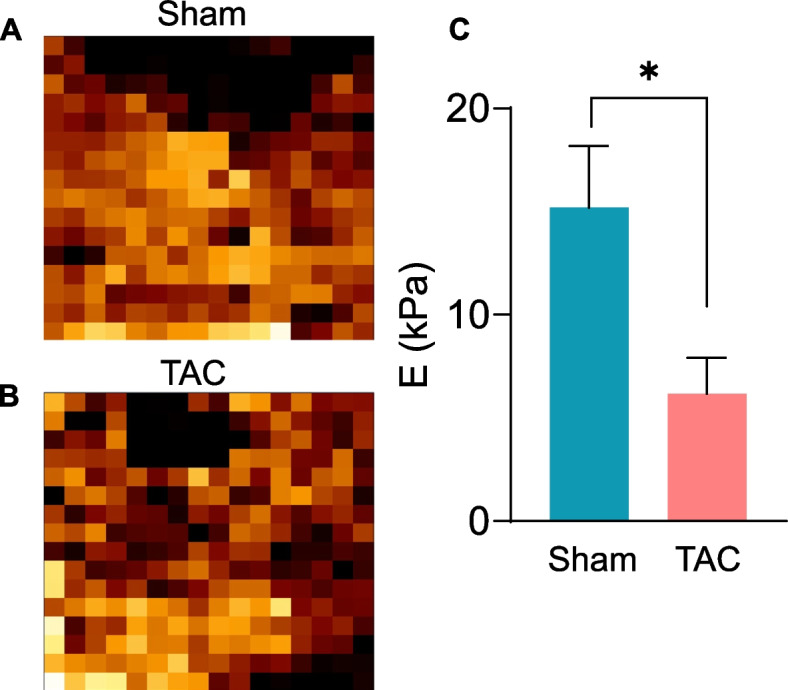
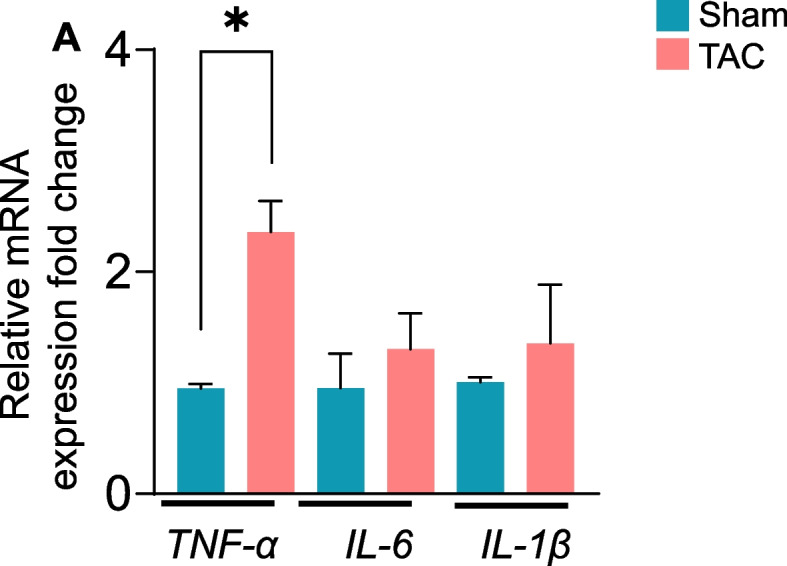
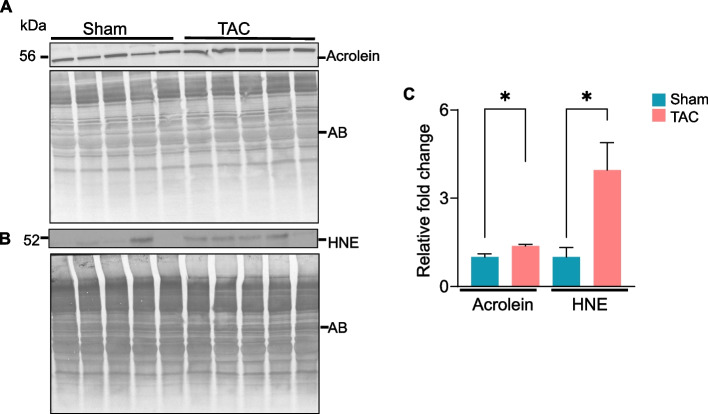
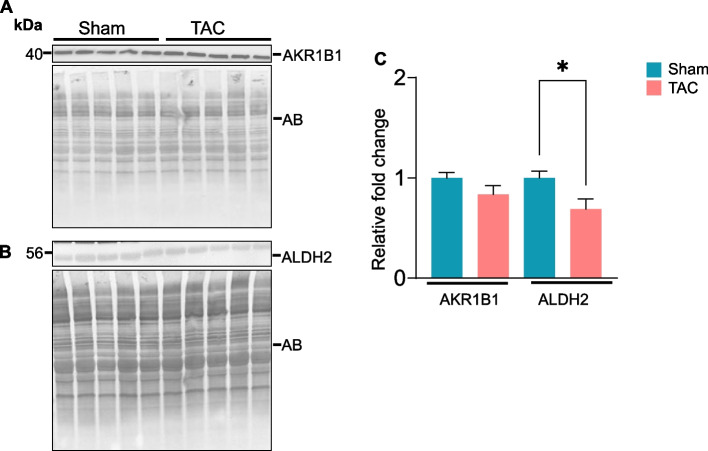
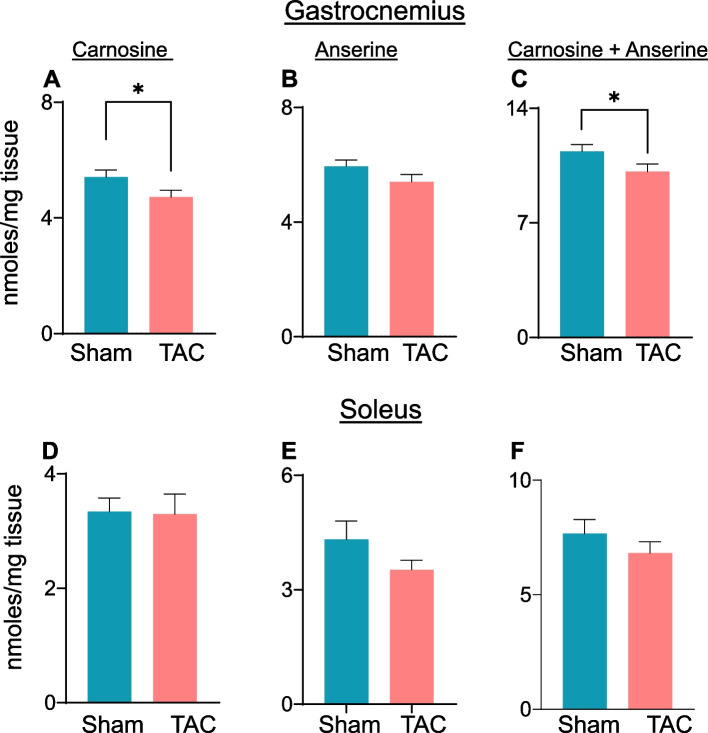
Muscle wasting is a serious complication in heart failure patients. Oxidative stress and inflammation are implicated in the pathogenesis of muscle wasting. Oxidative stress leads to the formation of toxic lipid peroxidation products, such as 4-hydroxy-2-nonenal (HNE), which covalently bind with proteins and DNA and activate atrophic pathways. Whether the formation of lipid peroxidation products and metabolic pathways that remove these toxic products are affected during heart failure-associated skeletal muscle wasting has never been studied. Male C57BL/6J mice were subjected to sham and transverse aortic constriction (TAC) surgeries for 4, 8 or 14 weeks. Different skeletal muscle beds were weighed, and the total cross-sectional area of the gastrocnemius muscle was measured via immunohistochemistry. Muscle function and muscle stiffness were measured by a grip strength meter and atomic force microscope, respectively. Atrophic and inflammatory marker levels were measured via qRT‒PCR. The levels of acrolein and HNE-protein adducts, aldehyde-removing enzymes, the histidyl dipeptide-synthesizing enzyme carnosine synthase (CARNS), and amino acid transporters in the gastrocnemius muscle were measured via Western blotting and qRT‒PCR. Histidyl dipeptides and histidyl dipeptide aldehyde conjugates in the Gastrocnemius and soleus muscles were analyzed by LC/MS-MS. Body weight, gastrocnemius muscle and soleus muscle weights and the total cross-sectional area of the gastrocnemius muscle were decreased after 14 weeks of TAC. Heart weight, cardiac function, grip strength and muscle stiffness were decreased in the TAC-operated mice. Expression of the atrophic and inflammatory markers Atrogin1 and TNF-α, respectively, was increased ~ 1.5-2fold in the gastrocnemius muscle after 14 weeks of TAC (p < 0.05 and p = 0.004 vs sham). The formation of HNE and acrolein protein adducts was increased, and the expression of the aldehyde-removing enzyme aldehyde dehydrogenase (ALDH2) was decreased in the gastrocnemius muscle of TAC mice. Carnosine (sham: 5.76 ± 1.3 vs TAC: 4.72 ± 0.7 nmol/mg tissue, p = 0.04) and total histidyl dipeptide levels (carnosine and anserine; sham: 11.97 ± 1.5 vs TAC: 10.13 ± 1.4 nmol/mg tissue, p < 0.05) were decreased in the gastrocnemius muscle of TAC mice. Depletion of histidyl dipeptides diminished the aldehyde removal capacity of the atrophic gastrocnemius muscle. Furthermore, CARNS and TAUT protein expression were decreased in the atrophic gastrocnemius muscle. Our data reveals that reduced expression of ALDH2 and depletion of histidyl dipeptides in the gastrocnemius muscle during heart failure leads to the accumulation of toxic aldehydes and might contribute to muscle wasting.
肌肉减少症是心力衰竭患者的严重并发症。氧化应激和炎症与肌肉减少症的发病机制有关。氧化应激导致有毒脂质过氧化产物的形成,例如 4-羟基-2-壬烯醛(HNE),它与蛋白质和 DNA 共价结合并激活萎缩途径。在与心力衰竭相关的骨骼肌减少症期间,脂质过氧化产物的形成和清除这些有毒产物的代谢途径是否受到影响,尚未进行研究。雄性 C57BL/6J 小鼠接受假手术和腹主动脉缩窄(TAC)手术 4、8 或 14 周。测量不同骨骼肌床的重量,并通过免疫组织化学测量比目鱼肌的总横截面积。通过握力计和原子力显微镜分别测量肌肉功能和肌肉硬度。通过 qRT-PCR 测量萎缩和炎症标志物水平。通过 Western blot 和 qRT-PCR 测量丙烯醛和 HNE-蛋白质加合物、醛清除酶、组氨酸二肽合成酶肌肽合酶(CARNS)和胃蛋白酶肌肉中的氨基酸转运蛋白的水平。通过 LC/MS-MS 分析比目鱼肌和比目鱼肌中的组氨酸二肽和组氨酸二肽醛缀合物。TAC 后 14 周,体重、比目鱼肌和比目鱼肌重量以及比目鱼肌总横截面积减少。TAC 操作的小鼠的心脏重量、心功能、握力和肌肉硬度降低。TAC 后 14 周,比目鱼肌中 Atrogin1 和 TNF-α 分别增加约 1.5-2 倍(p<0.05 和 p=0.004 与假手术相比)。HNE 和丙烯醛蛋白质加合物的形成增加,TAC 小鼠胃蛋白酶中的醛清除酶醛脱氢酶(ALDH2)表达减少。TAC 小鼠的比目鱼肌中肌肽(假手术:5.76±1.3 与 TAC:4.72±0.7 nmol/mg 组织,p=0.04)和总组氨酸二肽水平(肌肽和鹅肌肽;假手术:11.97±1.5 与 TAC:10.13±1.4 nmol/mg 组织,p<0.05)降低。比目鱼肌中组氨酸二肽的消耗减少了萎缩性比目鱼肌的醛去除能力。此外,萎缩性比目鱼肌中的 CARNS 和 TAUT 蛋白表达减少。我们的数据表明,心力衰竭期间胃蛋白酶中 ALDH2 和组氨酸二肽表达减少导致有毒醛的积累,并可能导致肌肉减少症。