Baudouin Stéphane J, Giles April R, Pearson Nick, Deforges Severine, He Chenxia, Boileau Céline, Partouche Nicolas, Borta Andreas, Gautron Justine, Wartel Morgane, Bočkaj Irena, Scavarda Didier, Bartolomei Fabrice, Penchet Guillaume, Aupy Jérôme, Sims Jennifer, Smith Jared, Mercer Andrew, Danos Olivier, Mulle Christophe, Crépel Valérie, Porter Richard
uniQure (Corlieve Therapeutics AG), 4052 Basel, Switzerland.
REGENXBIO Inc., Rockville, MD 20850, USA.
Mol Ther Methods Clin Dev. 2024 Sep 16;32(4):101342. doi: 10.1016/j.omtm.2024.101342. eCollection 2024 Dec 12.
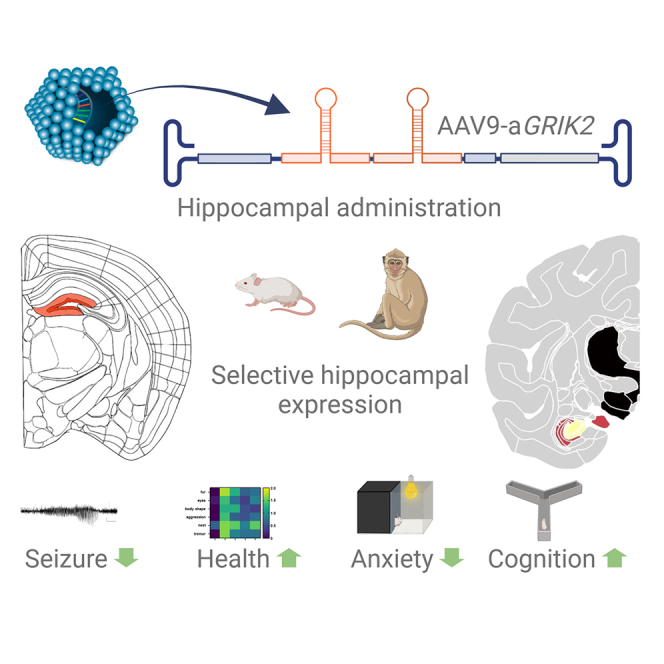
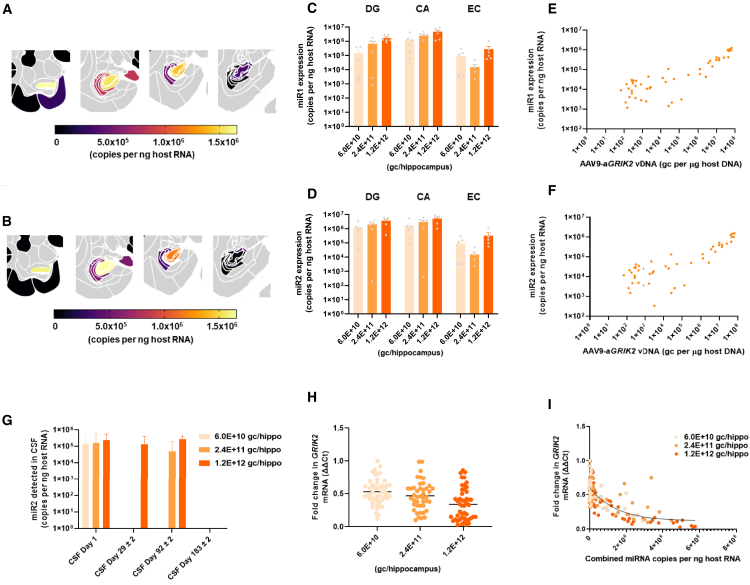
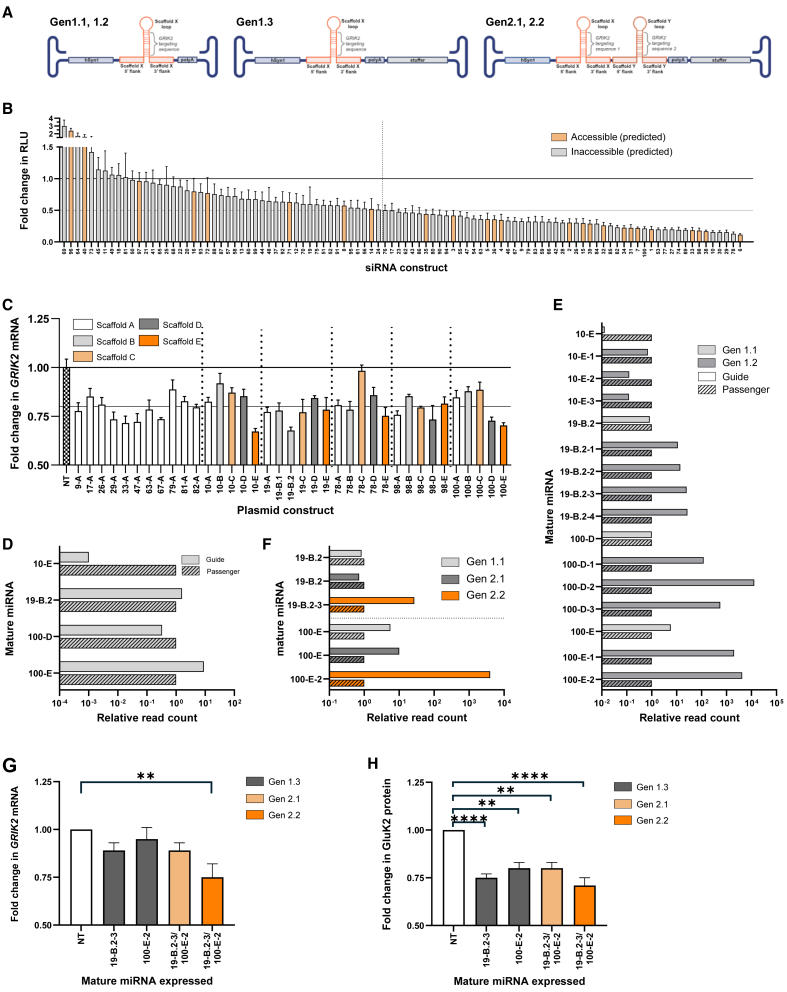
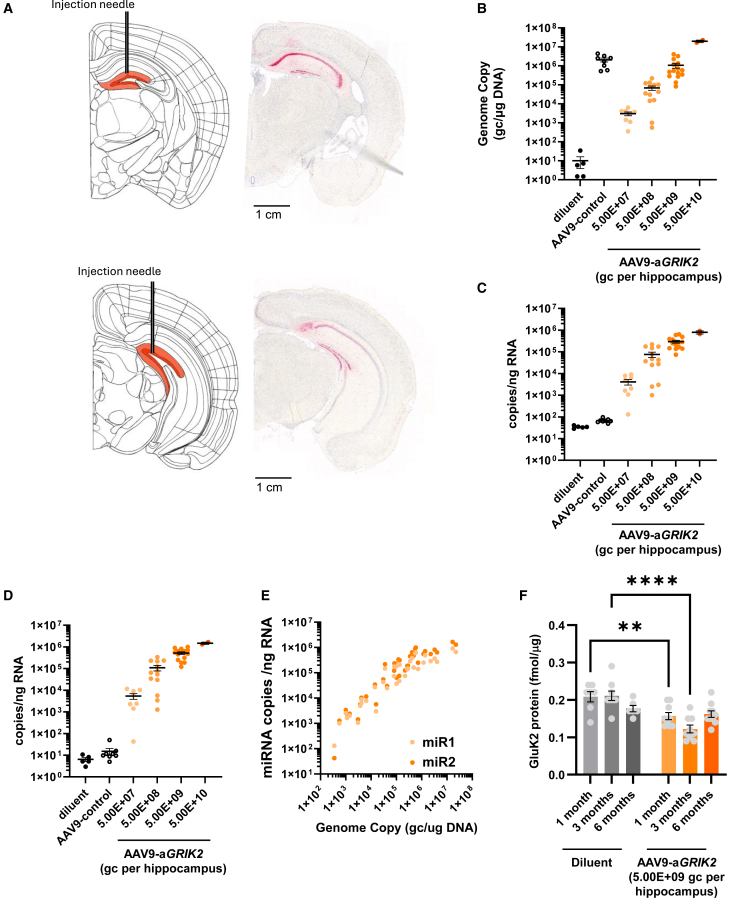
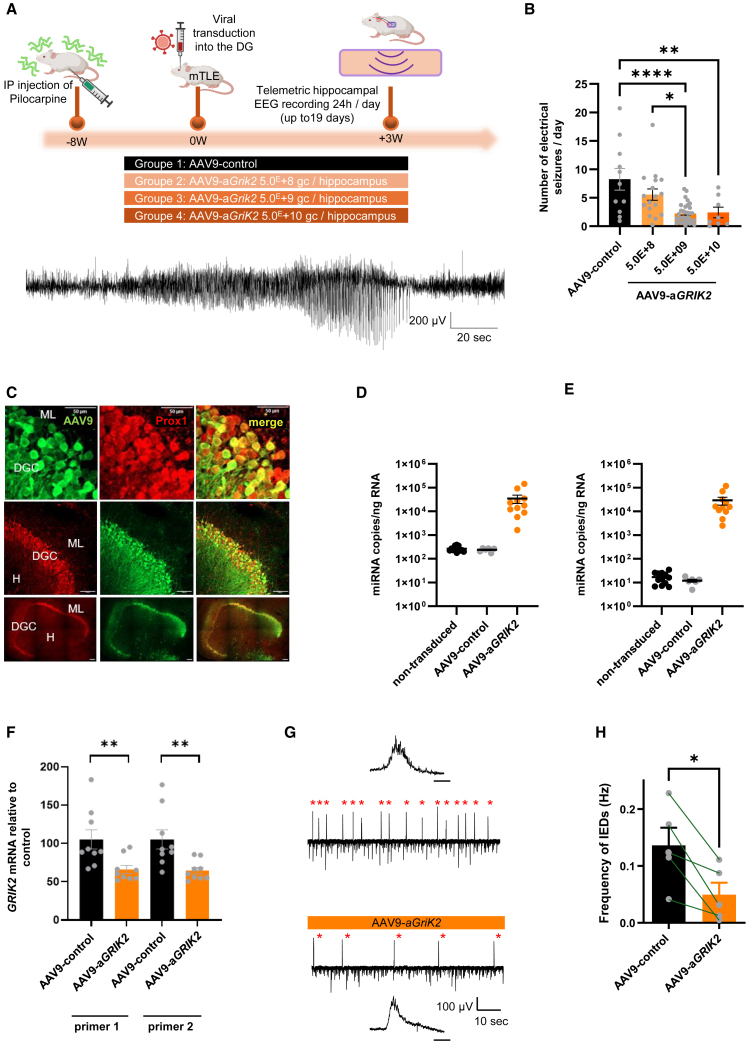
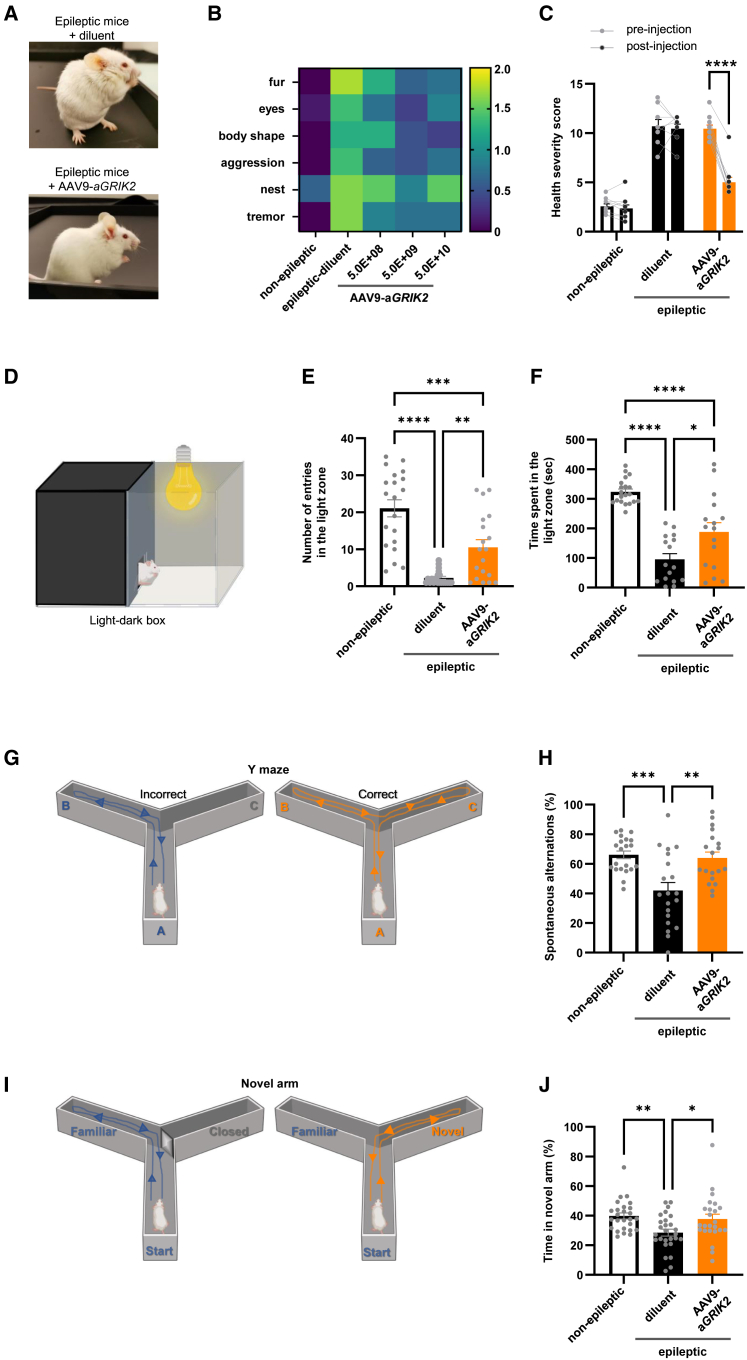
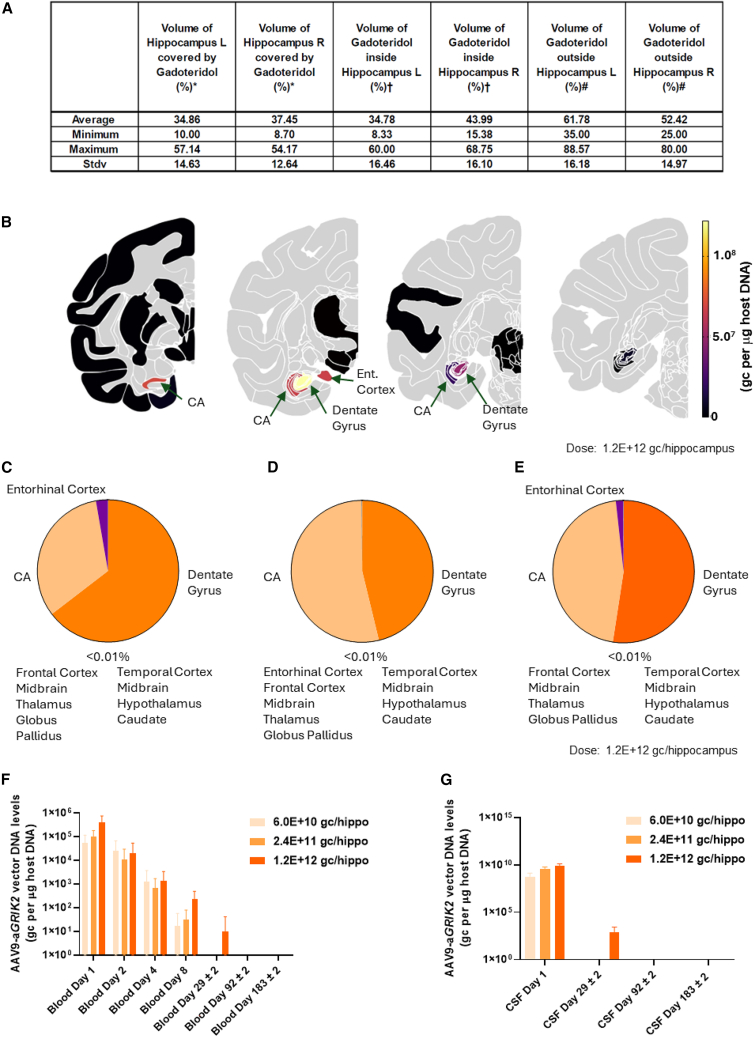
Mesial temporal lobe epilepsy (mTLE) is the most prevalent type of epilepsy in adults. First and subsequent generations of anti-epileptic therapy regimens fail to decrease seizures in a large number of patients suffering from mTLE, leaving surgical ablation of part of the hippocampus as the only therapeutic option to potentially reach seizure freedom. GluK2 has recently been identified as a promising target for the treatment of mTLE using gene therapy. Here, we engineered an adeno-associated virus serotype 9 vector expressing a cluster of two synthetic microRNAs (miRNAs), expressed from the human synapsin promoter, that target mRNA. Intra-hippocampal delivery of this vector in a mouse model of mTLE significantly reduced expression and daily seizure frequency. This treatment also improved the animals' health, reduced their anxiety, and restored working memory. Focal administration of the vector to the hippocampus of cynomolgus monkeys in GLP toxicology studies led to the selective transduction of hippocampal neurons with little exposure elsewhere in the brain and no transduction outside the central nervous system. Expression of miRNAs in hippocampal neurons resulted in substantially decreased mRNA expression. These data suggest that the intra-hippocampal delivery of a GMP-grade AAV9 encoding a synthetic miRNAs targeting is a promising treatment strategy for mTLE.
内侧颞叶癫痫(mTLE)是成人中最常见的癫痫类型。第一代及后续几代抗癫痫治疗方案未能减少大量mTLE患者的癫痫发作,使得手术切除部分海马体成为唯一有可能实现癫痫发作缓解的治疗选择。最近,GluK2已被确定为使用基因疗法治疗mTLE的一个有前景的靶点。在此,我们构建了一种腺相关病毒9型载体,其表达由人突触素启动子驱动的两个合成微小RNA(miRNA)簇,这些miRNA靶向 mRNA。在mTLE小鼠模型中,将该载体海马内注射可显著降低 表达和每日癫痫发作频率。这种治疗还改善了动物的健康状况,减轻了它们的焦虑,并恢复了工作记忆。在GLP毒理学研究中,将该载体局部注射到食蟹猴的海马体,导致海马神经元的选择性转导,大脑其他部位几乎没有暴露,中枢神经系统外也没有转导。海马神经元中miRNA的表达导致 mRNA表达大幅下降。这些数据表明,海马内注射编码靶向 的合成miRNA的GMP级AAV9是一种有前景的mTLE治疗策略。