Department of Microbiology, Chungnam National University College of Medicine, Daejeon, 35015, Republic of Korea.
Department of Medical Science, Chungnam National University College of Medicine, Daejeon, 35015, Republic of Korea.
Cell Mol Immunol. 2024 Dec;21(12):1441-1458. doi: 10.1038/s41423-024-01222-1. Epub 2024 Oct 23.
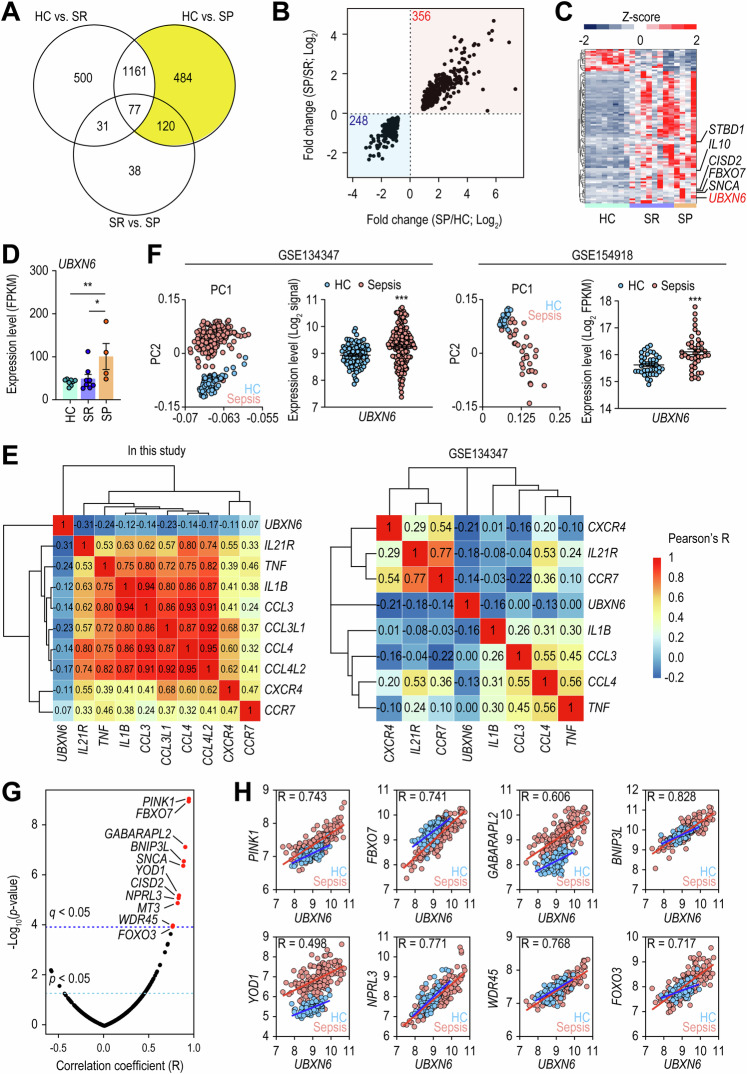
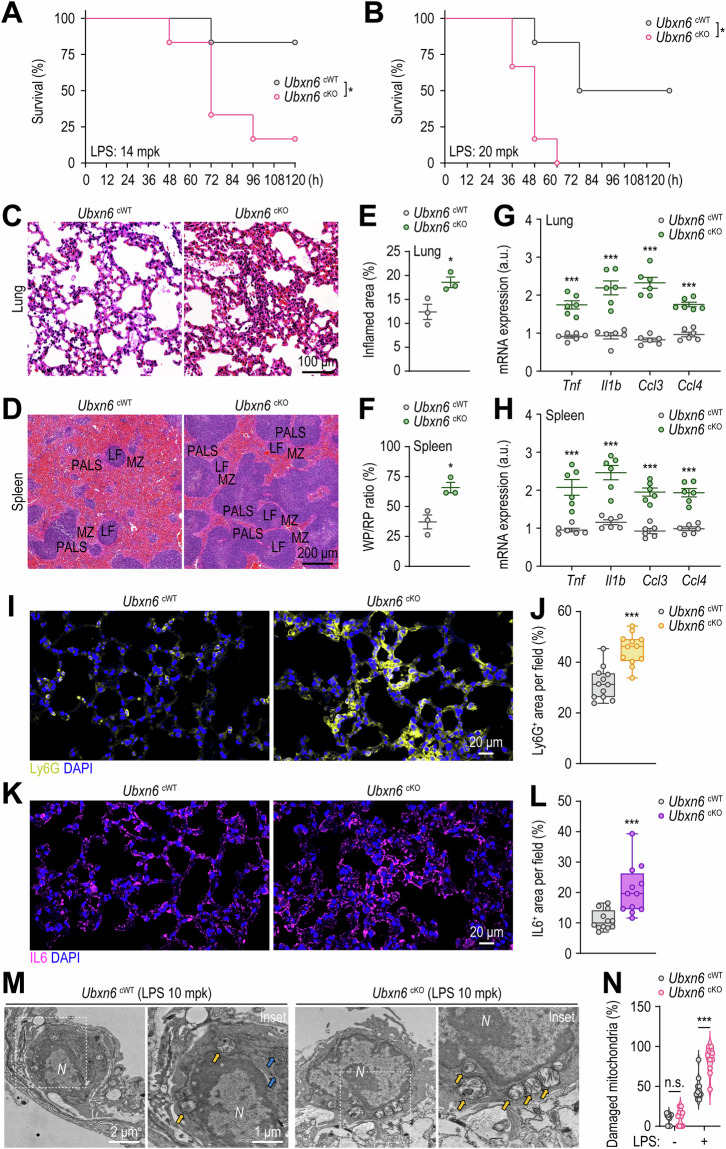
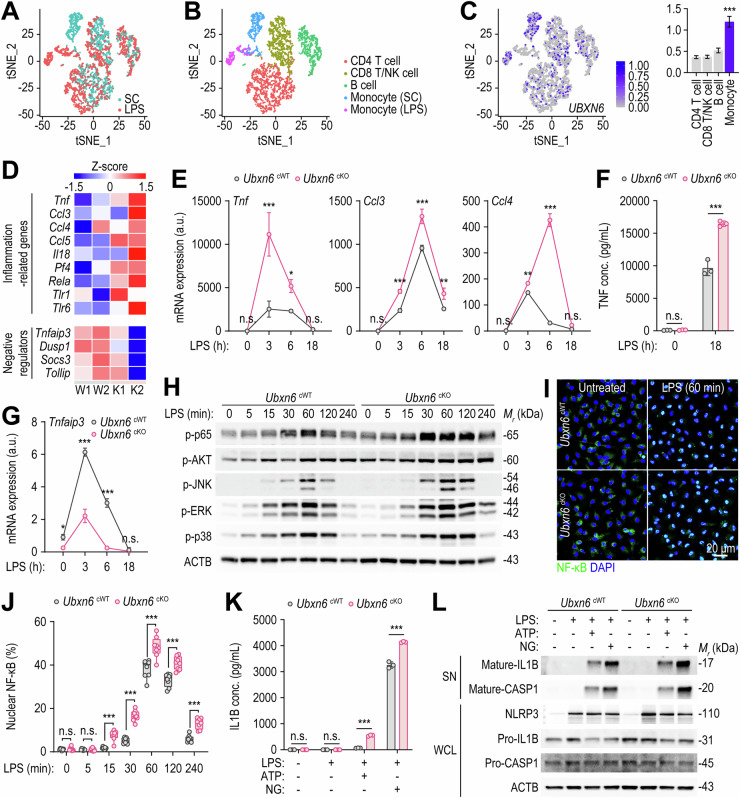
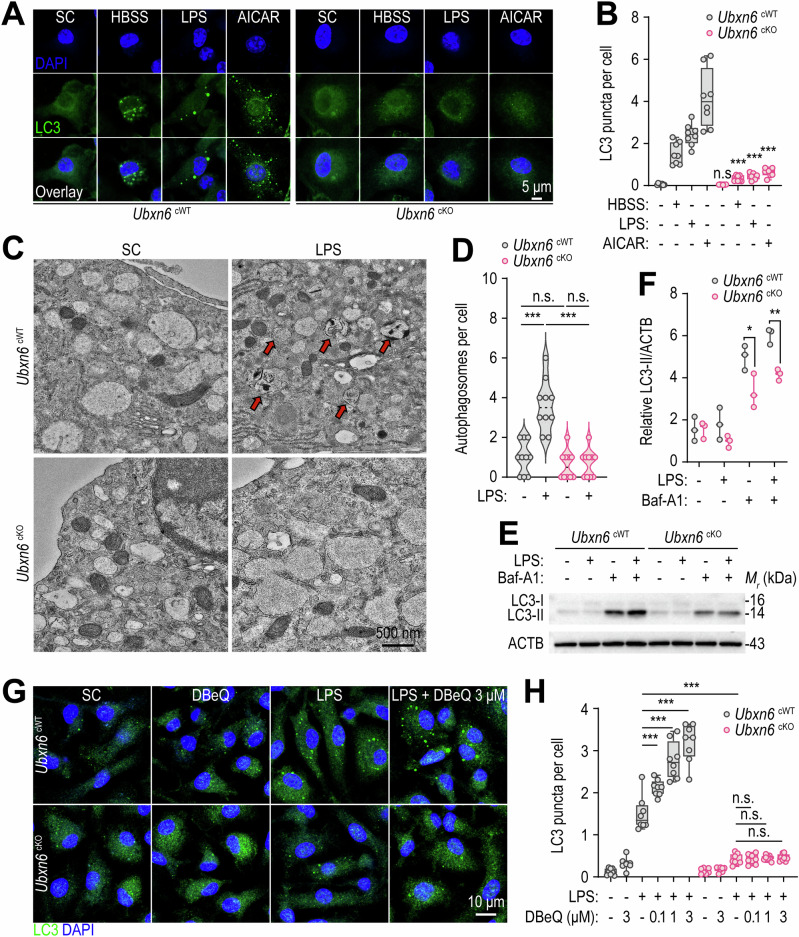
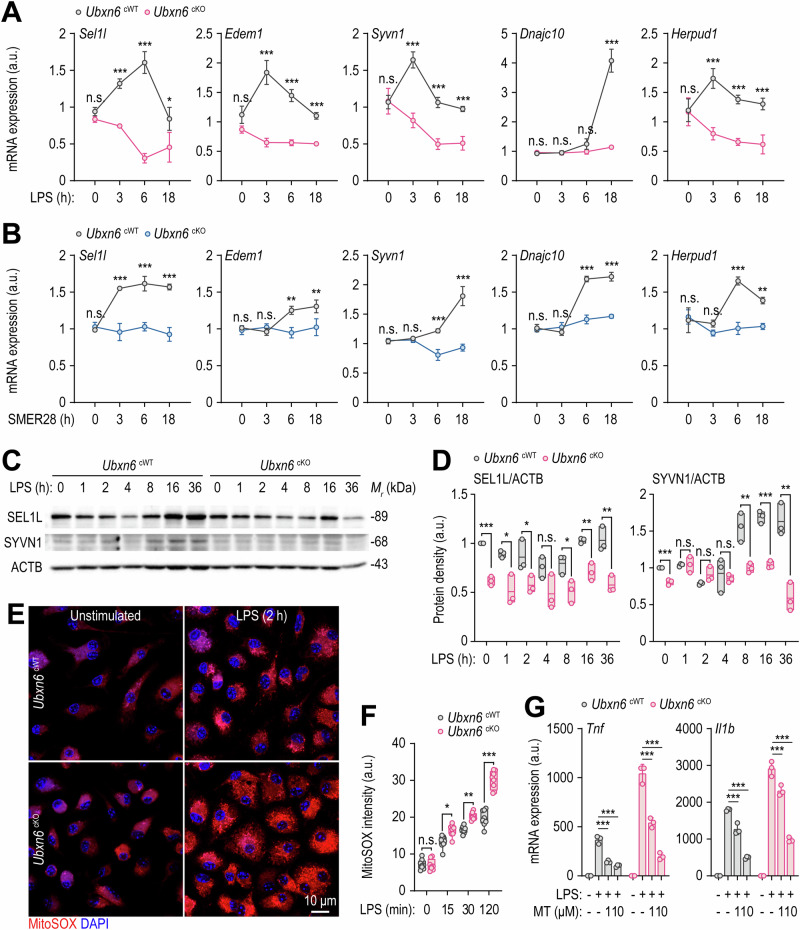
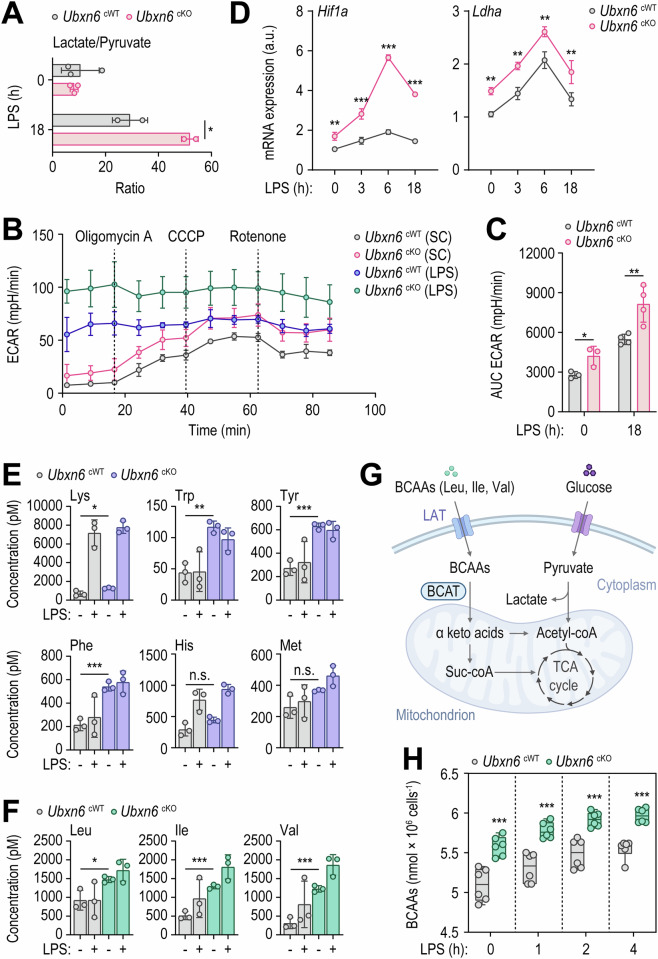
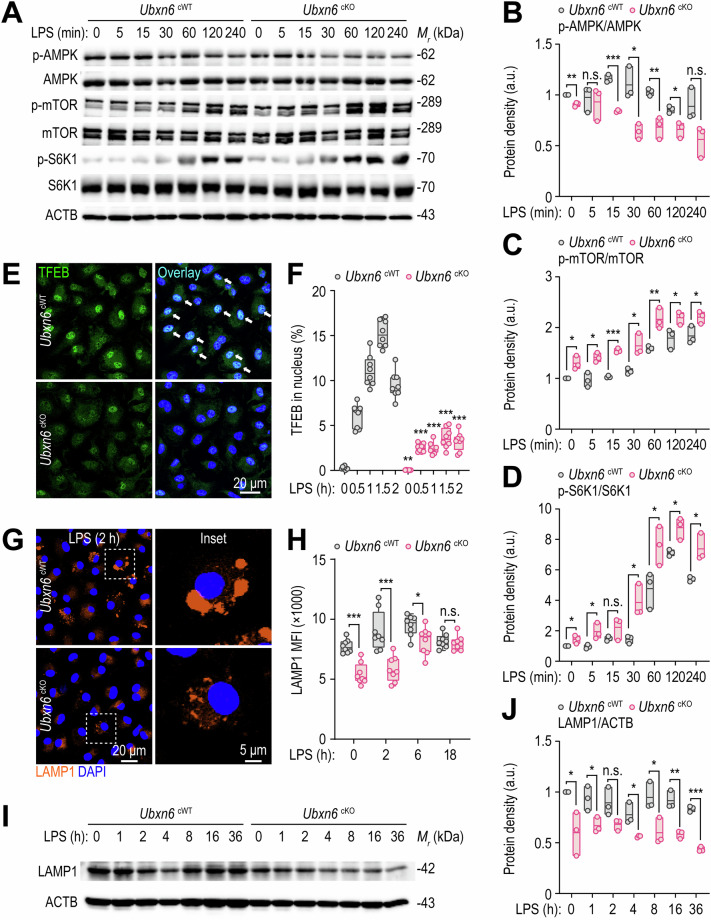
Ubiquitin regulatory X (UBX) domain-containing protein 6 (UBXN6) is an essential cofactor for the activity of the valosin-containing protein p97, an adenosine triphosphatase associated with diverse cellular activities. Nonetheless, its role in cells of the innate immune system remains largely unexplored. In this study, we report that UBXN6 is upregulated in humans with sepsis and may serve as a pivotal regulator of inflammatory responses via the activation of autophagy. Notably, the upregulation of UBXN6 in sepsis patients was negatively correlated with inflammatory gene profiles but positively correlated with the expression of Forkhead box O3, an autophagy-driving transcription factor. Compared with those of control mice, the macrophages of mice subjected to myeloid cell-specific UBXN6 depletion exhibited exacerbated inflammation, increased mitochondrial oxidative stress, and greater impairment of autophagy and endoplasmic reticulum-associated degradation pathways. UBXN6-deficient macrophages also exhibited immunometabolic remodeling, characterized by a shift to aerobic glycolysis and elevated levels of branched-chain amino acids. These metabolic shifts amplify mammalian target of rapamycin pathway signaling, in turn reducing the nuclear translocation of the transcription factor EB and impairing lysosomal biogenesis. Together, these data reveal that UBXN6 serves as an activator of autophagy and regulates inflammation to maintain immune system suppression during human sepsis.
泛素调节 X(UBX)结构域蛋白 6(UBXN6)是包含缬氨酸的蛋白 p97 的活性所必需的辅助因子,p97 是一种与多种细胞活动相关的三磷酸腺苷酶。尽管如此,其在固有免疫系统细胞中的作用在很大程度上仍未得到探索。在这项研究中,我们报告称,UBXN6 在败血症患者中上调,并且可能通过自噬的激活作为炎症反应的关键调节剂。值得注意的是,败血症患者中 UBXN6 的上调与炎症基因谱呈负相关,但与自噬驱动转录因子叉头框 O3 的表达呈正相关。与对照小鼠相比,骨髓细胞特异性 UBXN6 耗竭的小鼠的巨噬细胞表现出炎症加剧、线粒体氧化应激增加以及自噬和内质网相关降解途径的损伤更大。UBXN6 缺陷型巨噬细胞还表现出免疫代谢重塑,其特征是有氧糖酵解和支链氨基酸水平升高。这些代谢变化放大了哺乳动物雷帕霉素靶蛋白通路信号,进而减少转录因子 EB 的核易位并损害溶酶体生物发生。总之,这些数据表明 UBXN6 作为自噬的激活剂,通过调节炎症来维持人类败血症期间的免疫系统抑制。