Graduate School of Comprehensive Human Sciences, University of Tsukuba, Tsukuba, Japan.
Department of Molecular Neurobiology, Institute of Medicine, University of Tsukuba, Tsukuba, Japan.
Elife. 2024 Oct 23;13:RP95999. doi: 10.7554/eLife.95999.
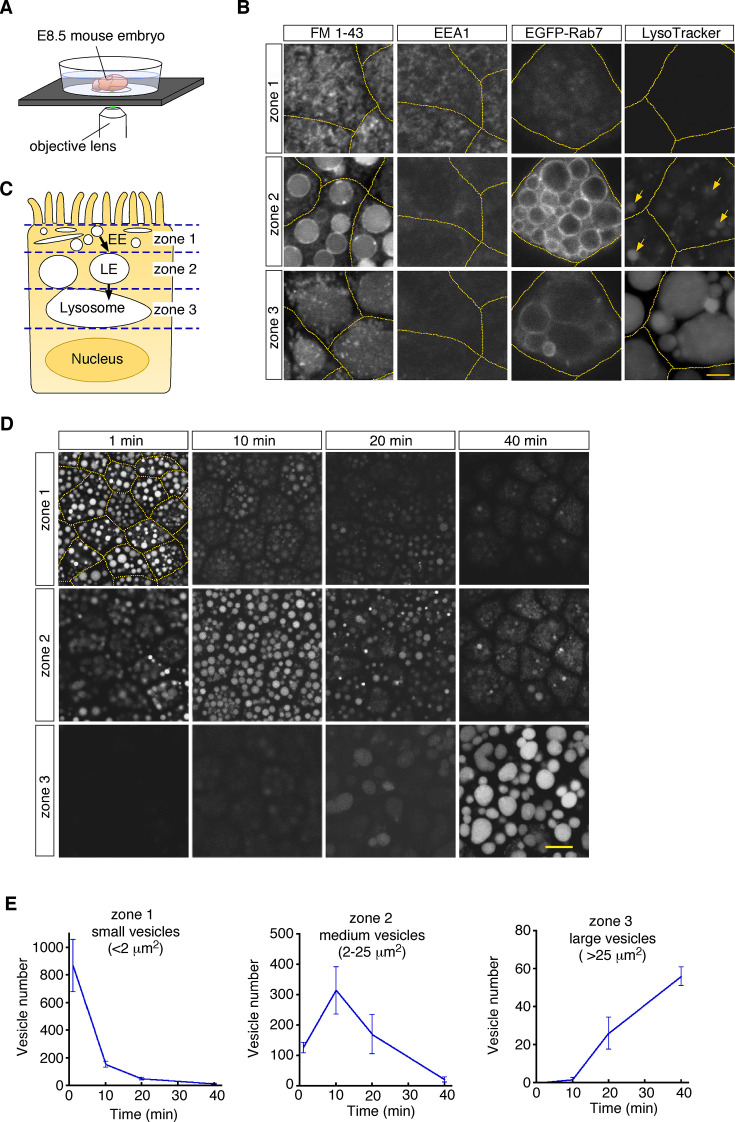
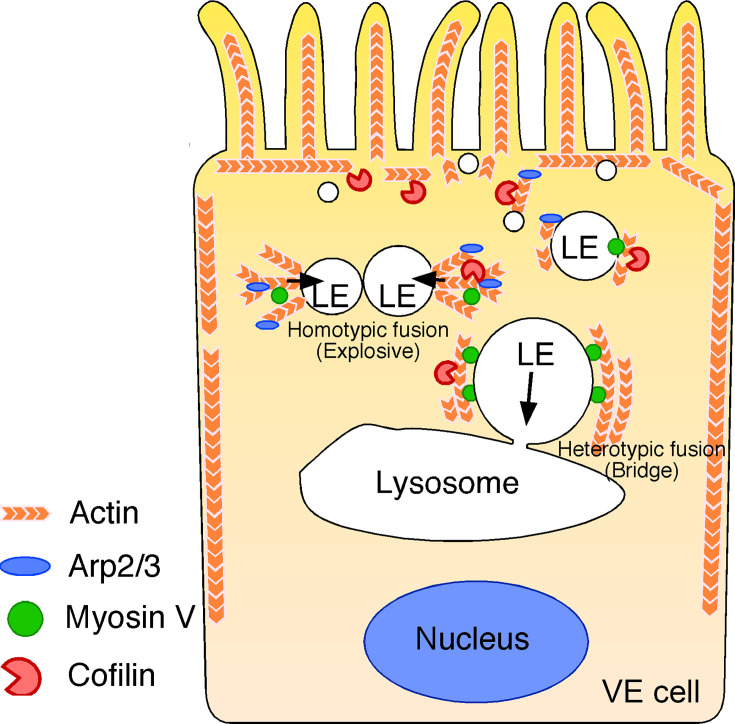
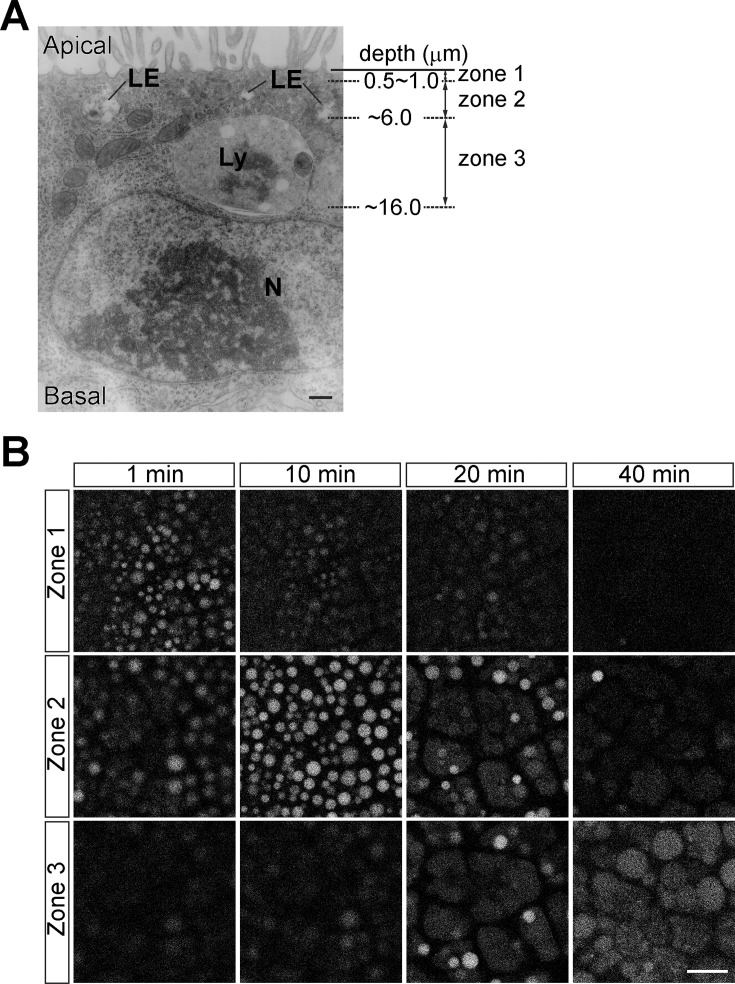
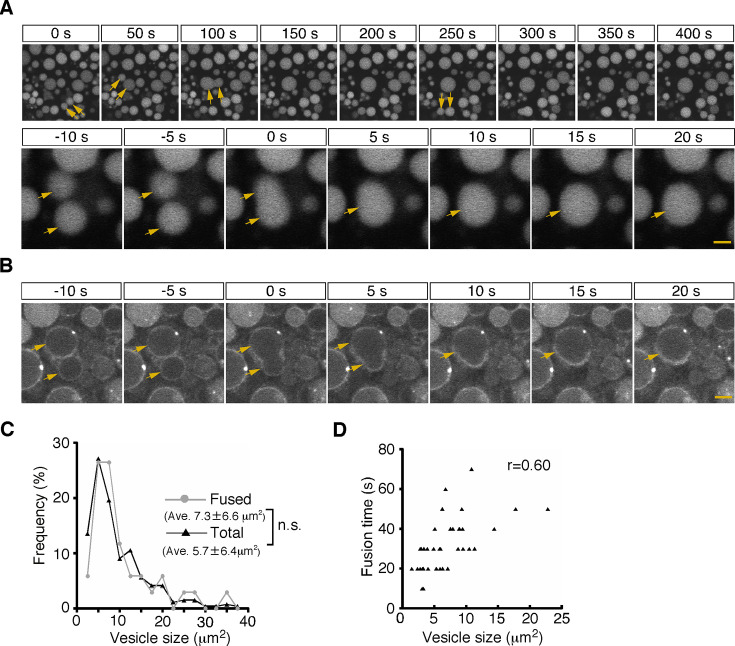
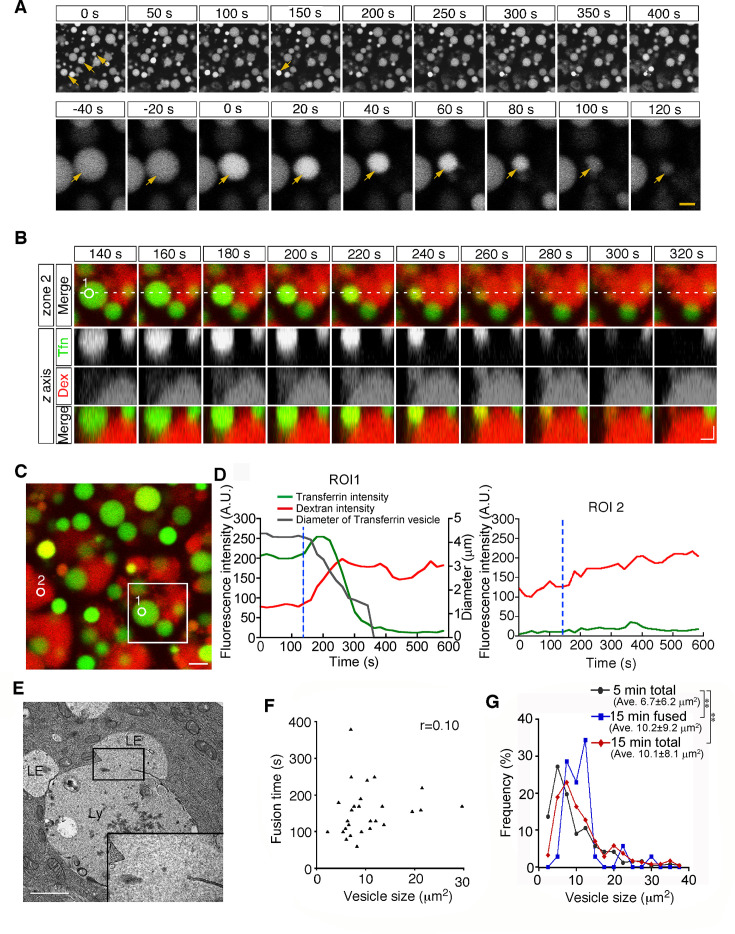
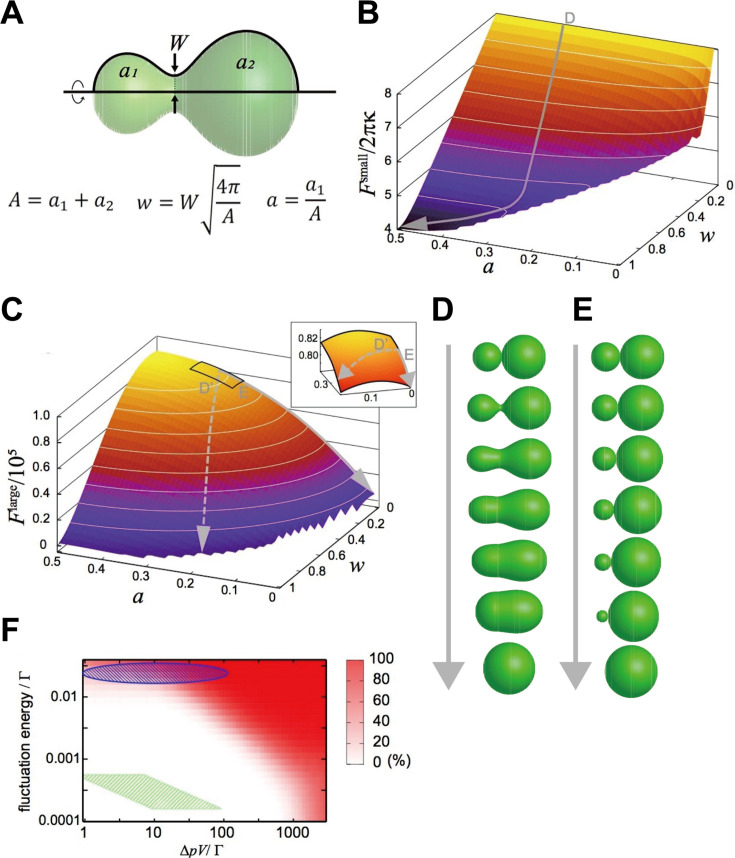
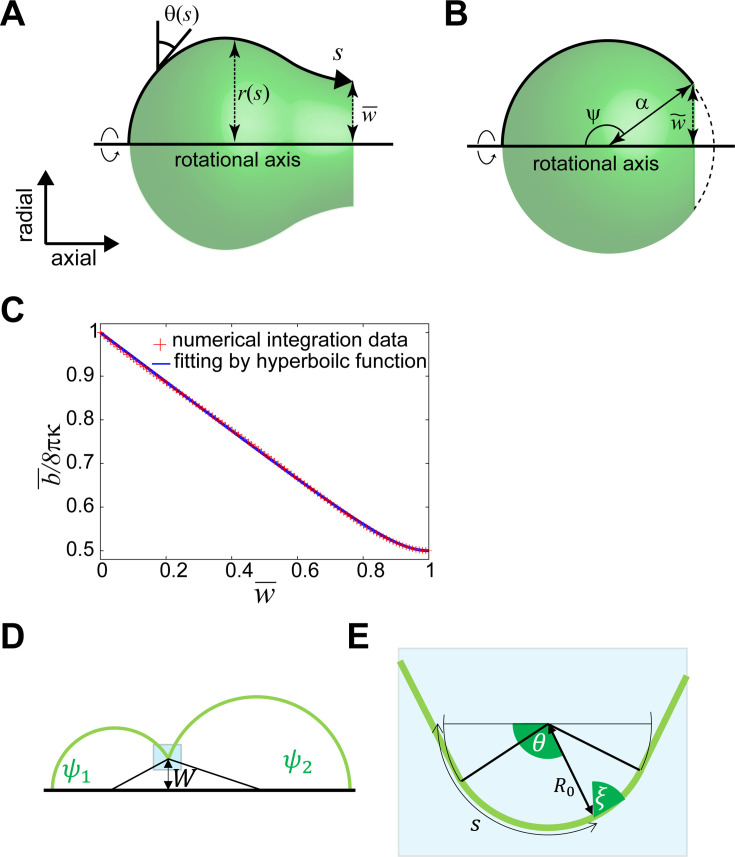
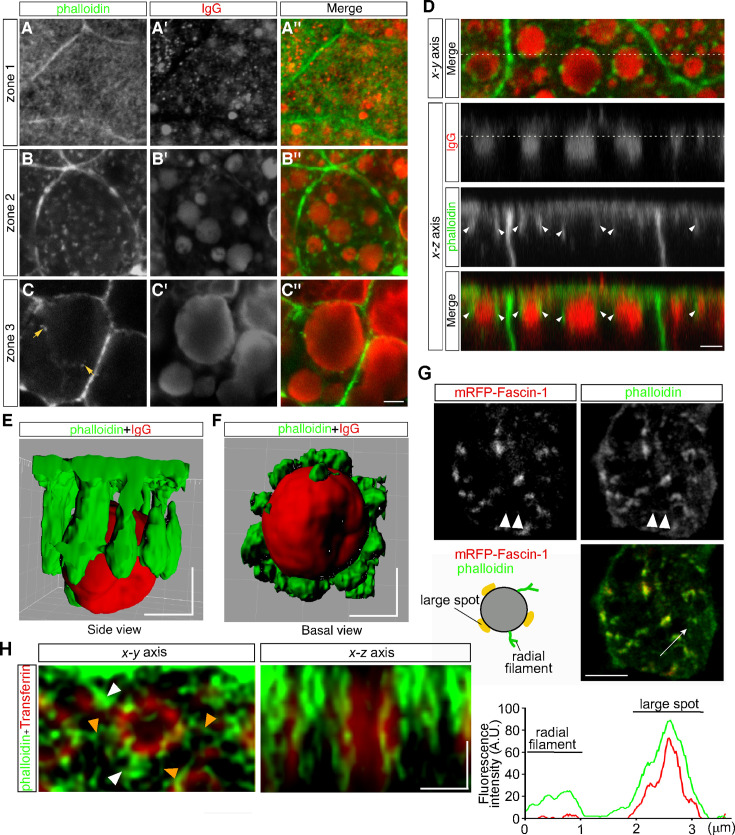
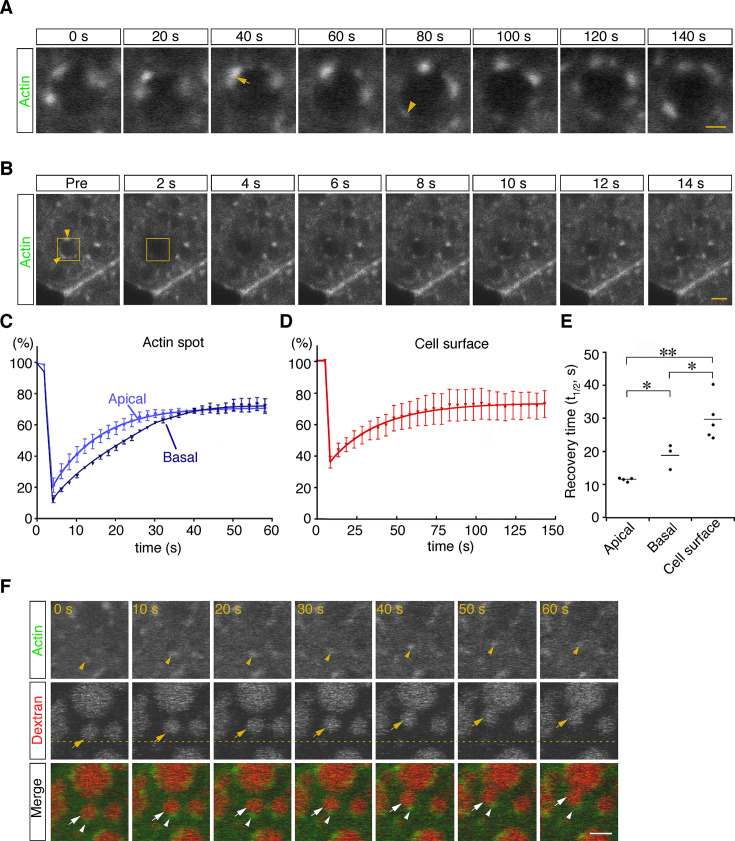
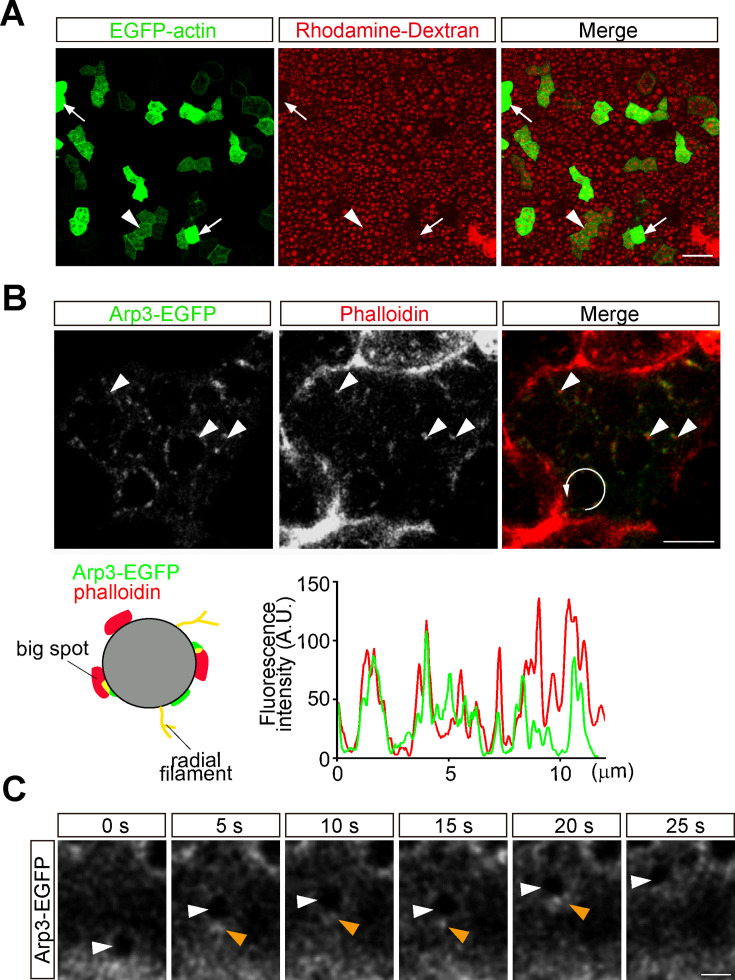
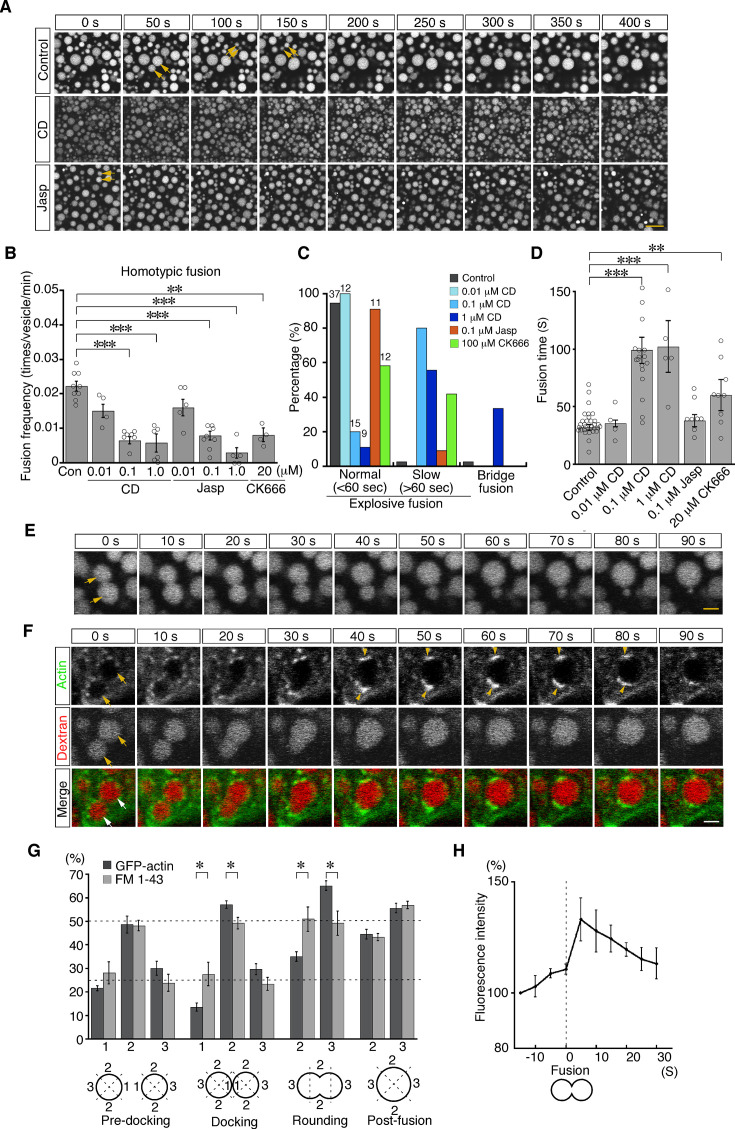
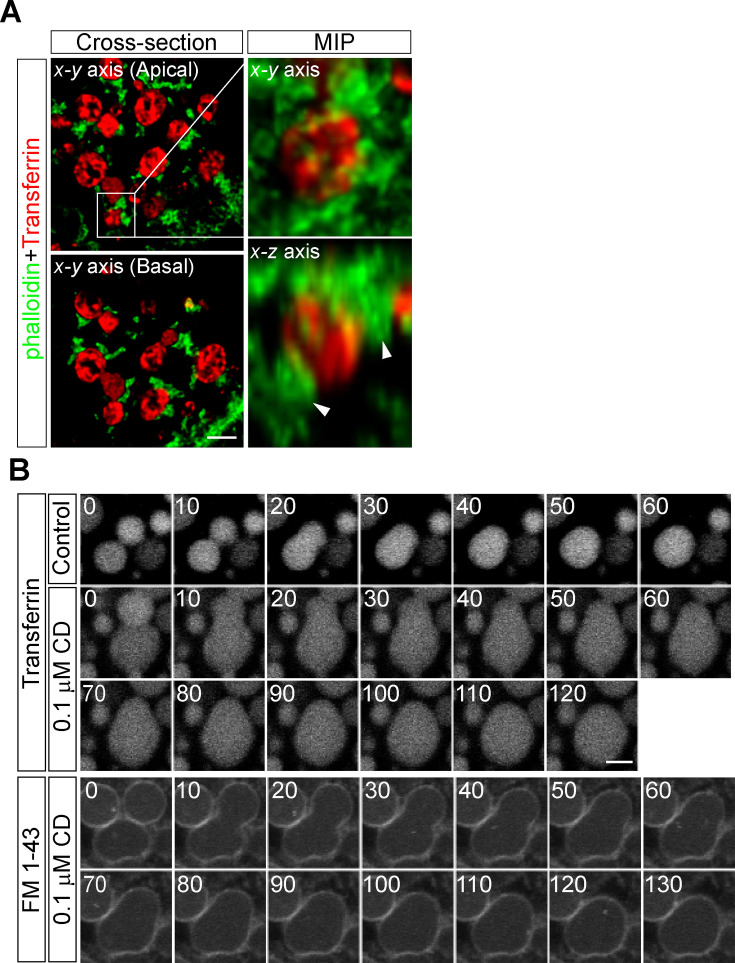
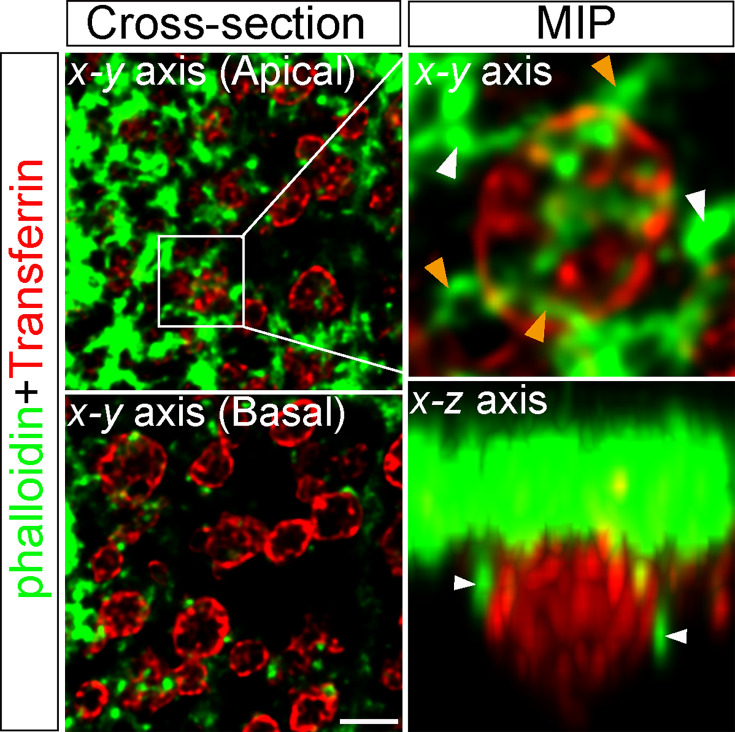
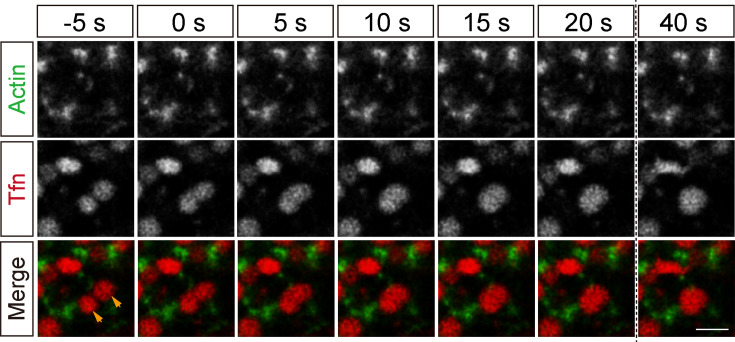
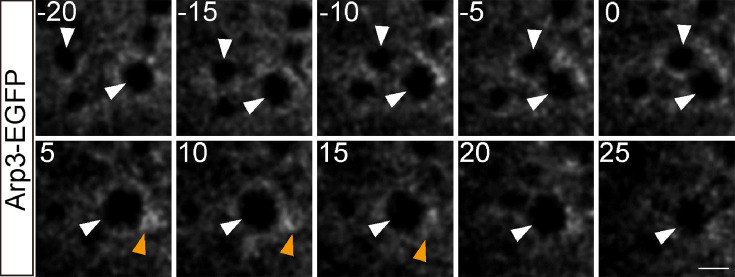
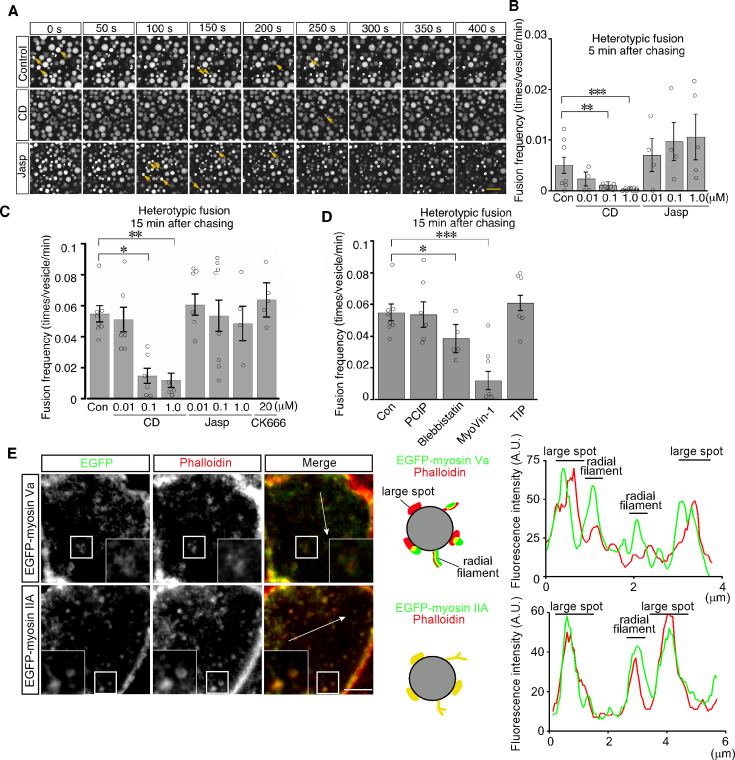
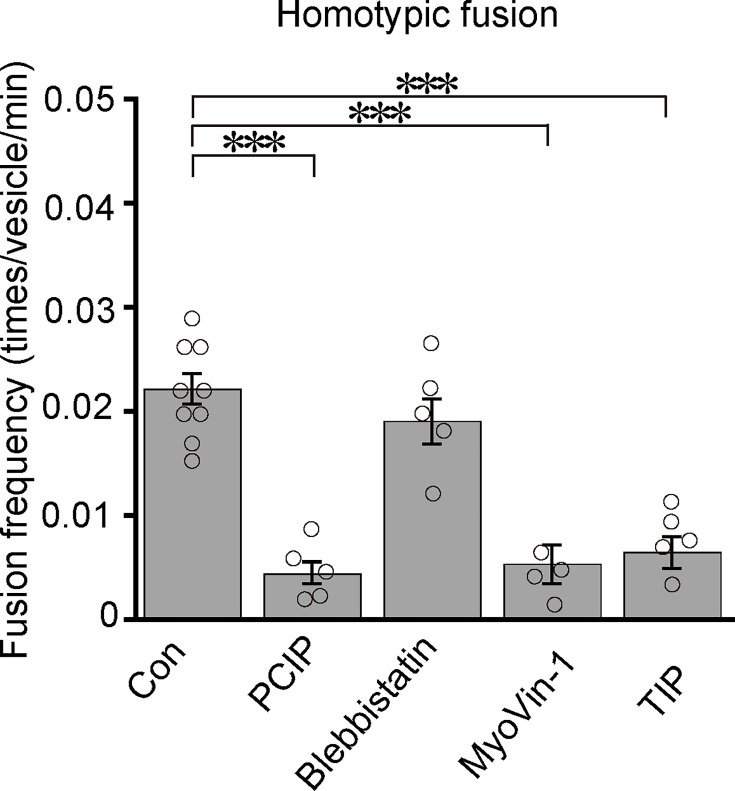
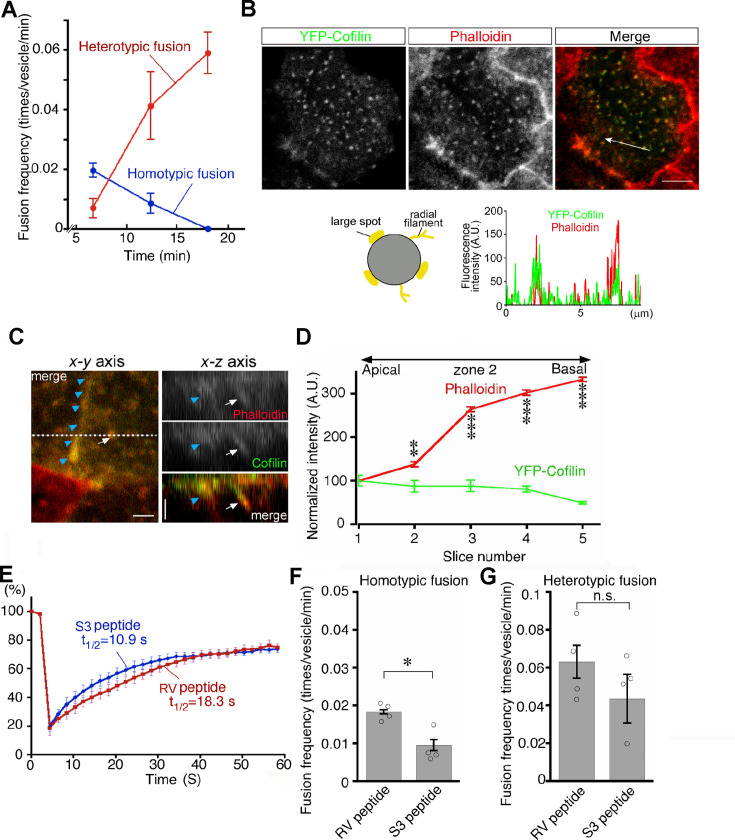
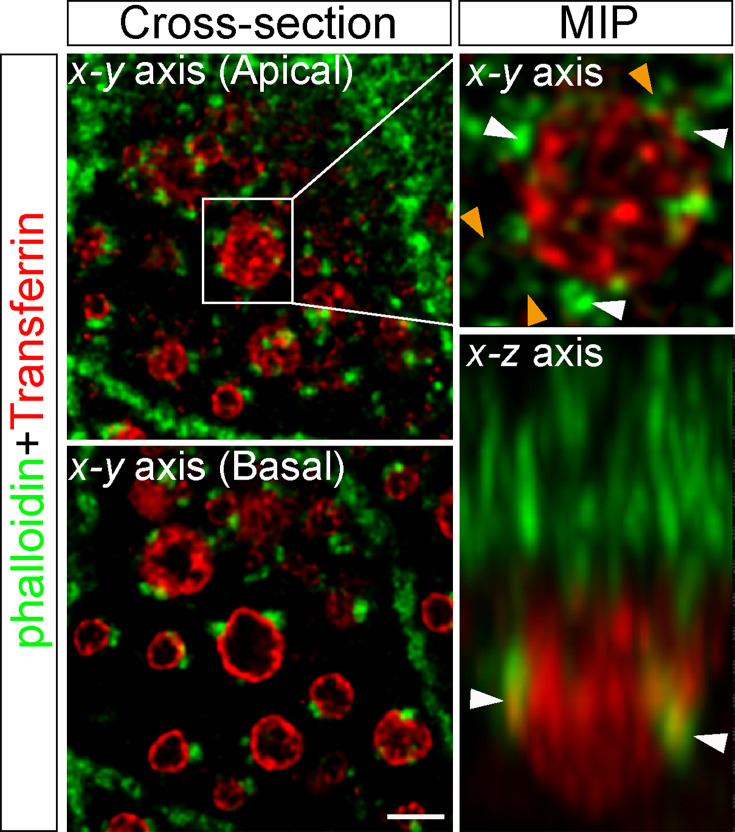
Membranes undergo various patterns of deformation during vesicle fusion, but how this membrane deformation is regulated and contributes to fusion remains unknown. In this study, we developed a new method of observing the fusion of individual late endosomes and lysosomes by using mouse yolk sac visceral endoderm cells that have huge endocytic vesicles. We found that there were two distinct fusion modes that were differently regulated. In homotypic fusion, two late endosomes fused quickly, whereas in heterotypic fusion they fused to lysosomes slowly. Mathematical modeling showed that vesicle size is a critical determinant of these fusion types and that membrane fluctuation forces can overcome the vesicle size effects. We found that actin filaments were bound to late endosomes and forces derived from dynamic actin remodeling were necessary for quick fusion during homotypic fusion. Furthermore, cofilin played a role in endocytic fusion by regulating actin turnover. These data suggest that actin promotes vesicle fusion for efficient membrane trafficking in visceral endoderm cells.
膜在囊泡融合过程中经历各种变形模式,但这种膜变形如何被调节以及如何促进融合仍不清楚。在这项研究中,我们开发了一种新方法,通过使用具有巨大内吞泡的鼠蛋黄囊内脏内胚层细胞来观察单个晚期内体和溶酶体的融合。我们发现存在两种不同调节的融合模式。在同质融合中,两个晚期内体快速融合,而在异质融合中,它们缓慢融合到溶酶体中。数学模型表明,囊泡大小是这些融合类型的关键决定因素,并且膜波动力可以克服囊泡大小的影响。我们发现肌动蛋白丝与晚期内体结合,并且来自动态肌动蛋白重塑的力对于同质融合过程中的快速融合是必需的。此外,胞质蛋白在通过调节肌动蛋白周转来调节内吞融合中发挥作用。这些数据表明肌动蛋白通过促进囊泡融合来促进内脏内胚层细胞中的有效膜运输。