Jiangxi Provincial Key Laboratory for Animal Health, Institute of Animal Population Health, College of Animal Science and Technology, Jiangxi Agricultural University, Nanchang, 330045, PR China.
Jiangxi Agricultural Engineering Vocational College, Zhangshu, Jiangxi, 331200, China.
BMC Microbiol. 2024 Oct 23;24(1):428. doi: 10.1186/s12866-024-03522-y.
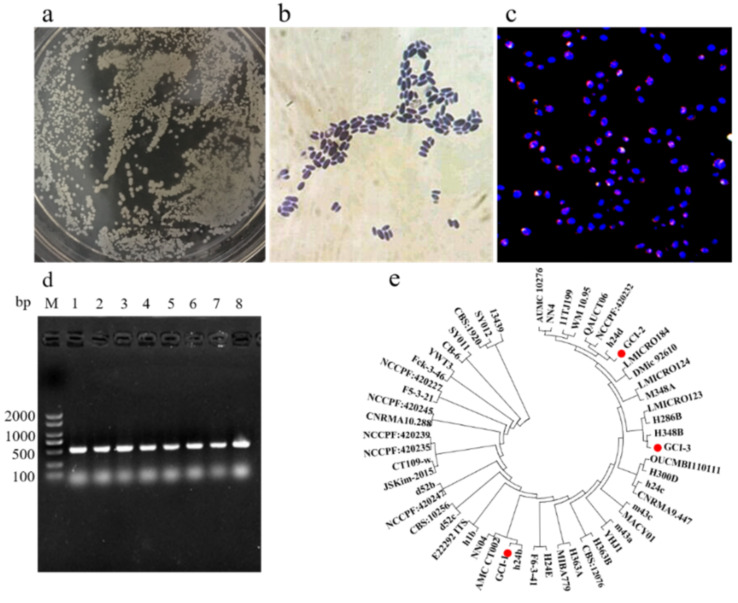
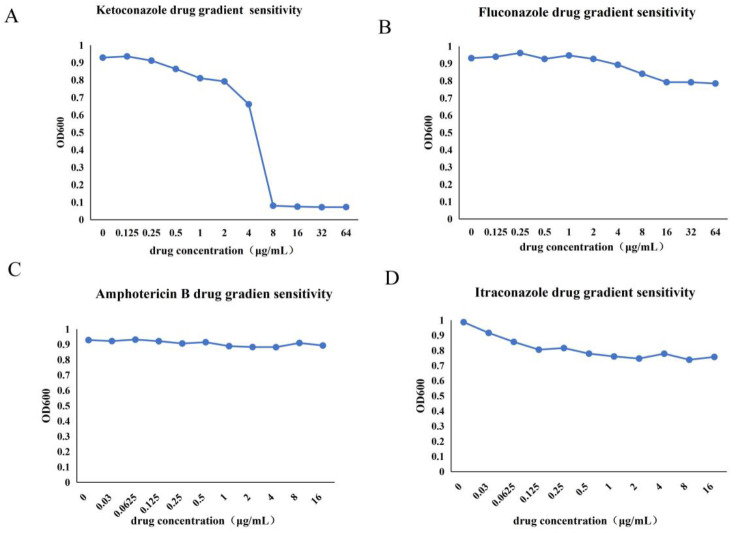
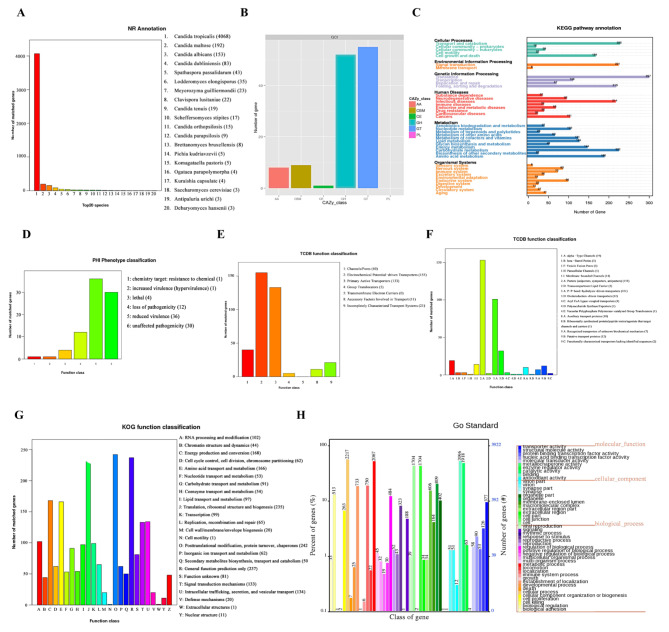
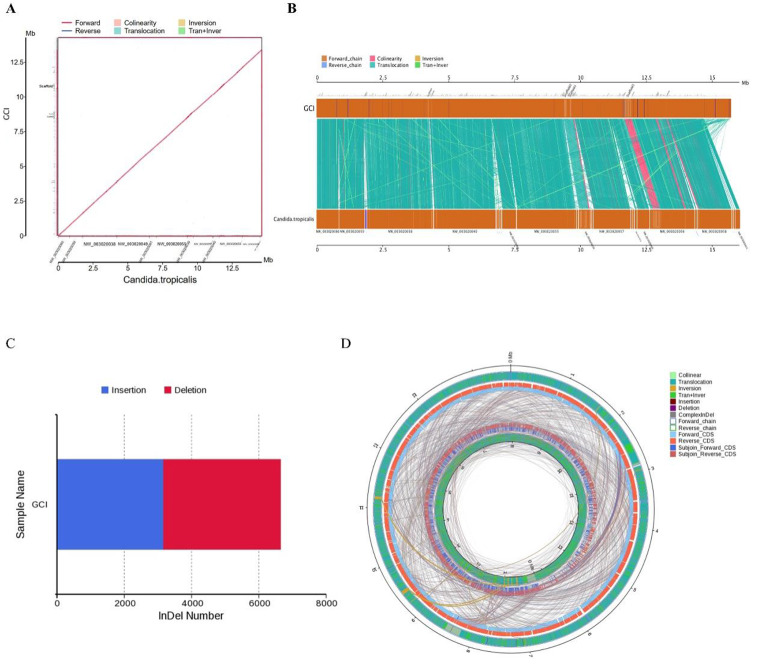
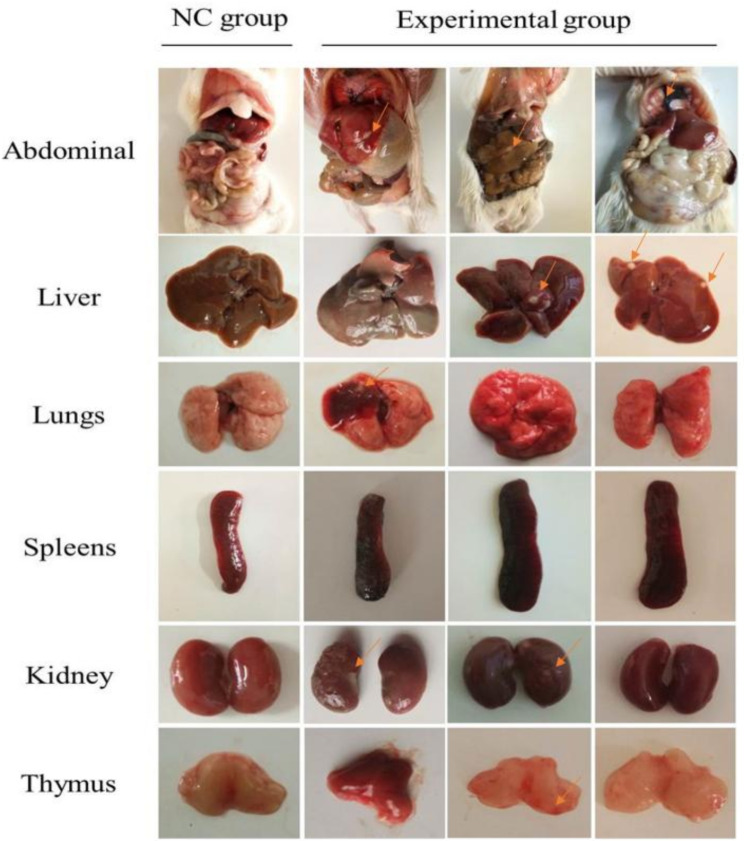
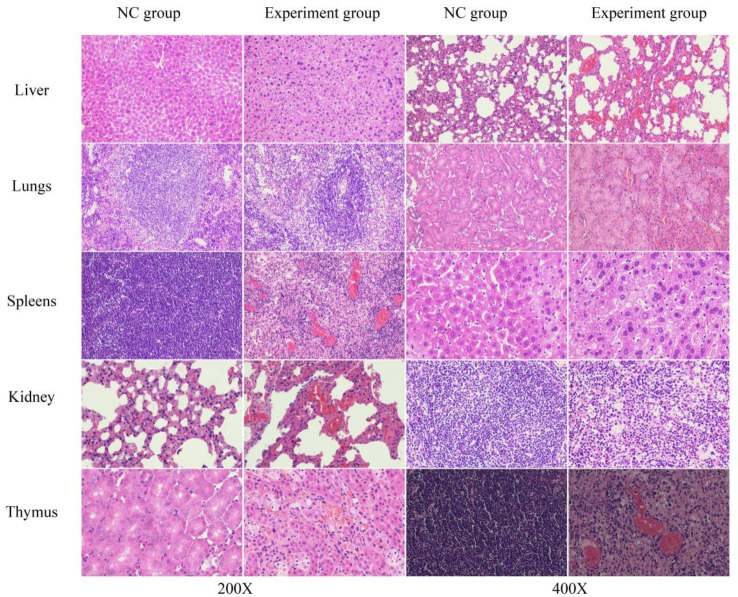
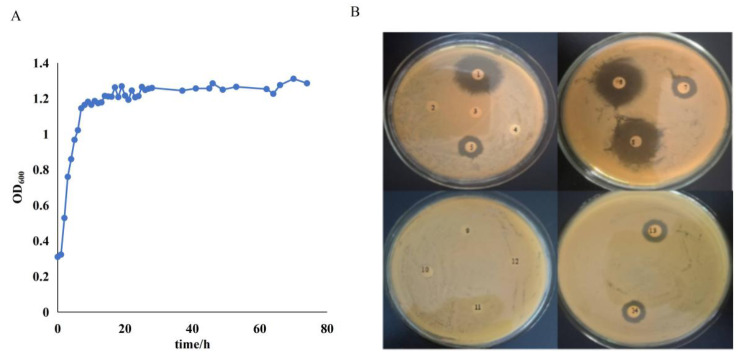
Candida tropicalis (C. tropicalis) is a zoonotic pathogen that is widespread in the environment and in recent years an increasing number of dairy cows have been infected with the fungus causing mastitis in cows.In this study, 37 milk samples from the udders of cows with clinical mastitis were collected from a dairy farm in Guangxi Province, China, from which C. tropicalis was isolated and identified, and then the isolated fungi were subjected to genome frame map sequencing, genome functional analysis as well as comparative genome analysis of the sequencing results, and combined with the virulence test of the fungi and drug sensitivity test of the fungi determined in infected mice, the resistance genes and pathogenicity of the fungi were Analysis of resistance genes and pathogenicity.Our study results revealed the isolation and characterisation of C. tropicalis from diseased cows, with a genome length of approximately 14.27 Mb. Functional annotation of the genome identified 4068 genes associated with C. tropicalis. The strain exhibited a chemoresistance mutation in the gene cyp51,a virulence-enhancing mutation in the gene VTC4, and mutations in genes linked to drug resistance. Pathogenicity tests demonstrated that C. tropicalis could induce damage to the internal organs of mice, leading to different levels of cyanosis in the abdominal cavity, white necrotic foci on the surface of internal organs, lung hemorrhage, and enlargement of the spleen and thymus.Histological sections also revealed varying degrees of hemorrhage and degenerative changes in the cells of different organs in the mice. Drug sensitivity tests showed that the fungus was highly sensitive to nystatin and ketoconazole, moderately sensitive to amphotericin B, and insensitive to antibiotics such as itraconazole, gentamicin, and penicillin. In conclusion, C. tropicalis isolated from dairy cows in the Guangxi region in this study was pathogenic and resistant to azoles such as itraconazole and fluconazole, and this study provides a theoretical basis for the further screening of novel resistance genes in C. tropicalis, as well as providing a certain reference for the drugs used for the treatment of fungal cow mastitis in this region.
热带假丝酵母(Candida tropicalis)是一种人畜共患的病原体,广泛存在于环境中。近年来,越来越多的奶牛感染了这种真菌,导致奶牛乳腺炎。本研究从中国广西某奶牛场采集了 37 份患有临床乳腺炎奶牛的乳样,从这些乳样中分离出热带假丝酵母,并对分离出的真菌进行基因组框架图谱测序、基因组功能分析以及测序结果的比较基因组分析,结合真菌的毒力试验和感染小鼠的药敏试验,分析真菌的耐药基因和致病性。我们的研究结果揭示了从患病奶牛中分离和鉴定出的热带假丝酵母,其基因组大小约为 14.27 Mb。对基因组的功能注释鉴定出与热带假丝酵母相关的 4068 个基因。该菌株在基因 cyp51 中表现出化学抗性突变,在基因 VTC4 中表现出增强毒力的突变,以及与耐药性相关的基因发生突变。致病性试验表明,热带假丝酵母可诱导小鼠内脏器官损伤,导致小鼠腹腔不同程度发绀,内脏表面出现白色坏死灶,肺出血,脾、胸腺肿大。组织学切片还显示,不同器官的细胞出现不同程度的出血和退行性变化。药敏试验表明,该真菌对制霉菌素和酮康唑高度敏感,对两性霉素 B 中度敏感,对伊曲康唑、庆大霉素、青霉素等抗生素不敏感。综上所述,本研究从广西地区奶牛中分离出的热带假丝酵母具有致病性和对伊曲康唑、氟康唑等唑类药物的耐药性,为进一步筛选热带假丝酵母中的新型耐药基因提供了理论依据,为该地区奶牛真菌性乳腺炎的治疗药物提供了一定的参考。