Reechaye Driti, Perrine Anne Laure Annaick, Jahajeeah Yashil, Dookhee Fateema, Robinson Jared, Banerjee Indrajit
Internal Medicine, Sir Seewoosagur Ramgoolam Medical College, Belle Rive, MUS.
Surgery, Sir Seewoosagur Ramgoolam Medical College, Belle Rive, MUS.
Cureus. 2024 Sep 23;16(9):e70021. doi: 10.7759/cureus.70021. eCollection 2024 Sep.
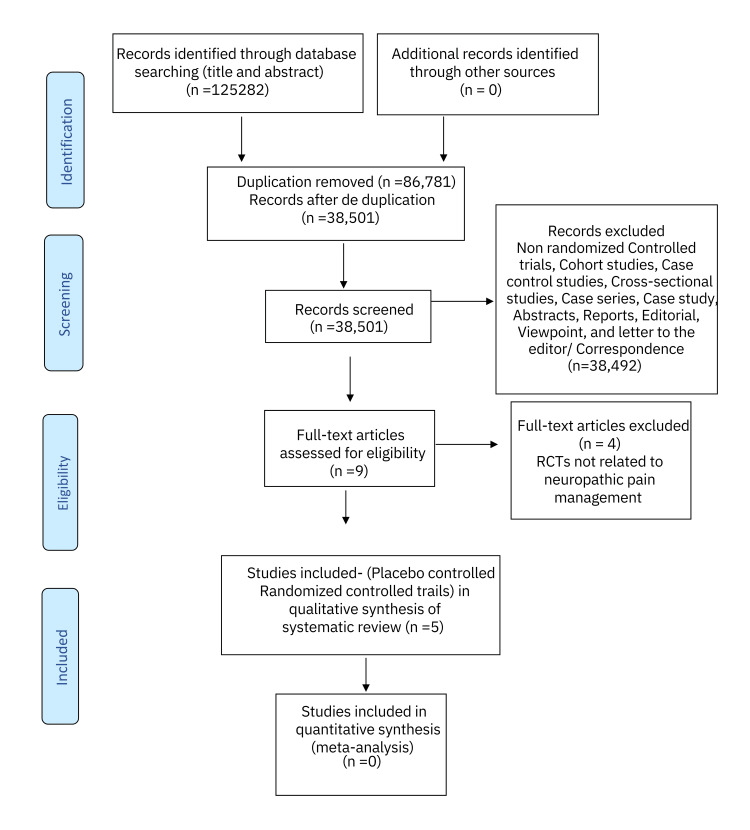
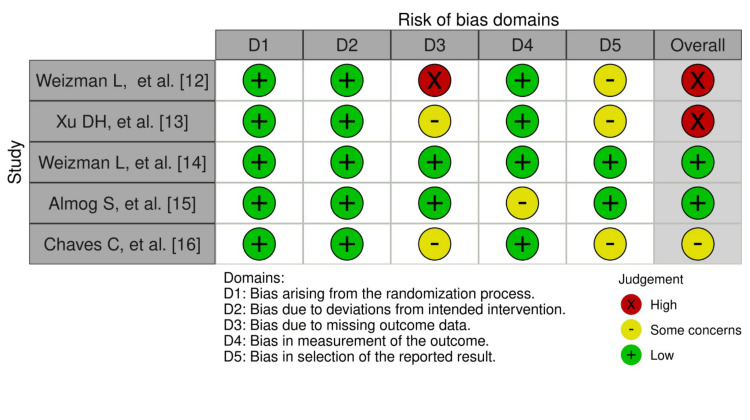
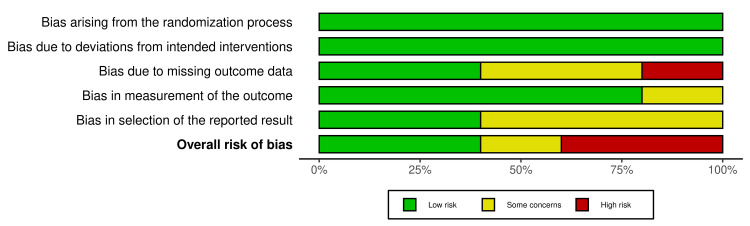
Dysfunction or damage to the nervous system may develop into and result in a chronic pain condition known as neuropathic pain. Neuropathic pain is defined as the structural and functional alteration of the somatosensory component of the nervous system. The treatment of neuropathic pain is a complex endeavor, which often requires specialist care and intensive drug therapy. Recently, cannabinoids have emerged as an alternative and natural option for the treatment of chronic pain, with tetrahydrocannabinol (THC) and cannabidiol (CBD) being the most extensively studied neuroactive components. The therapeutic potential of cannabis remains largely underexplored, primarily due to its social stigma and the restrictions that are in place on its cultivation. The primary aim of this systematic review was to explore the therapeutic value of cannabinoids in the management of chronic pain and thus achieve an improved quality of life for those patients. A systematic review of the literature published over the last two decades was performed using the following databases: PubMed, Cochrane Central Register of Controlled Trials (CENTRAL), Turning research into practice (Trip), and Google Scholar. Studies that were completed and published between January 01, 2000 and August 31, 2024, in English language, were extracted and appraised. A combination of keywords and Boolean operators Cannabis OR Chronic Pain OR End of life OR Pain Management AND Drug therapy was employed for data extraction. The Cochrane risk-of-bias tool for randomized trials (RoB 2) was used for risk-of-bias assessment. The initial search resulted in 125282 articles; 86,781 of the articles were identified as duplicates and were removed from the primary analysis, and 38,501 abstracts were thus screened. Abstracts, case studies, reports, editorials, viewpoints, cross-sectional studies, cohort studies, case-control studies, case series, and letters to the editor/correspondence manuscripts (n =38,492) were furthermore excluded. Nine full-text articles were critically assessed and tested against the inclusion and exclusion criteria, and a further four articles were excluded with a total of five placebo-controlled randomized control studies being ultimately included in the final systematic review. Compared to placebo, cannabinoids provided significant relief from chronic pain (33% vs 15%) as measured by the visual analog scale. The transdermal application of CBD led to a more pronounced reduction in sharp pain, according to the neuropathic pain scale. Minimal to no side effects were recorded, further highlighting the potential benefits of cannabinoids.
神经系统功能障碍或损伤可能发展并导致一种称为神经性疼痛的慢性疼痛状况。神经性疼痛被定义为神经系统躯体感觉成分的结构和功能改变。神经性疼痛的治疗是一项复杂的工作,通常需要专科护理和强化药物治疗。最近,大麻素已成为治疗慢性疼痛的一种替代且天然的选择,四氢大麻酚(THC)和大麻二酚(CBD)是研究最广泛的神经活性成分。大麻的治疗潜力在很大程度上仍未得到充分探索,主要是由于其社会污名以及对其种植的限制。本系统评价的主要目的是探索大麻素在慢性疼痛管理中的治疗价值,从而提高这些患者的生活质量。使用以下数据库对过去二十年发表的文献进行了系统评价:PubMed、Cochrane对照试验中心注册库(CENTRAL)、将研究转化为实践(Trip)和谷歌学术。提取并评估了2000年1月1日至2024年8月31日期间完成并以英文发表的研究。数据提取采用了关键词和布尔运算符“大麻或慢性疼痛或生命终结或疼痛管理与药物治疗”的组合。随机试验的Cochrane偏倚风险工具(RoB 2)用于偏倚风险评估。初步检索得到125282篇文章;其中86781篇文章被确定为重复文章,并从初步分析中剔除,因此筛选了38501篇摘要。此外,摘要、病例研究、报告、社论、观点、横断面研究、队列研究、病例对照研究、病例系列以及给编辑的信/通信手稿(n = 38492)也被排除。对9篇全文进行了严格评估,并根据纳入和排除标准进行了测试,又排除了4篇文章,最终共有5项安慰剂对照随机对照研究纳入最终的系统评价。与安慰剂相比,通过视觉模拟量表测量,大麻素能显著缓解慢性疼痛(33%对15%)。根据神经性疼痛量表,CBD的经皮应用能更显著地减轻刺痛。记录到的副作用极小或没有,进一步凸显了大麻素的潜在益处。