Karimi Mehdi, Vakili Kimia, Rashidian Pegah, Razavi-Amoli Seyedeh-Kiana, Akhbari Matin, Kazemi Kimia
Faculty of Medicine, Bogomolets National Medical University (NMU), Kyiv, Ukraine.
Systematic Review and Meta-analysis Expert Group (SRMEG), Universal Scientific Education and Research Network (USERN), Tehran, Iran.
Front Clin Diabetes Healthc. 2024 Oct 10;5:1466408. doi: 10.3389/fcdhc.2024.1466408. eCollection 2024.
Type 2 diabetes mellitus (T2DM) is a significant global health challenge whose prevalence is projected to increase alarmingly. Recently, due to better safety and fewer adverse effects, herbal medicines have been used to manage T2DM. This study aimed to evaluate the efficacy of boswellia in improving glycemic markers and lipid profiles in T2DM patients.
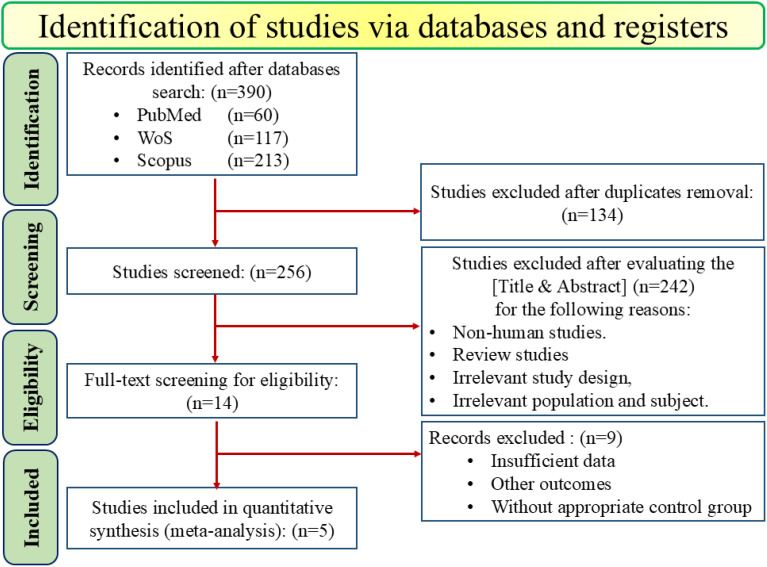
A comprehensive search was conducted on the PubMed, Web of Science, and Scopus databases for all relevant studies published up to April 30, 2024. The effects of boswellia supplementation were evaluated using glycemic markers and lipid profiles. The data were extracted and meta-analyzed using Stata software.
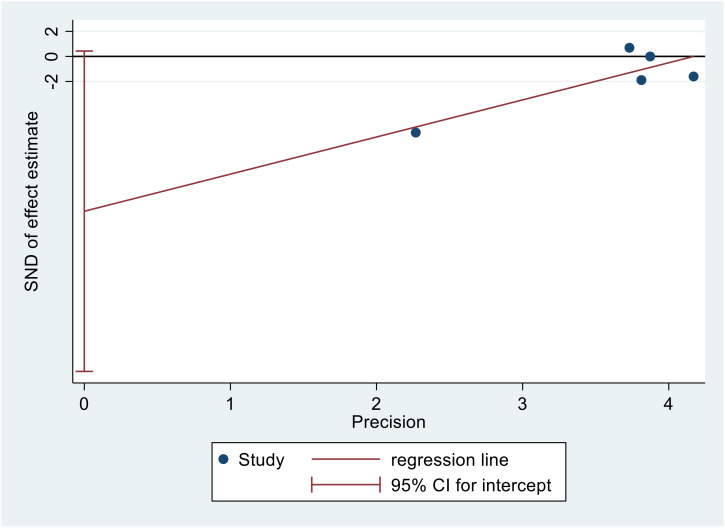
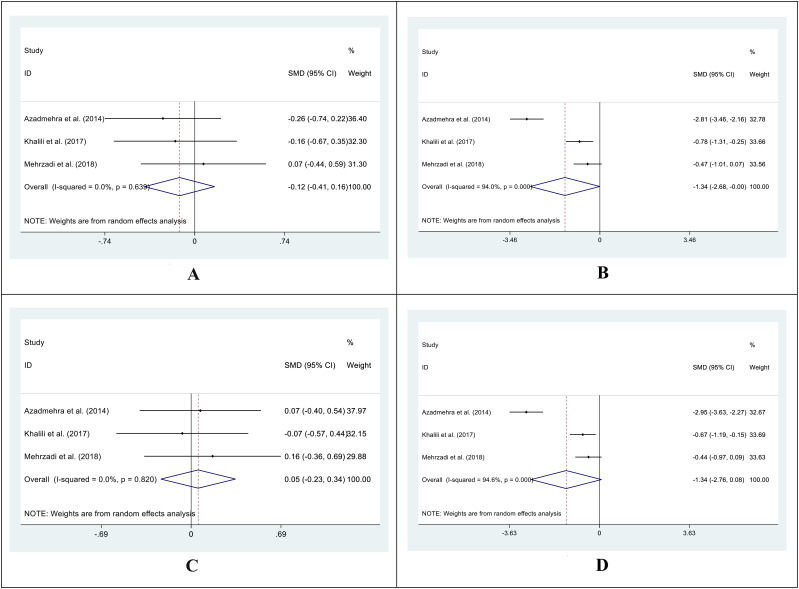
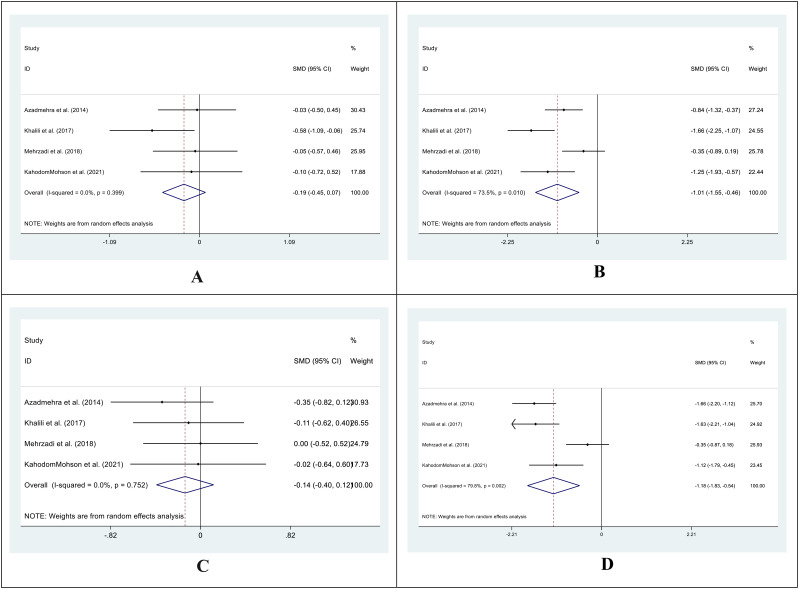
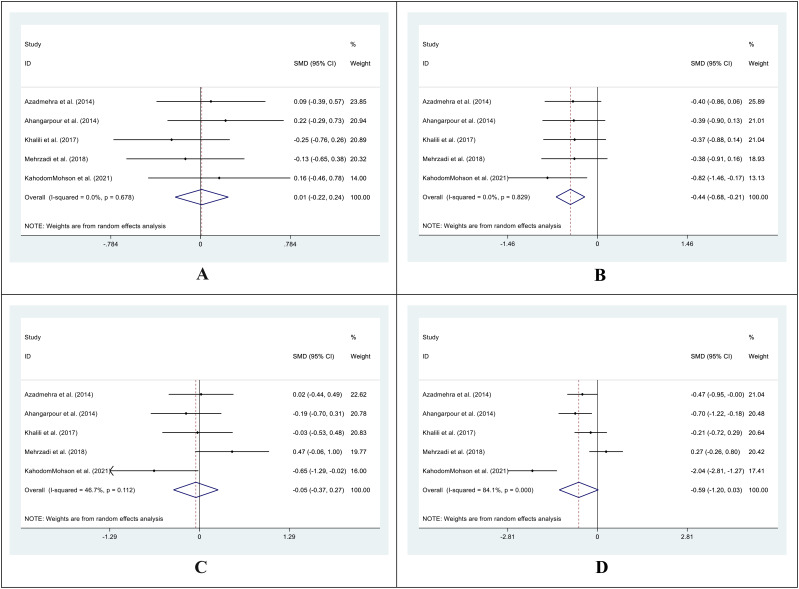
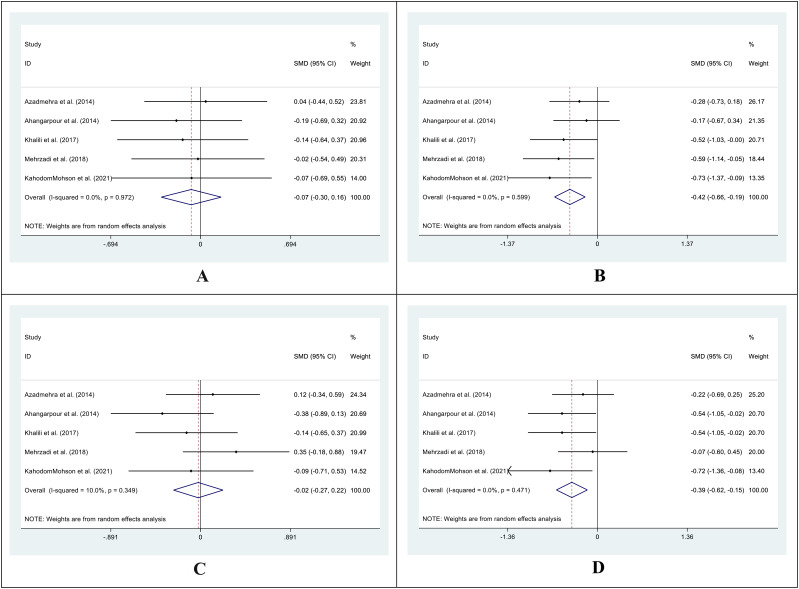
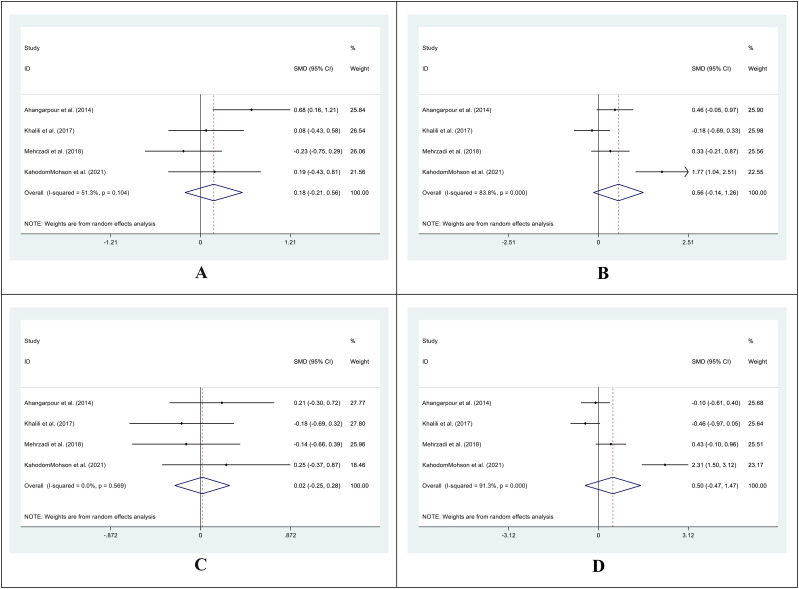
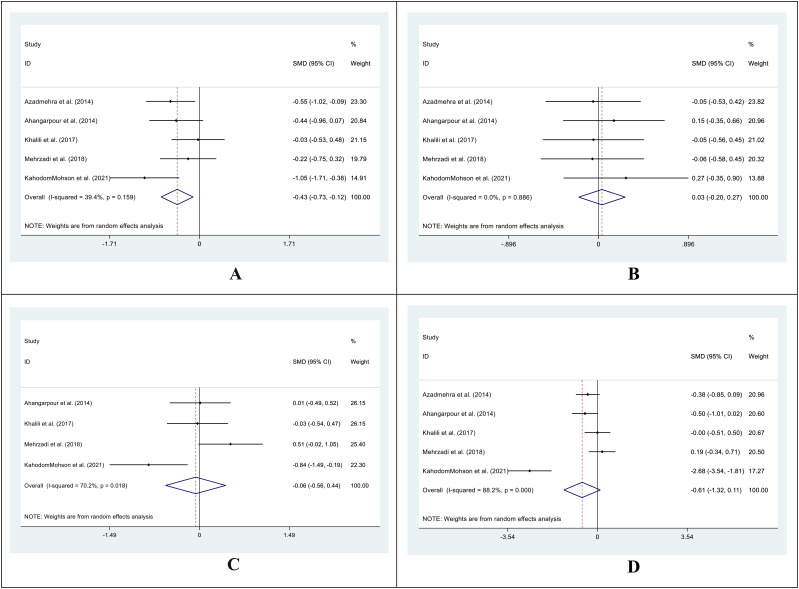
This meta-analysis included five studies with a total of 287 patients with T2DM. It was found that boswellia in patients with T2DM compared to the placebo or control group significantly reduced hemoglobin A1C (HbA1C) (SMD: -1.01; 95%CI: -1.55 to -0.46; P=0.00), total cholesterol (TC) (SMD: -0.44; 95%CI: -0.68 to -0.21; P=0.00), Triglycerides (TG) (SMD: -0.42; 95%CI: -0.66 to -0.19); P=0.00) and low-density lipoprotein (LDL) (SMD: -0.43; 95%CI: -0.73 to -0.12); P=0.006) levels, while reduced fasting blood glucose (FBG) but it was not significant (SMD: -1.34, 95%CI: -2.68 to 0.00; P=0.05). Notably, it did not affect high-density lipoprotein (HDL) (SMD: 0.56, 95%CI: -0.14 to -1.26; P=0.118).
In summary, boswellia supplementation has the potential to improve glycemic markers and lipid profiles in patients with T2DM. It may help diabetic patients in addition to a controlled diet and other treatments.
crd.york.ac.uk/PROSPERO/display_record.php?RecordID=538347, identifier CRD42024538347.
2型糖尿病(T2DM)是一项重大的全球健康挑战,预计其患病率将惊人地上升。最近,由于安全性更好且副作用更少,草药已被用于管理T2DM。本研究旨在评估乳香改善T2DM患者血糖指标和血脂谱的疗效。
在PubMed、科学网和Scopus数据库中进行了全面检索,以查找截至2024年4月30日发表的所有相关研究。使用血糖指标和血脂谱评估补充乳香的效果。使用Stata软件提取数据并进行荟萃分析。
该荟萃分析纳入了5项研究,共287例T2DM患者。结果发现,与安慰剂或对照组相比,T2DM患者使用乳香可显著降低糖化血红蛋白(HbA1C)(标准化均值差:-1.01;95%置信区间:-1.55至-0.46;P=0.00)、总胆固醇(TC)(标准化均值差:-0.44;95%置信区间:-0.68至-0.21;P=0.00)、甘油三酯(TG)(标准化均值差:-0.42;95%置信区间:-0.66至-0.19;P=0.00)和低密度脂蛋白(LDL)(标准化均值差:-0.43;95%置信区间:-0.73至-0.12;P=0.006)水平,同时空腹血糖(FBG)有所降低但不显著(标准化均值差:-1.34,95%置信区间:-2.68至0.00;P=0.05)。值得注意的是,它对高密度脂蛋白(HDL)没有影响(标准化均值差:0.56,95%置信区间:-0.14至-1.26;P=0.118)。
总之,补充乳香有可能改善T2DM患者的血糖指标和血脂谱。除了控制饮食和其他治疗外,它可能对糖尿病患者有所帮助。
crd.york.ac.uk/PROSPERO/display_record.php?RecordID=538347,标识符CRD42024538347。