Ponnusamy Shunmuga Sundaram, Vijayaraman Pugazhendhi, Ellenbogen Kenneth A
Department of Cardiology, Velammal Medical College Madurai, India.
Geisinger Heart Institute, Geisinger Commonwealth School of Medicine Wilkes Barre, PA, US.
Arrhythm Electrophysiol Rev. 2024 Sep 25;13:e15. doi: 10.15420/aer.2024.14. eCollection 2024.
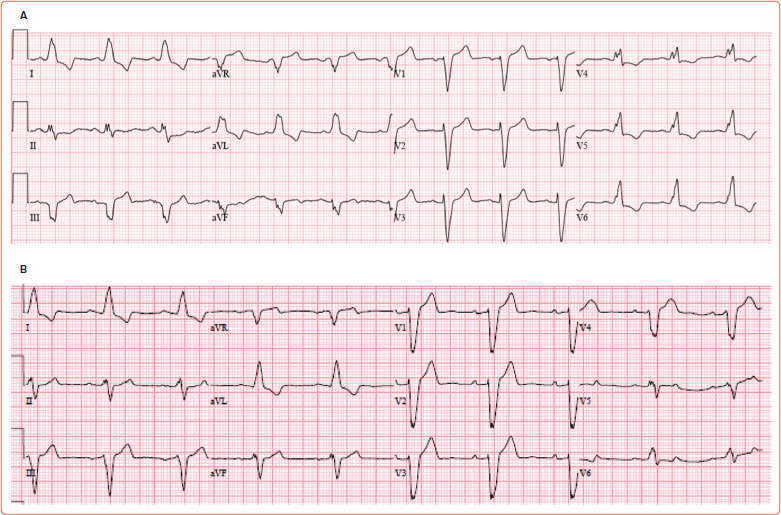
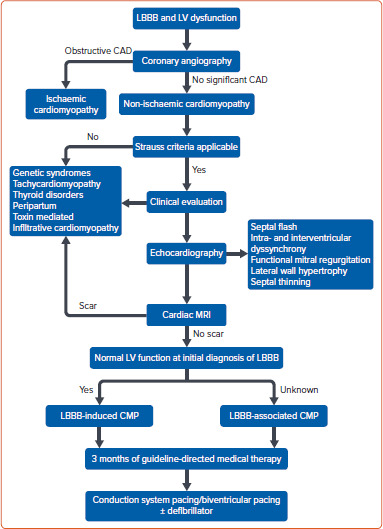
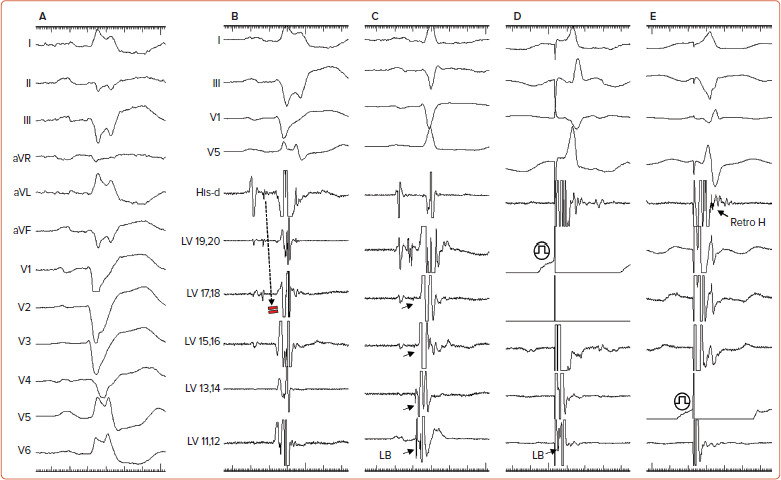
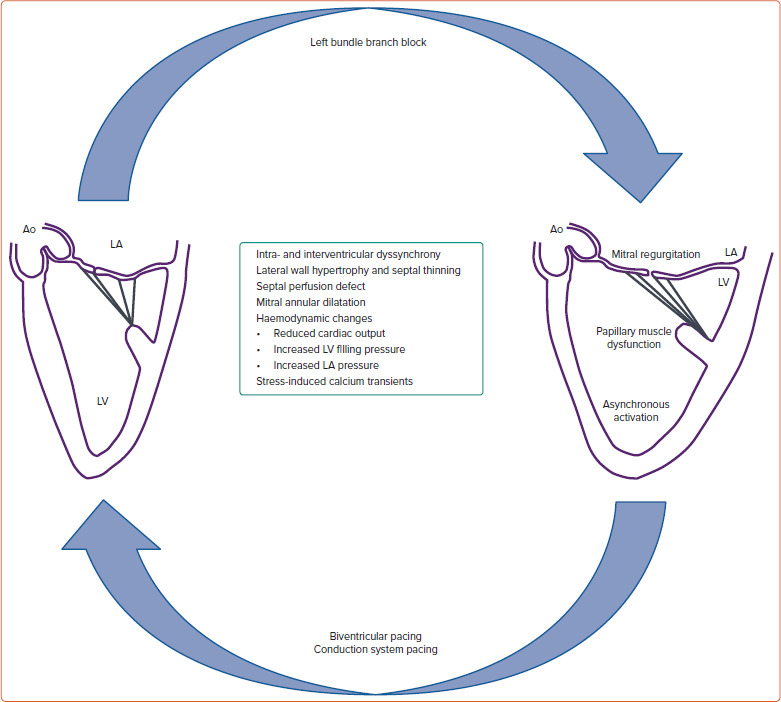
Left bundle branch block (LBBB) is frequently associated with structural heart disease, and predicts higher rates of morbidity and mortality. In patients with cardiomyopathy (ejection fraction <35%) and LBBB, current guidelines recommend cardiac resynchronisation therapy (CRT) after 3 months of medical therapy. However, studies have suggested that medical therapy alone would be less effective, and the majority of patients would still need CRT at the end of 3 months. Conversely, CRT trials have shown better results and favourable clinical outcomes in patients with LBBB. In the absence of any other known aetiology, LBBB-associated cardiomyopathy represents a potentially reversible form of cardiomyopathy, with the majority of the patients having reverse remodelling after CRT by left bundle branch pacing. This review provides the mechanism, published evidence and role of conduction system pacing for patients with LBBB-associated cardiomyopathy.
左束支传导阻滞(LBBB)常与结构性心脏病相关,并预示着更高的发病率和死亡率。在患有心肌病(射血分数<35%)和LBBB的患者中,当前指南建议在药物治疗3个月后进行心脏再同步治疗(CRT)。然而,研究表明,单纯药物治疗效果较差,大多数患者在3个月末仍需要CRT。相反,CRT试验在LBBB患者中显示出更好的结果和良好的临床结局。在没有任何其他已知病因的情况下,LBBB相关心肌病代表了一种潜在可逆的心肌病形式,大多数患者在通过左束支起搏进行CRT后会发生逆向重构。本综述阐述了LBBB相关心肌病患者传导系统起搏的机制、已发表的证据及作用。