Sulyman Abdulhakeem Olarewaju, Yusuf Tafa Ndagi Akanbi, Aribisala Jamiu Olaseni, Ibrahim Kamaldeen Sanni, Ajani Emmanuel Oladipo, Ajiboye Abdulfatai Temitope, Sabiu Saheed, Singh Karishma
Department of Biochemistry, Faculty of Pure and Applied Sciences, Kwara State University, Malete, Ilorin 241102, Nigeria.
Department of Nature Conservation, Faculty of Applied Sciences, Mangosuthu University of Technology, Durban 4031, South Africa.
Curr Issues Mol Biol. 2024 Oct 3;46(10):11156-11175. doi: 10.3390/cimb46100662.
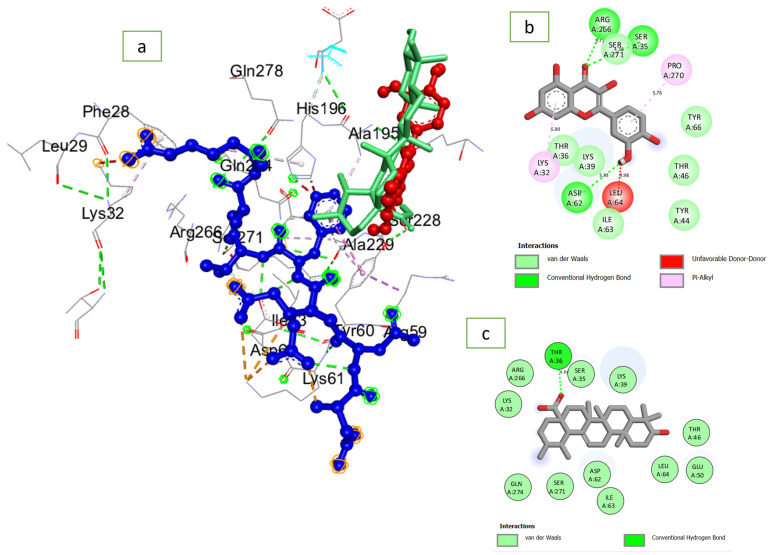
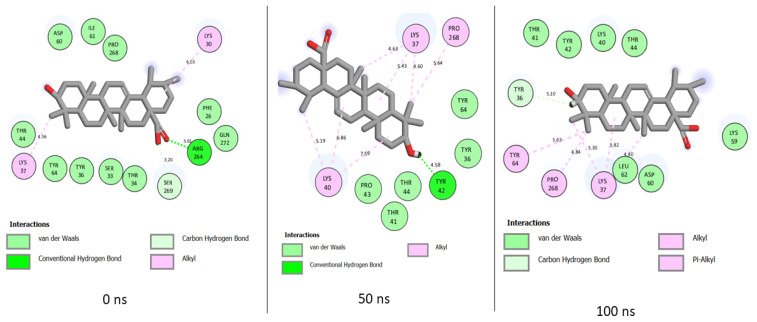
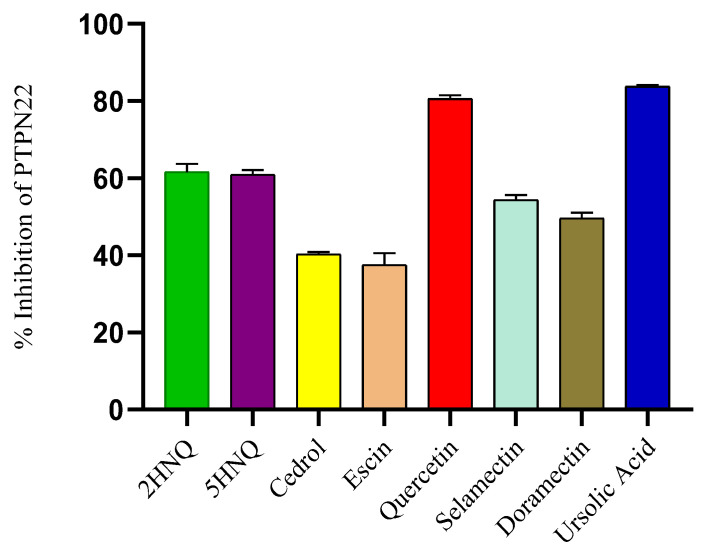
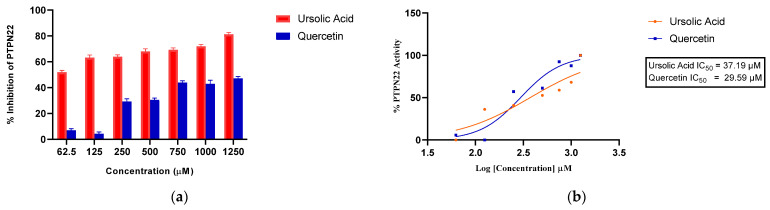
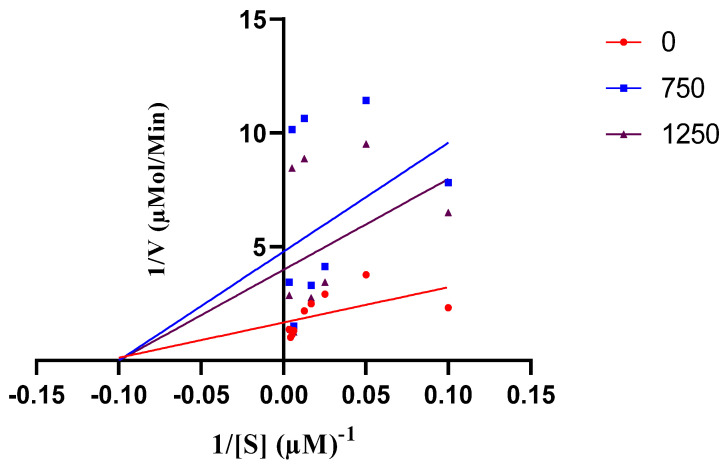
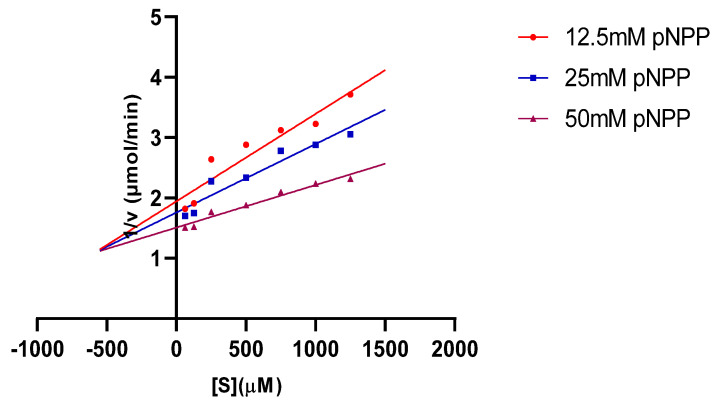
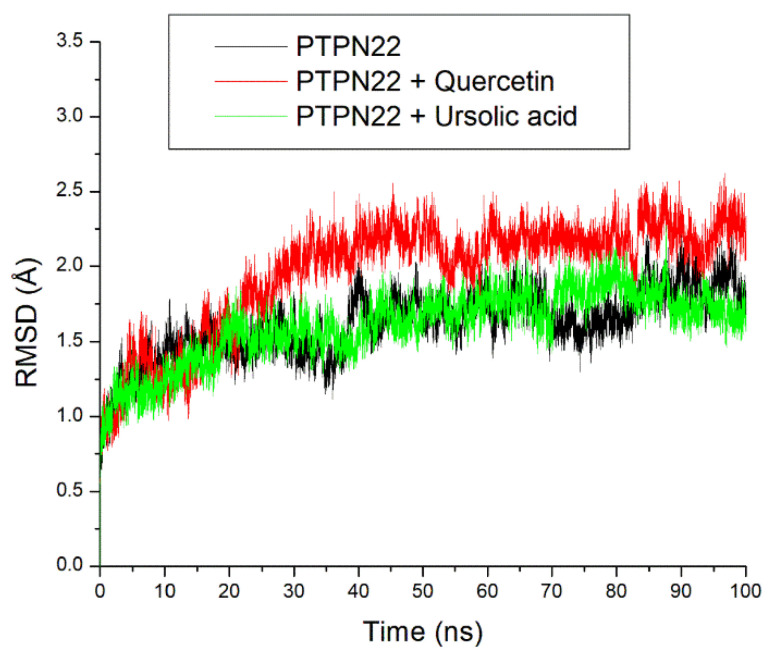
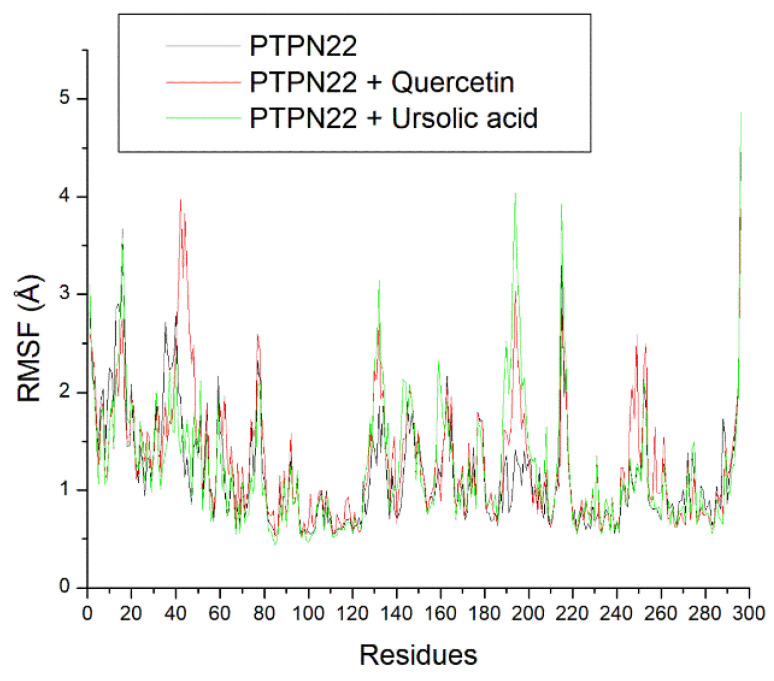
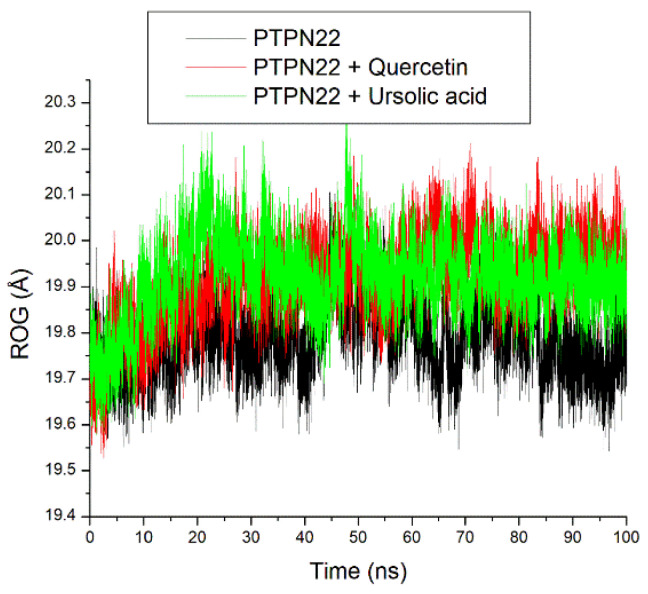
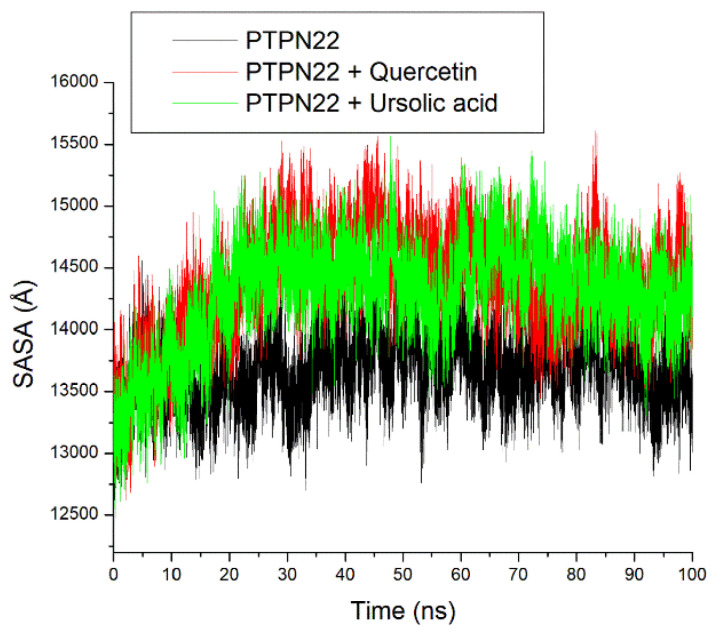
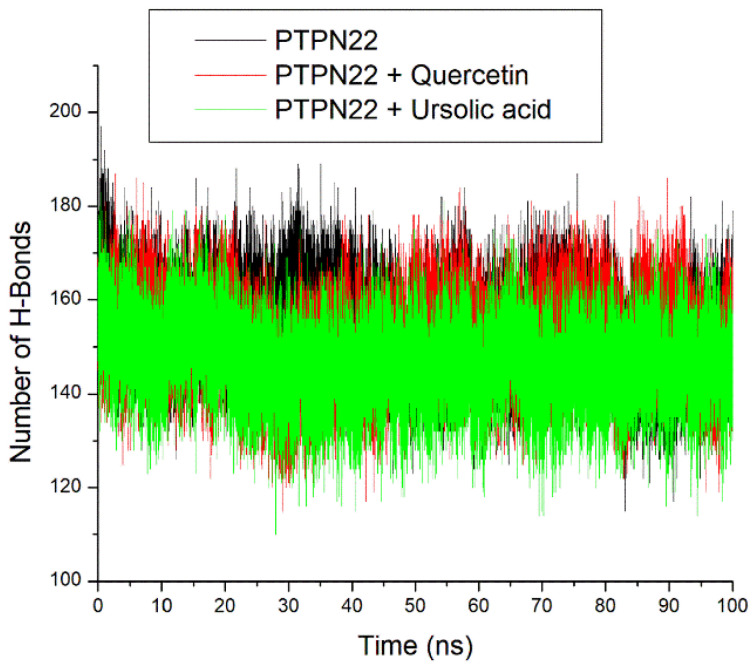
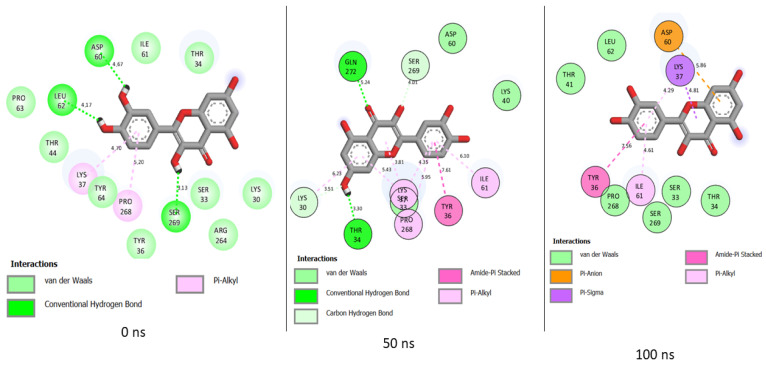
Cancer, a group of diseases characterized by uncontrollable cell proliferation and metastasis, remains a global health challenge. This study investigates quercetin, a natural compound found in many fruits and vegetables, for its potential to inhibit the phosphomonoesterase activity of protein tyrosine phosphatase nonreceptor type 22 (PTPN22), a key immune response regulator implicated in cancer and autoimmune diseases. We started by screening seven (7) natural compounds against the activities of PTPN22 in vitro. The initial screening identified quercetin with the highest percentage inhibition (81%) among the screened compounds when compared with ursolic acid that has 84%. After the identification of quercetin, we proceeded by investigating the effect of increasing concentrations of the compound on the activity of PTPN22. In vitro studies showed that quercetin inhibited PTPN22 with an IC of 29.59 μM, outperforming the reference standard ursolic acid, which had an IC of 37.19 μM. Kinetic studies indicated a non-competitive inhibition by quercetin with a Ki of 550 μM. In silico analysis supported these findings, showing quercetin's better binding affinity (ΔGbind -24.56 kcal/mol) compared to ursolic acid, attributed to its higher reactivity and electron interaction capabilities at PTPN22's binding pocket. Both quercetin and ursolic acid improved the structural stability of PTPN22 during simulations. These results suggest quercetin's potential as an anticancer agent, meriting further research. However, in vivo studies and clinical trials are necessary to fully assess its efficacy and safety, and to better understand its mechanisms of action.
癌症是一组以细胞不受控制的增殖和转移为特征的疾病,仍然是一项全球性的健康挑战。本研究调查了槲皮素,一种在许多水果和蔬菜中发现的天然化合物,探究其抑制蛋白酪氨酸磷酸酶非受体22型(PTPN22)磷酸单酯酶活性的潜力,PTPN22是一种与癌症和自身免疫性疾病相关的关键免疫反应调节因子。我们首先在体外筛选了七种天然化合物对PTPN22活性的影响。初步筛选确定,与抑制率为84%的熊果酸相比,槲皮素在筛选出的化合物中具有最高的抑制率(81%)。确定槲皮素后,我们接着研究了该化合物浓度增加对PTPN22活性的影响。体外研究表明,槲皮素抑制PTPN22的半数抑制浓度(IC)为29.59 μM,优于参考标准熊果酸,后者的IC为37.19 μM。动力学研究表明槲皮素为非竞争性抑制,抑制常数(Ki)为550 μM。计算机模拟分析支持了这些发现,表明槲皮素与熊果酸相比具有更好的结合亲和力(结合自由能ΔGbind为-24.56 kcal/mol),这归因于其在PTPN22结合口袋处更高的反应活性和电子相互作用能力。在模拟过程中,槲皮素和熊果酸都提高了PTPN22的结构稳定性。这些结果表明槲皮素具有作为抗癌剂的潜力,值得进一步研究。然而,需要进行体内研究和临床试验来全面评估其疗效和安全性,并更好地了解其作用机制。