Information Systems Department, Zagazig University, Zagazig, 44519, Egypt.
Department of Orthopedic Surgery, Zagazig University, Zagazig, 44519, Egypt.
Sci Rep. 2024 Oct 25;14(1):25434. doi: 10.1038/s41598-024-75549-0.
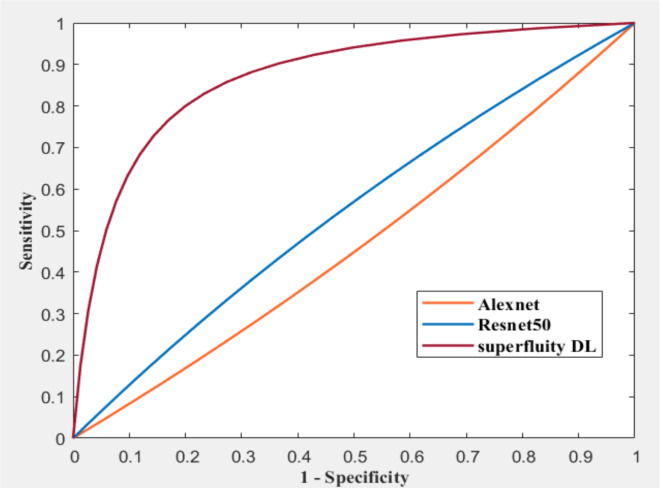
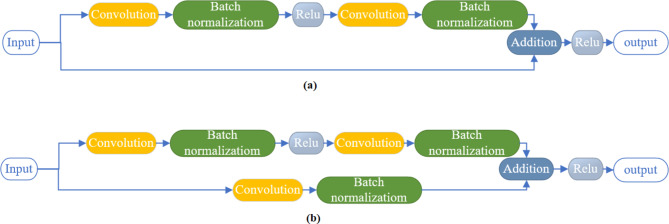
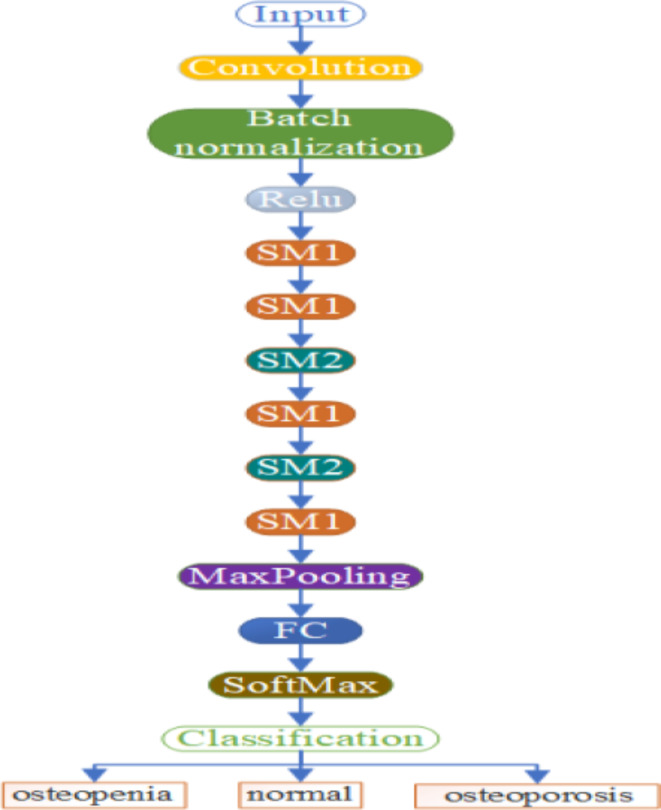
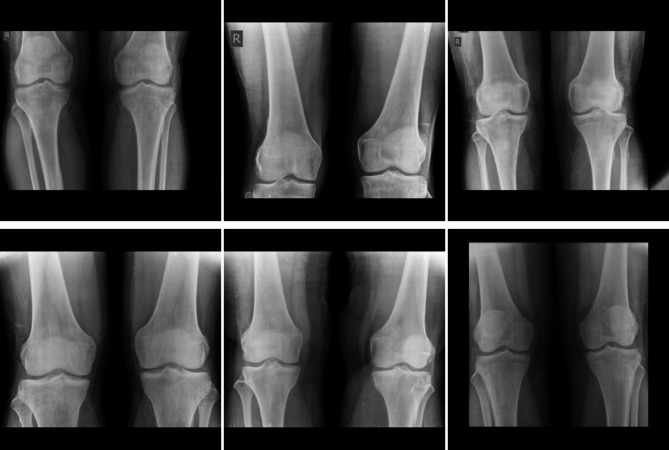
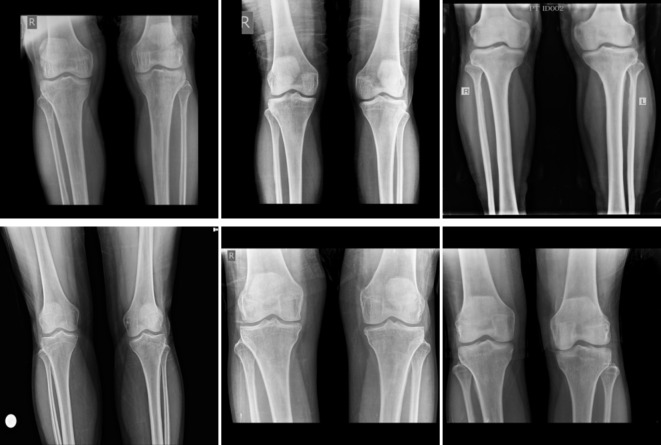
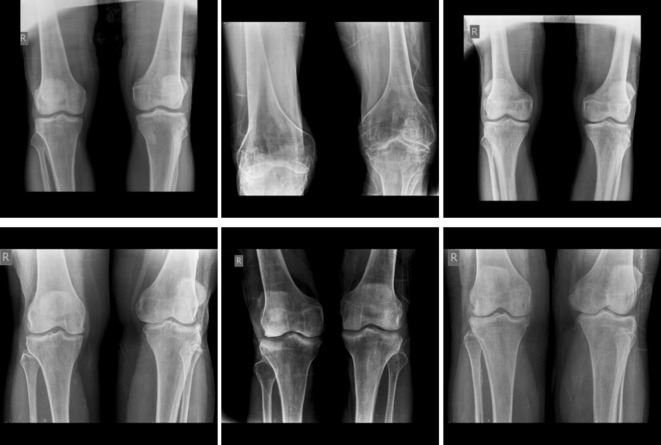
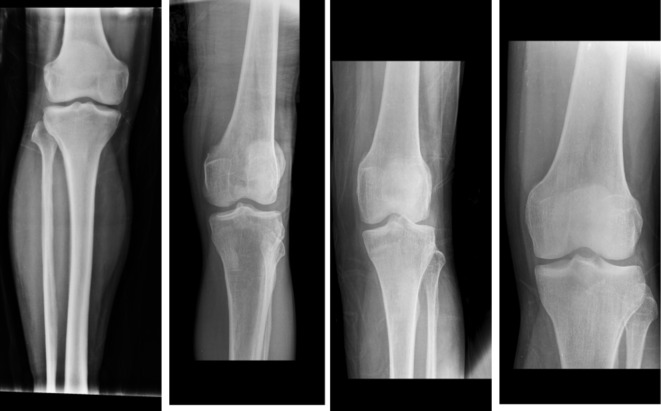
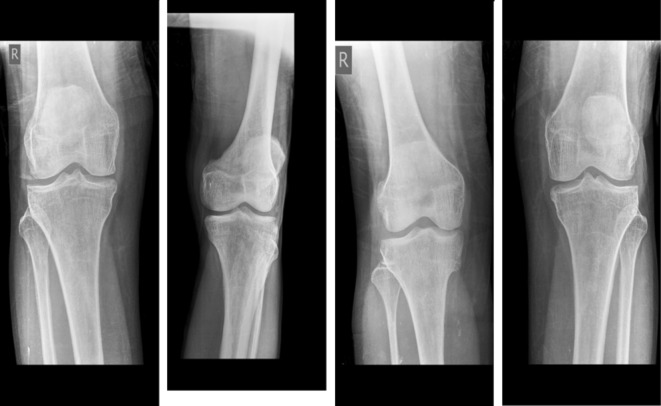
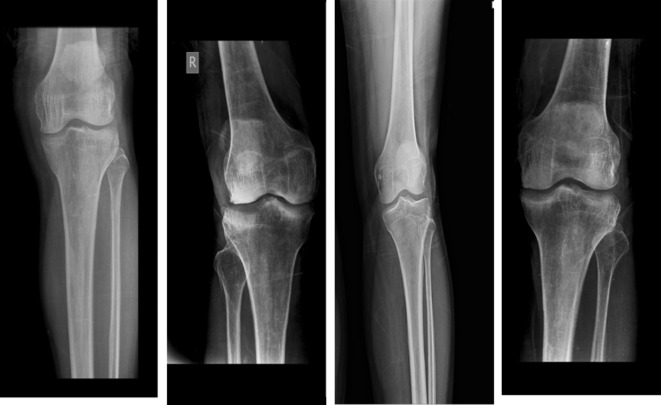
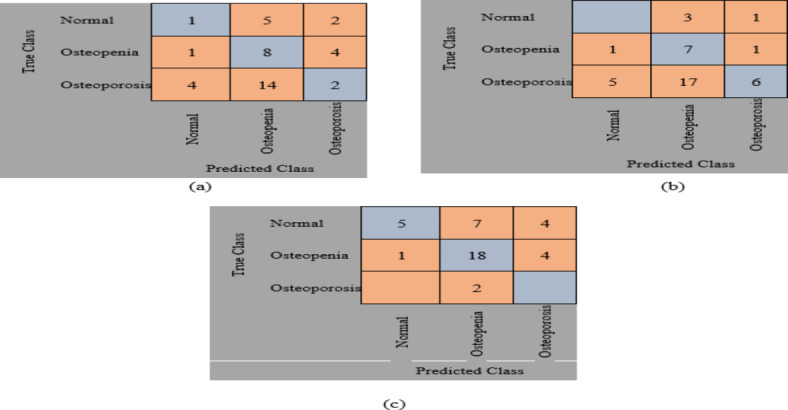
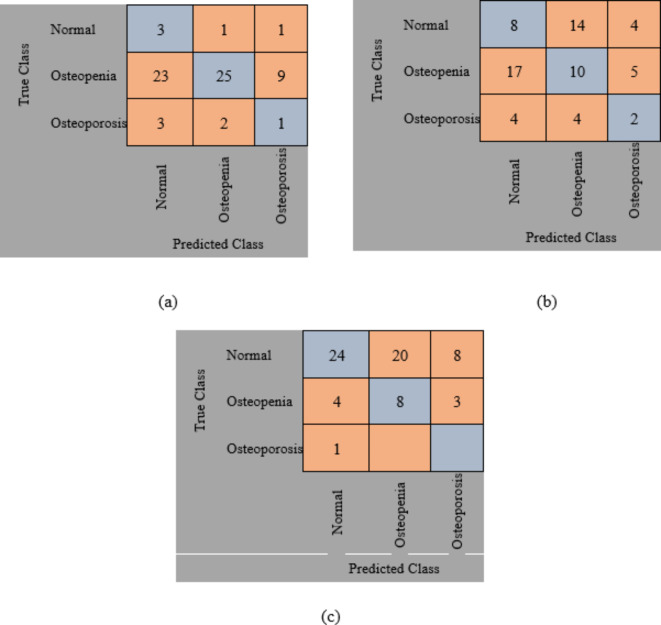
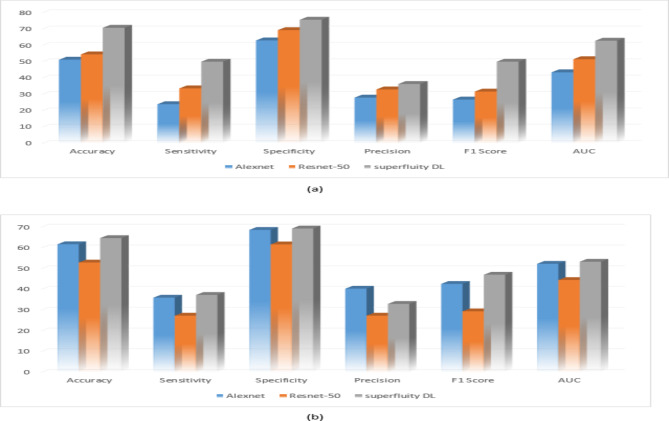
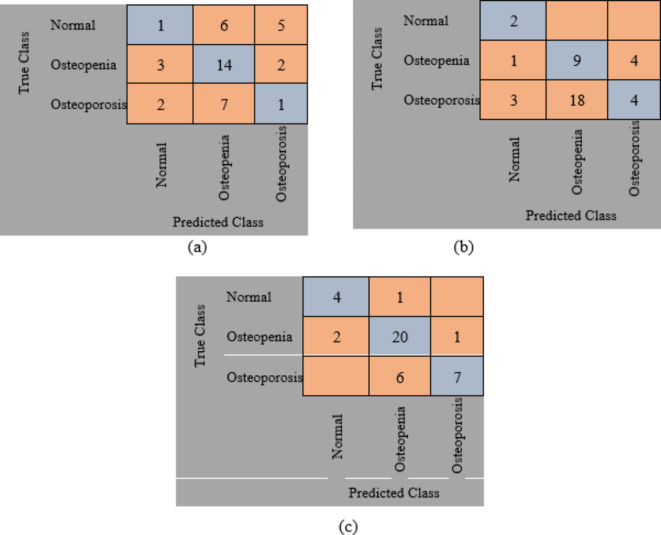
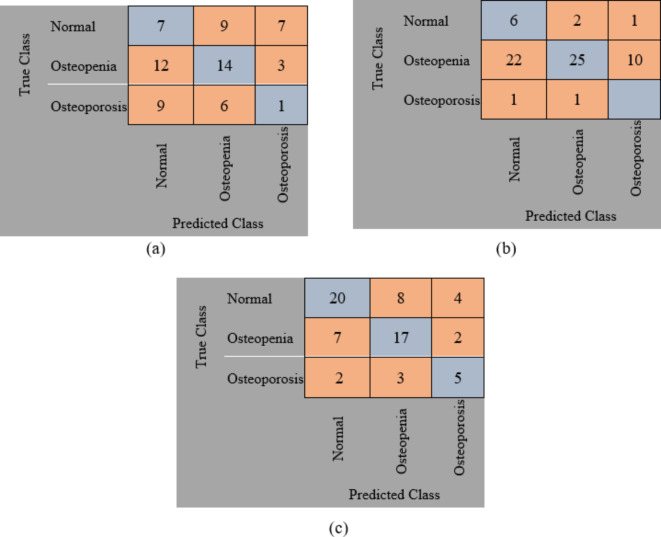
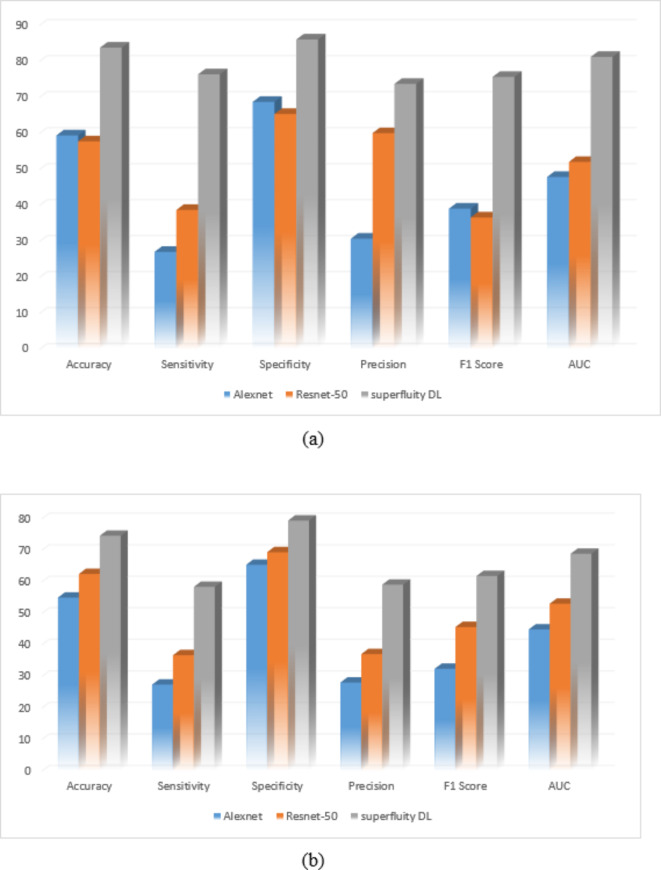
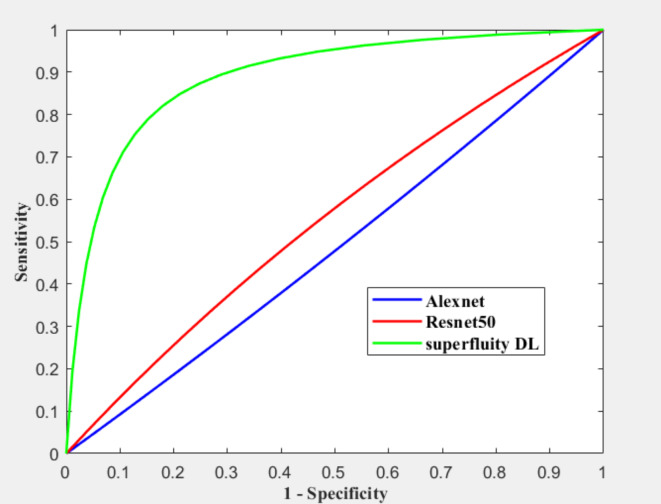
This study proposes a new deep-learning approach incorporating a superfluity mechanism to categorize knee X-ray images into osteoporosis, osteopenia, and normal classes. The superfluity mechanism suggests the use of two distinct types of blocks. The rationale is that, unlike a conventional serially stacked layer, the superfluity concept involves concatenating multiple layers, enabling features to flow into two branches rather than a single branch. Two knee datasets have been utilized for training, validating, and testing the proposed model. We use transfer learning with two pre-trained models, AlexNet and ResNet50, comparing the results with those of the proposed model. The results indicate that the performance of the pre-trained models, namely AlexNet and ResNet50, was inferior to that of the proposed Superfluity DL architecture. The Superfluity DL model demonstrated the highest accuracy (85.42% for dataset1 and 79.39% for dataset2) among all the pre-trained models.
本研究提出了一种新的深度学习方法,该方法结合了冗余机制,可将膝关节 X 射线图像分为骨质疏松症、骨质减少症和正常三类。冗余机制建议使用两种不同类型的块。其基本原理是,与传统的串联堆叠层不同,冗余概念涉及将多个层串联,从而使特征能够流入两个分支,而不是一个分支。该研究使用了两个膝关节数据集来训练、验证和测试所提出的模型。我们使用了两种预训练模型(AlexNet 和 ResNet50)进行迁移学习,并将结果与所提出的模型进行了比较。结果表明,预训练模型(即 AlexNet 和 ResNet50)的性能不如所提出的冗余深度学习(Superfluity DL)架构。在所有的预训练模型中,冗余深度学习模型表现出了最高的准确性(数据集 1 为 85.42%,数据集 2 为 79.39%)。