State Key Laboratory for Diagnosis and Treatment of Infectious Diseases, Key Laboratory for Drug Evaluation and Clinical Research of Zhejiang Province, The First Affiliated Hospital, Zhejiang University School of Medicine, Hangzhou, 310003, China.
Department of Gastroenterology and Hepatology, Jinling Hospital, Affiliated Hospital of Medical School, Nanjing University, Nanjing, 210000, China.
BMC Cancer. 2024 Oct 25;24(1):1313. doi: 10.1186/s12885-024-13081-0.
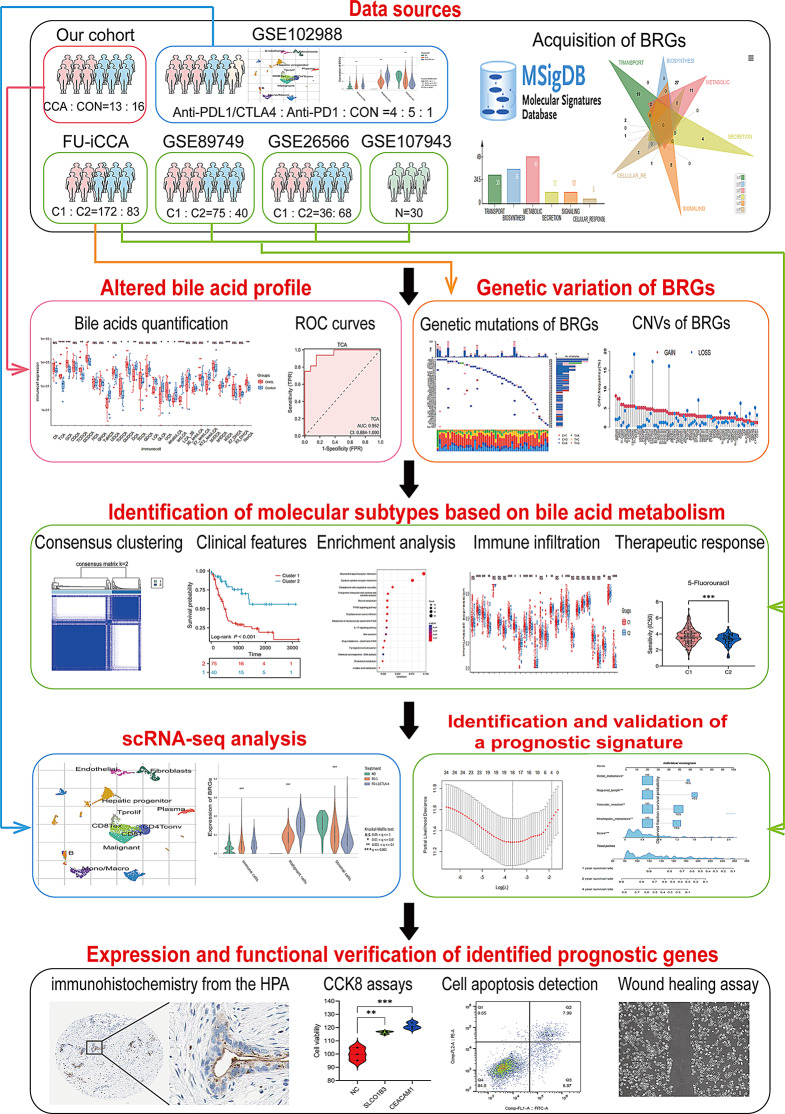
Cholangiocarcinoma is a highly heterogeneous tumor with bile acid metabolism involving in its development. The aim of this study was to characterize bile acid metabolism and identify specific subtypes to better stratify cholangiocarcinoma patients for individualized treatment and prognostic assessment.
A total of 30 bile acids were quantified using the ultra-performance liquid chromatography tandem mass spectrometry. Using Consensus clustering, the molecular subtypes related to bile acid metabolism were identified. The prognosis, clinicopathologic characteristics, immune landscape, and therapeutic response were compared between these subtypes. The single-cell RNA sequencing (scRNA-seq) analysis and preliminary cell experiment were also conducted to verify our findings.
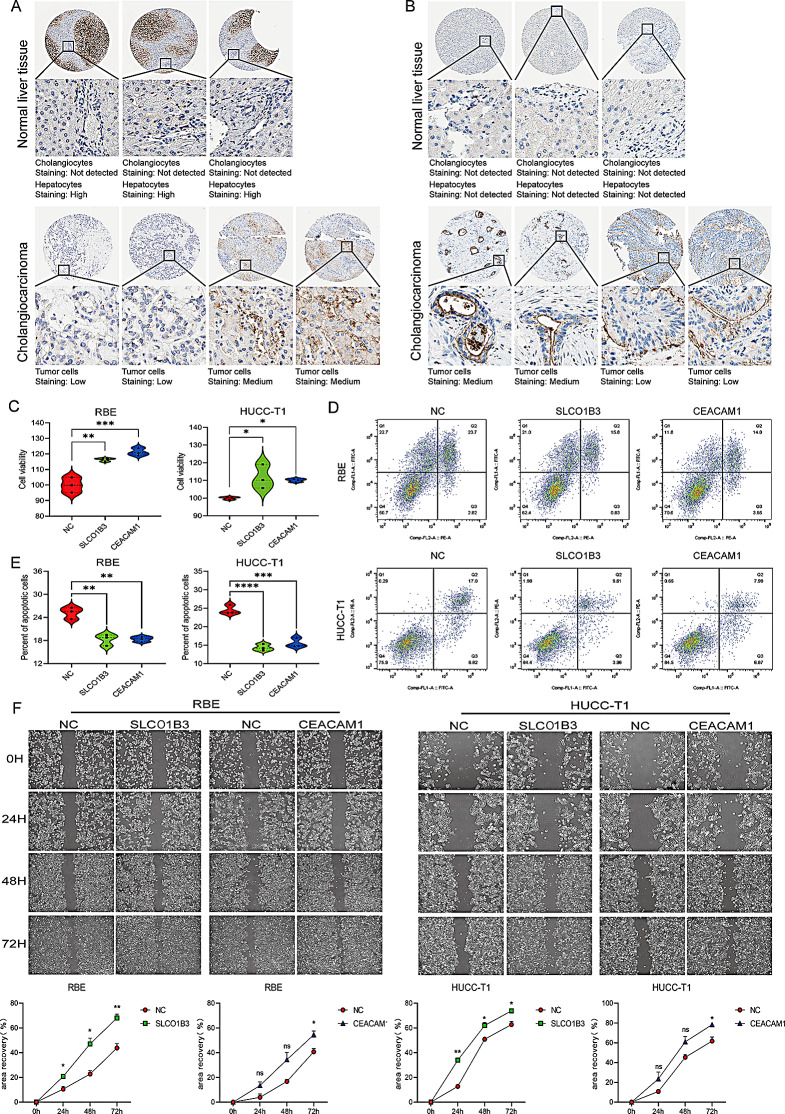
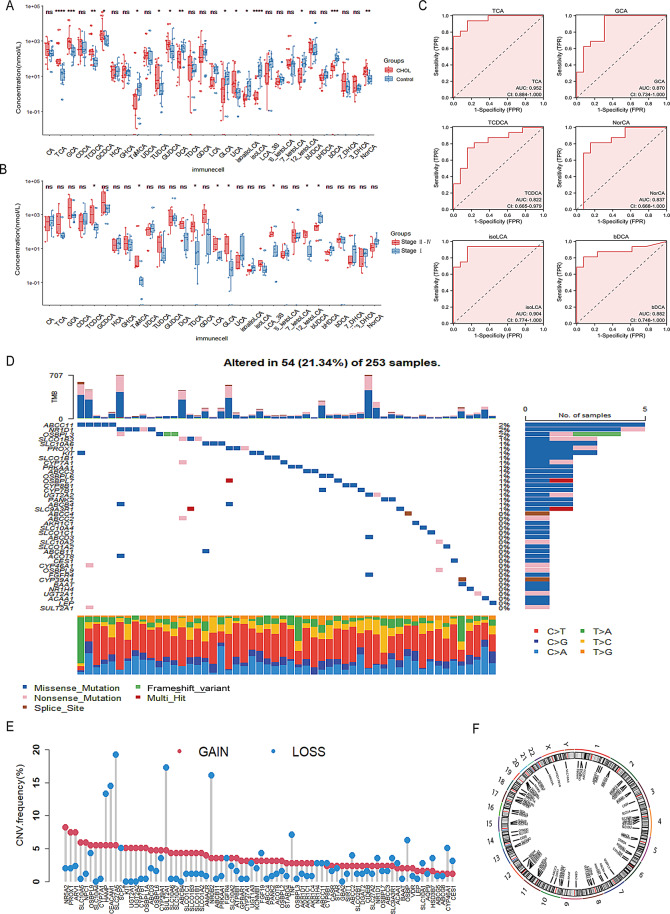
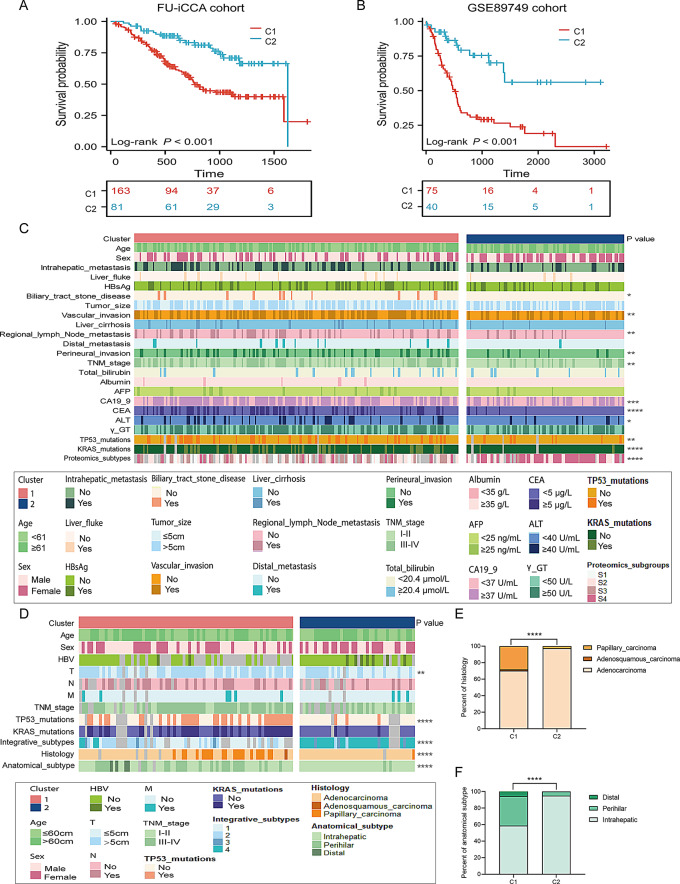
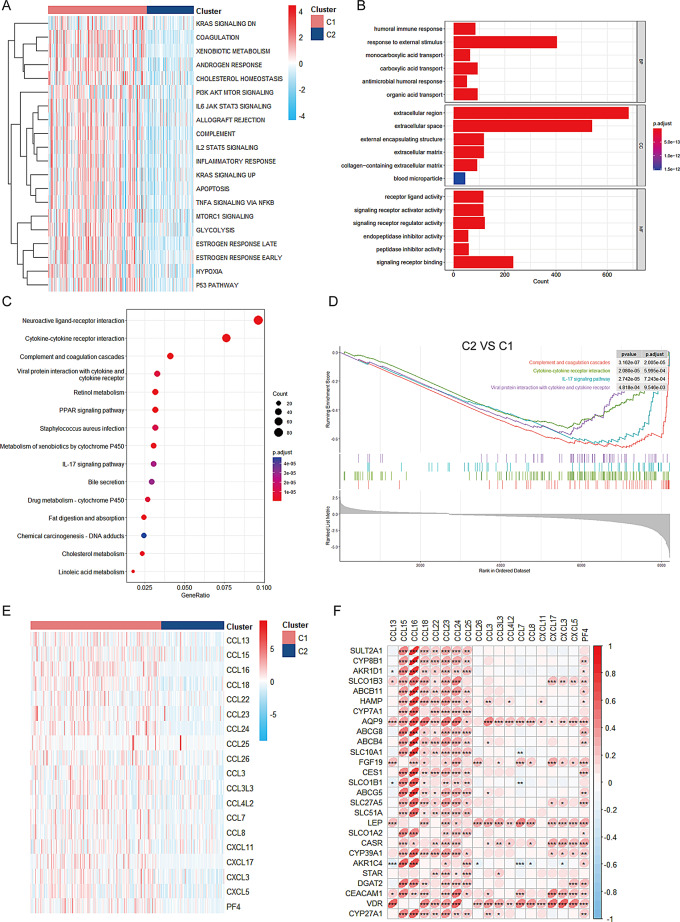
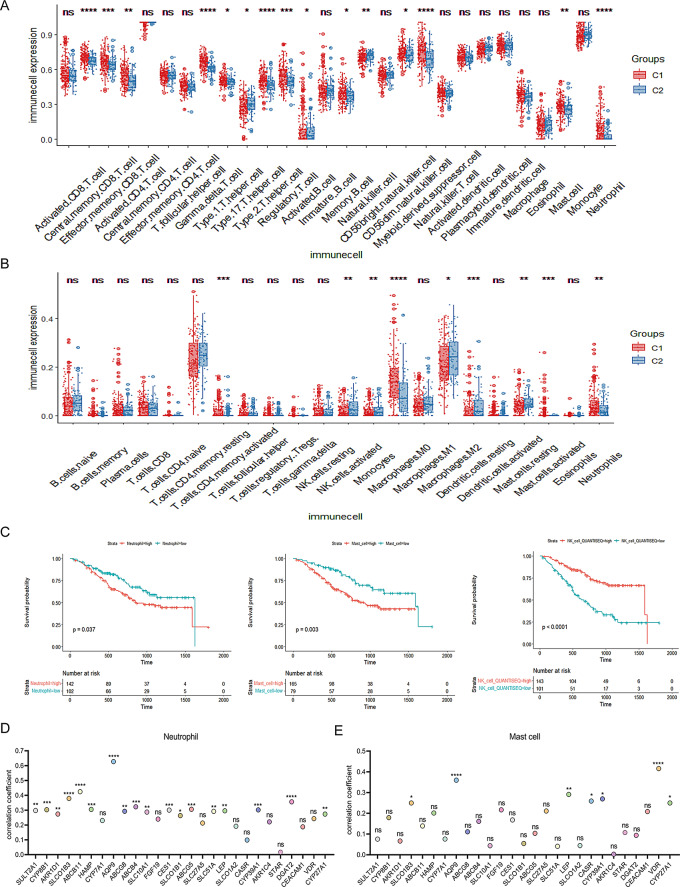
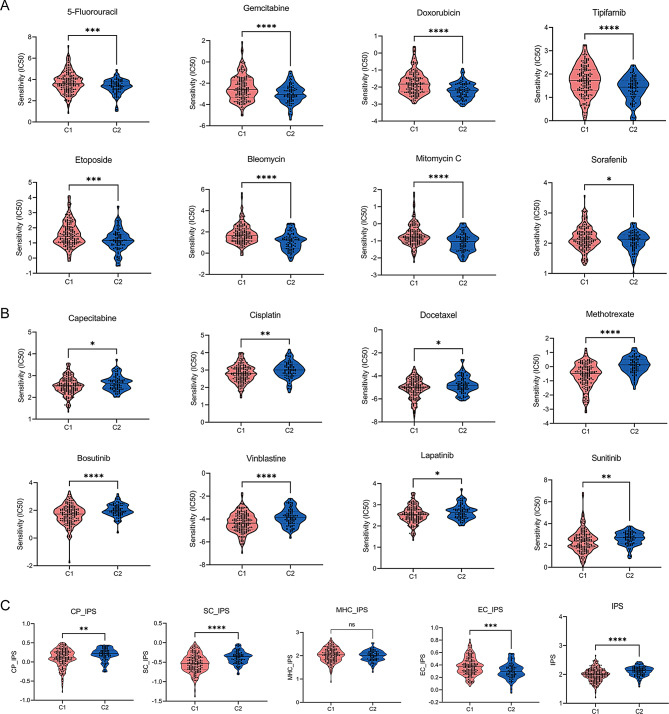
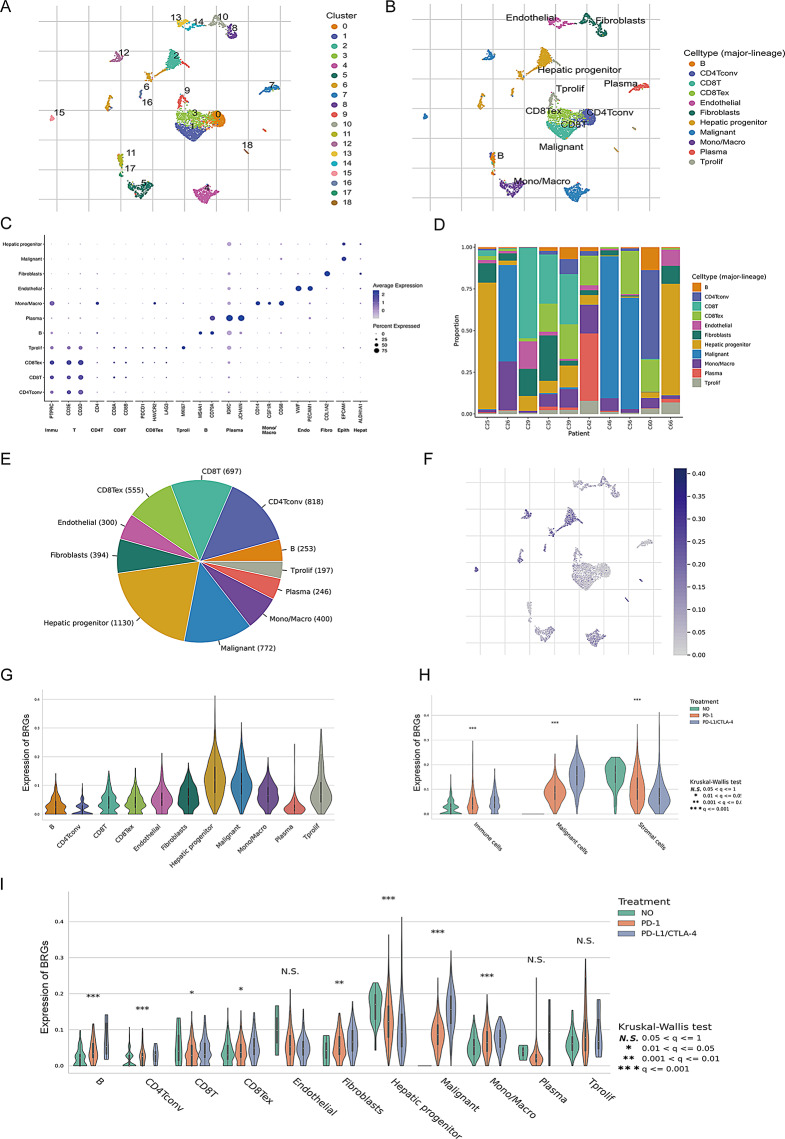
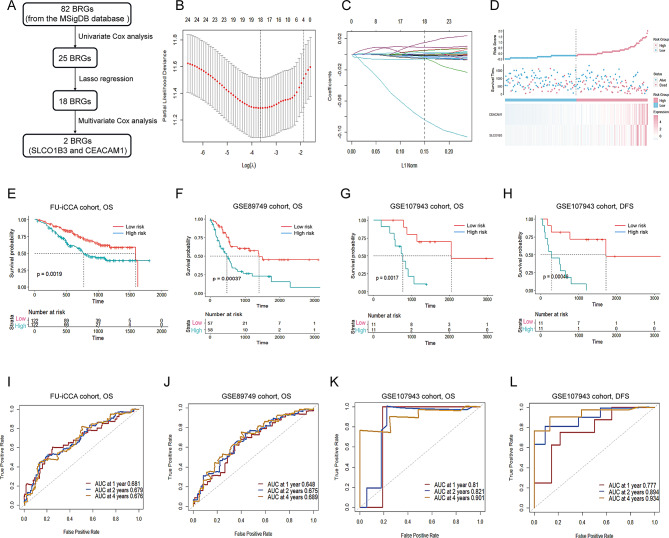
The altered bile acid profile and genetic variation of bile acid metabolism-related genes in cholangiocarcinoma were demonstrated. The cholangiocarcinoma was categorized into bile acid metabolism-active and -inactive subtypes with different prognoses, clinicopathologic characteristics, tumor microenvironments (TME) and therapeutic responses. This categorization was reproducible and predictable. Specifically, the bile acid metabolism-active subtype showed a poor prognosis with an immunosuppressive microenvironment and an inactive response to immunotherapy, while the bile acid metabolism-inactive subtype showed the opposite characteristics. Moreover, the scRNA-seq revealed that immunotherapy altered bile acid metabolism in TME of cholangiocarcinoma. Finally, a prognostic signature related to bile acid metabolism was developed, which exhibited strong power for prognostic assessment of cholangiocarcinoma. Consistently, these results were verified by immunohistochemistry, cell proliferation, migration, and apoptosis assays.
In conclusion, a novel cholangiocarcinoma classification based on bile acid metabolism was established. This classification was significant for the estimation of TME and prognosis.
胆管癌是一种具有高度异质性的肿瘤,其发生发展涉及胆汁酸代谢。本研究旨在描述胆汁酸代谢特征,并鉴定特定的亚型,以便更好地对胆管癌患者进行分层,从而进行个体化治疗和预后评估。
采用超高效液相色谱串联质谱法对 30 种胆汁酸进行定量分析。采用共识聚类法鉴定与胆汁酸代谢相关的分子亚型。比较这些亚型之间的预后、临床病理特征、免疫景观和治疗反应。还进行了单细胞 RNA 测序(scRNA-seq)分析和初步的细胞实验来验证我们的发现。
显示了胆管癌中胆汁酸谱的改变和胆汁酸代谢相关基因的遗传变异。根据胆汁酸代谢的活性和不活性,将胆管癌分为两种不同预后、临床病理特征、肿瘤微环境(TME)和治疗反应的亚型。这种分类具有可重复性和可预测性。具体来说,胆汁酸代谢活跃的亚型预后较差,具有免疫抑制性微环境,对免疫治疗无反应,而胆汁酸代谢不活跃的亚型则表现出相反的特征。此外,scRNA-seq 显示免疫治疗改变了胆管癌 TME 中的胆汁酸代谢。最后,开发了一个与胆汁酸代谢相关的预后标志物,该标志物对胆管癌的预后评估具有强大的能力。免疫组织化学、细胞增殖、迁移和凋亡检测也验证了这些结果。
总之,建立了一种基于胆汁酸代谢的新型胆管癌分类方法。这种分类方法对估计 TME 和预后具有重要意义。