Escuela de Medicina, Facultad de Medicina, Universidad de Chile, Santiago 8380453, Chile.
Clínica Psiquiátrica Universitaria, Hospital Clínico de la Universidad de Chile, Universidad de Chile, Santiago 8380453, Chile.
Int J Mol Sci. 2024 Oct 18;25(20):11204. doi: 10.3390/ijms252011204.
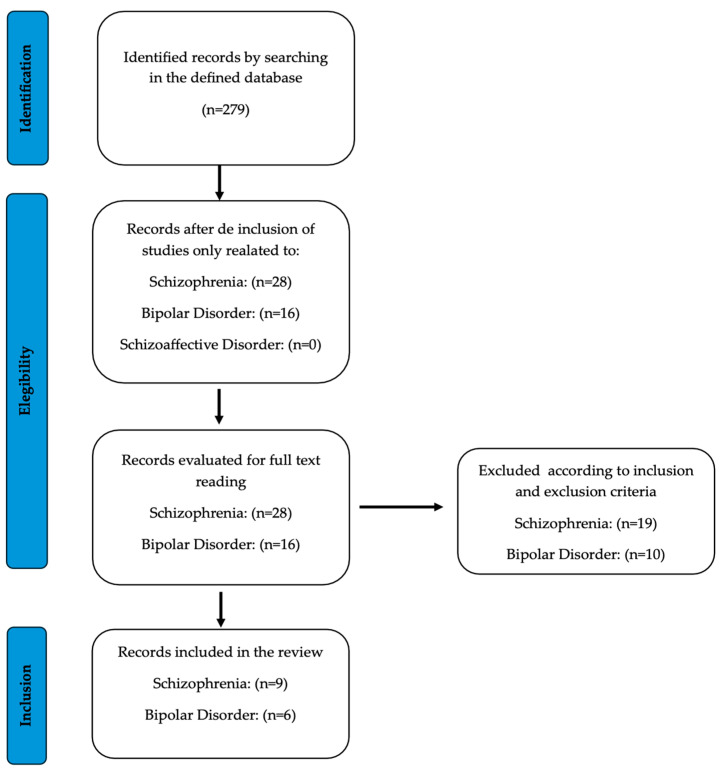
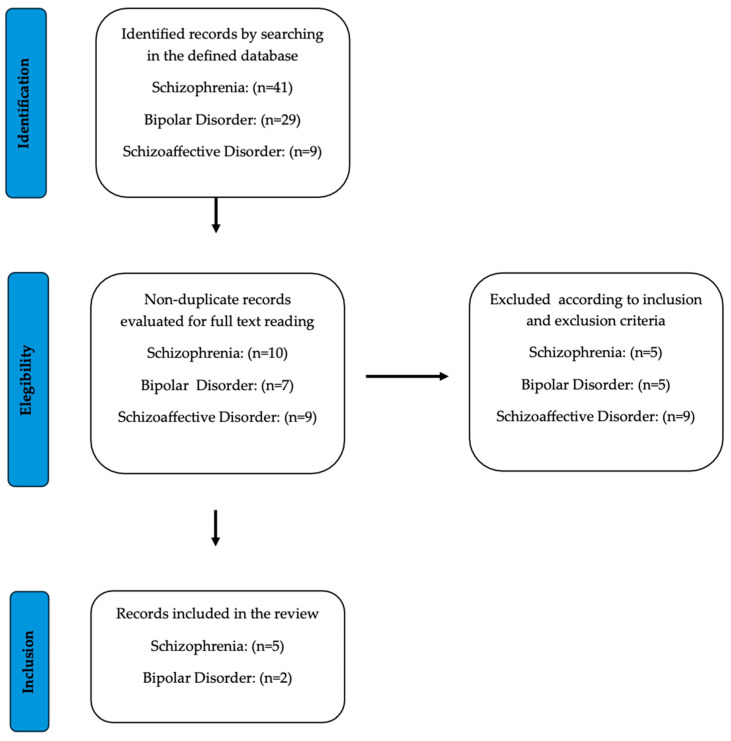
Brain-derived neurotrophic factor (BDNF) is a potential biomarker of response to treatment in psychiatric disorders. As it plays a role in the pathophysiological development of schizophrenia and bipolar disorder, it is of interest to study its role in predicting therapeutic responses in both conditions. We carried out a systematic review of the literature, looking for differences in baseline BDNF levels and the Val66Met BDNF polymorphism in these disorders between responders and non-responders, and found information showing that the Val/Val genotype and higher baseline BDNF levels may be present in patients that respond successfully to pharmacological and non-pharmacological treatments. However, there is still limited evidence to support the role of the Val66Met polymorphism and baseline BDNF levels as predictors of treatment response.
脑源性神经营养因子(BDNF)是精神疾病治疗反应的潜在生物标志物。由于它在精神分裂症和双相情感障碍的病理生理发展中发挥作用,因此研究其在预测这两种疾病的治疗反应中的作用很有意义。我们对文献进行了系统回顾,寻找这些疾病中反应者和非反应者之间的基础 BDNF 水平和 Val66Met BDNF 多态性的差异,并发现有信息表明,Val/Val 基因型和更高的基础 BDNF 水平可能存在于对药物和非药物治疗成功反应的患者中。然而,目前仍缺乏证据支持 Val66Met 多态性和基础 BDNF 水平作为治疗反应预测因子的作用。