Bochniak Katarzyna, Soszyński Mateusz, Madetko-Alster Natalia, Alster Piotr
Department of Medicine, Faculty of Medicine, Medical University of Warsaw, Żwirki i Wigury 61, 02-091 Warsaw, Poland.
Department of Neurology, Medical University of Warsaw, Kondratowicza 8, 03-242 Warsaw, Poland.
Biomedicines. 2024 Oct 4;12(10):2257. doi: 10.3390/biomedicines12102257.
Atypical parkinsonisms (APs) present various symptoms including motor impairment, cognitive decline, and autonomic dysfunction. Olfactory loss (OL), being a significant non-motor symptom, has emerged as an under-evaluated, yet potentially valuable, feature that might aid in the differential diagnosis of APs.
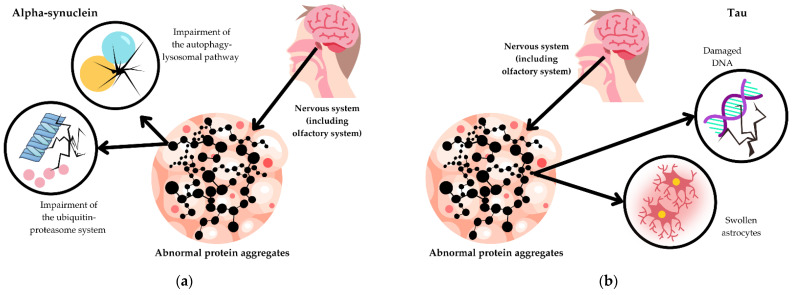
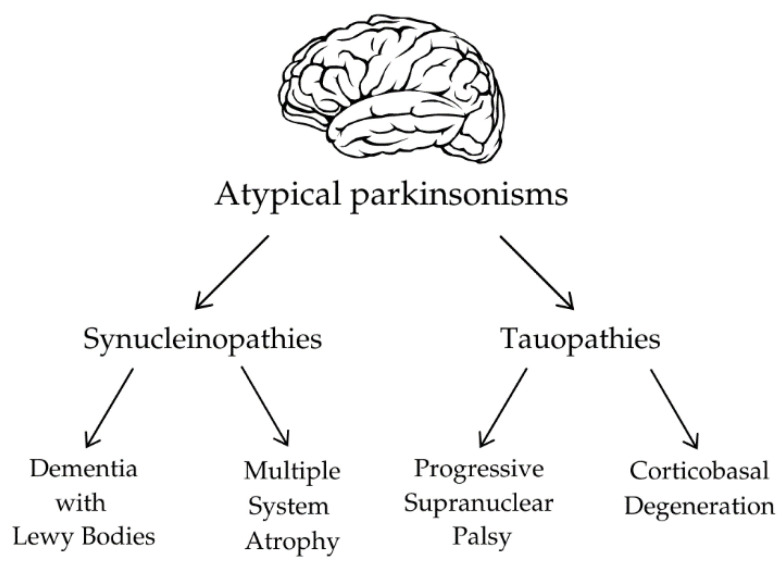
The most pronounced OL is usually associated with Dementia with Lewy Bodies (DLB). While the view about the normosmic course of Multiple System Atrophy (MSA) remains unchanged, research indicates that mild OL may occur in a subset of patients with Progressive Supranuclear Palsy (PSP) and Corticobasal Degeneration (CBD). This might be linked to the deposition of abnormal protein aggregates in the central nervous system.
The aim of this review is to discuss the role of OL and its degree and pattern in the pathogenesis and course of APs. Olfactory testing could serve as a non-invasive, quick screening tool to differentiate between APs and project disease progression.
There is a need for further evaluation of this topic. This may lead to the development of standardized olfactory testing protocols that could be implemented in clinical practice, making differential diagnosis of APs more convenient. Understanding differences in the sense of smell could create an avenue for more targeted therapeutic strategies.
非典型帕金森综合征(APs)表现出多种症状,包括运动障碍、认知衰退和自主神经功能障碍。嗅觉丧失(OL)作为一种重要的非运动症状,已成为一种未得到充分评估但可能具有重要价值的特征,有助于APs的鉴别诊断。
最明显的嗅觉丧失通常与路易体痴呆(DLB)相关。虽然关于多系统萎缩(MSA)嗅觉正常的观点保持不变,但研究表明,轻度嗅觉丧失可能发生在一部分进行性核上性麻痹(PSP)和皮质基底节变性(CBD)患者中。这可能与中枢神经系统中异常蛋白质聚集体的沉积有关。
本综述的目的是讨论嗅觉丧失及其程度和模式在APs发病机制和病程中的作用。嗅觉测试可作为一种非侵入性、快速的筛查工具,用于区分APs并预测疾病进展。
需要对该主题进行进一步评估。这可能会导致制定标准化的嗅觉测试方案,以便在临床实践中实施,使APs的鉴别诊断更加便捷。了解嗅觉差异可能为更有针对性的治疗策略开辟一条途径。