Mrani Soukaina Alaoui, Zejli Hind, Azzouni Dounia, Fadili Driss, Alanazi Mohammed M, Hassane Said Omar Said, Sabbahi Rachid, Kabra Atul, Moussaoui Abdelfattah El, Hammouti Belkheir, Taleb Mustapha
Laboratory of Engineering, Electrochemistry, Modelling and Environment, Faculty of Sciences, Sidi Mohamed Ben Abdellah University, Fez 30000, Morocco.
Laboratory of Chemical Physics, Materials and Environment, Faculty of Science and Technology, Moulay Ismaïl University of Meknes, Errachidia 52003, Morocco.
Pharmaceuticals (Basel). 2024 Oct 16;17(10):1376. doi: 10.3390/ph17101376.
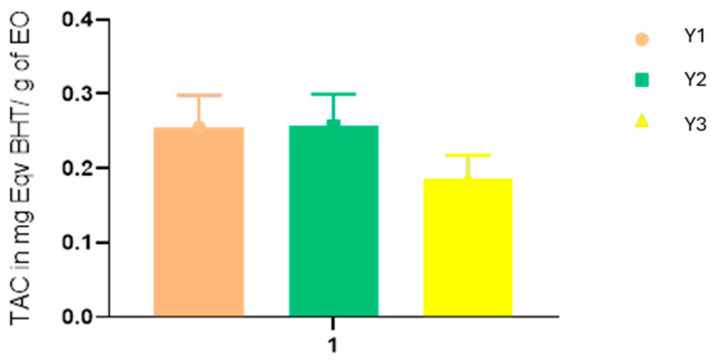
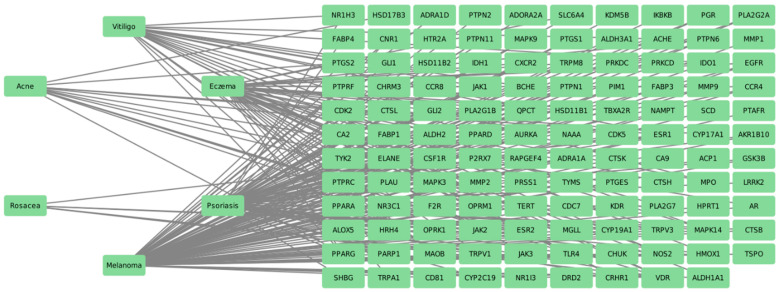
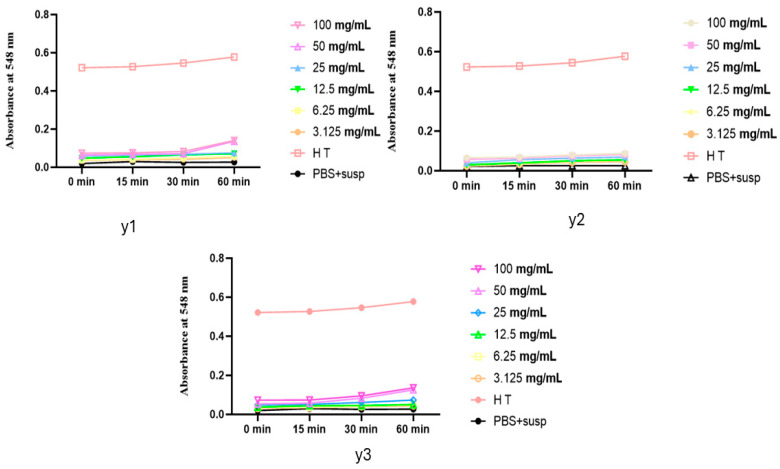
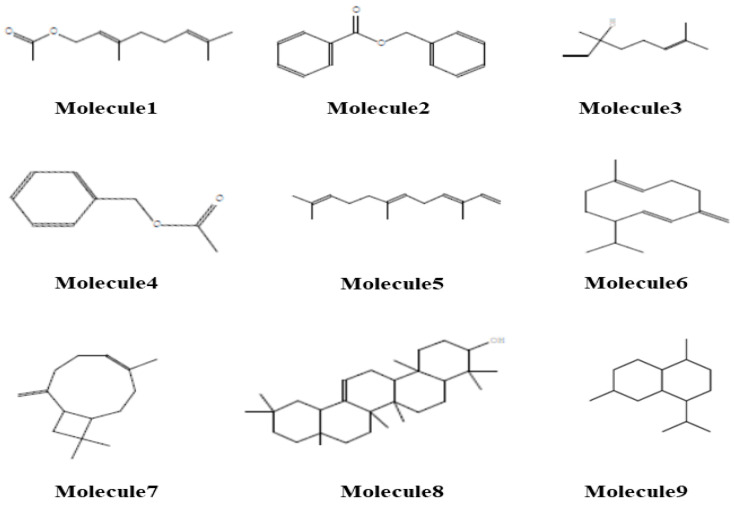
This study investigates the chemical composition, antioxidant, antibacterial, and hemolytic properties of ylang-ylang () essential oil, with a focus on its potential therapeutic applications for dermatological diseases and the importance of transforming such bioactive properties into a stable, safe, and effective formulation. Essential oils were extracted from flowers harvested in northern Grande Comore using hydro distillation at three different distillation times to examine the impact on yield and quality. Gas chromatographic analysis identified a complex mixture of compounds, including linalool, geranyl acetate, and benzyl benzoate. Antioxidant activity was assessed using DPPH, FRAP, TAC, and beta-carotene bleaching inhibition assays, revealing significant radical scavenging capabilities, with DPPH IC50 varying between 1.57 and 3.5 mg/mL. Antibacterial activity was tested against , , , and , showing promising inhibition zones and minimum inhibitory concentrations. Hemolytic tests indicated varying degrees of red blood cell damage, emphasizing the need for careful concentration management in therapeutic applications. Molecular docking studies highlighted potential therapeutic targets for dermatological conditions, identifying high binding affinities for specific compounds against proteins involved in acne, eczema, and psoriasis. This comprehensive analysis underscores the potential of ylang-ylang essential oil () as a natural alternative for antimicrobial treatments and dermatological applications, with its success dependent on optimized extraction methods and precise formulation to reduce cytotoxic effects. A formulation approach is crucial to ensure controlled release, improve bioavailability, and minimize skin irritation.
本研究调查了依兰依兰()精油的化学成分、抗氧化、抗菌和溶血特性,重点关注其在皮肤病治疗中的潜在应用,以及将这些生物活性特性转化为稳定、安全和有效制剂的重要性。采用水蒸馏法从大科摩罗岛北部采摘的花朵中提取精油,设置三个不同的蒸馏时间,以研究其对产量和品质的影响。气相色谱分析鉴定出一种复杂的化合物混合物,包括芳樟醇、乙酸香叶酯和苯甲酸苄酯。使用DPPH、FRAP、TAC和β-胡萝卜素漂白抑制试验评估抗氧化活性,结果显示其具有显著的自由基清除能力,DPPH IC50在1.57至3.5 mg/mL之间变化。针对、、、和测试抗菌活性,显示出有前景的抑菌圈和最低抑菌浓度。溶血试验表明存在不同程度的红细胞损伤,强调在治疗应用中需要仔细控制浓度。分子对接研究突出了皮肤病状况的潜在治疗靶点,确定了特定化合物对痤疮、湿疹和牛皮癣相关蛋白质具有高结合亲和力。这项综合分析强调了依兰依兰精油()作为抗菌治疗和皮肤病应用天然替代品的潜力,其成功取决于优化的提取方法和精确的制剂以降低细胞毒性作用。一种制剂方法对于确保控释、提高生物利用度和最小化皮肤刺激至关重要。