Laboratory of Engineering, Electrochemistry, Modeling and Environment, Faculty of Sciences Dhar El Mahraz, Sidi Mohammed Ben Abdellah University, B. P. 1796, Fes-Atlas, Morocco.
Laboratory of Biotechnology, Health, Agrofood and Environment, Faculty of Sciences Dhar El Mahraz, Sidi Mohammed Ben Abdellah University, B. P. 1796, Fes-Atlas, Morocco.
Sci Rep. 2023 Nov 16;13(1):20021. doi: 10.1038/s41598-023-47215-4.
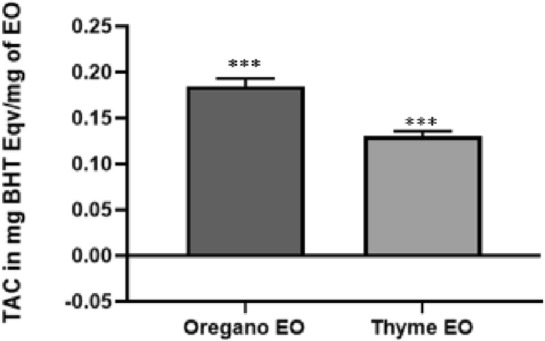
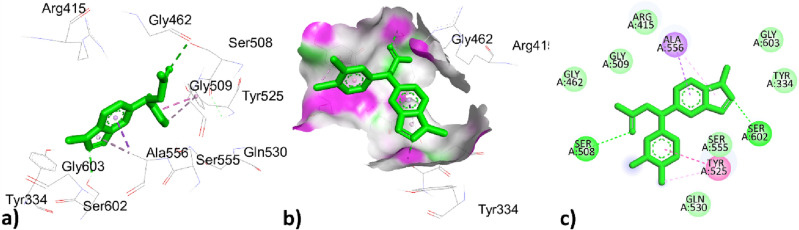
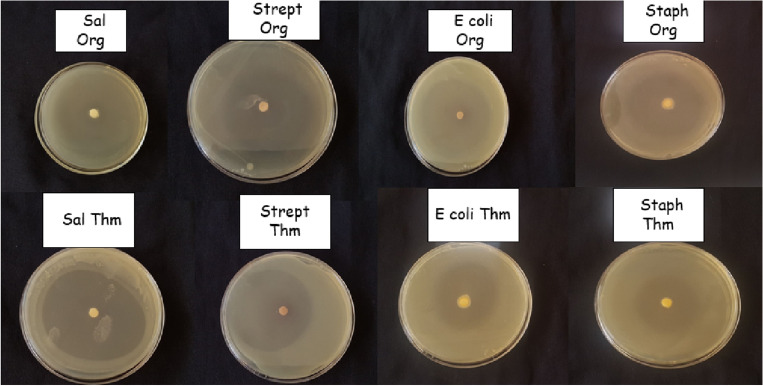
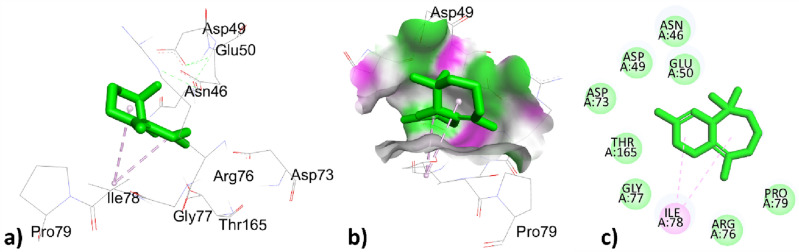
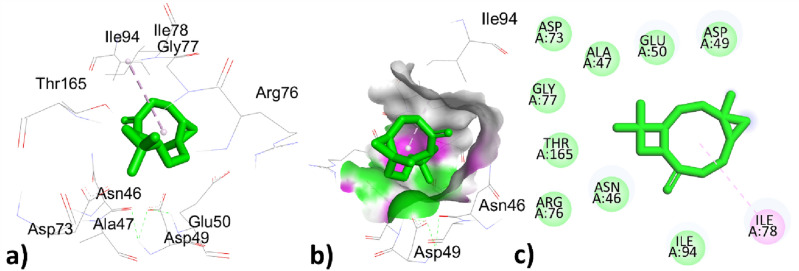
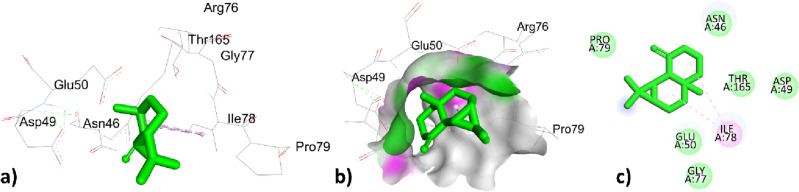
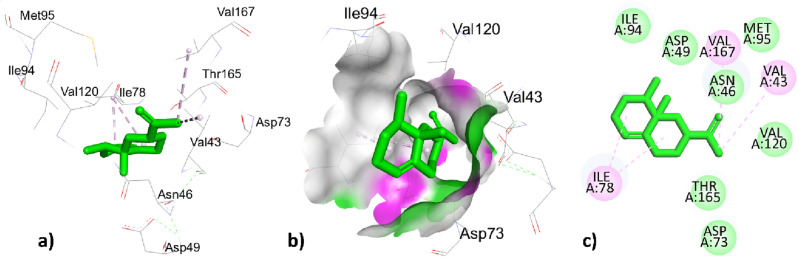
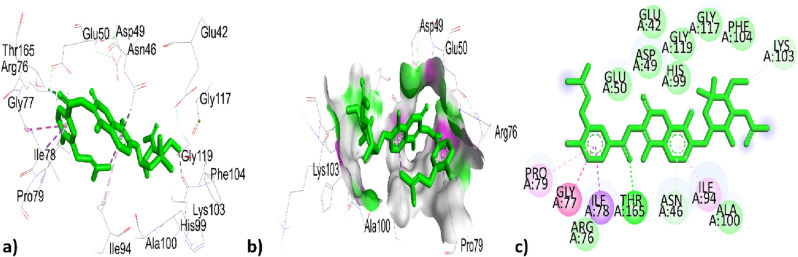
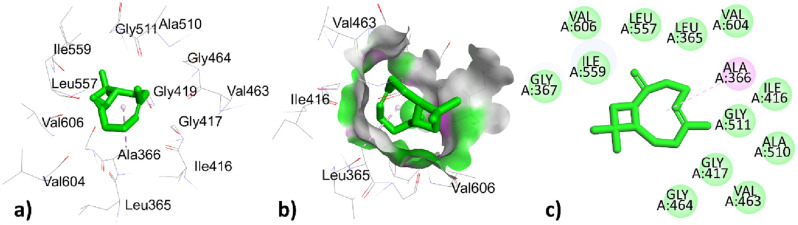
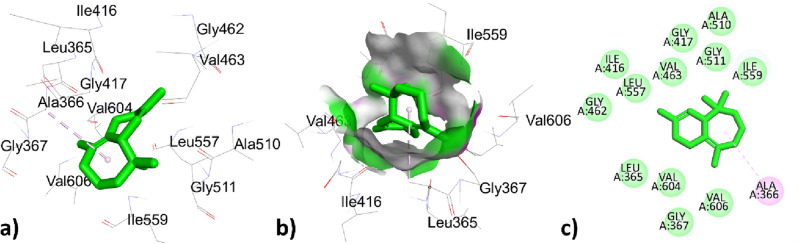
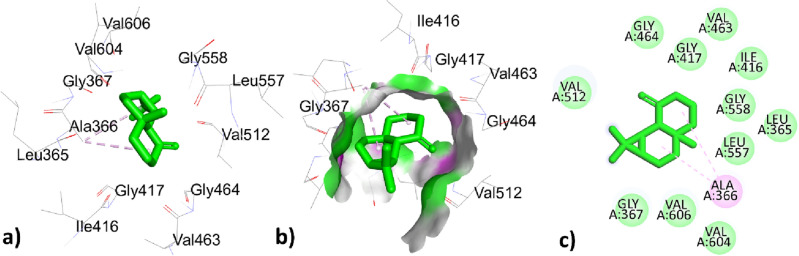
The study aimed at investigating the phytochemical composition, antioxidant and antibacterial activities of essential oils (EOs) of Origanum grossii and Thymus pallidus. The selection of these plants for the study was driven by a comprehensive survey conducted in the Ribat Elkheir region of Morocco, where these plants are widely utilized. The results reflect the valorization of these plants based on the findings of the regional survey. The GC-MS phytochemical analysis revealed that the main constituents of the essential oil were carvacrol and thymol for O. grossii and T. pallidus respectively. Quantitative assays demonstrated that O. grossii exhibited higher levels of polyphenols (0.136 mg AGE/mg EO) and flavonoids (0.207 mg QE/mg EO) compared to T. pallidus. The DPPH assay indicated that O. grossii EOs possessed approximately twice the antiradical activity of T. pallidus, with IC values of approximately 0.073 mg/mL and 0.131 mg/mL, respectively. The antibacterial activity tests showed that both essential oils exhibited significant inhibition zones ranging from 26 to 42 mm against all tested bacterial strains. The MIC values varied among the bacteria, generally falling within the range of 0.31 to 2.44 µg/mL, demonstrating the potency of the EOs to serve as antibacterial. Molecular docking revealed that O. grossii and T. pallidus essential oils interact with antibacterial and antioxidant proteins (1AJ6 and 6QME). Key compounds in O. grossii include p-cymene, eucalyptol, and carvacrol, while T. pallidus contains potent chemicals like p-cymene, ɤ-maaliene, valencene, α-terpinene, caryophyllene, himachalene, and thymol. Notably, the most potent chemicals in Origanum grossii are p-cymene, eucalyptol, and carvacrol, while the most potent chemicals in Thymus pallidus are p-cymene, α-terpinene, and thymol. These findings suggest that these plant EOs could be used to develop new natural products with antibacterial and antioxidant activity.
这项研究旨在探究牛至(Origanum grossii)和苍白百里香(Thymus pallidus)精油的植物化学成分、抗氧化和抗菌活性。选择这些植物进行研究的原因是在摩洛哥里巴特埃尔克希尔地区进行了全面调查,发现这些植物被广泛应用。研究结果反映了基于区域调查结果对这些植物的利用价值。气相色谱-质谱联用仪(GC-MS)的植物化学成分分析表明,牛至和苍白百里香精油的主要成分分别为香芹酚和百里酚。定量分析表明,牛至精油的多酚(0.136 mg AGE/mg EO)和类黄酮(0.207 mg QE/mg EO)含量高于苍白百里香精油。DPPH 试验表明,牛至精油的抗氧化活性大约是苍白百里香精油的两倍,IC 值分别约为 0.073 mg/mL 和 0.131 mg/mL。抗菌活性试验表明,两种精油对所有测试的细菌菌株均表现出显著的抑制作用,抑菌圈直径范围为 26 至 42 毫米。最小抑菌浓度(MIC)值因细菌而异,一般在 0.31 至 2.44 µg/mL 范围内,表明精油具有作为抗菌剂的潜力。分子对接表明,牛至和苍白百里香精油与抗菌和抗氧化蛋白(1AJ6 和 6QME)相互作用。牛至精油的关键化合物包括对伞花烃、桉油醇和香芹酚,而苍白百里香精油则含有强大的化学物质,如对伞花烃、γ-榄香烯、柠檬烯、α-萜品烯、丁香烯、雪松烯、和百里酚。值得注意的是,牛至精油中最有效的化合物是对伞花烃、桉油醇和香芹酚,而苍白百里香精油中最有效的化合物是对伞花烃、α-萜品烯和百里酚。这些发现表明,这些植物精油可用于开发具有抗菌和抗氧化活性的新型天然产品。