Sinopharm Dongfeng General Hospital (Hubei Clinical Research Center of Hypertension), Hubei Key Laboratory of Wudang Local Chinese Medicine Research, Hubei University of Medicine, Shiyan, China.
Department of Rheumatology and Immunology, Tongji Hospital, Huazhong University of Science and Technology, Wuhan, 430030, Hubei, China.
Mol Biomed. 2024 Oct 28;5(1):53. doi: 10.1186/s43556-024-00218-7.
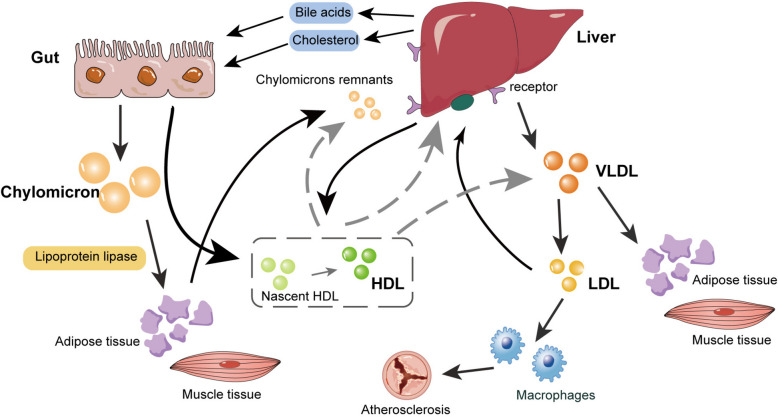
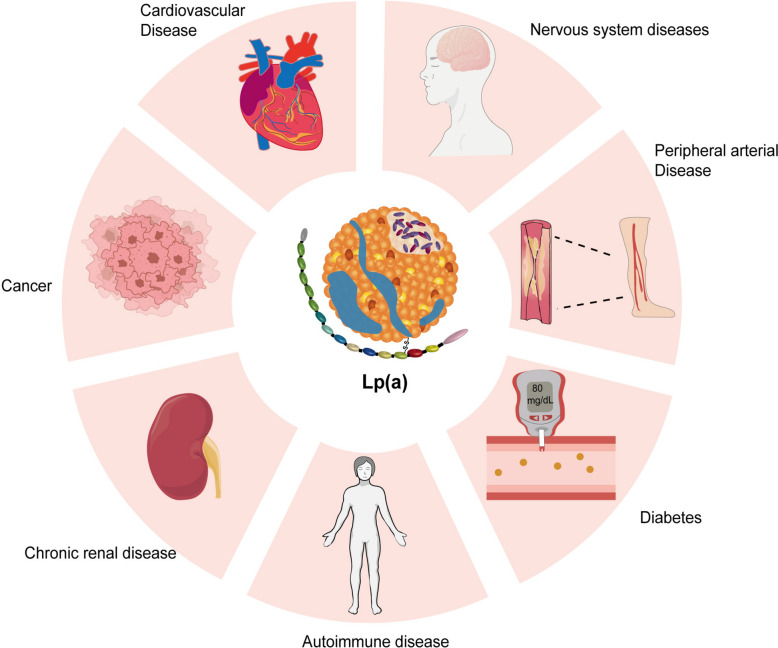
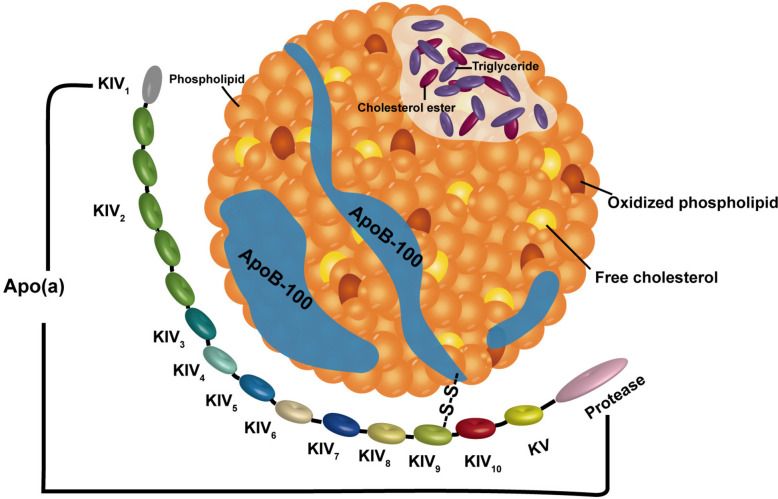
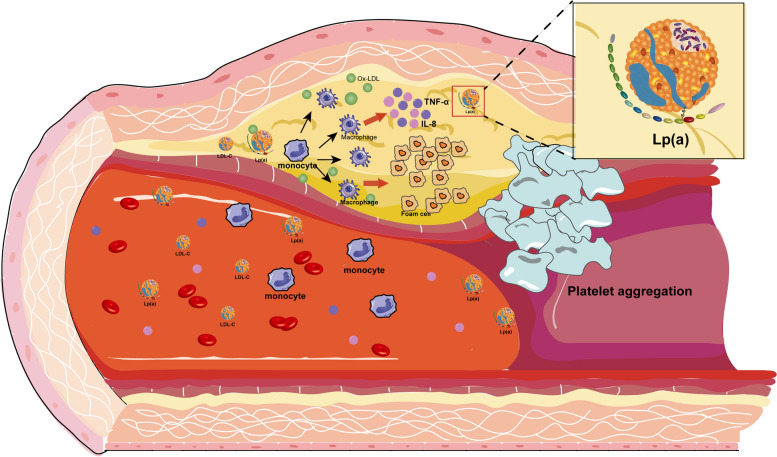
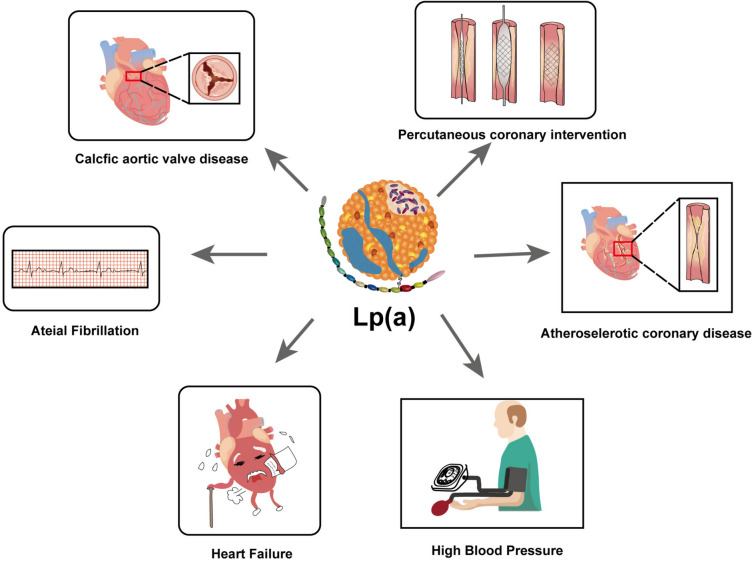
Lipoproteins and apolipoproteins are crucial in lipid metabolism, functioning as essential mediators in the transport of cholesterol and triglycerides and being closely related to the pathogenesis of multiple systems, including cardiovascular. Lipoproteins a (Lp(a)), as a unique subclass of lipoproteins, is a low-density lipoprotein(LDL)-like particle with pro-atherosclerotic and pro-inflammatory properties, displaying high heritability. More and more strong evidence points to a possible link between high amounts of Lp(a) and cardiac conditions like atherosclerotic cardiovascular disease (ASCVD) and aortic stenosis (AS), making it a risk factor for heart diseases. In recent years, Lp(a)'s role in other diseases, including neurological disorders and cancer, has been increasingly recognized. Although therapies aimed at low-density lipoprotein cholesterol (LDL-C) and high-density lipoprotein cholesterol (HDL-C) have achieved significant success, elevated Lp(a) levels remain a significant clinical management problem. Despite the limited efficacy of current lipid-lowering therapies, major clinical advances in new Lp(a)-lowering therapies have significantly advanced the field. This review, grounded in the pathophysiology of lipoproteins, seeks to summarize the wide-ranging connections between lipoproteins (such as LDL-C and HDL-C) and various diseases, alongside the latest clinical developments, special emphasis is placed on the pivotal role of Lp(a) in cardiovascular disease, while also examining its future potential and mechanisms in other conditions. Furthermore, this review discusses Lp(a)-lowering therapies and highlights significant recent advances in emerging treatments, advocates for further exploration into Lp(a)'s pathogenic mechanisms and its potential as a therapeutic target, proposing new secondary prevention strategies for high-risk individuals.
脂蛋白及其载脂蛋白在脂质代谢中起着至关重要的作用,作为胆固醇和甘油三酯运输的重要介质,与包括心血管系统在内的多个系统的发病机制密切相关。脂蛋白 a(Lp(a))作为脂蛋白的一个独特亚类,是一种具有动脉粥样硬化和促炎特性的低密度脂蛋白(LDL)样颗粒,具有高度遗传性。越来越多的强有力证据表明,Lp(a)水平升高与动脉粥样硬化性心血管疾病(ASCVD)和主动脉瓣狭窄(AS)等心脏疾病之间可能存在关联,使其成为心脏病的一个风险因素。近年来,Lp(a)在其他疾病中的作用,包括神经退行性疾病和癌症,越来越受到人们的认识。尽管针对低密度脂蛋白胆固醇(LDL-C)和高密度脂蛋白胆固醇(HDL-C)的治疗已取得显著成效,但升高的 Lp(a)水平仍然是一个重要的临床管理问题。尽管目前的降脂治疗效果有限,但新型 Lp(a)降低治疗的重大临床进展显著推动了该领域的发展。本综述基于脂蛋白的病理生理学,旨在总结脂蛋白(如 LDL-C 和 HDL-C)与各种疾病之间的广泛联系,同时介绍最新的临床进展,特别强调 Lp(a)在心血管疾病中的关键作用,同时探讨其在其他疾病中的未来潜力和机制。此外,本综述还讨论了 Lp(a)降低治疗,并强调了新兴治疗方法的重要最新进展,主张进一步探讨 Lp(a)的致病机制及其作为治疗靶点的潜力,为高危人群提出新的二级预防策略。