de Fockert A, Eleveld M A, Bakker W, Felício J M, Costa T S, Vala M, Marques P, Leonor N, Moreira A, Costa J R, Caldeirinha R F S, Matos S A, Fernandes C A, Fonseca N, Simpson M D, Marino A, Gandini E, Camps A, Perez-Portero A, Gonga A, Burggraaff O, Garaba S P, Salama M S, Xiao Q, Calvert R, van den Bremer T S, de Maagt P
Deltares, Delft, 2600 MH, The Netherlands.
Faculty of Civil Engineering and Geosciences, Delft University of Technology, Delft, 2628 CD, The Netherlands.
Sci Rep. 2024 Oct 29;14(1):25902. doi: 10.1038/s41598-024-74332-5.
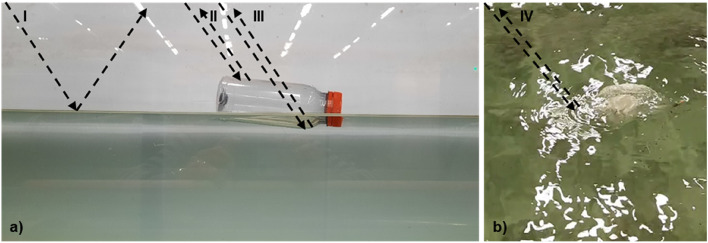
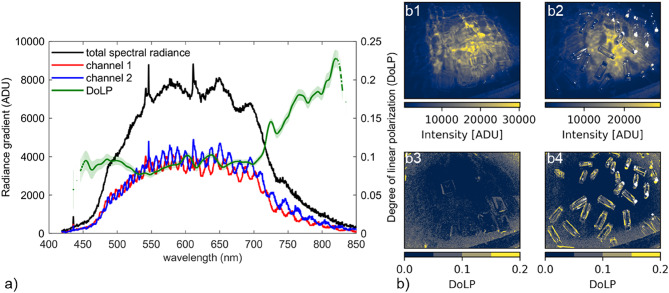
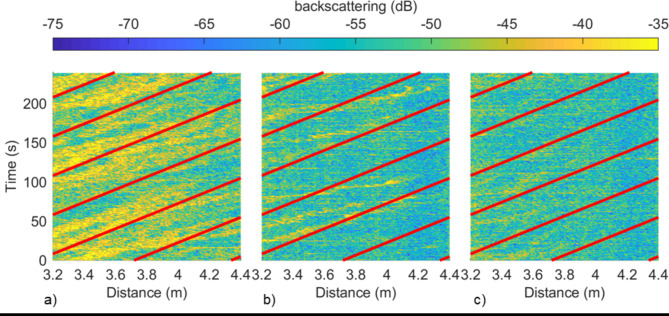
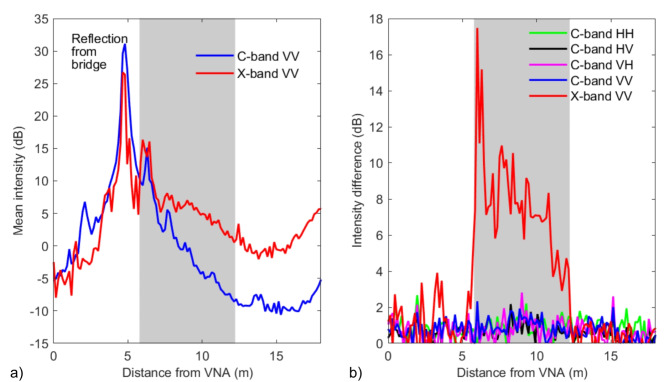
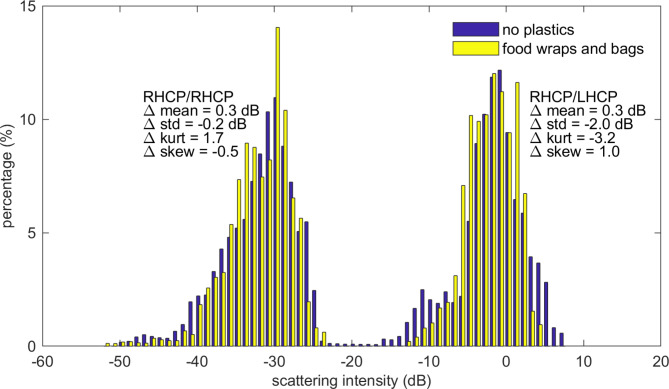
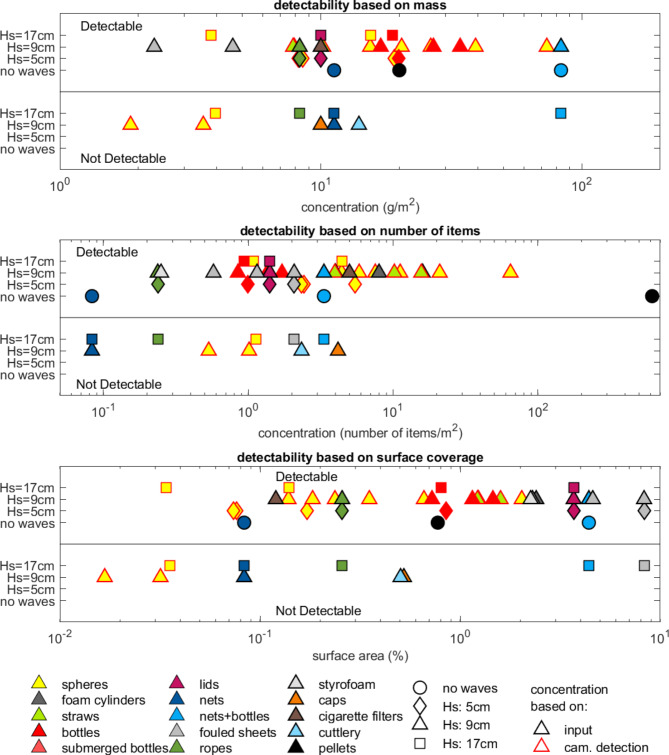
Remote sensing technologies have the potential to support monitoring of floating plastic litter in aquatic environments. An experimental campaign was carried out in a large-scale hydrodynamic test facility to explore the detectability of floating plastics in ocean waves, comparing and contrasting different microwave and optical remote sensing technologies. The extensive experiments revealed that detection of plastics was feasible with microwave measurement techniques using X and Ku-bands with VV polarization at a plastic threshold concentration of 1 item/m or 1-10 g/m. The optical measurements further revealed that spectral and polarization properties in the visible and infrared spectrum had diagnostic information unique to the floating plastics. This assessment presents a crucial step towards enabling the detection of aquatic plastics using advanced remote sensing technologies. We demonstrate that remote sensing has the potential for global targeting of plastic litter hotspots, which is needed for supporting effective clean-up efforts and scientific evidence-based policy making.
遥感技术有潜力支持对水生环境中漂浮塑料垃圾的监测。在一个大型水动力测试设施中开展了一项实验活动,以探索在海浪中对漂浮塑料的可探测性,比较和对比不同的微波和光学遥感技术。大量实验表明,使用X波段和Ku波段、垂直极化的微波测量技术,在塑料阈值浓度为1个/平方米或1-10克/平方米时,检测塑料是可行的。光学测量进一步表明,可见光和红外光谱中的光谱和偏振特性具有漂浮塑料特有的诊断信息。这一评估是朝着利用先进遥感技术检测水生塑料迈出的关键一步。我们证明,遥感有潜力对塑料垃圾热点进行全球定位,这对于支持有效的清理工作和基于科学证据的政策制定是必要的。