Aynekulu Mersha D G, van der Sterren I, van Leeuwen L P M, Langerak T, Hakim M S, Martina B, van Lelyveld S F L, van Gorp E C M
Department of Viroscience, Erasmus Medical Center, Dr. Molewaterplein 40, PO Box Ee-1722, Rotterdam, 3015 GD, the Netherlands.
Postgraduate School of Molecular Medicine, Erasmus Medical Center, Rotterdam, the Netherlands.
Trop Dis Travel Med Vaccines. 2024 Nov 1;10(1):22. doi: 10.1186/s40794-024-00231-2.
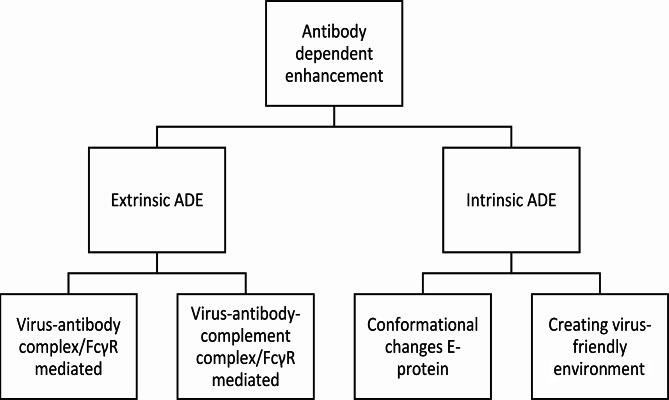
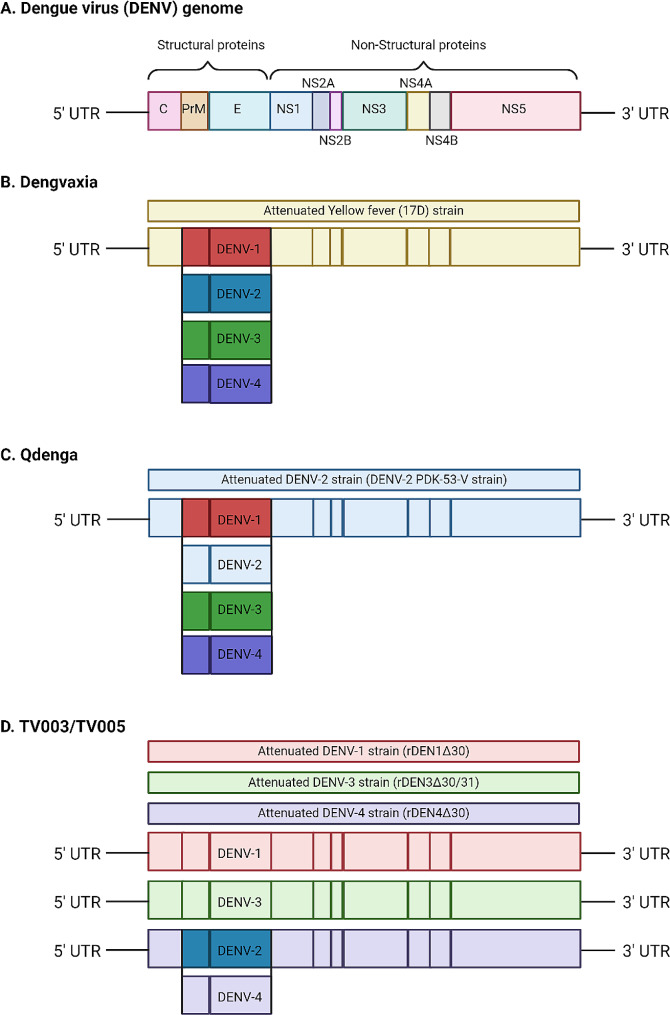
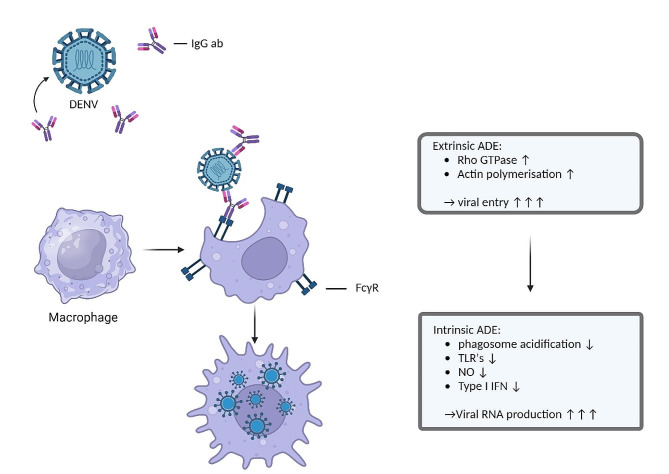
Dengue is the most rapidly spreading vector-borne disease worldwide, with over half the global population at risk for an infection. Antibody-dependent enhancement (ADE) is associated with increased disease severity and may also be attributable to the deterioration of disease in vaccinated people. Two dengue vaccines are approved momentarily, with more in development. The increasing use of vaccines against dengue, combined with the development of more, makes a thorough understanding of the processes behind ADE more important than ever. Above that, due to the lack of treatment options, this method of prevention is of great importance. This review aims to explore the impact of ADE in dengue vaccinations, with the goal of enhancing potential vaccination strategies in the fight against dengue.
登革热是全球传播速度最快的媒介传播疾病,全球超过一半的人口有感染风险。抗体依赖增强(ADE)与疾病严重程度增加有关,也可能是疫苗接种者病情恶化的原因。目前有两种登革热疫苗已获批准,还有更多疫苗正在研发中。登革热疫苗的使用日益增加,加上更多疫苗的研发,使得深入了解ADE背后的机制比以往任何时候都更加重要。除此之外,由于缺乏治疗选择,这种预防方法至关重要。本综述旨在探讨ADE在登革热疫苗接种中的影响,以期在抗击登革热方面加强潜在的疫苗接种策略。