Duncan Michael J, Essiet Inimfon, Hurter Liezel, Roberts William M, Lewis Kiara, Goss Hannah, Morris Jade L, Bingham Daniel D, O'Brien Wesley, Barnett Lisa M, Shearer Cara, Daly-Smith Andrew, Foweather Lawrence
Centre for Physical Activity, Sport and Exercise Science, Coventry University, Coventry, United Kingdom.
Research Institute for Sport and Exercise Sciences, Liverpool John Moores University, Liverpool, United Kingdom.
Front Sports Act Living. 2024 Oct 17;6:1457845. doi: 10.3389/fspor.2024.1457845. eCollection 2024.
There is a lack of evidence of stakeholder perspective and understanding of physical literacy among relevant stakeholders from England. As part of research commissioned by Sport England to develop a physical literacy consensus statement for England, this study presents findings from the first national consultation with stakeholders in England.
One hundred and ninety-three individual stakeholders (50.3%) from education, community sport, national governing bodies of sport, physical activity and sport coaching sectors completed an online survey consisting of fixed item and open ended questions designed to examine their knowledge, understanding, perceptions and practices relating to physical literacy.
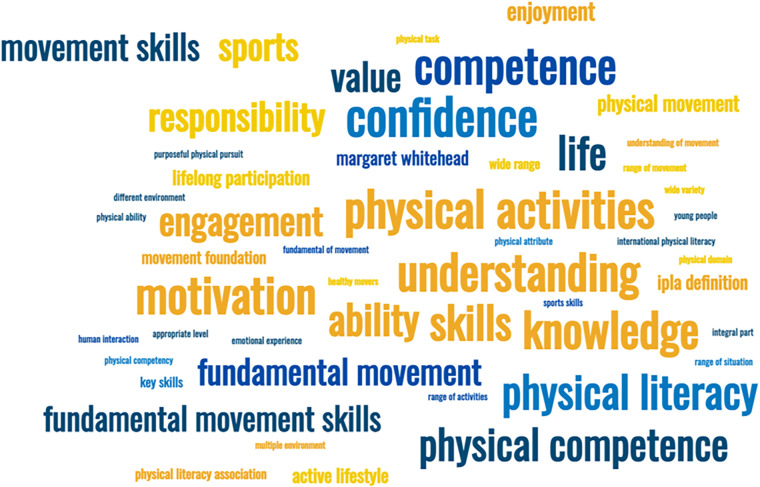
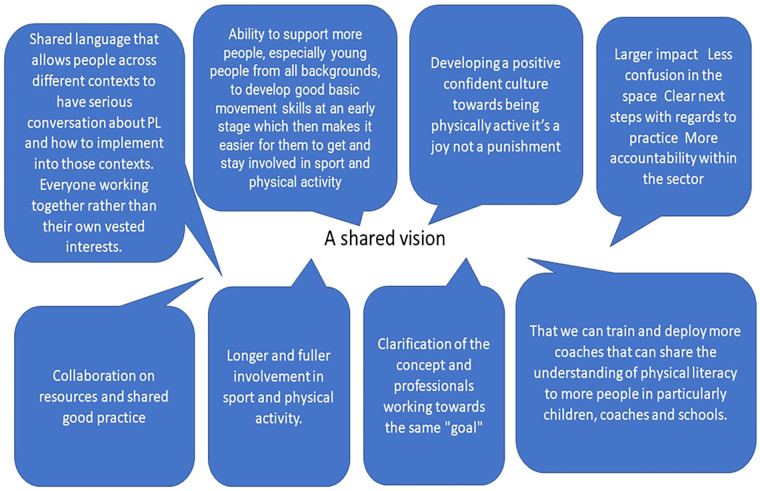
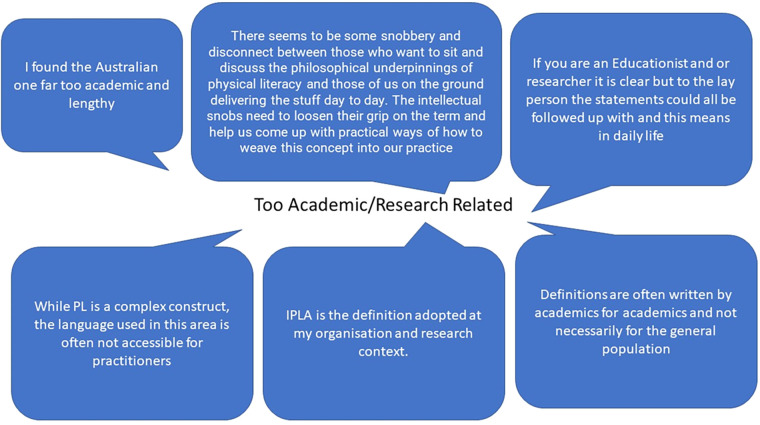
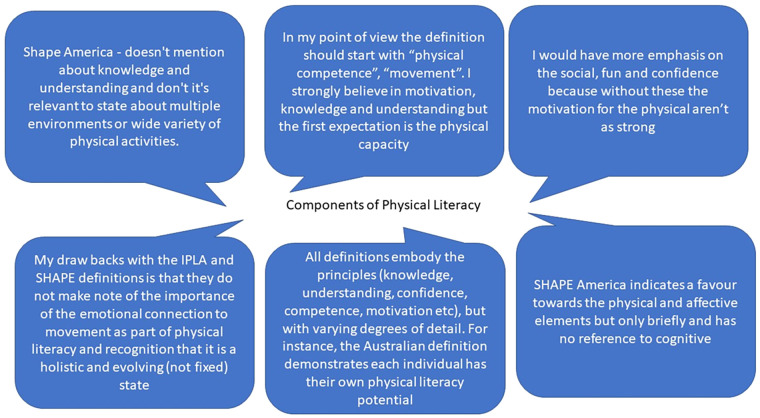
Responses from stakeholders suggested there was confusion in use of the term physical literacy in practice and confusion regarding the definition of physical literacy. Most respondents suggested they were involved in physical literacy related activity and understood the term. However, when probed the physical literacy related activity they referred to was likely not actually physical literacy related. Understanding of the term physical literacy was inconsistent in general. Stakeholders considered the affective, social, physical and cognitive areas (domains) of learning to be most important for developing a positive relationship with movement, sport and physical activity for life.
While stakeholders are aware of the term "physical literacy" and hold value of it within their practice, there remain key misconceptions relating to what physical literacy is, and debate as to whether any existing definitions truly capture the construct of physical literacy.
在英格兰,缺乏利益相关者视角以及相关利益者对身体素养理解的证据。作为英国体育委员会委托开展的一项研究的一部分,该研究旨在为英格兰制定一份身体素养共识声明,本文呈现了与英格兰利益相关者首次全国性协商的结果。
来自教育、社区体育、国家体育管理机构、体育活动和体育教练领域的193名个人利益相关者(占50.3%)完成了一项在线调查,该调查由固定项目和开放式问题组成,旨在考察他们对身体素养的知识、理解、认知和实践。
利益相关者的回答表明,在实践中对“身体素养”一词的使用存在困惑,对身体素养的定义也存在困惑。大多数受访者表示他们参与了与身体素养相关的活动并理解这个术语。然而,当深入探究他们所提到的与身体素养相关的活动时,很可能实际上与身体素养并无关联。总体而言,对“身体素养”一词的理解并不一致。利益相关者认为学习的情感、社会、身体和认知领域(范畴)对于在一生中与运动、体育和体育活动建立积极关系最为重要。
虽然利益相关者知晓“身体素养”一词并在其实践中重视它,但对于身体素养是什么仍存在关键的误解,并且对于任何现有定义是否真正涵盖身体素养的概念也存在争议。