Hofmann Bjørn
Centre for Medical Ethics, Faculty of Medicine, University of Oslo, Norway.
Institute for the Health Sciences at the Norwegian University of Science and Technology (NTNU) at Gjøvik, Norway.
Digit Health. 2024 Sep 27;10:20552076241287370. doi: 10.1177/20552076241287370. eCollection 2024 Jan-Dec.
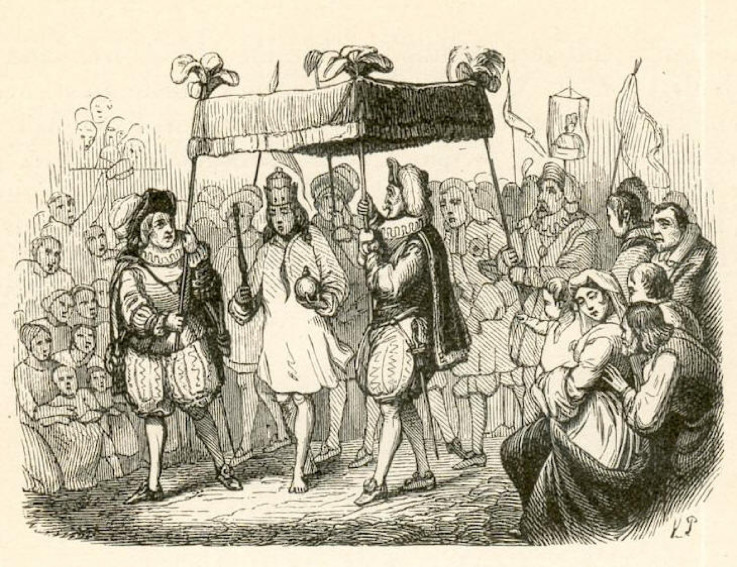
There is a massive hype of artificial intelligence (AI) allegedly revolutionizing medicine. However, algorithms have been at the core of medicine for centuries and have been implemented in technologies such as computed tomography and magnetic resonance imaging machines for decades. They have given decision support in electrocardiogram machines without much attention. So, what is new with AI? To withstand the massive hype of AI, we should learn from the little child in H.C. Andersen's fairytale "The emperor's new clothes" revealing the collective figment of the emperor having new clothes. While AI certainly accelerates algorithmic medicine, we must learn from history and avoid implementing AI because it allegedly is new - we must implement it because we can demonstrate that it is useful.
人工智能(AI)据称正在彻底改变医学,引发了大量炒作。然而,算法几个世纪以来一直是医学的核心,并且已经在计算机断层扫描和磁共振成像机器等技术中应用了数十年。它们在心电图机中提供决策支持,却没有受到太多关注。那么,人工智能有什么新之处呢?为了抵御人工智能的大量炒作,我们应该向汉斯·克里斯汀·安徒生童话《皇帝的新衣》中的小孩学习,他揭示了皇帝穿着新衣这一集体幻想。虽然人工智能确实加速了算法医学的发展,但我们必须从历史中吸取教训,避免因为人工智能据称是新事物就去应用它——我们必须应用它是因为我们能够证明它是有用的。